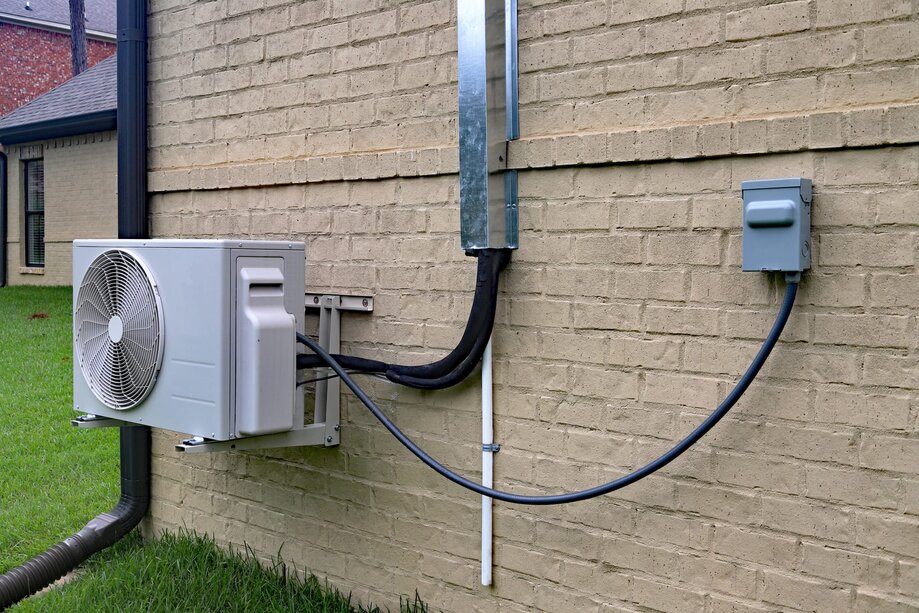
Is your air conditioner making loud, annoying noises that disrupt your peace? You’re not alone, and the good news is you don’t have to live with that constant racket.
Quieting your air conditioner unit can make your home more comfortable and help you relax better. You’ll discover simple, effective steps you can take right now to reduce the noise and enjoy a quieter, cooler space. Keep reading—you’re just moments away from turning down the volume on your AC for good.
Credit: www.logan-inc.com
Common Causes Of Ac Noise
Air conditioners can make noise for many reasons. Some sounds mean the AC needs fixing.
Knowing what causes the noise helps you quiet your AC faster and easier.
Loose Or Damaged Parts
Parts inside the AC can become loose or broken over time. This creates rattling or banging sounds.
Loose screws, bolts, or panels often cause these noises. Damaged parts can also hit other components.
- Check screws and bolts for tightness
- Look for broken or bent metal pieces
- Listen for rattling when the AC runs
Dirty Or Clogged Components
Dust and dirt build up on AC parts. This can block airflow and cause the unit to work harder.
Clogged filters, coils, or fan blades often make the AC noisy. Cleaning these parts helps reduce noise.
- Clean or replace air filters regularly
- Remove dust from fan blades and coils
- Check for debris blocking airflow
Worn-out Fan Motors
Fan motors wear down over time. They may make humming, grinding, or squealing noises.
Old or damaged motors may also stop working properly. This causes uneven cooling and noise.
- Listen for unusual sounds from the fan motor
- Check if the fan spins smoothly
- Replace motor if it is noisy or weak
Refrigerant Issues
Low or leaking refrigerant can cause hissing or bubbling noises. It also reduces cooling power.
Refrigerant problems need professional help. Fixing leaks and refilling refrigerant stops noise and protects the AC.
Simple Diy Noise Reduction
An air conditioner can be noisy. You do not need to call a repairman first. Some simple steps can help you quiet your unit. These fixes are easy and safe to do yourself.
Follow these tips to reduce the noise and enjoy a peaceful home. Start with basic checks and care for your AC unit.
Tightening Screws And Bolts
Loose screws and bolts cause rattling sounds. Check the outside and inside parts of your AC unit. Use a screwdriver or wrench to tighten all visible screws and bolts. This will stop parts from shaking and reduce noise.
Cleaning The Unit
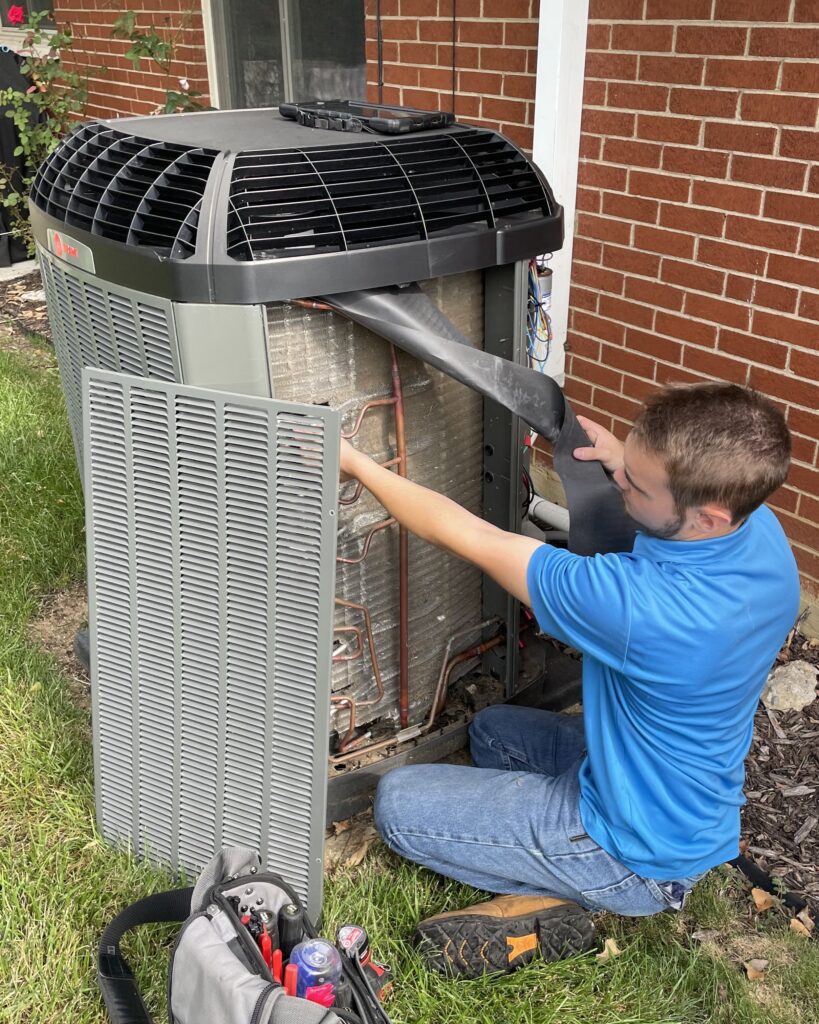
Dirt and debris make your AC work harder. This can cause louder noises. Clean the unit regularly to keep it quiet. Remove leaves, dust, and dirt from the outside and inside.
- Turn off the power before cleaning
- Use a soft brush to clean fan blades
- Clear debris around the outdoor unit
- Wash the unit’s fins gently with water
Lubricating Moving Parts
Moving parts like fans and motors need oil to work smoothly. Dry parts cause grinding or squeaking noises. Use light machine oil to lubricate these parts. Do not use too much oil. This will keep your unit quiet and running well.
Checking And Replacing Air Filters
Dirty air filters block airflow. This forces your AC to work harder and make noise. Check your air filters every month. Replace them if they look dirty or clogged.
| Filter Type | Replacement Time |
| Fiberglass | Every 30 days |
| Pleated | Every 90 days |
| HEPA | Every 6 months |
Advanced Noise Control Methods
Air conditioner noise can disturb your comfort. Advanced methods help reduce this sound effectively. These ways go beyond basic fixes to make your unit quieter.
Learn four key methods to cut down AC noise. Each method targets different noise sources. Using them together gives the best results.
Installing Soundproofing Materials
Soundproofing materials absorb and block noise from the AC unit. They reduce sound traveling through walls and ducts. Common materials include foam panels and mass loaded vinyl.
- Use acoustic foam around the unit
- Install mass loaded vinyl on walls near the AC
- Add weather stripping to seal gaps
- Apply soundproof curtains if indoors
Using Vibration Pads Or Mats
Vibration pads reduce noise caused by unit vibrations. These pads act as cushions under the AC. They lower sound from metal parts shaking or hitting surfaces.
| Type | Material | Best Use |
| Rubber Pads | Dense rubber | Outdoor condenser units |
| Foam Mats | Closed-cell foam | Indoor air handlers |
| Anti-vibration Pads | Composite materials | Both indoor and outdoor units |
Upgrading To Quieter Fans
Fans make much of the AC noise. Upgrading to a quieter fan lowers sound significantly. Look for fans with better blade design and motor technology.
Brushless DC motors run smoother and quieter than older types. Larger blades move more air at lower speed, reducing noise. Proper maintenance keeps fans quiet longer.
Adding Acoustic Enclosures
Acoustic enclosures wrap around the AC unit to trap noise inside. These enclosures use sound-absorbing materials and tight seals. They block airborne sound and prevent it from escaping.
- Significant noise reduction
- Protects AC unit from weather
- Improves neighborhood comfort
- Easy to install and remove

Credit: www.hammacher.com
Professional Maintenance Tips
Keeping your air conditioner quiet requires regular care. Professionals use certain tips to reduce noise and improve performance.
Following these maintenance steps helps avoid loud sounds and keeps your unit running smoothly.
Scheduling Regular Inspections
Regular inspections find problems early. A technician checks all parts to ensure they work well and quietly.
Inspections every 6 months keep your unit in good shape and reduce noise from worn parts.
Replacing Faulty Components
Noisy air conditioners often have broken parts. Replacing them stops rattling and buzzing sounds.
- Check fan blades for cracks or bends
- Replace worn-out motor mounts
- Fix loose screws and panels
- Change damaged belts and pulleys
Optimizing Refrigerant Levels
Low or high refrigerant causes the unit to work harder. This leads to more noise and less cooling.
| Refrigerant Level | Effect on Noise |
| Low | Hissing or gurgling sounds |
| Optimal | Quiet and efficient operation |
| High | Increased compressor noise |
Ensuring Proper Installation
A poor installation makes units noisy. Correct placement and secure mounting reduce vibrations and noise.
- Install on flat, stable surfaces
- Use vibration isolators under the unit
- Keep the unit away from walls and obstacles
- Seal gaps to avoid air leaks
Additional Noise Minimizing Strategies
Air conditioner noise can be annoying and affect your comfort. There are extra ways to lower the sound besides basic fixes.
These tips help reduce noise and make your space quieter.
Relocating The Ac Unit
Moving the AC unit to a different spot can cut noise inside your home. Place it away from windows and living areas.
Choose a location with a solid base to reduce vibrations and sound.
- Avoid placing near bedrooms or patios
- Use a concrete pad to reduce vibration
- Keep it clear of walls to allow airflow
Using Timers And Smart Controls
Timers let you run the AC only when needed. This lowers noise during quiet times like night.
Smart controls can adjust the AC speed to keep noise low and save energy.
- Set the AC to turn off during sleep hours
- Use smart thermostats for better control
- Adjust fan speed to reduce sound
Landscaping For Sound Barrier
Plants and fences can block and absorb AC noise. Use bushes or trees around the unit.
Build a fence or screen to create a sound barrier without blocking airflow.
- Plant thick shrubs or hedges nearby
- Use lattice or wooden fences around the unit
- Leave space for air to flow freely
Choosing Energy-efficient Models
Energy-efficient AC units run quieter than older models. They use better technology to cut noise and save power.
Look for units with good noise ratings when replacing your AC.
- Check the decibel (dB) rating on the unit
- Pick models with inverter technology
- Choose units with sound-dampening features

Credit: www.furnaceprices.ca
Frequently Asked Questions
How Can I Reduce Air Conditioner Noise?
Reducing air conditioner noise involves checking and tightening loose parts. Clean the fan blades and coils regularly. Consider installing a sound blanket or barrier. Ensure the unit is level to minimize vibrations. If noise persists, consult a professional for further inspection.
Why Is My Air Conditioner Making Loud Noises?
Loud noises in air conditioners can be caused by loose parts, debris, or worn components. Check for loose screws, clean debris from the unit, and inspect fan blades. If the noise continues, contact a professional technician for a thorough inspection and repair.
What Maintenance Helps Quiet An Air Conditioner?
Regular maintenance, including cleaning filters, coils, and fan blades, helps quiet an air conditioner. Tighten loose parts and ensure proper lubrication. Check for obstructions in airflow. Schedule professional servicing annually to ensure optimal performance and noise reduction.
Can Insulating Help Reduce Air Conditioner Noise?
Yes, insulating the area around your air conditioner can reduce noise. Use soundproofing materials like foam or a sound blanket. Ensure proper installation without blocking airflow. This can help absorb and dampen sound, making your air conditioner quieter.
Conclusion
A noisy air conditioner can disturb your peace and rest. Simple steps like cleaning filters and tightening parts help a lot. Regular maintenance keeps your unit running quietly and efficiently. Small fixes save money and avoid bigger problems later. Quiet AC means better comfort at home or work.
Keep your unit checked and enjoy a calm, cool space. Silence feels good, especially on hot days. Don’t let noise ruin your comfort. Take action now for a peaceful environment.