Have you ever struggled with tying a loop on your fishing line and wondered if there’s a simpler way? Knowing how to tie a strong, reliable loop can make a huge difference in your fishing experience.
It helps your lure move naturally and makes changing hooks faster and easier. In this guide, you’ll learn step-by-step how to tie a perfect loop, even if you’re a beginner. Keep reading, and you’ll be ready to catch more fish with confidence on your next trip.

Credit: www.wikihow.com
Choosing The Right Loop Knot
Tying a secure loop knot is important for fishing. The right knot keeps your bait moving naturally.
Different loop knots work best for different fishing situations. Knowing which knot to use helps improve your catch rate.
Loop Knot Types
There are several common loop knots anglers use. Each knot creates a loop with unique strength and size.
- Perfection Loop:Creates a small, strong loop that resists slipping.
- Non-Slip Loop:Produces a larger loop that stays open for natural bait movement.
- Bimini Twist:Forms a very strong double loop, ideal for heavy lines.
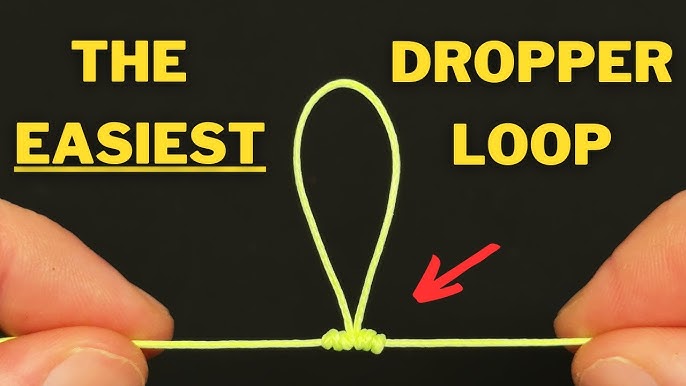
- Dropper Loop:Makes a fixed loop along the main line for attaching hooks or lures.
When To Use Each Knot
| Knot | Best Use | Line Type |
| Perfection Loop | Attach lure with minimal line twist | Mono, Fluoro |
| Non-Slip Loop | Allow bait free movement in water | Mono, Fluoro, Braided |
| Bimini Twist | Big game fishing needing high strength | Mono, Braided |
| Dropper Loop | Add hooks or additional rigs on main line | Mono, Fluoro |
Credit: n1outdoors.com
Preparing Your Fishing Line
Before tying a loop on your fishing line, you must prepare it carefully. Good preparation helps make strong and reliable loops.
Taking time to select the right material and check your line will improve your fishing experience.
Selecting Line Material
Choose the best line material for your fishing needs. Different materials have different strengths and uses.
Monofilament is flexible and easy to handle. Fluorocarbon is strong and less visible in water. Braided lines are very strong and thin.
- Monofilament: good for beginners and general use
- Fluorocarbon: best for clear water and stealth fishing
- Braided: ideal for heavy cover and deep water
Trimming And Inspecting
Cut the fishing line end cleanly before tying your loop. Use sharp scissors or a line cutter for a neat cut.
Check the line for any damage like nicks or frays. Damaged line can break easily and cause lost fish.
- Trim the end to remove old knots or frays
- Inspect the line under good light
- Replace line if you see any weak spots
Step-by-step Loop Knot Techniques
Tying a loop on a fishing line helps attach hooks or lures securely. Loops offer more movement and better action in the water.
Below are three common loop knots with easy steps to tie each one correctly.
Improved Clinch Loop
The Improved Clinch Loop is strong and simple. It works well with most fishing lines and is good for beginners.
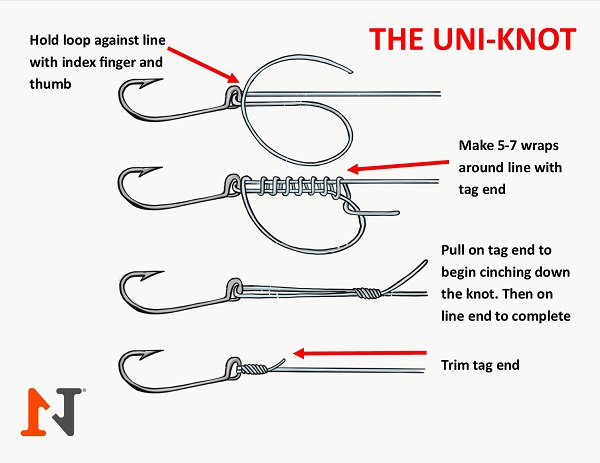
- Pass the line through the eye of the hook.
- Wrap the tag end around the standing line 5 to 7 times.
- Thread the tag end through the small loop near the eye.
- Then pass it back through the big loop you just made.
- Moisten the knot and pull the tag end and standing line to tighten.
- Trim the excess tag end close to the knot.
Perfection Loop
The Perfection Loop creates a strong fixed loop at the end of the line. It keeps the loop stable and easy to use.
- Form a small loop near the line’s end with the tag end over the standing line.
- Make a second larger loop by folding the tag end behind the standing line.
- Pass the larger loop over the smaller loop.
- Pull the standing line and the tag end to tighten the knot.
- Make sure the loop holds its shape firmly.
Non-slip Loop
The Non-Slip Loop gives a strong, free-moving loop. It works well for lures that need natural action.
| Action | Instruction |
|---|---|
| Form Loop | Make a loop near the line end by doubling the line back. |
| Wrap | Wrap the tag end around both lines 5 times. |
| Thread | Pass the tag end through the loop at the bottom. |
| Tighten | Pull the tag end and standing line while holding the loop. |
| Finish | Trim the tag end close to the knot. |
Tips For Stronger Knots
Tying a strong loop on your fishing line helps catch fish without losing them. A knot must hold tight and not slip during use.
Use the right technique and check your knot carefully. Small details make a big difference in strength.
Proper Tightening
After tying the knot, pull the line slowly and evenly. This helps the knot set correctly without damaging the line.
Do not pull too fast or too hard. Tighten the knot step by step to avoid weakening it or causing twists.
- Wet the line before tightening to reduce friction
- Hold both ends firmly while pulling
- Pull gradually for an even knot
- Avoid jerking the line hard
Testing Knot Strength
Check your knot by pulling on it with steady pressure. It should not slip or come undone under force.
Test knots before fishing to avoid losing your catch. This step ensures your loop is secure and reliable.
- Pull the line by hand to feel resistance
- Use a scale to measure the knot’s breaking force
- Retie if the knot slips or feels weak
- Practice tying knots often to improve skill
Common Mistakes To Avoid
Tying a loop on a fishing line can be tricky. Mistakes may cause the loop to slip or break.
Learn about common errors to improve your fishing knot strength and reliability.
Overlapping Lines
Overlapping the line incorrectly weakens the knot. It reduces the loop’s strength and causes slippage.
Make sure the lines lie flat and do not cross over each other in the knot area.
- Keep the lines side by side without crossing
- Avoid twisting the line inside the knot
- Check the loop before tightening
Insufficient Wraps
Not wrapping the line enough times makes the loop weak. The knot can slip or come undone easily.
Use enough wraps to hold the loop tight and secure under pressure.
- Wrap the line at least 4 to 6 times
- More wraps add extra security
- Tighten the wraps evenly before locking the knot
Maintaining Your Knots
Tying a strong loop knot on your fishing line is important. Keeping your knots in good shape helps you catch more fish.
Regular care of your knots prevents them from breaking or slipping. This guide shows how to maintain your knots well.
Regular Checks
Check your knots often during fishing trips. Look for any signs of wear or damage on the line and knot.
Feel the knot with your fingers to find rough spots or loosening. Wet knots can hide damage, so inspect carefully.
- Look for frayed or thin spots near the knot
- Test knot tightness by pulling gently
- Inspect after catching a fish or snagging
Replacing Worn Knots
Replace knots that look weak or damaged. A worn knot can break and cause you to lose fish and gear.
Cut off the old knot and retie a new loop knot before fishing again. Use clean line ends for best results.
- Cut the line close to the damaged knot
- Wet the line before tying to reduce friction
- Tie the loop knot tightly and trim excess line

Credit: www.reddit.com
Frequently Asked Questions
How Do You Start A Loop On Fishing Line?
To start a loop, double back your fishing line to form a bend. Hold the two lines together. Begin forming an overhand knot with the doubled line. This creates the initial loop, setting the foundation for a strong knot. Ensure the loop size suits your fishing needs.
What Is The Best Knot For A Loop?
The Palomar Knot is often recommended for loops. It is strong and reliable for various fishing applications. It’s easy to tie and maintains a high breaking strength. Ensure you moisten the knot before tightening to prevent friction damage. Many anglers trust this knot for its simplicity and effectiveness.
Why Use A Loop On Fishing Line?
A loop offers flexibility and movement to the lure or bait. It allows natural motion, attracting more fish. Loops are crucial for techniques that require dynamic lure action. They are especially beneficial in fly fishing and when using artificial baits.
This increases the chances of a successful catch.
Can Beginners Tie Fishing Loops Easily?
Yes, beginners can tie fishing loops with practice. Start with simple knots like the Surgeon’s Loop. Follow step-by-step guides or video tutorials for assistance. Practicing with thicker line can make the learning process easier. Over time, tying loops will become a quick and simple task.
Conclusion
Tying a loop on a fishing line helps catch fish better. It makes your bait move naturally in water. Practice the steps slowly until you feel confident. This simple skill saves time and improves fishing success. Try different knots to find what works best.
Keep your line strong and secure every time. Soon, tying loops will become easy and quick. Enjoy fishing with more control and less hassle.