Finding the right fit for your climbing shoes can make all the difference between a frustrating climb and an amazing one. You might think any snug shoe will do, but if your climbing shoes don’t fit properly, your performance and comfort will suffer.
So, how should a climbing shoe fit to give you the best grip, support, and control? Keep reading to discover the key tips that will help you choose shoes that feel like they were made just for your feet—and take your climbing to the next level.

Credit: www.vertical-addiction.com
Choosing The Right Size
Finding the right climbing shoe size is key for comfort and performance. A shoe that fits well helps you climb better and keeps your feet safe.
This guide covers how to measure your foot, think about brands, and consider socks and insoles for the best fit.
Measuring Your Foot Accurately
Measure your foot to find the right shoe size. Do it at the end of the day when your feet are largest.
- Place a piece of paper on a flat surface.
- Stand on the paper with your heel against a wall.
- Mark the longest toe on the paper.
- Measure the distance from the wall to the mark in centimeters.
- Repeat for the other foot and use the larger measurement.
Considering Different Brands
Shoe sizes vary across brands. Some run larger or smaller, so check each brand’s size chart.
| Brand | Fit Style | Size Tip |
| Brand A | Snug | Order half size up if wide feet |
| Brand B | Tight | Choose exact size for best fit |
| Brand C | Flexible | Size down for better precision |
Accounting For Socks And Insoles
Think about the socks and insoles you will wear with your climbing shoes. These affect the fit.
- Thin socks are common for climbing shoes.
- Thicker socks need more space in the shoe.
- Insoles can add cushioning but may reduce room.
- Try shoes on with your usual socks and insoles.
- Make sure the shoe feels snug but not painful.
Types Of Climbing Shoe Fits
Choosing the right climbing shoe fit is important for comfort and performance. Different fits suit different climbing styles and foot shapes.
Understanding the main types of fits helps you pick shoes that work best for your needs and climbing goals.
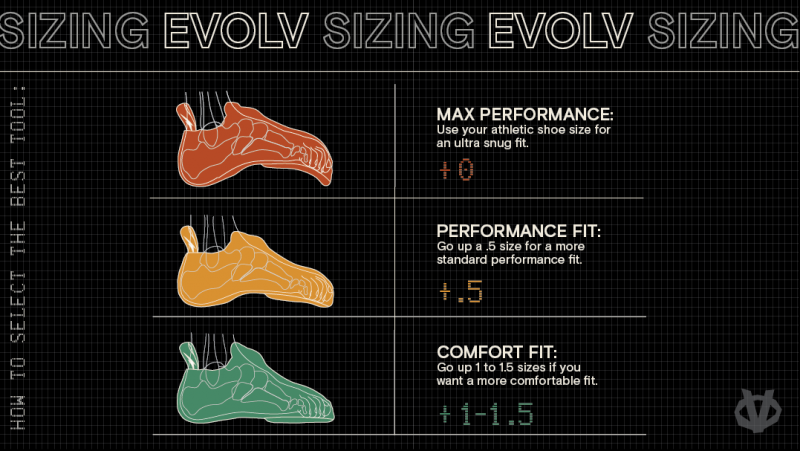
Performance Fit
Performance fit shoes are tight and snug to give better control. They reduce foot movement inside the shoe for precise climbing.
- Snug heel fit to prevent slipping
- Toe box is tight but not painful
- Less cushioning for better sensitivity
- Best for technical and sport climbing
Comfort Fit
Comfort fit shoes focus on longer wear and less pain. They allow some room for your toes and have softer materials.
| Feature | Comfort Fit | Performance Fit |
| Toe Space | Roomy | Tight |
| Cushioning | Soft | Minimal |
| Use | Long sessions, beginners | Short climbs, advanced |
Aggressive Fit
Aggressive fit shoes have a downturned shape. They put your toes in a curled position to increase power on small holds.
These shoes are best for steep climbs and bouldering. They feel tight and may cause discomfort if worn too long.
- Strong toe curl for better grip
- Usually very tight around the midfoot
- Not ideal for all-day wear
Key Fit Areas To Check
Choosing the right climbing shoe fit is important for comfort and performance. You must check several key areas on your foot.
Each part of the shoe should feel snug but not painful. Pay close attention to the toe box, heel cup, arch support, and width.
Toe Box Shape And Space
The toe box should hold your toes firmly without cramping them. Your toes should lie flat or slightly curled inside the shoe.
A good fit means there is little to no dead space, but your toes should not be painfully squished. Check if the shoe matches your toe shape.
Heel Cup Fit
The heel cup must lock your heel in place to avoid slipping. It should feel tight but not cut off circulation.
- A secure heel improves control on small footholds.
- Look for shoes with padded or molded heel cups.
- Try walking or jumping to test heel hold.
Arch Support And Midfoot
Arch support helps transfer power from your foot to the shoe. The midfoot should feel snug and supportive.
| Fit Area | What to Feel |
|---|---|
| Arch | Firm support, no pressure points |
| Midfoot | Snug but comfortable hold |
Width Considerations
Your foot width affects comfort and control. The shoe should wrap your foot without excess space or tight spots.
- Too narrow causes pinching and pain.
- Too wide reduces precision and can cause blisters.
- Try different widths if available for best fit.
Breaking In Your Shoes
Climbing shoes should fit snugly but not cause pain. New shoes often feel stiff and tight.
Breaking in your shoes helps them mold to your feet and improves comfort. It takes time and care.
Gradual Wear Techniques
Wear your climbing shoes for short periods at first. This lets the material soften without hurting your feet.
Try wearing them around the house or during light climbing sessions. Slowly increase the time as they become more comfortable.
- Wear shoes for 30 minutes to an hour initially
- Increase wear time each day by 15-30 minutes
- Use thick socks at first to reduce pressure
- Perform gentle foot stretches after wearing
Common Break-in Issues
Shoes can cause pain if they are too tight or stiff. Hot spots or blisters may form during breaking in.
Watch for signs like numb toes or sharp pain. These issues need attention to avoid injury.
- Blisters from friction on heels or toes
- Numbness from tight toe boxes
- Heel slipping due to poor fit
- Material stiffness causing discomfort
When To Replace Your Shoes
Replace climbing shoes when they lose grip or support. Worn soles and holes reduce safety and performance.
Also replace shoes if they cause pain even after breaking in. Your feet need proper protection.
- Soles worn thin or smooth
- Holes or tears in the upper material
- Lost shape and support
- Persistent foot pain or discomfort
Tips For Different Climbing Styles
Climbing shoes must fit well to help you climb better. Different climbing styles need different fits. This guide helps you find the right fit for your climbing type.
Good shoe fit means comfort and performance. Your shoes should feel snug but not painful. Let’s look at tips for bouldering, sport climbing, and trad climbing.
Bouldering Fit Tips
Bouldering needs tight shoes for powerful moves. A snug fit helps you feel the rock better. Your toes should be curled slightly but not crunched.
Look for shoes that wrap your foot well. Avoid extra space to keep control on small holds. Expect some discomfort, but no sharp pain.
- Shoes should be tight with toes slightly curled
- Heel fit must be firm to avoid slipping
- Choose aggressive shoes for better toe power
- Try on shoes at the end of the day when feet are swollen
Sport Climbing Fit Tips
Sport climbing needs a balance of comfort and tightness. Shoes should fit snugly but allow for longer climbs. Your toes should lie flat or slightly curled.
Look for shoes with moderate stiffness to support your foot. Avoid shoes that cause pain or numbness. A good fit helps you climb longer without hurting your feet.
- Snug fit without pinching toes
- Shoes with some padding or cushioning
- Moderate stiffness for support and comfort
- Secure heel to keep foot stable
Trad Climbing Fit Tips
Trad climbing requires comfortable shoes for long climbs and walking. Shoes should fit well but allow some toe wiggle. Comfort is more important than tightness.
Choose shoes with a flat or low-profile shape. They help protect your feet during long routes. Avoid overly aggressive shoes that cause pain over time.
- Comfortable fit with slight toe movement
- Flat or neutral shoe shape
- Durable sole for protection
- Good heel fit to avoid slipping

Credit: www.evolvsports.com
Signs Of Poor Fit
Climbing shoes must fit well to keep your feet safe and comfortable. Poorly fitting shoes can cause problems during climbs.
Look for signs that your climbing shoes do not fit correctly. These signs help you know when to find a better fit.
Pain And Discomfort
If your climbing shoes cause pain, they might be too tight or too loose. Pain can show up in your toes, heels, or arches.
Discomfort can make it hard to climb well. Shoes that press too hard on your feet can cause blisters or sore spots.
Numbness And Circulation Issues
Numbness or tingling in your feet can mean your shoes are too tight. Tight shoes cut off blood flow and cause these problems.
Poor circulation can make your feet cold and weak. This can affect your climbing performance and foot health.
Slippage And Instability
Shoes that slip off or feel loose cause instability on the wall. This can make it hard to hold footholds securely.
Slippage happens when shoes are too big or not snug around your heel and toes. This can lead to accidents or falls.
Customizing Fit
Climbing shoes must fit well to perform at their best. A good fit means comfort and control on the rock. Adjustments can help you find the perfect fit.
There are several ways to customize climbing shoes. You can use insoles, try heat molding, or adjust laces and closures. Each method changes how the shoe feels on your foot.
Using Insoles And Orthotics
Insoles and orthotics add extra support and comfort inside your climbing shoes. They can fill space and improve foot alignment. This helps reduce pain and improve fit.
- Replace the stock insole with a thinner or thicker one
- Use custom orthotics for arch support
- Add metatarsal pads to reduce pressure on the ball of your foot
- Choose insoles made of materials that wick moisture
Heat Molding Options
Heat molding changes the shape of some climbing shoes. Warm the shoe with a heat source, then wear it until it cools. This shapes the shoe to your foot curves.
| Heat Molding Method | Effect on Fit | Considerations |
| Professional heat molding | Precise fit adjustment | Usually done in store, may cost extra |
| Home heat molding | Custom shape but less precise | Use caution to avoid damage |
| No heat molding | Original shoe shape | May feel stiff or loose |
Lacing And Closure Adjustments
Adjusting laces or closures changes shoe tightness. You can improve fit by tightening or loosening certain areas. Different lacing styles focus pressure where you need it.
- Use criss-cross lacing for even pressure
- Tighten the toe box for more precision
- Loosen the ankle area for comfort
- Try different closure types like Velcro, speed laces, or traditional laces

Credit: www.reddit.com
Frequently Asked Questions
How Tight Should Climbing Shoes Be?
Climbing shoes should fit snugly without causing pain. They should hug your foot closely for optimal performance. Your toes should be slightly curled but not cramped. A well-fitted shoe enhances grip and sensitivity, improving your climbing efficiency. Remember, comfort is crucial for longer climbs.
Can Climbing Shoes Be Too Tight?
Yes, climbing shoes can be too tight if they cause pain. Uncomfortable shoes can lead to blisters and bruising. They should be snug, but not painfully tight. Proper fit ensures better performance and longer climbing sessions. Always try shoes on before purchasing to ensure the right fit.
What Socks To Wear With Climbing Shoes?
Typically, climbers don’t wear socks with climbing shoes. This is to enhance sensitivity and grip. However, if you prefer socks, choose thin, moisture-wicking ones. They should not compromise the snug fit of your shoes. Test different options to find what feels most comfortable for you.
How To Choose The Right Climbing Shoe Size?
Choosing the right size involves trying on multiple pairs. Start with your street shoe size and adjust from there. Look for a snug fit without pain. Consider the shoe’s material, as leather can stretch over time. Prioritize comfort, especially for longer climbs or beginners.
Conclusion
Choosing the right climbing shoe fit is key for comfort and performance. Shoes should feel snug but not painful. Your toes should touch the shoe’s end without curling. Avoid shoes that cause numbness or blisters. Try different brands and sizes to find what suits you best.
Remember, a good fit helps you climb better and enjoy the experience more. Take your time and listen to your feet. Happy climbing!