Are you tired of your fishing line snapping at the worst moment? Wondering if there’s a stronger, more reliable option that can improve your fishing experience?
Understanding what copolymer fishing line is could change the way you fish for good. This type of line offers a unique blend of strength and flexibility that might just give you the edge you need on your next catch. Keep reading to discover how copolymer fishing line works and why it could be the perfect choice for your tackle box.
Copolymer Fishing Line Basics
Copolymer fishing line is a popular choice among anglers. It blends two or more types of materials to improve strength and durability.
This fishing line offers better resistance to abrasion and knots than some other lines. It is used in many fishing situations.
Material Composition
Copolymer fishing lines use a mix of different polymers. These materials combine to create a line with unique features.
The common materials include nylon, polyester, and other synthetic fibers. Each adds strength, flexibility, or smoothness to the line.
- Nylon provides elasticity and shock absorption.
- Polyester adds resistance to UV light and water.
- Other polymers improve knot strength and abrasion resistance.
Manufacturing Process
The manufacturing of copolymer lines starts by melting the polymers together. They mix at high temperatures to form a uniform blend.
The molten mixture is then extruded through small holes to create thin strands. These strands cool down and stretch to improve strength.
- Polymers are melted and mixed.
- Molten material is extruded into strands.
- Strands cool and stretch to increase strength.
- Lines are wound onto spools for sale.
Benefits For Anglers
Copolymer fishing line offers many advantages for anglers. It blends different materials to improve fishing performance.
This type of line helps anglers catch more fish by being strong, flexible, and sensitive to bites.
Strength And Durability
Copolymer lines are stronger than regular monofilament lines. They resist breaking under heavy loads and last longer.
Because of their strength, anglers can use thinner lines without losing power, which helps with casting distance.
Abrasion Resistance
Copolymer lines resist cuts and damage from rough surfaces better than many other lines. This protects the line from sharp rocks or fish teeth.
- Prevents line snapping during fights with fish
- Allows fishing in rocky or weedy areas
- Reduces the need to replace the line often
Sensitivity And Flexibility
Copolymer lines transmit vibrations well, helping anglers feel even small bites. They also bend easily, making casting smooth.
| Feature | Benefit |
| Sensitivity | Detects subtle fish bites quickly |
| Flexibility | Improves casting and knot tying |
| Low Memory | Reduces line coiling and tangles |
Types Of Copolymer Lines
Copolymer fishing lines combine different materials to improve strength and flexibility. These lines offer anglers options for various fishing conditions.
There are three main types of copolymer lines. Each type has unique features and uses.
Fluorocarbon Copolymers
Fluorocarbon copolymer lines blend fluorocarbon with other materials. This blend makes the line nearly invisible underwater. It also resists abrasion well.
- High resistance to water absorption
- Low stretch for better sensitivity
- Good abrasion resistance
- Less visible to fish
Nylon Copolymers
Nylon copolymer lines mix different types of nylon to balance strength and stretch. These lines are softer and easier to handle. They work well for many fishing styles.
| Feature | Benefit |
| Blended nylon types | Improved knot strength |
| Flexible material | Better casting distance |
| Moderate stretch | Shock absorption |
Hybrid Blends
Hybrid blends use a mix of fluorocarbon and nylon copolymers. This mix aims to combine the best traits of both materials. Hybrid lines offer strength, invisibility, and smooth handling.
- Strong and abrasion-resistant
- Good sensitivity with some stretch
- Less visible than pure nylon
- Great for versatile fishing needs
Comparing To Other Lines
Choosing the right fishing line affects your fishing success. Copolymer fishing line is a popular choice.
It offers a balance of strength and flexibility. Let’s compare it to monofilament and braided lines.
Monofilament Vs Copolymer
Monofilament line is made from a single strand of nylon. Copolymer line blends different nylon types for better performance.
| Feature | Monofilament | Copolymer |
| Strength | Good | Stronger for same diameter |
| Stretch | High stretch | Lower stretch |
| Durability | Less abrasion resistant | More abrasion resistant |
| Visibility | More visible | Less visible |
| Price | Less expensive | Usually costs more |
Braided Vs Copolymer
Braided lines use many small fibers woven together. Copolymer lines are a single strand with mixed materials.
- Braided lines have very high strength and low stretch.
- Copolymer lines have moderate stretch and better shock absorption.
- Braided lines are thinner for the same strength.
- Copolymer lines are easier to handle and tie knots with.
- Braided lines are more visible in water.
- Copolymer lines usually sink better than braided lines.
Choosing The Right Copolymer Line
Copolymer fishing lines blend different materials for better strength and flexibility. Picking the right line helps you fish easier and catch more.
Consider your fishing style and conditions when choosing a copolymer line. This guide covers key points to help you decide.
Line Diameter And Strength
Line diameter affects how strong and invisible your line is in water. Thinner lines are less visible but may hold less weight.
Stronger lines can handle bigger fish but might be thicker. Balance strength with diameter for your fishing needs.
- Thinner diameter: better casting and less visibility
- Thicker diameter: higher strength and durability
- Match line strength to fish size and type
Color Options
Copolymer lines come in many colors. Choose colors based on water clarity and fishing style.
Some colors blend into water better. Others help you see the line above water.
- Clear or light blue: good for clear water
- Green or camo: works well in weedy or murky water
- Bright colors: easy to see above water
Water Conditions
Water type changes how your line performs. Saltwater and freshwater need different line features.
Choose copolymer lines that resist water damage and stay strong in your fishing environment.
- Saltwater lines resist corrosion and abrasion
- Freshwater lines focus on smooth casting and low stretch
- Check line specs for water resistance and durability

Credit: www.varivas.fishing
Maintenance And Care Tips
Copolymer fishing line is strong and durable. Proper care helps it last longer. Simple habits keep it working well.
Follow these tips to store, avoid damage, and know when to replace the line. This protects your gear and improves fishing.
Proper Storage
Keep your copolymer line in a cool, dry place. Avoid sunlight and heat to stop it from weakening. Store the line on the spool to prevent tangles.
- Use a sealed container to protect from dust and moisture
- Keep away from chemicals like insect spray or gasoline
- Store line away from direct sunlight to prevent UV damage
- Do not leave the line on the reel for long periods without use
Avoiding Line Memory
Line memory makes the fishing line curl and tangle. Avoid it by removing the line from the spool after use. Stretch the line gently before casting.
| Cause | Effect | Prevention |
| Line left tight on spool | Line curls and loops | Loosen line after use |
| Overwinding line | Line twists | Wind line evenly and gently |
| Cold weather | Line stiffens | Warm line before fishing |
Replacing The Line
Replace the fishing line when it shows wear or damage. Old line breaks easier and may cause lost fish.
- Check line for frays, cuts, or discoloration
- Replace line if knots slip or break often
- Change line at least once per fishing season
- Use proper line strength for your fishing needs
Popular Brands And Products
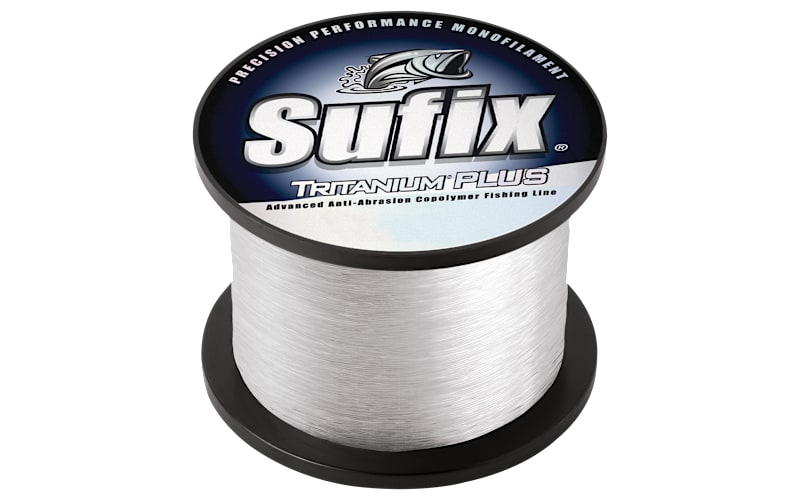
Copolymer fishing lines are made from two or more types of polymers. They offer a good mix of strength and stretch. Many anglers prefer copolymer lines for their smooth casting and durability.
Several brands make popular copolymer fishing lines. These products vary in price and performance. Choosing the right line depends on your fishing needs and budget.
Top Rated Copolymer Lines
Some copolymer lines stand out for their quality and reliability. These lines handle well in different fishing conditions. They offer strong knot strength and low memory.
- Seaguar Red Label:Known for smooth casting and abrasion resistance.
- Berkley Trilene XT:Offers good sensitivity and durability.
- Stren Original Copolymer:Affordable line with solid performance.
- Spiderwire Stealth Smooth:Strong and thin for longer casts.
Price Vs Performance
Copolymer lines come in a range of prices. Higher-priced lines often have better materials and finish. They usually last longer and perform better under stress.
Budget lines can still work well for casual fishing. They may have slightly less smoothness or durability. Match your line choice with how often and where you fish.
| Brand | Price Range | Key Features |
|---|---|---|
| Seaguar Red Label | High | Strong, smooth casting, abrasion resistant |
| Berkley Trilene XT | Mid | Good sensitivity, durable |
| Stren Original Copolymer | Low | Affordable, reliable |
| Spiderwire Stealth Smooth | Mid to High | Thin, strong, long casts |
Credit: www.basspro.com

Credit: hook-n-fish.com
Frequently Asked Questions
What Is A Copolymer Fishing Line?
A copolymer fishing line is made from two or more nylon polymers. It’s known for its strength, low stretch, and reduced water absorption. This makes it suitable for various fishing conditions. Anglers prefer it for its superior knot strength and abrasion resistance compared to monofilament lines.
How Does Copolymer Line Compare To Monofilament?
Copolymer lines offer better strength and less stretch than monofilament. They also have higher abrasion resistance, making them more durable. While monofilament is more affordable, copolymer provides better performance. Anglers may choose copolymer for its balance of strength, sensitivity, and flexibility.
Is Copolymer Fishing Line Good For Beginners?
Yes, copolymer fishing line is great for beginners. It’s easy to handle and offers excellent knot strength. The line’s reduced stretch provides better hook-setting power. Its durability makes it suitable for learning various fishing techniques. Beginners benefit from its versatility and performance in different fishing environments.
What Are The Advantages Of Using Copolymer Lines?
Copolymer lines have many advantages, including higher strength and reduced stretch. They offer excellent knot strength and abrasion resistance. These properties make them ideal for different fishing conditions. Anglers appreciate their versatility, durability, and superior performance compared to monofilament lines.
Conclusion
Copolymer fishing line offers strength and flexibility for better fishing. It resists knots and lasts longer than regular lines. Anglers enjoy its smooth casting and strong hold on fish. Choosing the right line can improve your fishing experience. Try copolymer line to see the difference yourself.
It suits many fishing styles and conditions well. Simple, reliable, and effective – a smart choice for fishing.