
Have you ever noticed a setting called “Dry Mode” on your portable air conditioner and wondered what it actually does? You might think it’s just another cooling option, but Dry Mode can make a big difference in how comfortable your space feels—especially on those muggy, humid days.
Understanding this feature can help you get the most out of your air conditioner, saving energy and making your environment healthier. Keep reading to discover how Dry Mode works and why it might be the secret weapon your room has been missing.

Credit: www.youtube.com
Dry Mode Basics
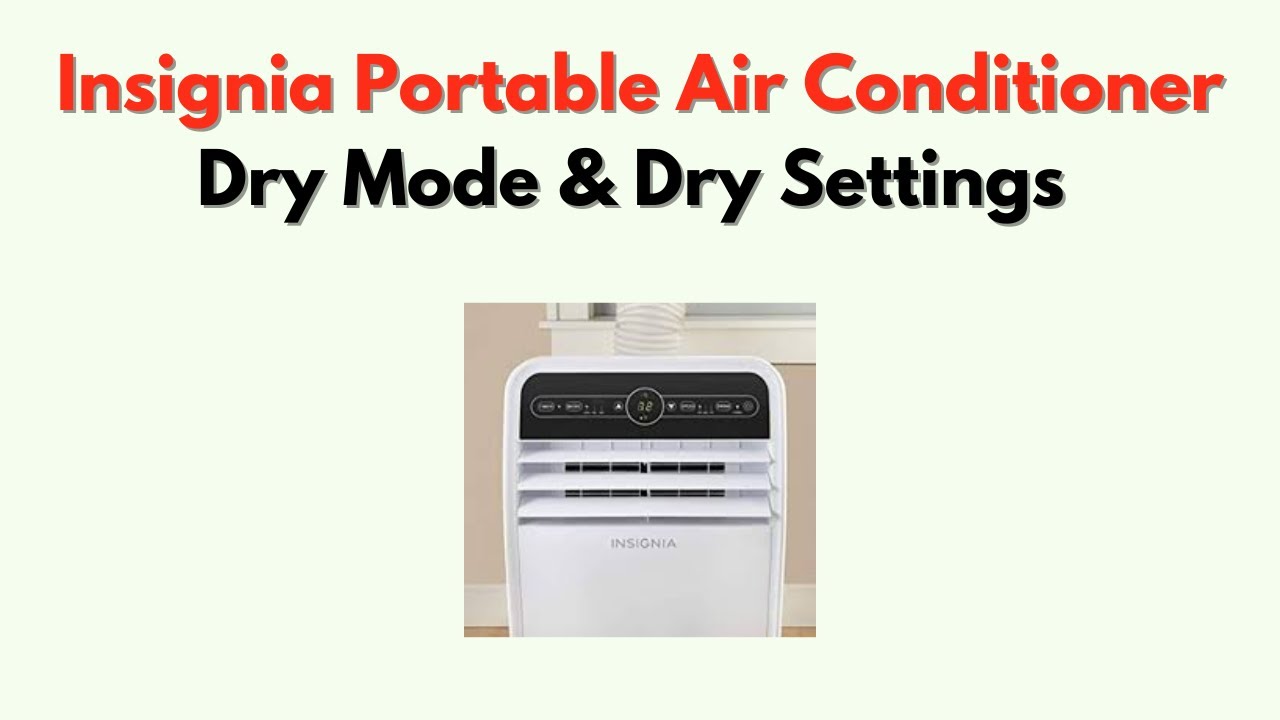
Dry mode is a special setting on portable air conditioners. It helps remove moisture from the air. This makes the room less humid and more comfortable.
This mode is useful in damp or rainy weather. It keeps the air fresh without making the room too cold.
How Dry Mode Works
Dry mode works by pulling warm, humid air into the air conditioner. The machine cools the air slightly to remove moisture. Then, it warms the air back before releasing it.
- Air is drawn into the unit.
- Moisture condenses on cold coils.
- Water collects in a tank or drains out.
- Dry, slightly warm air returns to the room.
Difference Between Dry And Cool Modes
| Feature | Dry Mode | Cool Mode |
|---|---|---|
| Main Purpose | Remove moisture from air | Lower room temperature |
| Temperature Change | Small or no change | Significant cooling |
| Fan Speed | Usually lower | Usually higher |
| Comfort Effect | Reduces humidity | Reduces heat |
| Energy Use | Lower | Higher |
Benefits Of Dry Mode
Dry mode on a portable air conditioner helps reduce indoor humidity. It removes excess moisture from the air.
This mode is useful in damp conditions. It keeps the room comfortable without cooling it too much.
Humidity Control
Dry mode lowers humidity levels by pulling moisture from the air. This prevents mold and mildew growth.
It helps keep your home dry and fresh. This is important during rainy or humid weather.
Energy Efficiency
Dry mode uses less energy than regular cooling. The air conditioner runs the fan and compressor less often.
This saves electricity and lowers your energy bills. It is a cost-effective way to improve indoor air quality.
Improved Comfort
Lower humidity makes the room feel cooler and more comfortable. It reduces sticky, heavy air.
Dry mode helps you breathe easier. It prevents stuffy air and reduces sweat on your skin.
When To Use Dry Mode
Dry mode on a portable air conditioner helps remove moisture from the air. It is useful when the air feels damp but not hot. This mode cools the room slightly while reducing humidity.
Using dry mode can make your space more comfortable by lowering moisture levels. It is best to use it under certain weather conditions and to avoid excess moisture indoors.
Ideal Weather Conditions
Dry mode works best in warm and humid weather. This helps reduce the sticky feeling caused by high humidity. It is not meant for very hot days when you need strong cooling.
Use dry mode when the temperature is moderate but the air feels wet. This mode removes moisture without using much energy for cooling.
- Warm temperatures between 70°F and 85°F (21°C to 29°C)
- High humidity levels above 60%
- Days with less need for strong cooling
Avoiding Excess Moisture
Dry mode helps prevent problems caused by too much moisture. Excess moisture can cause mold, mildew, and damage to furniture.
Use dry mode in rooms where moisture builds up, like bathrooms or kitchens. It keeps the air fresh and healthy by lowering dampness.
- Use after cooking or showering to reduce steam
- Helps protect walls and fabrics from moisture damage
- Improves air quality by reducing mold growth risks
Setting Up Dry Mode
Dry mode on a portable air conditioner helps reduce humidity in a room. It works by removing moisture from the air without cooling too much.
Using dry mode is simple and can make your space more comfortable during damp days.
Step-by-step Activation
To start dry mode, first turn on your portable air conditioner. Look for the mode button on the control panel or remote.
Press the mode button until the dry or dehumidify icon shows on the display. The unit will then start removing moisture.
- Turn on the unit
- Press the mode button repeatedly
- Stop when dry mode icon appears
- Adjust fan speed if available
- Wait for the air to feel less humid
Tips For Optimal Performance
Keep doors and windows closed while using dry mode. This helps the air conditioner remove moisture faster.
Clean the air filter regularly. A clean filter improves airflow and helps dry mode work better.
- Close all doors and windows
- Clean or replace the air filter often
- Empty the water tank when full
- Do not block air vents
- Use dry mode in moderately humid rooms
Common Issues And Fixes
Dry mode on a portable air conditioner helps reduce humidity in the room. It works by removing moisture from the air without cooling it much.
Sometimes dry mode may not work well. Some common problems include the mode not turning on or water not draining properly.
Dry Mode Not Working
If dry mode does not start, check if the unit is in the correct setting. Make sure the remote or control panel is set to dry mode.
Another cause can be a dirty air filter. Dust blocks airflow and stops dry mode from working well. Clean or replace the filter regularly.
- Confirm dry mode is selected on the control panel
- Clean or replace the air filter
- Ensure the room temperature is not too low
- Check for any error codes on the display
Water Drainage Problems
Dry mode collects water from the air. This water must drain correctly to avoid leaks or shutdowns.
Check if the water tank is full. Empty it if needed. Some units have a drain hose, which should be free of clogs.
- Empty the water tank when full
- Check drain hose for blockages
- Use the drain plug if the unit has one
- Place the unit on a flat surface to avoid spills
Credit: www.youtube.com
Comparing Portable Ac Dry Mode With Dehumidifiers
Portable air conditioners often have a dry mode to reduce humidity. Dehumidifiers also remove moisture from the air. Both can help with damp rooms, but they work differently.
Understanding these differences can help you choose the right device for your needs. This guide compares dry mode on portable ACs with standalone dehumidifiers.
Functionality Differences
Dry mode on a portable AC cools the air while removing some moisture. It works by running the AC compressor and fan at low speed. This lowers humidity but also lowers temperature.
Dehumidifiers focus only on removing moisture. They pull in air, cool it to condense water, then warm the air before releasing it. They do not cool the room.
- Portable AC dry mode cools and dehumidifies together.
- Dehumidifiers only remove moisture without cooling.
- Dry mode is less effective in very humid conditions.
- Dehumidifiers handle high humidity better.
Cost And Efficiency
Portable ACs in dry mode use more power since they run the compressor and fan. Dehumidifiers often use less energy for moisture removal alone.
| Device | Average Power Use | Primary Function | Cost Range |
| Portable AC Dry Mode | 900-1500 watts | Cooling + Dehumidifying | High ($300-$700) |
| Dehumidifier | 200-700 watts | Dehumidifying only | Medium ($150-$400) |

Credit: www.youtube.com
Frequently Asked Questions
What Does Dry Mode Do On Portable Ac?
Dry mode on a portable air conditioner reduces humidity in the room. It works by extracting moisture from the air without significantly cooling it. This mode is ideal for humid environments, making the space feel more comfortable. It can also help in reducing mold and mildew growth.
How Does Dry Mode Save Energy?
Dry mode uses less energy than cooling mode by focusing on dehumidifying. It operates the compressor intermittently, reducing power consumption. This makes it an energy-efficient option for maintaining comfort in humid conditions. By reducing humidity, it can also enhance the efficiency of the cooling mode.
Can Dry Mode Replace A Dehumidifier?
While dry mode reduces humidity, it’s not a complete replacement for a dehumidifier. It removes some moisture, but not as effectively as a dedicated dehumidifier. For areas with severe humidity issues, a dehumidifier is more effective. Dry mode is suitable for temporary or moderate humidity control.
When To Use Dry Mode On Ac?
Use dry mode during humid weather when cooling isn’t necessary. It’s ideal for rainy seasons or mild days. It makes the environment comfortable by reducing moisture. This mode is especially useful in coastal or tropical regions where humidity levels are typically high.
Conclusion
Dry mode on a portable air conditioner helps remove extra moisture from the air. It keeps your room less humid and more comfortable. This mode uses less energy than cooling mode. It works best on damp, warm days. Knowing how dry mode works can help you use your AC wisely.
Try it to see if it improves your indoor air quality. Stay comfortable and save energy at the same time. Simple, effective, and easy to use. Dry mode is a helpful feature for many homes.