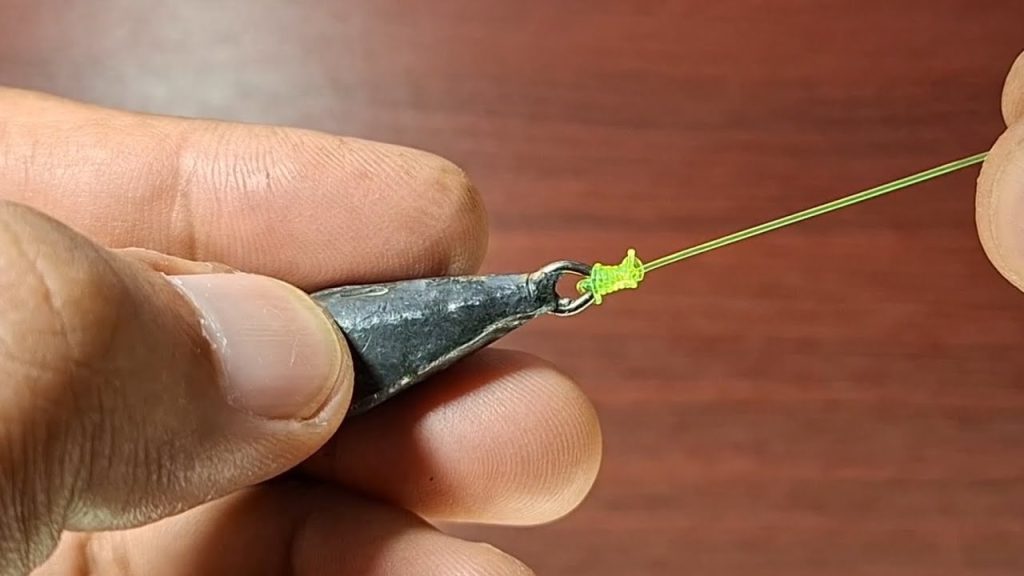
Are you struggling to get your fishing line just right? Where you place a sinker on your fishing line can make all the difference between a slow day and a great catch.
If you’ve ever wondered how to improve your casting, control your bait, or reach the perfect depth, this guide is for you. By the end, you’ll know exactly where to put your sinker to fish smarter, not harder. Keep reading to unlock simple tips that can instantly boost your fishing success.

Credit: www.youtube.com
Types Of Sinkers
Sinkers help fishing lines sink to the right depth. They hold bait steady in the water. There are different types of sinkers for various fishing needs.
Choosing the right sinker and placing it well on the line improves fishing success. Let’s look at some common sinker types.
Split Shot Sinkers
Split shot sinkers are small, round weights with a split to pinch onto the line. They are easy to attach and remove. They work well for light fishing and delicate bait presentations.
Place split shot sinkers a few inches above the hook. This lets the bait move naturally while keeping it near the bottom.
Egg Sinkers
Egg sinkers are oval-shaped weights with a hole in the center. You thread the line through the hole. This allows the bait to move freely while the sinker slides on the line.
Use egg sinkers for bottom fishing. Place a small stopper knot above the sinker to keep it from sliding too far.
Bank Sinkers
Bank sinkers are large and heavy with a flat bottom and a curved top. They hold well in strong currents and deep water. They attach to the line by tying or using a swivel.
Place bank sinkers close to the bait to keep it steady near the river or lake bottom.
Bullet Sinkers
Bullet sinkers are shaped like a bullet with a hole through the center. They slide on the line and are popular for fishing with soft plastic baits. They help the bait sink quickly and stay near the bottom.
Use bullet sinkers with a small stopper knot or swivel to control how far the sinker moves on the line.

Credit: www.youtube.com
Factors Influencing Sinker Placement
Choosing the right spot for a sinker on your fishing line improves your catch. Several factors affect where to place the sinker. These include water depth, current strength, the fish you want to catch, and the type of bait you use.
Understanding these factors helps you adjust your setup for better fishing results. Let’s explore each factor in detail.
Water Depth
Sinker placement changes with water depth. In shallow water, place the sinker closer to the bait to avoid spooking fish. In deep water, put the sinker farther up the line so the bait can move freely.
Current Strength
The strength of the water current affects sinker position. Strong currents need heavier sinkers placed closer to the bait to keep it steady. Light currents allow more distance between sinker and bait for natural movement.
- Strong current: sinker close to bait
- Medium current: sinker mid-distance
- Light current: sinker far from bait
Target Fish Species
Different fish react to sinker placement in different ways. Bottom feeders need sinkers close to the bait. Fish that swim in open water prefer the sinker farther away to keep the bait moving naturally.
| Fish Species | Sinker Position |
| Catfish | Close to bait |
| Trout | Far from bait |
| Bass | Mid-distance |
| Walleye | Close to bait |
Bait Type
The bait you use affects sinker placement. Live bait moves on its own and needs the sinker placed farther away. Artificial lures need the sinker closer to control their movement well.
- Live worms: sinker 12-18 inches away
- Minnows: sinker 18-24 inches away
- Soft plastic lures: sinker 6-12 inches away
- Hard baits: sinker 6 inches away or less
Common Sinker Placement Techniques
Sinkers help your bait sink deeper and stay in place. Placing them correctly improves your chances of catching fish. Different fishing styles need different sinker placements.
Learn four common ways to place a sinker on your fishing line. Each method works best in certain situations and water conditions.
Above The Hook
Placing the sinker above the hook means attaching it a short distance up the line. This keeps the bait free to move naturally near the bottom. It reduces the chance of the sinker scaring fish.
This method works well when fishing for species that are cautious or feed near the bottom surface.
Below The Hook
With the sinker below the hook, you tie the sinker on a dropper line under the hook. This helps the bait float off the bottom, making it more visible to fish. It also keeps the bait from getting tangled.
- Use a short dropper line for better control
- Keep the sinker weight light to avoid dragging the bait down
- Best for fishing in moving water
Sliding Sinkers
Sliding sinkers slide freely along the main line. The hook is tied below a stopper knot. This setup lets fish bite without feeling the sinker weight. It works well for bottom fishing in deep water.
| Advantage | Details |
| Fish feel less resistance | Sinker slides, so fish don’t notice weight |
| Easy to cast far | Sinker adds weight for longer casts |
| Adjustable depth | Stopper knot sets max depth for bait |
Fixed Sinkers
Fixed sinkers are tied tightly to the line above the hook. They keep the bait at a set depth. This method works well for fishing in calm water or near structures where the bait should stay still.
Here are the main types of fixed sinkers:
- Egg sinkers fixed with rubber stops
- Split shot sinkers crimped on the line
- Bell sinkers tied with loops or knots
Adjusting Sinker Position For Different Fishing Styles
Placing the sinker correctly on your fishing line can improve your catch. Different fishing styles need different sinker positions.
Knowing where to put the sinker helps the bait reach the right depth and stay steady in the water.
Bottom Fishing
For bottom fishing, place the sinker close to the hook. This keeps the bait near the lake or river bed where bottom fish feed.
Use a sliding sinker to allow fish to bite without feeling too much weight.
Float Fishing
In float fishing, position the sinker below the float. The distance depends on the depth you want the bait to swim.
- Move the sinker closer to the float for shallow water.
- Place it farther down for deeper water.
- Adjust the sinker to keep the bait just under the float.
Casting
When casting, put the sinker a few inches above the hook. This helps the bait cast farther and sink naturally.
| Sinker Position | Effect |
| Close to hook | Bait sinks fast, less natural movement |
| Above hook (6-12 inches) | Good casting distance and natural bait action |
| Far above hook (over 12 inches) | Better casting but may scare fish |
Trolling
Trolling needs the sinker set to control bait depth. Usually, it goes several feet above the hook.
Use this simple guide for trolling sinker placement:
- Set sinker 3-6 feet above the hook for shallow trolling.
- Set sinker 6-10 feet above the hook for medium depth.
- Set sinker over 10 feet above the hook for deep trolling.
Troubleshooting Sinker Placement Issues
Placing a sinker on your fishing line affects how your bait moves and how far you can cast. Incorrect placement causes common problems.
Understanding where to put the sinker helps avoid issues like tangling, poor bait display, and short casts.
Line Tangling
Placing the sinker too close to the hook can cause the line to tangle easily. This happens because the sinker swings around the bait.
Keep the sinker a few inches above the hook to reduce tangles. Using a swivel can also help prevent twists.
- Place sinker 6-12 inches above the hook
- Use a swivel between sinker and hook
- Avoid heavy sinkers near the bait
Bait Presentation Problems
Sinkers placed too close to the bait can make it look unnatural. Fish may avoid bait that moves oddly or sinks too fast.
Set the sinker where it holds the bait steady without pulling it down. This keeps the bait in the right spot to attract fish.
- Keep sinker distance to allow natural bait movement
- Use lighter sinkers for delicate bait
- Adjust sinker placement to match water current
Casting Distance Challenges
Sinker placement affects how far you can cast. A sinker too close to the hook may reduce casting distance.
Move the sinker higher on the line to improve casting. Balance sinker weight with the distance you want to reach.
- Place sinker farther from hook for longer casts
- Choose sinker weight based on casting distance needed
- Use streamlined sinkers to reduce air resistance

Credit: fishingbooker.com
Expert Tips For Optimal Sinker Use
Sinkers help your bait reach the right depth quickly. Placing them correctly improves your fishing success.
Learn how to balance weight and sensitivity, adjust for weather, and use multiple sinkers effectively.
Balancing Weight And Sensitivity
Too much weight can reduce line sensitivity. This makes it harder to feel bites.
Place the sinker far enough from the hook to keep bait movement natural. This helps fish bite more easily.
- Use lighter sinkers for clear water and cautious fish
- Heavier sinkers work better in strong currents
- Adjust sinker position to keep good bait action
Adapting To Weather Conditions
Weather affects water flow and fish behavior. Change sinker placement to fit conditions.
In windy or rough water, place the sinker closer to the hook. This keeps bait stable and in the strike zone.
- Move sinker farther from hook in calm water for more bait movement
- Use heavier sinkers in windy, choppy water
- Shift sinker position if you notice less fish activity
Using Multiple Sinkers
Multiple sinkers spread weight and improve casting distance. They also help control bait depth better.
Place smaller sinkers in a line, starting near the hook and moving up the line. This keeps bait natural and steady.
- Use a heavier sinker at the bottom for depth control
- Place lighter sinkers above to reduce line slack
- Adjust the number of sinkers based on water depth and flow
Frequently Asked Questions
Where Should I Place A Sinker On Fishing Line?
Place the sinker about 12-18 inches above the hook. This placement helps in casting and keeps bait near the bottom. Adjust the distance based on water depth and target species. Proper placement ensures better control and increases your chances of catching fish.
How Does Sinker Placement Affect Fishing?
Sinker placement affects the bait’s depth and movement. Proper positioning helps maintain the desired depth and attract fish. It also helps in detecting bites more effectively. Adjusting the position can cater to different fishing conditions and target species, enhancing your fishing experience.
What Types Of Sinkers Are Best For Fishing?
The best sinker depends on fishing conditions and target species. Split shot sinkers are versatile for various setups. Egg sinkers are great for smooth casting, while pyramid sinkers work in strong currents. Choose a sinker that matches your fishing environment for optimal results.
Can Sinker Weight Impact Casting Distance?
Yes, sinker weight significantly impacts casting distance. A heavier sinker allows for longer casts, especially in windy conditions. However, too much weight can hinder bait movement. Choose a weight that balances casting distance and bait presentation for improved fishing performance.
Conclusion
Placing a sinker on your fishing line affects how your bait moves underwater. The right spot helps your bait reach fish quickly and stay where fish like to swim. Try different sinker positions to see what works best in each water and weather.
Practice makes your fishing more fun and successful. Keep these tips in mind for better fishing trips ahead.