Your sleeping bag is your best friend on every camping trip. But after many adventures, it can get dirty, smelly, and less cozy.
Cleaning it the right way isn’t just about looks—it keeps you comfortable and extends your gear’s life. If you’ve ever wondered how to clean a sleeping bag without ruining it, you’re in the right place. Keep reading, and you’ll learn simple, effective steps to refresh your sleeping bag quickly and safely.
Your next night under the stars will feel like sleeping on a cloud.
Choosing The Right Cleaning Method
Cleaning a sleeping bag keeps it fresh and ready for your next trip. Choosing the right cleaning method helps protect the bag’s materials and shape.
Some sleeping bags need gentle care, while others can handle more washing power. Knowing how to clean your bag saves time and effort.
Machine Wash Vs Hand Wash
Machine washing is faster and easier for most sleeping bags. Use a front-load washer to avoid damage. Set the machine to a gentle cycle with cold water.
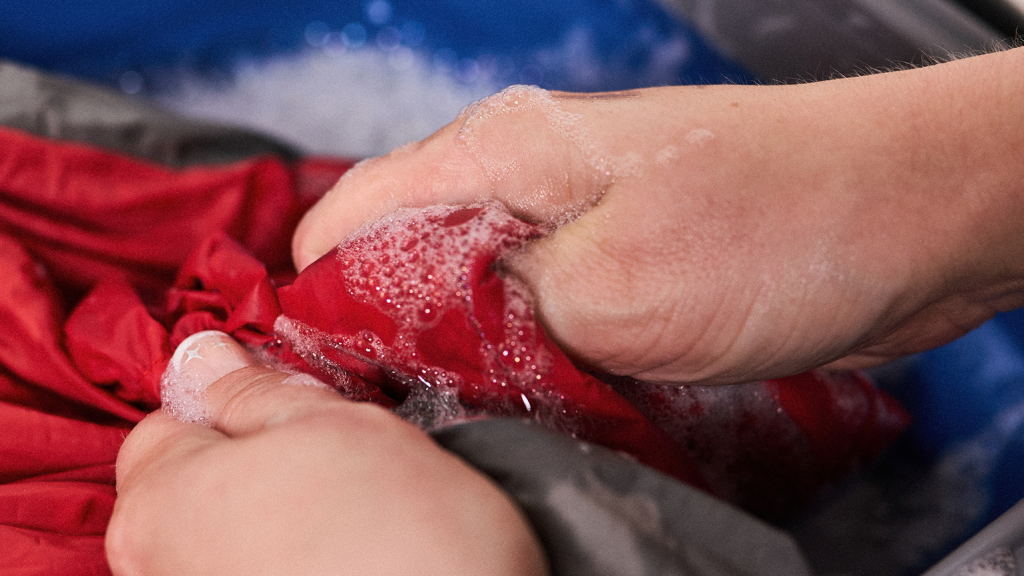
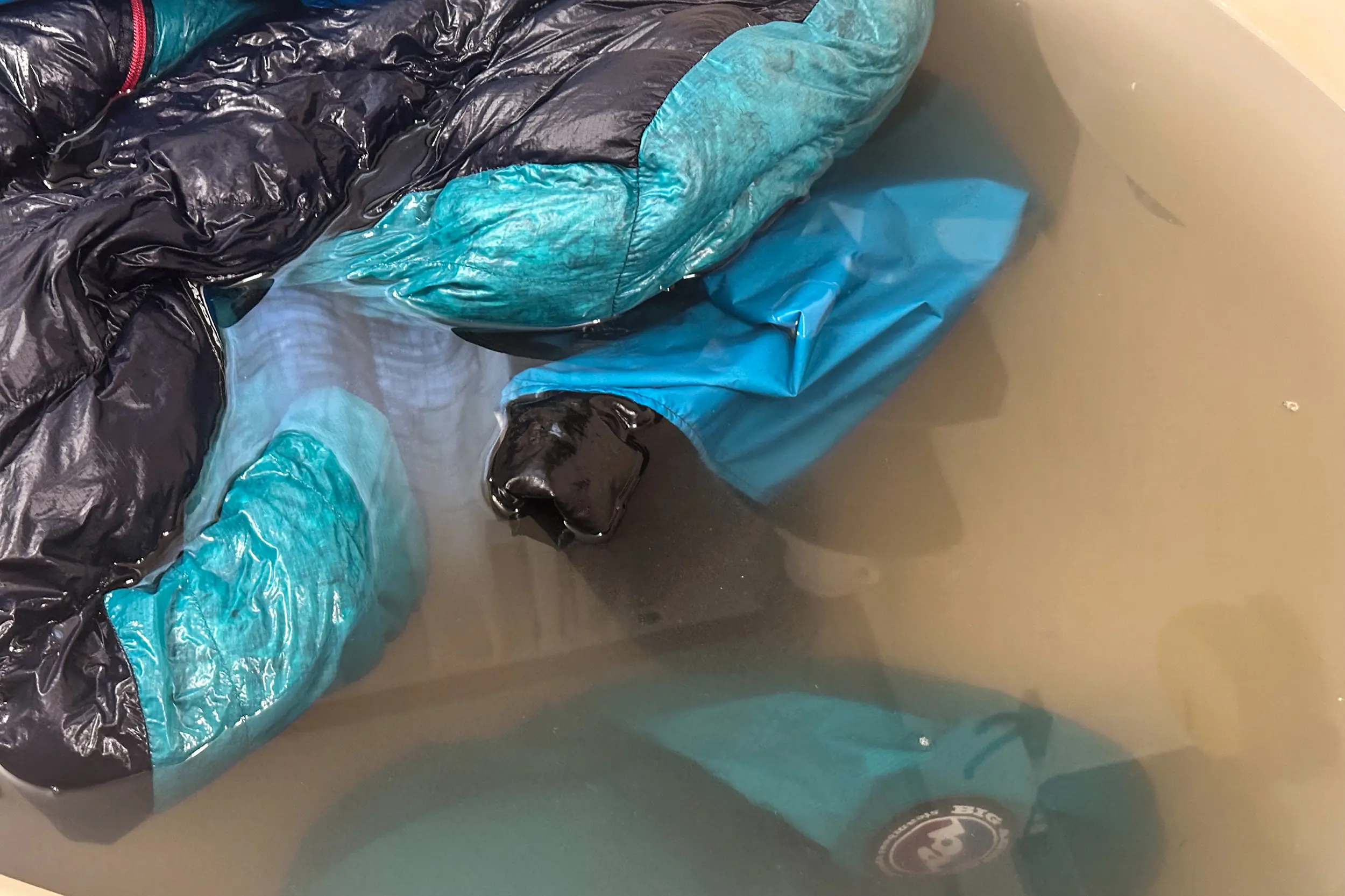
Hand washing gives you more control. It is best for delicate or old sleeping bags. Use a large tub or bathtub with mild water and detergent. Gently scrub and rinse well.
- Machine wash: quick, gentle cycle, cold water
- Hand wash: slow, careful, gentle scrubbing
- Use front-load machines to protect the bag
- Hand wash for delicate or vintage bags
Checking Care Labels
Always check the care label on your sleeping bag. It shows the best washing instructions. Follow these rules to keep your bag safe.
Labels tell you if the bag can be machine washed or must be hand washed. They also show the right water temperature and drying method.
- Look for washing symbols and instructions
- Note water temperature limits
- Check if dry cleaning is recommended
- Follow drying instructions carefully
Selecting Suitable Detergents
Choose detergents made for outdoor gear or delicate fabrics. Regular detergents can harm the insulation and fabric of your bag.
Use small amounts of detergent. Avoid bleach and fabric softeners. These can damage water-resistant coatings and reduce warmth.
- Use gentle, non-detergent soap or special gear cleaners
- Avoid bleach and fabric softeners
- Use only a small amount of detergent
- Rinse well to remove all soap
Credit: gearjunkie.com
Preparing Your Sleeping Bag
Cleaning your sleeping bag starts with good preparation. Taking time before washing helps protect its materials. It also keeps the bag in good shape for future use.
Follow simple steps to get your sleeping bag ready. This makes cleaning easier and more effective.
Removing Loose Dirt And Debris
Begin by shaking the sleeping bag outside to remove loose dirt. This clears dust, leaves, and small particles from the surface.
You can also use a soft brush to gently sweep away dirt. Avoid harsh scrubbing to protect the fabric.
Spot Treating Stains
Check your sleeping bag for any stains before washing. Use a mild soap or stain remover made for delicate fabrics.
Apply the cleaner gently with a soft cloth or sponge. Dab the stain without rubbing hard to avoid damage.
- Use cold water with mild soap
- Test cleaner on a small hidden area first
- Let it sit for a few minutes before washing
Unzipping And Securing
Fully unzip your sleeping bag before cleaning. This helps water and detergent reach all inside layers.
Secure any Velcro or straps to prevent them from catching or tearing the fabric. This keeps your bag safe during washing.
Washing The Sleeping Bag
Cleaning your sleeping bag keeps it fresh and extends its life. Washing removes dirt, sweat, and odors.
Use the right washing method to protect the bag’s insulation and fabric.
Setting The Washer Correctly
Choose a front-loading washer if possible. Top loaders with agitators can damage the bag.
Use cold water to prevent shrinking or fabric damage. Hot water can harm insulation.
- Use a gentle detergent made for delicate fabrics
- Do not use bleach or fabric softeners
- Wash the bag alone to avoid friction
Gentle Cycle Tips
Set the washer to a gentle or delicate cycle. This reduces stress on the sleeping bag.
Choose a slow spin speed to keep the insulation safe. Too fast can clump the filling.
- Pause the cycle to check the bag for tangles
- Use extra rinse cycles to remove all soap
- Keep the washing time short to avoid damage
Avoiding Fabric Damage
Do not wring or twist the sleeping bag. This can tear the fabric or break insulation.
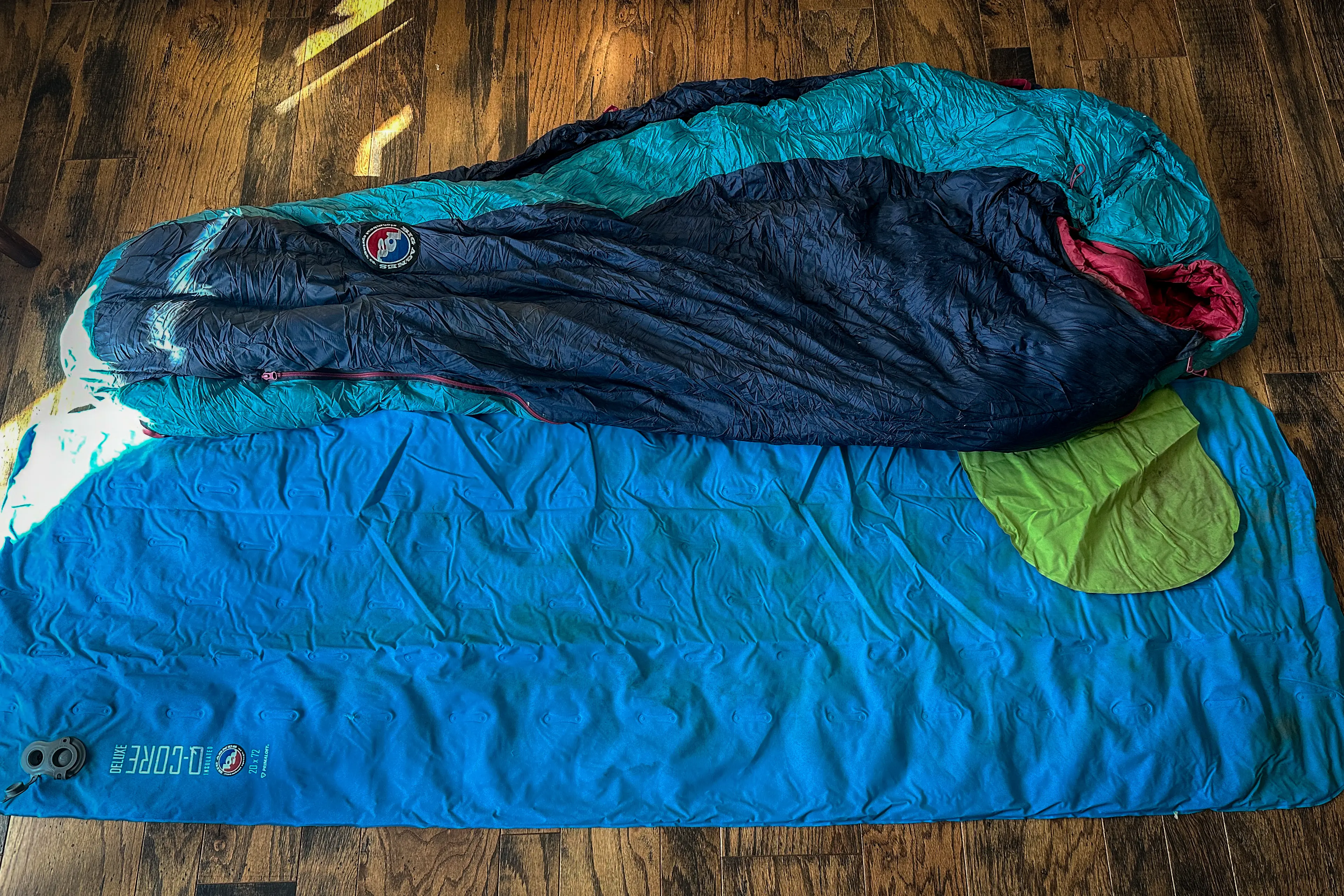
Dry the bag flat or hang it in a shaded area. Avoid direct sunlight to prevent fading.
- Use a large dryer with low heat if machine drying
- Add clean tennis balls to the dryer to fluff insulation
- Store the bag loosely to keep its shape
Credit: gearjunkie.com
Drying Techniques
Drying your sleeping bag correctly helps keep it fresh and lasts longer. Choosing the right drying method matters for safety and quality.
This guide explains air drying and tumble drying. It also shows how dryer balls help and how to avoid mold and mildew.
Air Drying Vs Tumble Drying
Air drying is gentle and safe for most sleeping bags. Tumble drying uses heat and can speed up drying but may harm some materials.
- Air Drying:Hang your sleeping bag outside or indoors in a dry place.
- Tumble Drying:Use a low heat setting and check the care label first.
- Dry Time:Air drying takes longer but keeps insulation safe.
- Material Care:Tumble drying can damage down or synthetic fills if too hot.
Using Dryer Balls
Dryer balls help fluff your sleeping bag in the dryer. They improve air flow and reduce drying time.
| Dryer Ball Benefit | Effect on Sleeping Bag |
|---|---|
| Increases air circulation | Dries bag evenly |
| Separates filling | Prevents clumps |
| Reduces drying time | Saves energy and time |
| Softens insulation | Keeps bag fluffy |
Preventing Mold And Mildew
Keeping your sleeping bag dry and clean stops mold and mildew. These fungi damage fabric and smell bad.
- Dry your bag fully before storing it.
- Store in a cool, dry place with good air flow.
- Avoid packing wet or damp bags in tight spaces.
- Use breathable storage sacks, not plastic bags.
- Check your bag for damp spots before use.
Storing For Longevity
Proper storage helps your sleeping bag last many years. It keeps the insulation safe and maintains warmth.
Store your sleeping bag correctly to avoid damage and keep it fresh for your next trip.
Proper Folding And Packing
Fold your sleeping bag loosely to keep its shape. Avoid tight folds that can crush the insulation.
Rolling your sleeping bag gently is better than stuffing it into a small space. This reduces stress on the fabric.
- Lay the sleeping bag flat before folding
- Fold it in half or thirds loosely
- Roll gently without squeezing
- Do not use sharp creases
Using Storage Sacks
Use a large, breathable storage sack to keep your sleeping bag safe. Avoid tight compression sacks for storage.
Storage sacks protect from dust and moisture but let air flow. This prevents mold and bad smells.
- Choose a cotton or mesh storage sack
- Keep the bag dry before storing
- Store in a cool, dry place
- Remove the sleeping bag from its compression sack after trips
Avoiding Compression Damage
Do not store your sleeping bag tightly compressed for long times. Compression damages the insulation and reduces loft.
Keep the bag loose to preserve its warmth and softness. Compression is only for travel, not storage.
- Use compression sacks only for short trips
- Remove the bag from compression sack after use
- Store the sleeping bag in a large sack or hang it loosely
- Check the bag regularly for shape and loft
Regular Maintenance Tips
Keeping your sleeping bag clean helps it last longer and stay comfortable. Regular care stops dirt and smells from building up.
Use simple methods between deep washes to keep your bag fresh and ready for your next trip.
Spot Cleaning Between Washes
Clean small stains or spots on your sleeping bag without washing the whole thing. This saves time and protects the insulation inside.
- Use a mild soap and warm water.
- Apply the soapy water with a soft cloth or sponge.
- Gently rub the stained area without soaking the bag.
- Rinse the cloth and wipe away soap residue.
- Let the bag air dry completely before storing.
Keeping The Bag Dry
Dryness protects your sleeping bag from mold and bad odors. Always dry your bag well after use or cleaning.
| Drying Tip | Details |
| Air Dry | Hang the bag in a shaded, well-ventilated area. |
| Use a Dryer | Set on low heat with clean tennis balls to fluff insulation. |
| Store Dry | Keep the bag loose in a breathable storage sack or hang it. |
Refreshing With Fabric Sprays
Fabric sprays help remove odors and keep your sleeping bag smelling fresh between washes. Use sprays made for delicate fabrics.
- Spray lightly on the inside and outside.
- Allow the bag to dry fully before packing.
- Test the spray on a small area first to avoid damage.

Credit: gearjunkie.com
Frequently Asked Questions
How Often Should You Clean A Sleeping Bag?
Clean your sleeping bag every 20-25 nights of use. Regular maintenance helps prevent dirt buildup and prolongs its lifespan. Spot clean as needed between full washes. Always follow the manufacturer’s care instructions to ensure you’re treating the materials properly. Proper cleaning ensures your bag remains warm and functional.
Can You Wash A Sleeping Bag In A Washing Machine?
Yes, you can wash most sleeping bags in a machine. Use a gentle cycle with cold water and mild detergent. Avoid fabric softeners and bleach. It’s crucial to check the care label for specific instructions. Tumble dry on low heat with tennis balls to fluff the insulation.
What Detergent Should You Use For Sleeping Bags?
Use a mild, non-detergent soap specifically designed for sleeping bags. Regular detergents can damage the insulation and fabric. Always avoid bleach and fabric softeners. Specialized cleaners maintain the loft and performance of the sleeping bag. Follow the manufacturer’s recommendations for the best results.
How Do You Dry A Sleeping Bag Properly?
Dry your sleeping bag in a large dryer on low heat. Add tennis balls to prevent clumping and restore loft. It may take several hours to dry completely. Ensure the bag is thoroughly dry before storing to prevent mold and mildew.
Air drying is an alternative if a dryer isn’t available.
Conclusion
Cleaning your sleeping bag keeps it fresh and lasts longer. Use gentle soap and cold water to protect the fabric. Dry it fully to avoid mold and bad smells. Store it loosely in a dry place. Regular care helps your sleeping bag stay comfy and ready for every trip.
Simple steps make a big difference in its life. Keep it clean, and enjoy your adventures more.