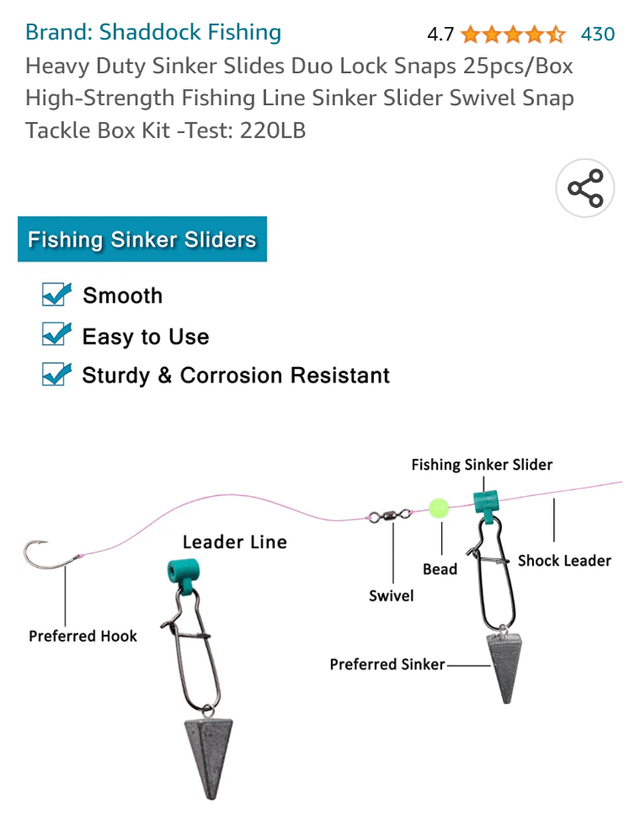
Choosing the right fishing line can make or break your fishing experience. You want a line that’s strong, reliable, and fits the type of fish you’re after.
But with so many options out there, how do you know which one is best for you? You’ll discover exactly what fishing line to use for different situations. By the end, you’ll feel confident and ready to catch more fish than ever before.
Keep reading—your next big catch depends on it!

Credit: www.reddit.com
Types Of Fishing Lines
Choosing the right fishing line is key for a good fishing experience. Different lines work better for different fishing styles and conditions.
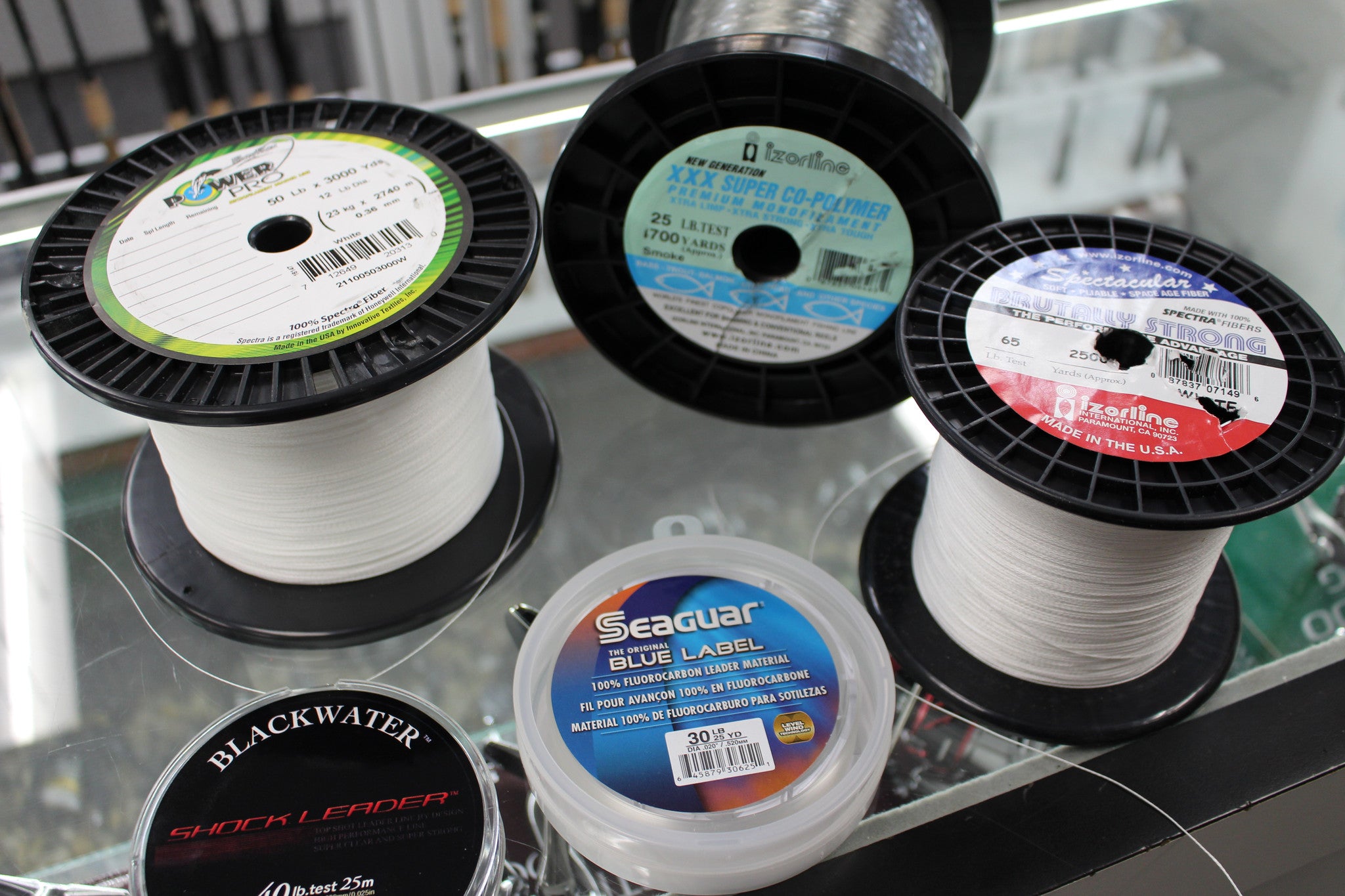
Here are the main types of fishing lines you can use. Each has its own features and uses.
Monofilament Line
Monofilament line is made from a single strand of nylon. It is the most common type of fishing line.
This line is easy to handle and stretchable. It works well for beginners and many fishing situations.
- Good stretch helps absorb fish strikes
- Affordable and widely available
- Visible in water, so use clear colors for better stealth
Fluorocarbon Line
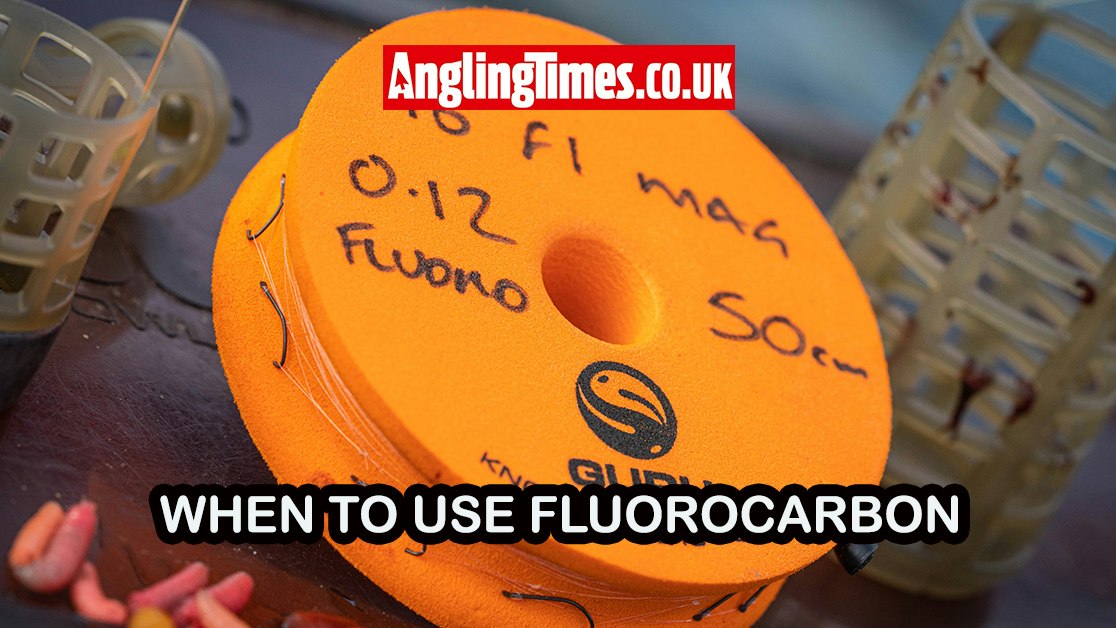
Fluorocarbon line is made from a special plastic that sinks faster than monofilament. It is nearly invisible underwater.
This line is strong and resists abrasion. It works well for clear water and fish that are easily scared.
- Low visibility in water
- Good for fishing near rocks and weeds
- Less stretch than monofilament
Braided Line
Braided line is made by weaving many fibers together. It is very strong and thin compared to other lines.
This line has almost no stretch and is very sensitive. It is good for deep water and heavy cover fishing.
- High strength with small diameter
- Very little stretch for better bite detection
- Visible in water, so use a leader for clear water
Specialty Lines
Specialty lines include lines made for specific uses. Examples are fly fishing lines and copolymer lines.
These lines offer unique benefits for certain fishing styles. They may have special coatings or blends.
- Fly lines are heavy and float or sink depending on design
- Copolymer lines combine nylon and other materials for strength
- Tinsel lines have shiny fibers to attract fish
Credit: tackleexpress.com
Choosing Line Strength
Picking the right fishing line strength is key to a good fishing trip. The line strength must fit the fish you want to catch.
Too weak a line may break, and too strong a line can reduce your bait’s natural movement.
Pound Test Ratings
Pound test ratings show how much weight a line can hold before breaking. This is the main way to pick the right fishing line.
Choose a line with a pound test that matches the size of fish you expect to catch. Stronger lines have higher pound tests.
- Light lines: 2-6 pounds for small fish
- Medium lines: 8-15 pounds for medium fish
- Heavy lines: 20 pounds and up for large fish
Matching Line To Fish Size
Match the line strength to the fish size. Small fish need lighter lines. Big fish need stronger lines.
Using the right line helps you catch fish without losing your bait or line.
- Small fish like trout or panfish: 2-6 pound test
- Medium fish like bass or walleye: 8-15 pound test
- Large fish like pike or catfish: 20-30 pound test or more
Considering Rod And Reel Compatibility
Your rod and reel also affect line choice. Each rod and reel has a limit for line strength and weight.
Check your rod and reel specs. Use line strength within those limits to avoid damage and improve performance.
- Light rods and reels work best with light lines (2-6 pounds)
- Medium rods and reels match medium lines (8-15 pounds)
- Heavy rods and reels fit heavy lines (20 pounds and above)
Factors Affecting Line Selection
Choosing the right fishing line is important for a good catch. Many factors affect which line works best. Knowing these helps you fish better.
Line selection depends on water, technique, fish type, and weather. Each factor changes what line you should use.
Water Conditions
Water clarity and depth affect line choice. Clear water needs thin, less visible lines. Murky water allows thicker, stronger lines. Saltwater is rougher on lines than freshwater.
Fishing Techniques
Different techniques use different lines. Spinning needs flexible lines. Trolling uses strong, abrasion-resistant lines. Fly fishing requires thin, light lines for casting.
- Spinning: Use monofilament or fluorocarbon lines
- Trolling: Use braided or heavy monofilament lines
- Fly fishing: Use specialized fly lines with light leaders
- Baitcasting: Use low-stretch braided lines
Target Species
Size and strength of fish guide line strength. Small fish need lighter lines for better feel. Big fish need heavy lines to avoid breaks.
| Fish Type | Recommended Line Strength |
| Trout | 2-6 lb test |
| Bass | 8-12 lb test |
| Catfish | 15-30 lb test |
| Saltwater Game Fish | 30-80 lb test |
Weather And Environment
Weather affects line choice. Hot sun can weaken some lines. Cold weather may stiffen lines. Windy conditions call for stronger lines to control casting.
Consider these tips:
- Use fluorocarbon in clear, sunny weather.
- Choose braided lines for windy days.
- Check line condition after rain or storms.
Line Diameter And Visibility
Choosing the right fishing line depends on its diameter and visibility. These factors affect how well you cast and how fish see the line underwater.
Smaller diameter lines often have less visibility but may sacrifice strength. Larger lines are stronger but can be seen more easily by fish.
Impact On Casting Distance
Thinner lines reduce air resistance and let you cast farther. Thicker lines create more drag and shorten casting distance.
- Thin lines allow smoother casting through guides.
- Thicker lines increase friction and reduce distance.
- Line material also affects casting performance.
- Choose diameter based on your casting needs.
Underwater Camouflage
Visibility of fishing line underwater is key to not scaring fish. Clear or low-visibility lines blend better in water.
| Line Type | Visibility Underwater | Typical Diameter Range (inches) |
| Monofilament | Medium | 0.008 – 0.030 |
| Fluorocarbon | Low | 0.010 – 0.035 |
| Braid | High | 0.005 – 0.020 |
Abrasion Resistance
Thicker lines usually resist abrasion better. Abrasion resistance protects the line from rocks and sharp objects.
- Braided lines have high abrasion resistance despite small diameter.
- Fluorocarbon lines resist wear well but are usually thicker.
- Monofilament is less resistant but stretches to absorb shock.
- Match line choice to fishing environment for best results.
Line Stretch And Sensitivity
Choosing the right fishing line is important for a good fishing experience. Two key factors to consider are line stretch and sensitivity.
Line stretch affects how the line reacts to fish bites. Sensitivity helps you feel every movement underwater.
Advantages Of Stretch
Stretch allows the line to absorb shocks from strong fish. It helps prevent the line from breaking during a fight.
Lines with stretch are easier on fishing gear and your rod. They reduce the chance of sudden breaks when a fish pulls hard.
- Absorbs sudden pulls
- Protects rod and reel
- Good for fighting big fish
- Reduces line breakage
Benefits Of Sensitivity
Sensitivity helps you feel light bites and small movements. It makes it easier to know when a fish is on the line.
Lines with low stretch give better feedback through the rod. This helps you react quickly and set the hook at the right time.
- Detects light bites
- Improves hook setting
- Offers better control
- Helps in clear water fishing
Balancing Both For Performance
Choosing a line means balancing stretch and sensitivity. A line with some stretch protects gear and still lets you feel bites.
Consider the type of fish and fishing style. Use more stretch for big, strong fish. Use less stretch for light bites in clear water.
- Match line stretch to fish size
- Choose sensitivity for fishing style
- Use moderate stretch for general fishing
- Test different lines to find the best fit
Credit: www.anglingtimes.co.uk
Maintenance And Storage Tips
Using the right fishing line means taking good care of it. Proper maintenance and storage help your line last longer and work better.
Learn how to avoid damage, store your line correctly, and know when to replace it for the best fishing experience.
Preventing Line Damage
Fishing lines can break or weaken if not handled carefully. Keep your line strong by protecting it from sharp objects and rough surfaces.
- Check your line for nicks or cuts before each use
- Use a line conditioner to keep it flexible
- Avoid dragging the line over rocks or branches
- Do not expose the line to direct sunlight for long periods
- Rinse your line with fresh water after saltwater fishing
Proper Storage Methods
Store your fishing line where it stays dry and cool. This helps prevent damage from heat and moisture.
| Storage Tip | Reason |
|---|---|
| Keep line away from sunlight | Sunlight weakens the line fibers |
| Store in a sealed container | Prevents moisture and dust buildup |
| Avoid tight winding | Prevents line from stretching or deforming |
| Use original spool or spool holder | Keeps line organized and untangled |
When To Replace Your Line
Knowing when to replace your fishing line saves you from losing fish. Look for signs that your line is worn or weak.
- Visible frays or cuts on the line
- Line feels stiff or brittle
- Line has stretched after heavy use
- Line loses strength after exposure to sunlight
- Line has been on the spool for over a year
Budget-friendly Vs Premium Lines
Choosing the right fishing line affects your fishing success. You can pick budget-friendly lines or premium ones. Each type has pros and cons.
This guide compares cost, durability, and value for different anglers. It helps you decide which fishing line suits your needs and budget.
Cost Vs Performance
Budget-friendly lines cost less but may not perform like premium lines. Premium lines offer smoother casts and better strength. The choice depends on your fishing style and how often you fish.
- Budget lines suit casual anglers or beginners.
- Premium lines help experienced anglers catch bigger fish.
- Premium lines often resist knots and abrasions better.
- Budget lines may break easier under strain.
Durability And Lifespan
Premium fishing lines last longer and keep their strength over time. Budget-friendly lines wear out faster and may need frequent replacement.
| Feature | Budget-Friendly Line | Premium Line |
|---|---|---|
| Typical Price | Low | High |
| Durability | Moderate to Low | High |
| Resistance to Abrasion | Low | High |
| Lifespan | Short | Long |
Value For Different Anglers
Different anglers benefit from different fishing lines. Your budget, fishing frequency, and target fish size matter. Here is a simple guide to match lines with angler needs.
- Beginners:Budget lines save money and work well for light fishing.
- Casual anglers:Mid-range lines balance cost and performance.
- Serious anglers:Premium lines give better control and durability.
- Big game fishers:Premium lines handle heavy loads and rough conditions.
Tips For Matching Line With Lures And Baits
Choosing the right fishing line improves your catch chances. Match your line to the lure or bait you use.
Different baits need different line types and strengths to work well in the water.
Line Selection For Soft Baits
Soft baits like worms or grubs need a line that lets them move naturally. A light, flexible line works best.
- Use fluorocarbon or light monofilament lines
- Choose line with low memory to avoid tangles
- Pick line strength that matches the size of the bait
- Thin lines help soft baits look more lifelike
Line Selection For Hard Baits
Hard baits like crankbaits or spoons need stronger, more durable lines. These lines handle rough water and strikes well.
| Type of Hard Bait | Recommended Line | Line Strength |
| Crankbaits | Monofilament | 10-15 lb |
| Spoons | Braided | 15-20 lb |
| Topwater Lures | Fluorocarbon | 8-12 lb |
Adjusting Line For Different Lure Actions
Lure action changes how fish see your bait. Adjust line type and strength to match this action.
Use this guide to adjust your fishing line:
- Fast action lures:Use stiff braided line for better hook sets.
- Slow action lures:Use flexible monofilament to allow natural movement.
- Topwater lures:Use clear fluorocarbon to reduce visibility.
- Heavy cover fishing:Choose strong braided line to resist abrasion.
Frequently Asked Questions
What Is The Best Fishing Line For Beginners?
Monofilament is ideal for beginners due to its versatility and affordability. It is easy to handle and knots well. Monofilament is perfect for various fishing techniques and environments. Its stretchability helps absorb shock, making it forgiving for new anglers.
How To Choose The Right Fishing Line Type?
Consider the fishing environment, target species, and technique. Monofilament suits general use, while fluorocarbon is nearly invisible underwater. Braided lines are strong and sensitive, ideal for heavy cover. Match the line to your fishing style for the best results.
Is Fluorocarbon Better Than Monofilament?
Fluorocarbon is more abrasion-resistant and virtually invisible underwater compared to monofilament. It sinks faster, making it suitable for deep-water fishing. However, it is usually stiffer and costlier than monofilament. Choose based on your fishing conditions and budget.
Why Use Braided Fishing Line?
Braided lines offer high strength and low stretch, providing excellent sensitivity. They are perfect for heavy cover and deep-sea fishing. Braided lines have a smaller diameter, allowing more line on the reel. They are durable but can be more visible to fish.
Conclusion
Choosing the right fishing line makes a big difference in your catch. Consider the type of fish, water, and your gear. Monofilament is good for beginners and easy casting. Braided lines offer strength and durability. Fluorocarbon works well when you need invisibility underwater.
Match the line to your fishing style for best results. Test different lines to see what feels right. Enjoy fishing more with the proper line on your reel. Keep it simple, and fish smart.