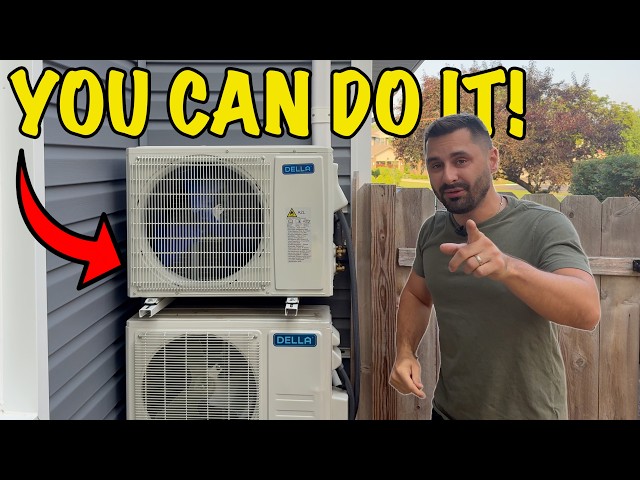
Are you tired of high energy bills and uncomfortable rooms? A ductless air conditioner might be the perfect solution for your home.
Imagine cooling your space efficiently without the hassle of complicated ductwork or expensive installation fees. In this guide, you’ll discover how to install your own ductless air conditioner step-by-step, saving money and gaining control over your comfort. Keep reading to unlock simple tips and tricks that make this project easier than you think—your cool, cozy space is just a few steps away.
Benefits Of Ductless Air Conditioners
Ductless air conditionersuse less energy than traditional systems. They cool only the rooms you use. This saves power and lowers bills.
Costs go down because there is no need for ducts. Installation is simpler and cheaper. Maintenance is easier too. This leads to long-term savings.
- Flexible installationfits many room types.
- Indoor units can be placed on walls or ceilings.
- No need for large ductwork or remodeling.
- Ideal for homes without existing ducts.

Credit: apexelectricmechanical.ca
Choosing The Right Unit
Choosing the right ductless air conditioner means knowing your room size. Measure the room’s length and width to get the square footage. This helps find a unit with the right cooling power. Too small will not cool well. Too big wastes energy and money.
| Room Size (sq ft) | Recommended BTU |
|---|---|
| Up to 300 | 6,000 BTU |
| 300 to 500 | 8,000 – 12,000 BTU |
| 500 to 800 | 14,000 – 18,000 BTU |
| 800 to 1,200 | 21,000 – 24,000 BTU |
Ductless systems come in types like single-zone and multi-zone. Single-zone cools one room. Multi-zone cools several rooms with one outdoor unit. Choose based on how many rooms need cooling.
- Energy efficiency:Look for high SEER ratings.
- Noise level:Quieter units are better for bedrooms.
- Heating option:Some units also provide heat.
- Remote control:Convenience to adjust settings easily.
- Installation ease:Some units are simpler to install yourself.
Tools And Materials Needed
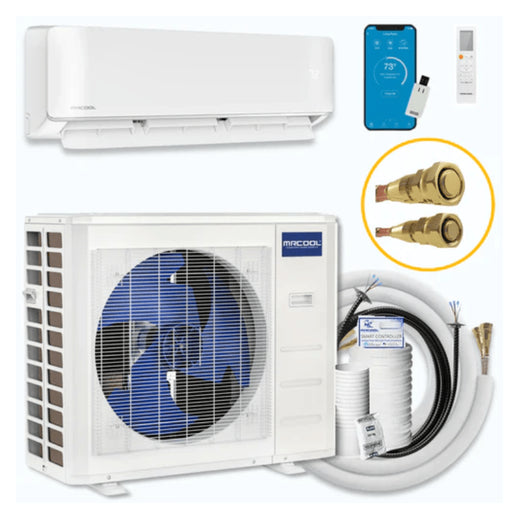
Basic tools help make the installation easier and safer. You will need a drillfor holes, a screwdriverto fix parts, and a levelto keep things straight. A measuring tapehelps with precise cuts and placements. A hole sawis useful for making clean openings in walls.
| Installation Kit Components | Description |
|---|---|
| Wall Sleeve | Protects and supports the unit through the wall opening. |
| Mounting Bracket | Holds the indoor unit firmly in place. |
| Drain Hose | Allows water to flow out safely. |
| Refrigerant Tubing | Connects indoor and outdoor units for cooling. |
| Electrical Wiring | Supplies power to the air conditioner. |
Safety gear is very important. Wear glovesto protect your hands. Use safety glassesto guard your eyes from dust and debris. A dust maskkeeps you safe from breathing in particles. Closed-toe shoes help avoid foot injuries. Take care with all tools and equipment.
Credit: shopsolarkits.com
Preparing For Installation
Choose a spot for the ductless air conditioner that is near an outside wall. This helps with easy installation of the outdoor unit. Make sure the indoor unit is placed where air can flow freely. Avoid areas with direct sunlight or heat sources.
Check the power supply in your home before installation. The unit needs a dedicated circuit with the right voltage and amperage. Use a voltage tester to confirm the electrical panel can handle the load safely.
Clear the installation area from furniture and decorations. You need space to work and to prevent damage. Keep children and pets away during installation for safety. Clean the wall and floor to ensure a smooth setup process.
Step-by-step Installation Guide
Choose a sturdy wall to mount the indoor unit. Use the mounting plate as a guide to mark drill holes. Drill the holes carefully, then fix the plate securely with screws. Make sure the unit is level to avoid water leaks. Leave enough space around the unit for air flow and easy maintenance.
Place the outdoor uniton a flat, stable surface outside. Avoid direct sunlight and heavy wind areas. Use a bracket or stand to keep it off the ground. Secure the unit with bolts to prevent movement during storms or vibrations.
Connect the refrigerant linesbetween indoor and outdoor units. Use insulated copper pipes to prevent energy loss. Tighten flare nuts by hand first, then with a wrench. Avoid over-tightening to prevent leaks. Check for any bends or kinks in the lines.
Turn off the main power before starting the electrical wiring. Follow the wiring diagram provided by the manufacturer. Connect the wires carefully to the terminals. Use wire nuts and electrical tape to secure connections. Double-check all wires for tightness and correct placement.
Switch on the power and test the system. Set the temperature control to cooling mode. Listen for unusual noises and check for proper airflow. Look for any water leaks around the indoor unit. Use a gauge to measure refrigerant pressure if available.
Troubleshooting Common Issues
Leaks in ductless air conditioners often come from poor seals around the unit. Check all joints and connections for gaps. Use weatherproof tape or sealant to close any openings. Ensure the drain line is clear to prevent water leaks.
Electrical problems can cause the unit to stop working or behave oddly. Inspect the power cord and plug for damage. Reset the circuit breaker if the unit won’t start. Faulty wiring inside the unit may need a professional check.
Performance issues like weak cooling or strange noises can have many causes. Clean or replace air filters regularly. Check the outdoor unit for dirt or debris blocking airflow. Make sure the thermostat is set correctly and batteries are fresh.
Maintaining Your System
Keeping your ductless air conditioner clean helps it work well. Dust and dirt can block the airflow. Clean the filters often to stop dust build-up. Filters catch dust and germs, so clean ones mean better air.
Replacing filters regularly keeps the system fresh. Old filters slow down the air and use more energy. Check the filter every month and change it if dirty.
| Task | Frequency | What to Do |
|---|---|---|
| Filter Cleaning | Every 2 weeks | Remove and wash filters with water. Let dry before putting back. |
| Filter Replacement | Every 3 months | Replace old filters with new ones for best air quality. |
| Seasonal Checkup | Before summer and winter | Check system for leaks, clean coils, and test performance. |

Credit: hsheatpumps.ca
Maximizing Energy Savings
Setting the thermostatbetween 75°F and 78°F helps save energy. Avoid setting it too low. Use the timerto turn the unit off during cooler times. Sensors can detect room activity and adjust cooling automatically. This saves electricity without losing comfort.
- Keep doors and windows closed to keep cool air inside.
- Use fans to help spread cool air faster.
- Block direct sunlight with curtains or blinds.
- Regularly clean filters for better airflow.
Frequently Asked Questions
What Is A Ductless Air Conditioner?
A ductless air conditioner, or mini-split, is an efficient cooling system. It doesn’t require ductwork, making it versatile for various spaces. It consists of an outdoor compressor and indoor units. This system provides targeted cooling, reducing energy consumption. It’s ideal for homes without existing ductwork.
How Does A Ductless Air Conditioner Work?
A ductless air conditioner works by using a compressor and indoor units. The compressor circulates refrigerant through the system. Indoor units blow cooled air into the room. This process efficiently cools specific areas. It avoids energy loss associated with ducts, making it energy-efficient.
Can I Install A Ductless Ac Myself?
Yes, you can install a ductless AC yourself, with some technical know-how. Follow the manufacturer’s instructions carefully. You’ll need basic tools and safety precautions. Ensure proper placement for optimal cooling. However, professional installation ensures the best performance and warranty adherence.
What Are The Benefits Of Ductless Ac?
Ductless AC systems offer energy efficiency and flexibility. They allow for zoned cooling, reducing energy waste. Installation is simpler and less invasive than traditional systems. They improve indoor air quality by eliminating duct pollutants. Their quiet operation enhances comfort in your home.
Conclusion
Installing a ductless air conditioner yourself saves money and time. It is a simple process if you follow steps carefully. You can enjoy cool air without waiting for a technician. Just prepare the tools and read instructions well. Taking your time helps avoid mistakes and keeps the unit working well.
DIY projects build confidence and skill. Stay safe and ask for help if needed. Now, you can keep your home comfortable with your own effort. Easy, effective, and satisfying.