When you’re setting up your tent, you want to protect it and make your camping experience better. That’s where a tent footprint comes in.
But what exactly is a tent footprint used for, and why should you care? If you’ve ever wondered how to keep your tent floor safe from sharp rocks, dirt, and moisture, this simple accessory could be a game-changer for you.
Keep reading, and you’ll discover how a tent footprint can save you time, money, and frustration on your next outdoor adventure.
Credit: www.cleverhiker.com
Purpose Of A Tent Footprint
A tent footprint is a thin sheet placed under your tent. It protects the tent floor from damage.
Using a footprint helps keep your tent clean and dry. It also adds comfort during camping trips.
Protecting Tent Floor
The main use of a tent footprint is to shield the tent floor from sharp rocks and sticks. This prevents holes and tears that can ruin your tent.
- Blocks moisture from the ground
- Stops dirt and mud from sticking to the tent floor
- Reduces wear and tear from rough surfaces
Extending Tent Life
A footprint helps your tent last longer by protecting it from damage. It reduces the need for repairs or replacements.
| Benefit | How It Helps |
| Protection | Prevents holes and tears |
| Cleanliness | Keeps tent floor clean |
| Durability | Reduces wear from rough ground |
Enhancing Comfort
The footprint adds a small layer of padding between you and the ground. It helps keep the tent floor dry and smooth.
- Provides a clean surface to set up the tent
- Reduces cold and dampness from the ground
- Makes the tent floor feel softer underfoot
Materials And Types
Tent footprints protect the bottom of your tent from damage. They also keep moisture away and extend the tent’s life. Different materials offer various levels of durability and weight.
There are two main types of footprints: custom and universal. Each type fits different needs and tents. Choosing the right one depends on your tent and outdoor conditions.
Common Materials Used
Tent footprints come in several materials. Each material has unique features for weight, strength, and water resistance. Here are common materials used for footprints:
- Polyethylene:Heavy but very durable and waterproof.
- Ripstop Nylon:Lightweight, tear-resistant, and often coated for water resistance.
- Polyester:Strong and UV resistant, good for long trips.
- Silnylon:Silicone-coated nylon, very light and waterproof.
Custom Vs Universal Footprints
Custom footprints match the exact shape of your tent. They give full coverage and protect vulnerable parts. Universal footprints are generic shapes. They fit many tents but may not cover every part perfectly.
| Type | Advantages | Disadvantages |
| Custom Footprint | Exact fit, better protection, less material overlap | Usually more expensive, fits only one tent model |
| Universal Footprint | More affordable, fits many tents | May not cover all areas, extra weight from overlap |
Choosing The Right Footprint
A tent footprint is a protective layer placed under your tent. It shields the tent floor from damage and dirt. Picking the right footprint is important for comfort and tent care.
This guide helps you choose a footprint that fits your tent and outdoor needs.
Matching Tent Size And Shape
Choose a footprint that matches the size and shape of your tent. It should cover the tent floor completely without sticking out. A footprint too big can collect water and cause wetness.
- Measure your tent’s floor length and width before buying.
- Look for footprints designed for your tent model.
- Square tents need square or rectangular footprints.
- For dome tents, rounded edges work best.
Considering Terrain And Weather
Think about the ground where you will camp. Rocky or rough terrain needs a tougher footprint material. Wet or muddy areas require waterproof and quick-drying fabrics.
| Terrain Type | Recommended Footprint Material | Key Feature |
| Rocky ground | Heavy-duty nylon or polyester | Durability and tear resistance |
| Wet or muddy areas | Waterproof coated fabrics | Water resistance and quick drying |
| Grass or soft soil | Lightweight nylon | Comfort and ease of cleaning |
Weight And Packability
Footprints add weight to your pack. If you hike long distances, choose a lightweight footprint. Packability also matters if space is limited.
- Look for thin but durable materials like silnylon or silpoly.
- Check the packed size to fit your backpack.
- Balance weight with durability for your trip length.
Setting Up With A Footprint
A tent footprint is a groundsheet that goes under your tent. It protects the tent floor from rocks, dirt, and moisture.
Using a footprint helps keep your tent clean and dry. It also makes setting up easier and extends the tent’s life.
Placement Tips
Choose a flat and clear area for your footprint. Remove sharp rocks and sticks that can damage it.
Make sure the footprint matches your tent’s size. It should not stick out beyond the tent edges.
- Pick smooth, level ground
- Clear debris before placing the footprint
- Align footprint with tent shape and size
Securing The Footprint
Use stakes or tent pegs to hold the footprint in place. This stops it from moving during setup or windy weather.
Make sure the footprint is taut but not stretched too tight. This prevents wrinkles that can cause wear.
- Stake down all corners firmly
- Keep the footprint flat and smooth
- Check for movement after setup
Avoiding Common Mistakes
Do not place the footprint where water pools. This can cause leaks and dampness inside your tent.
Avoid letting the footprint extend beyond the tent edges. This can collect rainwater and damage the footprint.
- Do not use a footprint larger than your tent floor
- Remove sharp objects before placing it
- Keep the footprint dry and clean
Benefits Beyond Protection
A tent footprint is a groundsheet that lies under your tent. It helps keep the tent floor clean and dry.
Besides protecting from dirt and sharp objects, a footprint offers other useful benefits. These include better insulation, easier cleanup, and extra waterproofing.
Improved Insulation
A footprint adds a layer between the cold ground and your tent floor. This helps keep the inside warmer during cold nights.
It reduces heat loss through the tent floor, making your camping experience more comfortable.
Easier Cleanup
Using a footprint stops dirt and mud from sticking to your tent floor. It is easier to clean just the footprint instead of the whole tent.
After camping, you can shake off or hose down the footprint quickly. This saves time and effort in cleaning.
Additional Waterproofing
A footprint adds an extra layer to block water from seeping up into your tent. It helps keep the floor dry during rain or wet ground.
This extra waterproof barrier protects your gear and sleeping area from moisture damage and discomfort.

Credit: www.amazon.com
Care And Maintenance
A tent footprint protects your tent’s bottom from dirt and damage. Caring for it well makes it last longer. Proper care keeps it clean and ready for your next trip.
Simple steps help maintain your tent footprint. Cleaning, storing, and fixing small tears keep it strong and useful.
Cleaning Techniques
Cleaning your tent footprint removes dirt and prevents damage. Use gentle methods to avoid wear and tear.
Wash it by hand with mild soap and water. Avoid harsh chemicals or machine washing.
- Shake off loose dirt before washing
- Use a soft brush or cloth
- Rinse thoroughly to remove soap
- Air dry completely before storing
Storage Tips
Store your footprint in a dry, cool place to prevent mold and damage. Keep it away from direct sunlight.
Fold it loosely or roll it to avoid creases that weaken the fabric.
- Clean and dry before storing
- Use a breathable storage bag
- Keep away from sharp objects
- Check periodically for signs of damage
Repairing Damage
Small tears or holes reduce the footprint’s protection. Fix these early to stop them from getting worse.
Use repair tape or patches designed for outdoor gear. Clean the area before applying patches for a strong hold.
- Trim loose threads around the tear
- Apply patch on a dry, clean surface
- Press firmly and let it set
- Repeat repairs if needed for larger damage
Alternatives To Tent Footprints
Tent footprints protect the bottom of your tent from damage. They also help keep moisture out. But you can use other options if you don’t have a footprint.
These alternatives can save money and still protect your tent. Some are easy to make yourself. Others use common camping gear in new ways.
Diy Ground Sheets
You can create ground sheets from materials you already own. These sheets act like tent footprints. They stop sharp rocks and wet ground from hurting your tent floor.
- Use an old tarp cut to the size of your tent floor.
- Buy heavy-duty plastic sheeting from a hardware store.
- Use a thick blanket or foam pad under your tent.
- Layer leaves or pine needles to add cushioning and dryness.
Using Tarp Systems
Tarps are a flexible way to protect your tent. They can cover the ground or act as a rain shield. You can set them up in different ways to fit your campsite.
| Type of Tarp Setup | Description | Benefits |
| Full Ground Cover | Place tarp under the entire tent floor. | Protects from moisture and sharp objects. |
| Partial Ground Cover | Use tarp only under high-wear areas. | Reduces weight and bulk. |
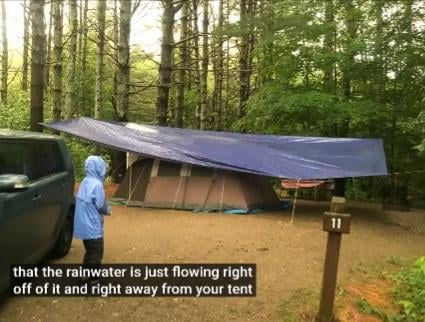
| Rain Fly Extension | Extend tarp beyond tent edges. | Keeps rainwater away from tent sides. |
| Elevated Shelter | Set tarp above tent with poles and ropes. | Provides shade and extra rain protection. |

Credit: www.coreequipment.com
Frequently Asked Questions
What Is A Tent Footprint?
A tent footprint is a protective groundsheet placed under your tent. It shields your tent floor from abrasions and moisture. It enhances your tent’s durability and provides an extra layer of insulation. It’s a simple accessory that can extend the life of your camping gear significantly.
Why Use A Tent Footprint?
Using a tent footprint offers several benefits. It reduces wear and tear on your tent floor. It keeps moisture at bay and adds an extra insulation layer. It’s an affordable way to prolong your tent’s lifespan and ensure a comfortable camping experience.
How Do You Choose The Right Tent Footprint?
Choose a footprint that matches your tent’s dimensions. Ensure it doesn’t extend beyond the tent’s edges. This prevents water from pooling between the footprint and tent. Consider material durability and weight for ease of transport. A well-fitted footprint enhances your tent’s performance.
Can A Tarp Replace A Tent Footprint?
A tarp can serve as a makeshift footprint but may lack a tailored fit. It might extend beyond the tent edges, allowing water to pool. Tarps are heavier and less durable than specialized footprints. For optimal protection and convenience, a tent footprint is recommended over a tarp.
Conclusion
A tent footprint protects your tent floor from damage and dirt. It helps keep your tent clean and dry inside. Using a footprint also makes setting up easier and faster. It adds a small layer of comfort under your feet.
Overall, a tent footprint is a useful item for camping. It saves money by extending your tent’s life. Simple to carry and quick to use. A smart choice for any camper.