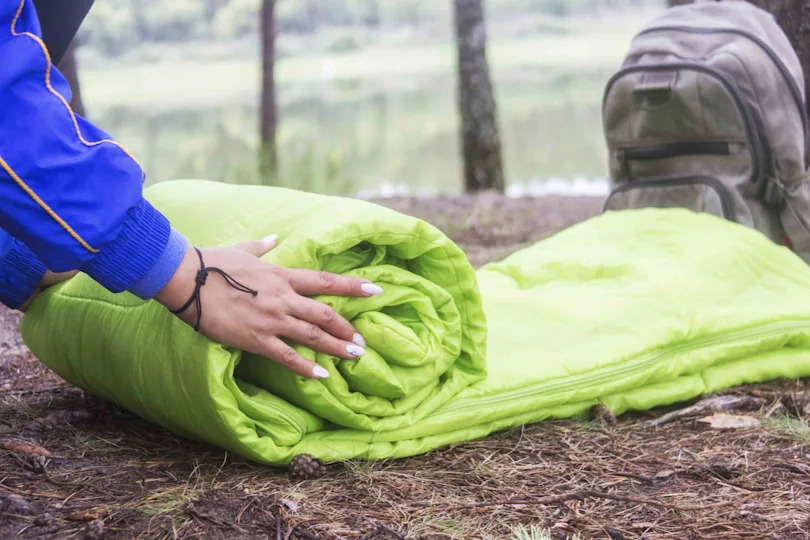
Have you ever wondered if you can toss your sleeping bag into the washing machine without ruining it? You want your gear clean and fresh, but the thought of damaging your sleeping bag keeps you hesitant.
Washing a sleeping bag isn’t as simple as laundry for your everyday clothes—it needs special care to stay warm and comfortable. You’ll discover the best way to clean your sleeping bag safely at home. Keep reading, because getting this right can extend the life of your sleeping bag and make every outdoor night cozier.

Credit: www.halfwayanywhere.com
Choosing The Right Washing Machine
Washing a sleeping bag in a washing machine needs care. Picking the right machine helps protect your sleeping bag. Not every washing machine works well for bulky gear.
This guide looks at the types of washing machines. It also covers how size affects washing your sleeping bag.
Front Load Vs Top Load
Front load washers use a tumbling action. This is gentle on fabrics and removes dirt well. They also use less water and energy. Top load washers use an agitator or impeller. They can be rough on large items like sleeping bags.
- Front load washers clean gently and thoroughly.
- Top load washers may damage delicate fabrics.
- Front loaders use less water and power.
- Top loaders can be faster for small loads.
Capacity Considerations
Capacity means how much your washing machine can hold. A sleeping bag is bulky and needs space. Using a machine that is too small may not clean well. It can also break the machine or damage the bag.
| Machine Type | Typical Capacity (lbs) | Best For Sleeping Bags |
| Compact Front Load | 10–12 | Small or lightweight bags |
| Standard Front Load | 15–20 | Most sleeping bags |
| Large Capacity Front Load | 20+ | Extra-large or heavy bags |
| Top Load with Agitator | 12–16 | Not recommended for sleeping bags |
| Top Load without Agitator | 14–18 | May work if large enough |
Preparing Your Sleeping Bag
Washing a sleeping bag in a machine needs care. Proper preparation helps keep the bag safe.
Follow simple steps before washing. This protects the fabric and filling inside the bag.
Check The Care Label
The care label has important washing instructions. It tells you if machine washing is safe.
Read the label carefully. It also shows the right water temperature and detergent type.
Remove Loose Dirt And Debris
Shake the sleeping bag outdoors to get rid of dirt. Brush off any mud or leaves.
Cleaning loose dirt first stops it from spreading in the washing machine.
- Take the bag outside and shake it well
- Use a soft brush to remove stuck dirt
- Spot clean stains before washing
Close Zippers And Straps
Zip up all zippers to avoid damage during washing. Open zippers can catch fabric.
Fasten straps and Velcro to keep them from tangling or breaking in the machine.
- Close zippers fully
- Secure all straps and Velcro
- Check for small parts that may come loose
Selecting The Best Detergent
Choosing the right detergent is key to cleaning your sleeping bag safely. A good detergent removes dirt without harming the fabric or insulation.
Some detergents can damage the sleeping bag’s materials. This guide will help you pick the safest option.
Avoid Harsh Chemicals
Harsh chemicals can break down the fabric and fill of your sleeping bag. Avoid detergents with bleach, fabric softeners, or strong enzymes.
- Check labels for no bleach or brighteners
- Skip detergents with fabric softeners
- Avoid strong enzyme cleaners that damage insulation
- Use mild, fragrance-free detergents
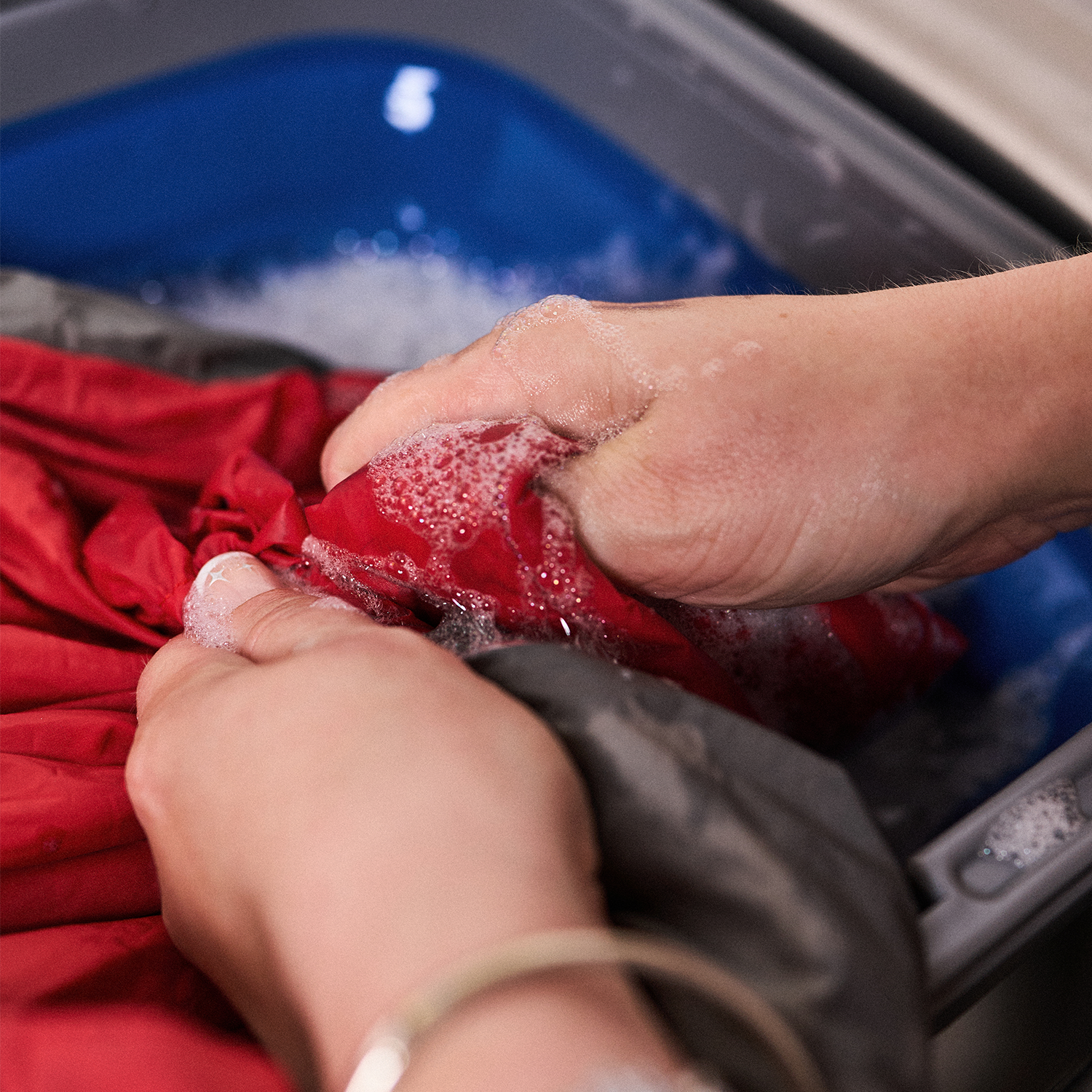
Use Specialized Cleaners
Specialized cleaners work well for sleeping bags. They clean gently and keep materials safe.
| Cleaner Type | Benefits |
| Down-specific detergents | Protect natural down insulation |
| Synthetic fabric cleaners | Maintain synthetic fill loft |
| Mild liquid detergents | Safe for most materials, easy rinsing |
| Eco-friendly formulas | Gentle on fabric and environment |
Credit: www.ellis-brigham.com
Washing Settings And Techniques
Cleaning a sleeping bag in a washing machine needs care. Using the right settings protects the fabric and insulation. This guide helps you choose the best washing settings and techniques.
Follow these tips to keep your sleeping bag fresh and in good shape after washing.
Gentle Cycle Recommendations
Always use the gentle or delicate cycle on your washing machine. This cycle uses slower agitation and less spinning. It helps prevent damage to the sleeping bag’s fabric and filling.
- Choose the gentle cycle option on your washer.
- Use a front-loading machine if possible.
- Avoid top-loaders with agitators to reduce wear.
- Limit the load size to avoid compressing the sleeping bag.
Water Temperature Tips
Cold or warm water works best for washing sleeping bags. Hot water can damage the fabric and insulation layers. It may also cause colors to fade.
| Water Temperature | Effect |
| Cold (30°C / 86°F) | Safest for all sleeping bags |
| Warm (up to 40°C / 104°F) | Good for synthetic bags, gentle on materials |
| Hot (above 40°C / 104°F) | Not recommended; may harm fabric and insulation |
Extra Rinses And Spin Cycles
Extra rinses help remove all detergent from the sleeping bag. Too much soap left behind can harm the fabric or cause stiffness. Use a slow spin cycle to avoid damage.
- Select an extra rinse option if your washer has one.
- Use a low-speed spin cycle to gently remove water.
- Stop the spin early if your sleeping bag feels over-compressed.
- Dry the bag thoroughly after washing to avoid mildew.
Drying Your Sleeping Bag
Drying your sleeping bag properly helps keep it warm and fluffy. It also stops bad smells and mold from forming.
Choose the best drying way to protect your sleeping bag’s material and fill. Let’s look at air drying and machine drying.
Air Drying Vs Machine Drying
Air drying is gentle and safe for your sleeping bag. It takes longer but keeps the materials in good shape.
Machine drying is faster and can make the bag fluffy again. But it may cause damage if done wrong or with too much heat.
- Air drying keeps insulation safe
- Machine drying speeds up the process
- Air drying prevents shrinking
- Machine drying can break down fibers
Using Dryer Balls
Dryer balls help dry your sleeping bag evenly in the machine. They push air through the bag and stop clumps in the fill.
Using dryer balls keeps the sleeping bag soft and fluffy. They also reduce drying time without adding heat.
- Place 2-3 dryer balls in the dryer
- They separate the sleeping bag layers
- They help air flow through the fill
- Use wool or plastic dryer balls
Avoiding Heat Damage
Heat can harm your sleeping bag’s fabric and insulation. Use low heat or no heat settings when drying.
Check the sleeping bag’s care label for drying temperature advice. Too much heat can shrink or melt parts of the bag.
- Set dryer to low or air fluff
- Do not use high heat settings
- Remove bag if it feels too hot
- Dry in short cycles and check often

Credit: www.familyhandyman.com
Maintaining Your Sleeping Bag Post-wash
Washing your sleeping bag is important to keep it clean and fresh. After washing, proper care helps keep it safe and comfy.
Taking care of your sleeping bag after a wash extends its life and keeps it warm for your trips.
Storage Tips
Store your sleeping bag loosely to keep its shape and loft. Avoid tight stuff sacks for long storage times.
Use a large cotton or mesh storage bag. Keep it in a dry, cool place away from sunlight and moisture.
- Hang it in a closet or lay it flat on a shelf
- Keep it away from heat sources like heaters
- Make sure it is fully dry before storing
Regular Cleaning Frequency
Clean your sleeping bag only when needed. Washing too often can reduce its insulation and damage the fabric.
Spot clean small stains or dirt. Full washing is best once or twice per season depending on use.
- Wash after heavy use or if it smells bad
- Use gentle detergents made for outdoor gear
- Air it out after each trip to reduce washing needs
Common Mistakes To Avoid
Washing a sleeping bag in a washing machine can save time and effort.
Many people make mistakes that damage the bag or the machine.
Overloading The Machine
Putting a sleeping bag in a full washing machine can harm both.
- The bag needs space to move freely for a good clean.
- Too much weight can break the machine’s drum or motor.
- Overloading stops water and detergent from reaching all parts.
- It can cause uneven cleaning and damage the bag’s filling.
Using Fabric Softeners
Fabric softeners can harm the sleeping bag’s insulation and water resistance.
| Effect | Fabric Softener Impact |
|---|---|
| Insulation | Softener clogs fibers, reducing warmth. |
| Water Resistance | Coating breaks down, causing leaks. |
| Cleaning | Softener leaves residue, trapping dirt. |
Avoid fabric softeners to keep your sleeping bag safe and clean.
Ignoring Care Instructions
Sleeping bags come with care labels that explain the best washing methods.
- Check the label for water temperature limits.
- Use recommended detergents that are gentle on fabrics.
- Follow drying instructions to prevent damage.
- Ignoring these rules can cause shrinkage or fabric tears.
Frequently Asked Questions
Can All Sleeping Bags Be Washed In A Machine?
Not all sleeping bags suit machine washing. Check the care label first. Some need hand washing or professional cleaning for best results.
What Washing Cycle Is Best For Sleeping Bags?
Use a gentle or delicate cycle with cold water. Avoid harsh cycles to protect insulation and fabric integrity during washing.
Which Detergent Should I Use For Sleeping Bags?
Choose a mild, non-detergent cleaner or specialized sleeping bag soap. Regular detergents can damage the insulation and reduce warmth.
How Do I Dry A Sleeping Bag After Washing?
Air drying is safest; lay flat or hang in shade. If using a dryer, use low heat and add clean tennis balls to maintain loft.
Conclusion
Washing a sleeping bag in a machine is possible with care. Use a gentle cycle. Cold water works best to avoid damage. Always check the care label first. Use mild detergent, not bleach. A front-loading machine is ideal. Dry it on low heat or air dry.
Fluff regularly during drying. Store it clean and dry for longer life. Proper washing keeps your sleeping bag fresh. It ensures comfort on your next adventure. Following these steps helps maintain its quality. Your sleeping bag will thank you!