Your car seat belt is one of the most important safety features in your vehicle. But what happens when it stops working properly or gets damaged?
Knowing how to change your car seat belt can save you time, money, and keep you safe on the road. In this guide, you’ll discover simple, clear steps to replace your seat belt quickly and confidently. By the end, you’ll feel empowered to handle this task yourself without stress or confusion.
Keep reading to learn how to protect yourself and your passengers with a properly functioning seat belt.

Credit: www.reddit.com
Signs You Need A New Seat Belt
Your car seat belt keeps you safe during a crash. It must work well every time.
Look for signs that show your seat belt needs replacement. These signs help protect you.
Visible Wear And Tear
Check the fabric for cuts, frays, or burns. These damages can weaken the belt.
- Look for faded or worn spots
- Check for loose threads or tears
- Notice any stains or burns on the belt
- Inspect the stitching for damage
Malfunctioning Retractor
The retractor keeps the belt tight and lets it pull out smoothly. If it fails, the belt won’t hold properly.
| Issue | What Happens |
| Belt won’t retract | Loose belt, unsafe restraint |
| Belt retracts too fast | Discomfort and poor fit |
| Belt locks up | Hard to pull or release |
Unusual Noises
Listen for clicking or grinding sounds when you pull or retract the belt. These noises can mean parts are broken.
Common noises to watch for:
- Clicking when pulling the belt out
- Grinding sounds during retraction
- Rattling noises near the buckle
Tools Needed For Replacement
Changing a car seat belt needs the right tools. Using the correct tools makes the job safer and easier.
Before you start, gather all tools. This helps avoid delays during the replacement process.
Basic Hand Tools
You need simple hand tools to remove old seat belts and install new ones. These tools fit most car models.
- Screwdrivers: Flathead and Phillips for screws
- Socket wrench set: Different sizes for bolts
- Pliers: To grip and pull parts
- Trim removal tool: To avoid damaging panels
- Torque wrench: To tighten bolts to the right strength
Safety Equipment
Safety equipment protects you while working on the seat belt. Always use these items to avoid injury.
- Work gloves: Protect your hands from cuts
- Safety glasses: Shield your eyes from debris
- Protective clothing: Avoid dirt and scratches
- Flashlight: Helps see in tight or dark spaces
Preparing Your Car For Seat Belt Change
Changing a car seat belt requires safety and care. You must prepare your car before starting.
Proper preparation helps you work smoothly and avoid damage. Follow these steps carefully.
Park And Secure The Vehicle
Park your car on a flat surface. This keeps the car stable and safe while you work.
Switch off the engine and remove the keys. Engage the parking brake to stop the car from moving.
- Find a flat, stable parking area
- Turn off the engine and remove the key
- Set the parking brake firmly
- Make sure the car will not roll
- Open the doors for easy access
Accessing The Seat Belt Mechanism
Remove the necessary interior panels to see the seat belt parts. Use tools like screwdrivers and trim removers.
Be gentle to avoid breaking clips or damaging plastic parts. Keep all screws and small parts in a safe place.
| Tool | Purpose |
|---|---|
| Screwdriver | Remove screws holding panels |
| Trim remover | Lift plastic trims without damage |
| Pliers | Handle clips and fasteners |
| Flashlight | See inside dark or tight spaces |
Credit: www.thenewx.org
Removing The Old Seat Belt
Removing an old car seat belt is a necessary task before installing a new one. It helps ensure safety and proper function.
In this guide, you will learn how to safely remove the old seat belt parts step by step.
Detaching The Seat Belt Buckle
Start by locating the seat belt buckle attached to the car seat. This is the part where the belt clicks in.
- Use a wrench to loosen the bolt holding the buckle in place.
- Pull the buckle away from the mounting point carefully.
- Set the buckle aside on a clean surface to avoid damage.
Unscrewing The Mounting Bolts
The seat belt is fixed to the car frame with mounting bolts. You must remove these to free the belt system.
- Locate the bolts at the bottom and side of the seat belt assembly.
- Select the right size socket wrench or screwdriver for the bolts.
- Turn the tool counterclockwise to unscrew each bolt.
- Keep the bolts in a safe place for later use or disposal.
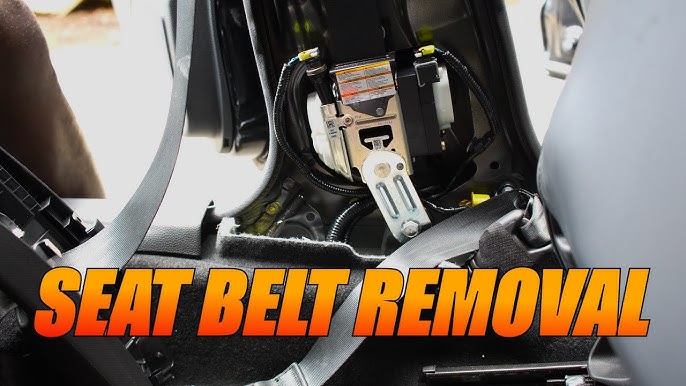
Removing The Retractor
The retractor is the part that rolls the seat belt in and out. It needs careful removal.
| Tool Needed | Action | Safety Tip |
|---|---|---|
| Socket wrench | Unscrew retractor mounting bolts | Wear gloves to protect your hands |
| Flathead screwdriver | Release any clips holding the retractor | Apply gentle pressure to avoid damage |
| Ratchet | Remove the retractor from its bracket | Keep the retractor level to prevent spring damage |
After removing the bolts and clips, carefully lift the retractor out of its place. Avoid dropping or shaking it.
Installing The New Seat Belt
Installing a new car seat belt is important for safety. The process needs care and the right tools.
Follow the steps to position the retractor, secure bolts, and attach the buckle and latch correctly.
Positioning The Retractor
The retractor is the part that rolls the seat belt in and out. Place it where the old one was fixed.
Make sure the retractor is upright and not tilted. This helps the belt to work smoothly.
- Locate the mounting point inside the car frame.
- Hold the retractor firmly in place.
- Check that the belt pulls out and retracts without sticking.
Securing The Mounting Bolts
Mounting bolts hold the seat belt parts to the car. Tighten them to keep the belt safe and secure.
Use the correct size wrench to avoid stripping the bolts. Check the car manual for bolt torque specs.
- Align the retractor and other parts to their bolt holes.
- Insert the bolts and hand-tighten first.
- Tighten bolts fully using a wrench or socket.
- Double-check bolts are firm and not loose.
Attaching The Buckle And Latch
The buckle and latch connect the seat belt across the passenger. Attach them firmly to the car frame.
Ensure the buckle clicks smoothly when you press it. The latch should hold the belt tight without slipping.
- Find the mounting spots for the buckle and latch.
- Attach each part with its mounting bolt.
- Test the buckle by clicking it in and out.
- Make sure the latch locks the belt securely.
Testing The New Seat Belt
After changing a car seat belt, it is important to test it properly. This ensures the seat belt works safely and fits well.
Testing includes checking how the belt retracts, locks, and fits the user. Proper testing keeps passengers safe on the road.
Checking Retraction And Locking
First, pull the seat belt out slowly to check if it retracts smoothly. The belt should move without sticking or jerking.
Next, pull the belt quickly to test the locking mechanism. The belt should lock firmly to hold you in place during sudden stops.
- Pull the belt slowly and watch it retract smoothly
- Pull the belt quickly to check if it locks instantly
- Listen for any strange sounds like clicking or grinding
- Make sure the belt does not get stuck or jam
Ensuring Proper Fit And Comfort
Put on the seat belt and adjust it to fit snugly across your body. It should lie flat without twisting.
Check that the belt is comfortable and does not pinch or press too hard. A good fit helps protect you in a crash.
- The belt should sit low on your hips, not your stomach
- The shoulder belt should cross your chest and shoulder
- Adjust the belt height if your car has this feature
- Wear the belt tight enough to hold you securely
Common Mistakes To Avoid
Changing a car seat belt needs care and attention. Some mistakes can cause safety issues. Avoiding these errors helps keep you safe.
Learn the common errors people make when changing seat belts. Fixing these can improve your car’s safety features.
Incorrect Bolt Tightening
One common mistake is not tightening bolts properly. Bolts that are too loose or too tight can cause problems.
- Loose bolts may let the seat belt move during a crash.
- Over-tightened bolts can damage parts or strip threads.
- Use a torque wrench to reach the exact tightness.
- Check the vehicle manual for the correct bolt torque.
- Recheck bolts after installation to ensure safety.
Ignoring Manufacturer Specifications
Every car model has specific rules for seat belt replacement. Ignoring these can cause serious risks.
| Specification | Why It Matters |
| Bolt Size and Type | Using wrong bolts can fail under stress. |
| Seat Belt Model | Incorrect belts may not fit or lock properly. |
| Installation Angle | Wrong angle reduces belt effectiveness. |
| Tightening Torque | Too loose or too tight bolts harm safety. |

Credit: www.reddit.com
When To Seek Professional Help
Changing a car seat belt may seem simple. Some issues need expert care. Knowing when to get help keeps you safe.
This guide explains when to call a professional for seat belt problems. It covers complex systems and persistent malfunctions.
Complex Seat Belt Systems
Modern cars have seat belts with advanced features. These include pretensioners, load limiters, and sensors. These parts work with airbags and safety systems.
- Do not try to fix seat belts with pretensioners yourself.
- If the seat belt has sensors or electronic parts, seek expert help.
- Complex seat belt systems require special tools for repair.
- Incorrect handling may cause safety devices to fail.
Persistent Malfunctions
Some seat belt problems do not go away with simple fixes. These include belts that won’t retract or latch properly. Persistent issues signal deeper problems.
| Problem | Possible Cause | Professional Action |
| Belt won’t retract | Spring or spool damage | Replace or repair mechanism |
| Latch won’t click | Broken latch or debris | Clean or replace latch |
| Belt twists or jams | Improper installation or damage | Realign or replace belt |
Frequently Asked Questions
How Can I Replace A Car Seat Belt?
Replacing a car seat belt involves removing the old belt, installing the new one, and ensuring it’s secure. First, detach the seat belt assembly and remove the old belt. Then, attach the new belt, making sure all bolts are tightened.
Test the belt to ensure it retracts and locks properly.
What Tools Are Needed For Seat Belt Replacement?
To replace a car seat belt, you will need a screwdriver, wrench, and possibly pliers. These tools help you remove the seat belt assembly and attach the new belt securely. Always consult your vehicle’s manual for specific tool requirements and safety precautions before beginning.
How Long Does Seat Belt Replacement Take?
Replacing a car seat belt typically takes about one to two hours. The time can vary based on your experience and vehicle type. Ensure you have all the necessary tools and parts before starting. Following the vehicle’s manual can also speed up the process and ensure proper installation.
Is It Safe To Change A Seat Belt Myself?
Yes, changing a seat belt yourself can be safe if you follow proper guidelines. Make sure to consult your vehicle’s manual and use the correct tools. If unsure, seek professional help to ensure the seat belt is installed correctly and functions properly.
Conclusion
Changing a car seat belt is easier than it seems. Follow each step carefully for safety. Use the right tools and take your time. Check the belt works well before driving. A secure seat belt protects you every trip. Stay safe on the road by keeping your seat belt in good condition.
Regular checks help avoid problems later. Now, you know how to change your car seat belt with confidence.