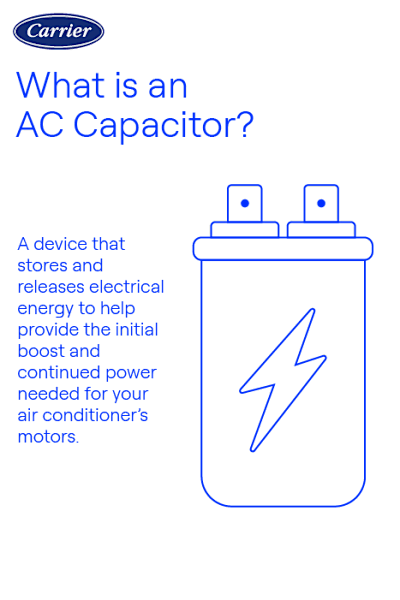
Have you ever wondered why your air conditioner sometimes struggles to start or suddenly stops working? The answer might lie in a small but powerful part called the capacitor.
This tiny component plays a big role in keeping your AC running smoothly and efficiently. If you want to understand how your air conditioner stays cool and what to do when it doesn’t, learning about the capacitor is a great place to start.
Keep reading, and you’ll discover how this simple device can make a huge difference in your home’s comfort.
Role Of Capacitors In Ac Units
Capacitors play an important role in air conditioners. They help the AC start and run smoothly.
Without capacitors, the motors in the AC cannot work properly. They store and release electrical energy.
Starting The Compressor Motor
The compressor motor needs a strong push to start. The capacitor provides this initial boost.
It sends an extra electrical charge to help the motor begin running quickly and efficiently.
Boosting The Fan Motor
The fan motor also uses a capacitor to get started. This makes the fan spin faster and smoother.
This helps to circulate air well inside the AC unit and your home.
- Capacitor gives the fan motor extra power
- Helps the fan start without delay
- Improves airflow for better cooling
Maintaining Energy Efficiency
Capacitors help the AC use electricity in a smart way. They keep motors running at the right speed.
This reduces energy waste and lowers electricity costs for your home.
- Ensures motors run smoothly
- Prevents power loss during operation
- Helps save energy and money
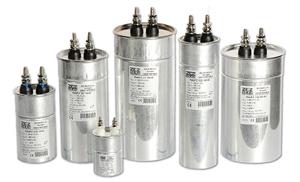
Credit: www.apogeeweb.net
Types Of Capacitors In Air Conditioners
Capacitors help air conditioners start and run smoothly. They store and release electrical energy. Different types of capacitors serve different functions in the system.
Understanding these types can help you know how your air conditioner works and when to replace parts.
Start Capacitors
Start capacitors give extra power to the compressor and fan motor when the air conditioner starts. They provide a quick energy boost to get the motor running. Once the motor reaches a certain speed, the start capacitor stops working.
Run Capacitors
Run capacitors keep the motors running efficiently. They supply a continuous electrical charge to the compressor and fan motor. This helps the motor use less energy and run smoothly without overheating.
- Improve energy efficiency
- Maintain motor speed
- Reduce electrical consumption
- Extend motor life
Dual Capacitors
| Function | Start Capacitor | Run Capacitor |
|---|---|---|
| Power Supply | Short burst for starting | Continuous supply while running |
| Use | Helps motor start | Keeps motor running efficiently |
| Location | Inside dual capacitor unit | Inside dual capacitor unit |
| Benefit | Quick motor start | Energy saving and motor protection |
Dual capacitors combine start and run capacitors in one unit. They save space and simplify installation. You can find them in many modern air conditioners.
Signs Of A Failing Capacitor
A capacitor helps start and run your air conditioner’s motor. It stores and releases electricity quickly. When it starts to fail, your AC may show some clear signs.
Knowing these signs can help you fix problems early. This keeps your AC working well and avoids bigger repairs.
Ac Not Starting
If your AC does not start at all, a bad capacitor might be the cause. The capacitor sends a boost of power to the motor at startup. Without this boost, the motor can’t run.
You may also notice the fan does not spin or the compressor stays silent. These are common signs the capacitor is failing and needs attention.
Humming Noises
A failing capacitor can cause your AC to make humming sounds. The motor tries to start but can’t get going. The humming is the motor struggling for power.
- Constant humming without the fan running
- Clicking sounds followed by humming
- Motor trying to start but stopping quickly
Reduced Cooling Performance
Your AC may cool less if the capacitor is weak. The motor runs slower and less efficiently. This lowers the airflow and cooling power.
| Symptom | Effect on Cooling |
| Fan speed drops | Less air moves through vents |
| Compressor runs weakly | Lower cold air output |
| Motor overheats | AC may shut off early |
Replacing And Testing Capacitors
A capacitor helps start and run the air conditioner’s motor. Over time, it can wear out and stop working properly. Testing and replacing a capacitor can fix many air conditioner problems.
This guide explains how to safely test a capacitor and choose the right replacement part for your air conditioner.
Safety Precautions
Capacitors hold electric charge even after power is off. This can cause shocks or injury. Always follow safety steps before testing or replacing a capacitor.
- Turn off power to the air conditioner at the breaker box.
- Use a screwdriver with an insulated handle to discharge the capacitor.
- Wear safety glasses and gloves to protect yourself.
- Never touch capacitor terminals directly with your hands.
- Wait a few minutes after turning off power to let the capacitor discharge.
Using A Multimeter
A multimeter measures the capacitor’s electrical charge. This test shows if the capacitor works or needs replacement.
- Set the multimeter to the capacitance measurement mode.
- Remove the capacitor from the air conditioner carefully.
- Discharge the capacitor fully using a screwdriver.
- Connect the multimeter leads to the capacitor terminals.
- Check the reading against the capacitor’s rated microfarads (µF).
- If the reading is too low or shows no charge, replace the capacitor.
Choosing The Right Replacement
| Specification | What to Check |
|---|---|
| Capacitance (µF) | Match exactly with the old capacitor |
| Voltage Rating | Equal or higher than the original capacitor |
| Physical Size | Fits the mounting space in your unit |
| Type | Run or start capacitor as needed for your model |
| Brand Quality | Choose a reliable brand for better performance |
Benefits Of A Functional Capacitor
A capacitor is a small but important part of an air conditioner. It helps start the compressor and fan motors. A working capacitor keeps the AC running smoothly.
Without a good capacitor, your air conditioner can have problems. Here are the key benefits of having a functional capacitor in your AC unit.
Improved Ac Longevity
A functional capacitor reduces stress on the AC’s motors. It helps them start easily and run efficiently. This lowers wear and tear on the parts.
- Prevents motor overheating
- Reduces chances of motor failure
- Extends the lifespan of the AC unit
Lower Energy Bills
A capacitor helps the AC motor run with less effort. This means the unit uses less electricity to cool your home. A working capacitor can cut down your energy costs.
| With Functional Capacitor | Without Functional Capacitor |
| Motor starts quickly | Motor struggles to start |
| Uses less power | Draws more electricity |
| Lower energy bills | Higher energy bills |
Consistent Cooling
The capacitor keeps the fan and compressor running steadily. This helps your air conditioner cool your space evenly. A bad capacitor can cause weak or uneven cooling.
- Maintains steady fan speed
- Prevents frequent AC shutoffs
- Ensures uniform temperature in rooms
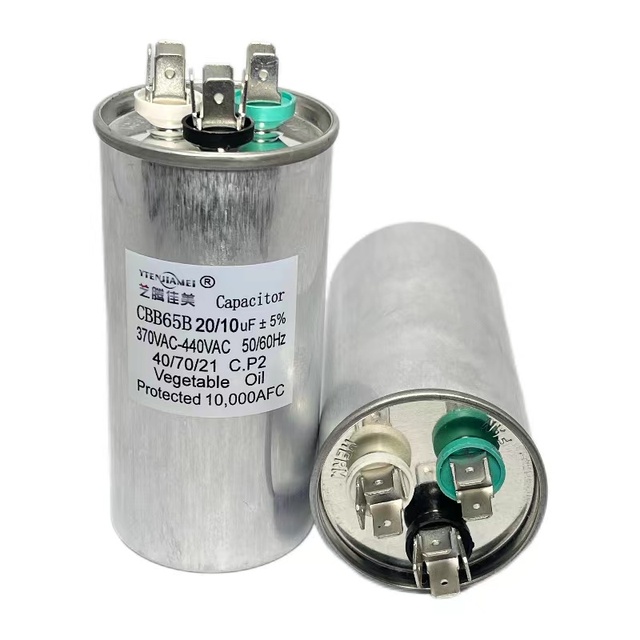
Credit: www.accio.com

Credit: www.amazon.ca
Frequently Asked Questions
What Is The Role Of A Capacitor In Ac?
A capacitor stores and releases electrical energy to start the air conditioner’s compressor. It ensures the compressor and fan motors run smoothly by maintaining a consistent electrical charge. This helps the air conditioner function efficiently and prevents short circuits or overheating.
How Does A Capacitor Affect Ac Performance?
A capacitor ensures optimal performance by regulating the electrical flow to the compressor and fan motors. This regulation helps maintain the desired temperature. A malfunctioning capacitor can lead to poor cooling, increased energy consumption, and potential damage to the air conditioner’s components.
Can A Faulty Capacitor Cause Ac Problems?
Yes, a faulty capacitor can lead to several air conditioner issues. It may cause the compressor or fan motors to fail, resulting in inadequate cooling or complete system shutdown. Regular maintenance and timely replacement of a faulty capacitor can prevent these problems and ensure efficient AC operation.
How Often Should An Ac Capacitor Be Replaced?
An AC capacitor typically lasts around 10 to 15 years. However, its lifespan can vary based on usage and environmental conditions. Regular inspections during annual maintenance can help identify wear and tear. Timely replacement ensures the air conditioner operates efficiently and reduces the risk of breakdowns.
Conclusion
A capacitor helps your air conditioner start and run smoothly. It stores and releases energy to power the motor. Without it, the AC may not cool properly or might stop working. Checking the capacitor can prevent sudden breakdowns. Keeping it in good shape saves you money and stress.
Understanding its role makes maintenance easier. Your air conditioner depends on the capacitor for steady performance. Simple but important.