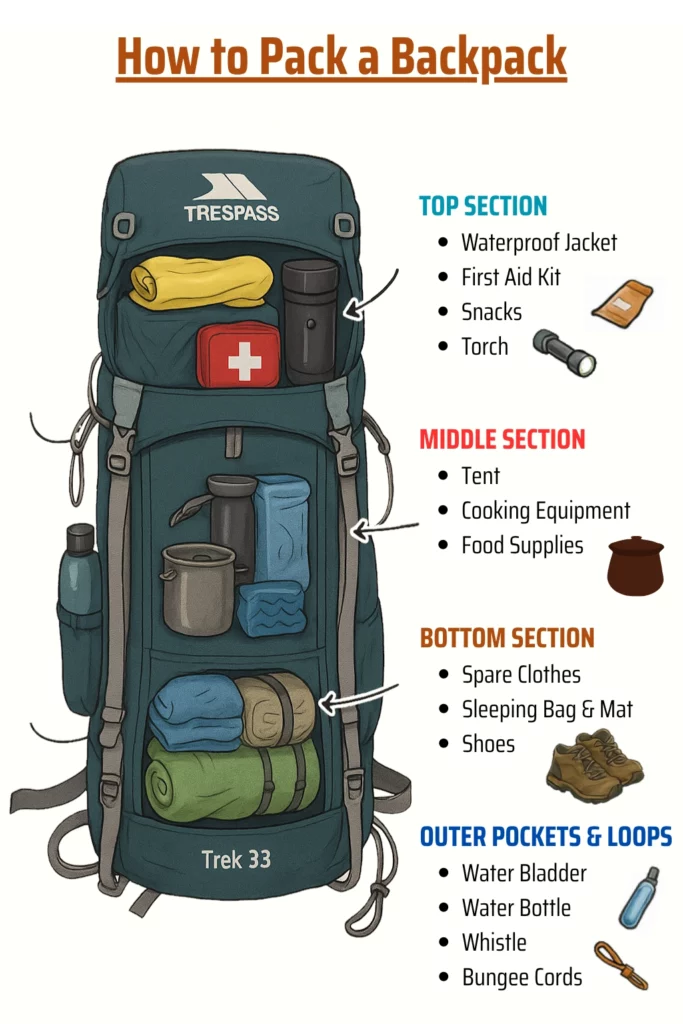
Packing for a hike can feel overwhelming, especially if you’re unsure what to bring or how much to carry. But getting it right can make the difference between a great adventure and a day full of discomfort.
Imagine having everything you need, nothing you don’t, and feeling confident every step of the way. In this guide, you’ll discover simple, practical tips to pack smart and light. By the end, you’ll know exactly how to prepare your backpack so your hike is safe, enjoyable, and stress-free.
Ready to pack like a pro? Let’s get started.
Choosing The Right Backpack
Packing for a hike starts with picking the right backpack. A good backpack holds your gear comfortably.
It helps you carry your items without strain. Choose one that fits your needs and body well.
Size And Fit
Pick a backpack size based on your trip length. Use a small pack for short hikes and a bigger one for longer trips.
Make sure the backpack fits your torso and waist size. A good fit spreads weight evenly and avoids pain.
- Measure your torso length before buying
- Check hip belt fit around your hips
- Try the pack with weight before use
Features To Look For
Choose a backpack with helpful features for hiking. These make packing and carrying easier.
- Multiple compartments for organized storage
- Water-resistant material to protect your gear
- Padded straps and back panel for comfort
- External pockets for quick access items
- Attachment points for tools like trekking poles
Adjusting For Comfort
Adjust the backpack straps before your hike. Tighten shoulder straps and hip belt for balance.
Check if the pack sits close to your back. Make small changes while walking to find the best fit.
- Loosen straps if you feel pressure points
- Tighten hip belt to carry most weight on hips
- Use load lifter straps to stabilize the load
- Adjust sternum strap for chest support
Selecting Lightweight Clothing
Packing light helps you hike longer and feel better. Choosing the right clothes is key for comfort and safety.
Lightweight clothing reduces weight in your backpack. It also dries fast and moves well with your body.
Layering Basics
Layering means wearing clothes in parts. You can add or remove layers to stay warm or cool.
Start with a base layer to keep sweat off your skin. Add a middle layer for warmth. Use an outer layer to block wind and rain.
- Base layer: light and moisture-wicking
- Middle layer: insulating but breathable
- Outer layer: waterproof and windproof
Material Choices
Choose clothes made from materials that dry fast and breathe well. Avoid cotton because it stays wet and heavy.
- Polyester and nylon dry quickly and are light
- Merino wool keeps you warm and controls odor
- Fleece is good for insulation without much weight
Weather Considerations
Check the weather before you pack. Pick clothes that fit the forecast and possible changes.
Bring extra layers for cold or wet weather. In hot weather, choose breathable fabrics and sun protection.
- Rain gear is important for wet conditions
- Sun hats and UV clothing protect in strong sun
- Lightweight gloves and hats help in cold weather
Packing Essential Gear
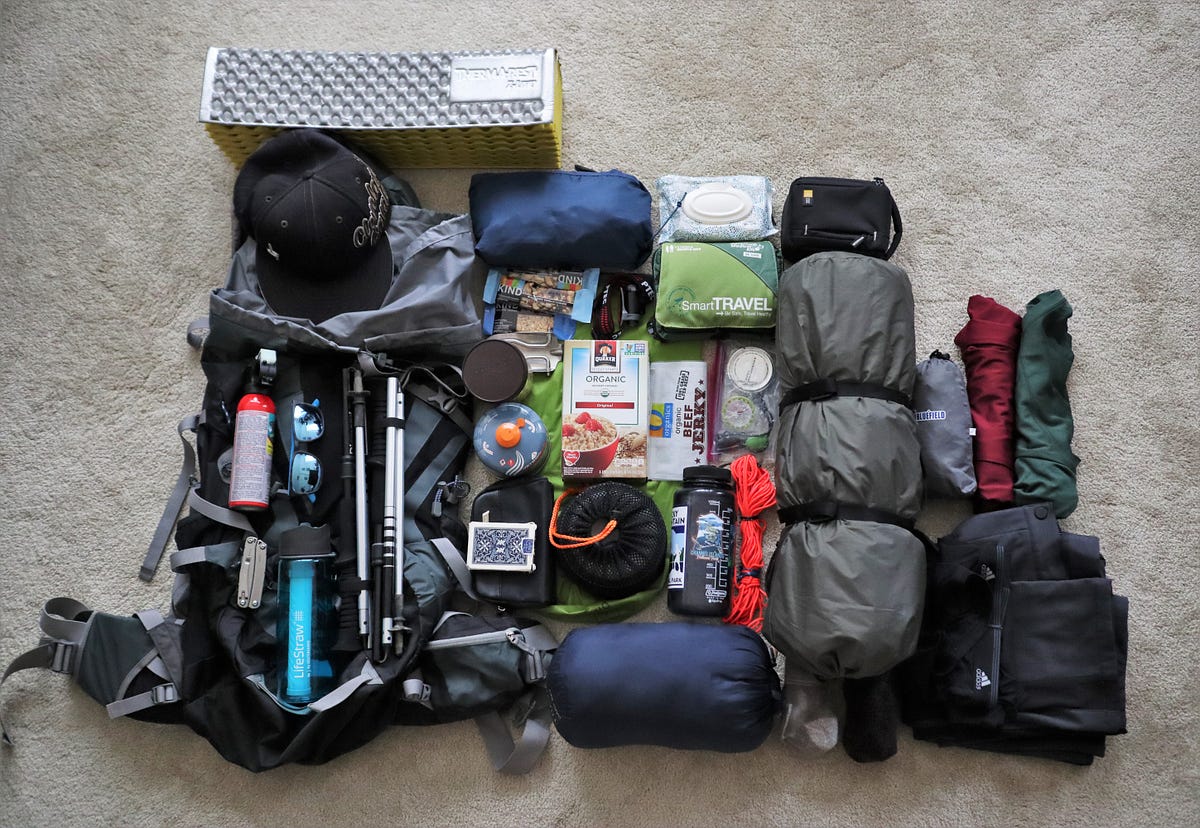
Packing the right gear is important for a safe hiking trip. You need items that help you find your way, stay healthy, and fix small problems.
This guide focuses on three main groups of gear: navigation tools, first aid kits, and multi-tools with accessories.
Navigation Tools
Navigation tools help you stay on the right path. Always carry a map and compass. A GPS device or smartphone app can be useful but should not replace traditional tools.
- Topographic map of the area
- Compass for direction
- GPS device or smartphone with offline maps
- Whistle for signaling if lost
First Aid Kit
A first aid kit treats minor injuries and prevents infections. Pack bandages, antiseptic wipes, and pain relievers. Keep the kit lightweight but complete.
| Item | Purpose |
| Adhesive bandages | Cover small cuts |
| Antiseptic wipes | Clean wounds |
| Pain relievers | Reduce pain and fever |
| Medical tape | Secure bandages |
| Tweezers | Remove splinters |
Multi-tools And Accessories
Multi-tools combine many useful tools in one device. They save space and weight in your pack. Include a knife, pliers, and scissors for various tasks.
- Multi-tool with knife, pliers, and screwdriver
- Small flashlight or headlamp
- Extra batteries
- Fire starter or waterproof matches
Credit: pangolinswithpacks.com
Organizing Food And Hydration
Packing food and water carefully is important for hiking trips. Good organization keeps you energized and hydrated.
Planning meals and choosing the right gear helps you carry less and stay comfortable on the trail.
Meal Planning
Plan simple, high-energy meals that are easy to prepare. Think about how long you will hike each day.
Choose foods that do not spoil quickly. Pack snacks for quick energy between meals.
- Trail mix with nuts and dried fruits
- Energy bars or granola bars
- Dehydrated meals for main dishes
- Fresh fruit for short trips
- Instant oatmeal or soup packets
Water Storage Options
Carrying enough water is vital. Pick containers that fit your hike length and weight limits.
Use bottles or hydration reservoirs for easy access. Carry water purification tools if you refill on the trail.
- Plastic or metal water bottles
- Hydration bladders with drinking tubes
- Collapsible water containers to save space
- Water filters or purification tablets
Lightweight Cooking Gear
Choose compact cooking gear that is easy to carry. Lightweight items reduce your pack weight.
Look for stoves and pots made of light metals. Bring only what you need for your planned meals.
- Small backpacking stove with fuel
- Lightweight pot or pan
- Compact utensils like sporks
- Windshield for stove efficiency
- Heat-resistant lighter or matches
Optimizing Weight Distribution
Packing for hiking means carrying your gear comfortably. Good weight distribution helps reduce strain on your body.
When you pack smartly, your backpack feels lighter. It also keeps your balance steady on the trail.
Packing Techniques
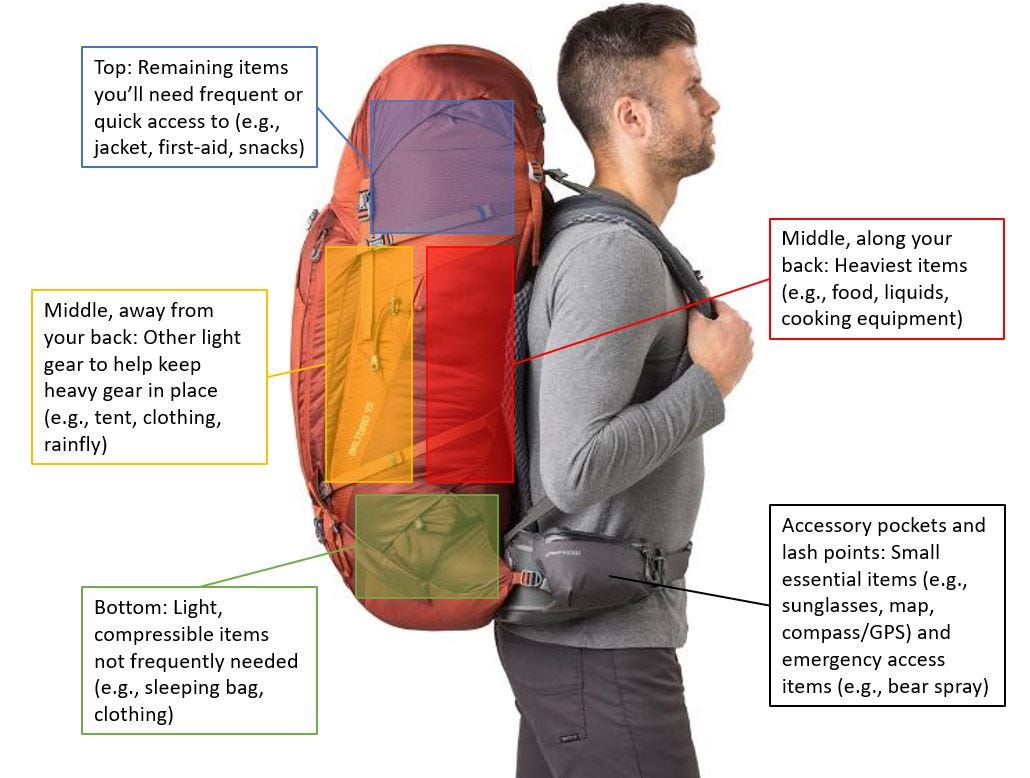
Place heavy items close to your back and near your shoulders. This helps keep your center of gravity stable.
Use smaller bags or stuff sacks to organize gear. This stops items from shifting during your hike.
- Put heavy gear like water and food near the top middle
- Light items go at the bottom or outside pockets
- Fill empty spaces with soft items like clothes
- Keep important items easy to reach
Balancing Load
Spread weight evenly between the left and right sides of your backpack. This stops you from leaning to one side.
Check your pack before hiking. Adjust straps and move items if the load feels uneven.
- Balance heavy items on both sides
- Use side pockets for smaller balanced loads
- Test the pack’s feel by walking a few steps
- Make small adjustments as needed
Securing Items
Tie down loose items to stop them from moving. Use straps or cords built into your backpack.
Keep fragile or sharp gear protected. Wrap them in soft clothes or use hard cases.
- Use compression straps to tighten the load
- Store sharp tools in sheathes or cases
- Wrap breakable items in padding
- Check gear stays in place after packing

Credit: www.sport-conrad.com
Safety And Emergency Items
When packing for hiking, safety comes first. Carrying emergency items can protect you in tough situations.
These items help you stay safe and get help if something goes wrong. Prepare well before you start your hike.
Emergency Shelter
An emergency shelter protects you from harsh weather. It can keep you warm and dry if you get stuck outside.
Choose lightweight and compact options. Carry a space blanket, tarp, or a small tent to save space in your bag.
- Space blanket – very light and packs small
- Tarp – easy to set up and versatile
- Small tent – more protection but heavier
Communication Devices
Communication devices help you call for help in emergencies. Carry a fully charged phone for general use.
Consider extra devices for remote areas. A whistle or a personal locator beacon can alert rescuers if needed.
- Mobile phone with extra battery or power bank
- Whistle – loud and easy to carry
- Personal locator beacon – sends SOS signals
Weather Protection
Weather can change quickly during a hike. Carry items to protect yourself from rain, wind, and cold.
Pack a waterproof jacket, warm layers, and a hat. These help you stay comfortable and avoid hypothermia.
- Waterproof jacket to keep rain out
- Warm layers for insulation
- Hat to protect from sun or cold
Tips For Reducing Pack Weight
Carrying less weight makes hiking easier and more fun. You can walk longer without feeling tired. Packing smart helps you stay safe and comfortable on the trail.
Focus on what you really need. Choose gear that does more than one job. Leave behind items that do not add real value to your hike.
Prioritizing Necessities
Start by listing essential items only. Think about shelter, water, food, and safety gear. Avoid packing things that you can do without.
- Check the weather to pick proper clothes.
- Pack just enough food and water for the trip.
- Bring a first aid kit with basics only.
- Include navigation tools like a map and compass.
Using Multi-functional Gear
Choose equipment that serves more than one purpose. This reduces the number of items you must carry.
| Gear | Functions |
| Bandana | Sun protection, towel, or pot holder |
| Multi-tool | Knife, screwdriver, scissors, and more |
| Sleeping pad | Sleeping comfort and sitting pad |
| Cooking pot | Cooking and water boiling |
Minimizing Extra Items
Cut down on non-essential items that add weight but little use. Be strict about what you bring.
- Limit clothing to what you will wear and one spare set.
- Skip bulky items that have light alternatives.
- Use travel-sized toiletries and refill when possible.
- Avoid carrying heavy books or electronics not needed outdoors.
Credit: www.ruimtevoorautisme.nl
Frequently Asked Questions
What Essentials Do I Need For Hiking?
Pack lightweight essentials like a map, compass, first-aid kit, and multi-tool. Include plenty of water, high-energy snacks, and sun protection. Wear layered clothing for changing weather conditions. Choose sturdy hiking boots and bring a rain jacket. A fully charged phone and a flashlight are also important for safety.
How Should I Pack My Hiking Backpack?
Distribute weight evenly in your backpack. Place heavy items close to your back and at the center. Use compartments to organize smaller items. Keep frequently used items accessible. Ensure your backpack fits well and is comfortable. Proper packing helps maintain balance and reduces strain during the hike.
What Food Is Best For A Hiking Trip?
Choose high-energy, lightweight snacks like nuts, trail mix, and energy bars. Pack dried fruits for quick energy. Consider sandwiches or wraps for lunch. Include instant oatmeal or pasta for easy meals. Stay hydrated with water and electrolyte drinks. Avoid perishable foods that require refrigeration.
How Do I Prepare For Sudden Weather Changes?
Check the weather forecast before your hike. Wear layered clothing to adjust to temperature changes. Pack a waterproof jacket and extra socks. Carry a hat and gloves for cold conditions. Stay informed about potential weather warnings and be ready to alter your route if needed.
Conclusion
Packing well makes hiking safer and more fun. Carry only what you need. Keep your bag light to avoid tiredness. Choose clothes that match the weather. Always bring water and snacks. Don’t forget a first aid kit for emergencies. Plan your gear based on the trail length and difficulty.
Remember, good preparation helps you enjoy the hike more. Stay safe, stay comfortable, and enjoy the nature around you. Happy hiking!