Have you ever wondered if your car tires have inner tubes? It’s a question many drivers don’t think about until they face a flat or need a tire change.
Understanding whether your tires have inner tubes can save you time, money, and frustration. You’ll discover the truth about inner tubes in car tires and learn what it means for your vehicle’s safety and performance. Keep reading to get clear answers that every car owner should know.
Types Of Car Tires
Car tires come in different types based on their design. One main difference is whether they have inner tubes or not.
Understanding the types helps you know how tires work and which suits your car best.
Tubed Tires
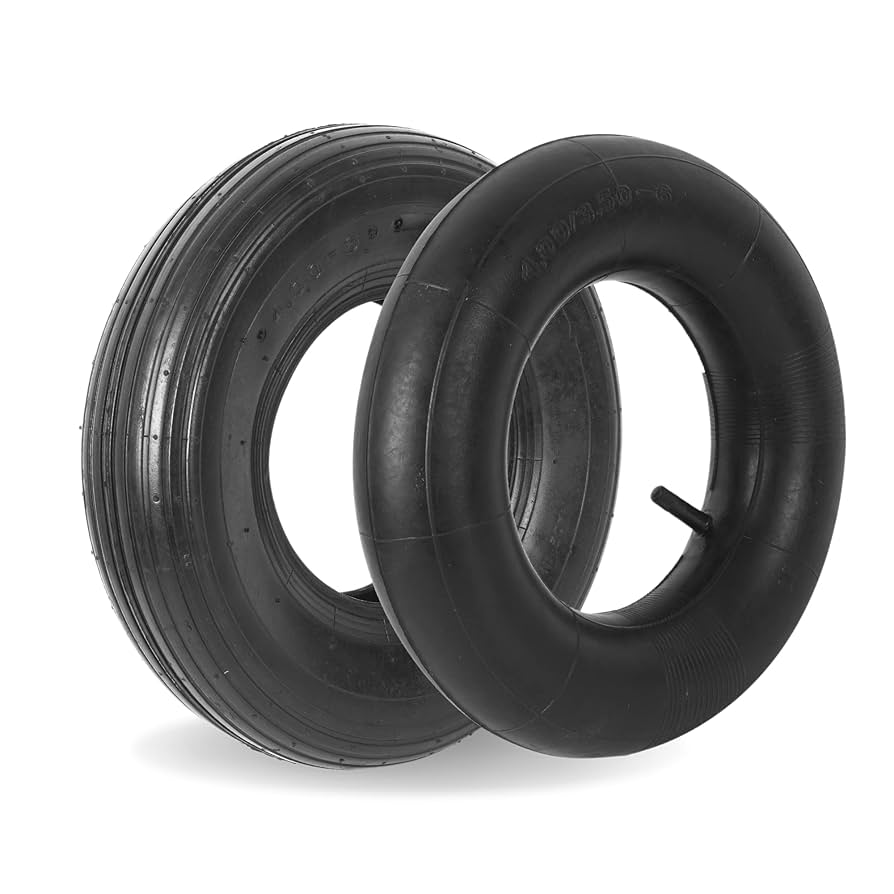
Tubed tires have a separate inner tube inside the tire. This tube holds the air and keeps the tire inflated.
These tires need the tube to keep the air sealed. The tube sits between the tire and the wheel rim.
- Older tire type
- Tube can get punctured easily
- More common in bicycles and some trucks
- Requires careful installation to avoid damage
Tubeless Tires
Tubeless tires do not have a separate inner tube. The tire and rim form a tight seal to hold the air.
This type is popular for most modern cars. It reduces the chance of sudden air loss.
- Modern design
- Less risk of puncture air leaks
- Easier to repair with plugs
- Better fuel efficiency due to lighter weight

Credit: www.ebay.com
How Inner Tubes Work
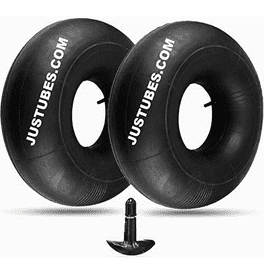
Inner tubes are rubber tubes that hold air inside tires. They keep the tire inflated and support the vehicle’s weight.
These tubes fit inside the tire and sit between the tire and the wheel rim. They work by trapping air to create pressure.
Structure And Function
An inner tube is made of strong, flexible rubber. It is shaped like a doughnut to fit inside the tire.
The tube holds air and keeps it sealed with the help of a valve. This air pressure pushes outward to support the tire.
- Rubber material for flexibility and strength
- Valve for inflating and maintaining air pressure
- Fits snugly between tire and rim
- Prevents air from escaping
Common Applications
Inner tubes are common in bicycles, motorcycles, and some older car tires. They are less common in modern car tires.
Many new cars use tubeless tires. These tires do not need inner tubes and rely on a tight rim seal to hold air.
- Bicycles often use inner tubes for easy repair
- Motorcycles use tubes to handle rough roads
- Older cars may have tube-type tires
- Most new cars use tubeless tires
Why Most Modern Cars Use Tubeless Tires
Many people wonder if car tires still have inner tubes. Most modern cars use tubeless tires instead. These tires offer several benefits over traditional tube-type tires.
This article explains why tubeless tires are common today. We look at safety, performance, and maintenance.
Safety Benefits
Tubeless tires improve safety in many ways. They reduce the risk of sudden air loss. When a tubeless tire is punctured, the air leaks slowly. This gives drivers time to react and stop safely.
- Tight seal between tire and rim prevents quick air loss.
- Less chance of tire blowouts compared to tube tires.
- Better heat dissipation lowers the risk of tire failure.
- More stable during a puncture or damage.
Performance Advantages
Tubeless tires offer better performance on the road. They are lighter because they do not need inner tubes. This lowers the overall weight of the car’s wheels.
| Feature | Tubeless Tires | Tube Tires |
| Weight | Lighter | Heavier due to tubes |
| Heat Build-up | Lower heat build-up | Higher heat build-up |
| Rolling Resistance | Less resistance | More resistance |
| Ride Comfort | Smoother ride | Less smooth |
Maintenance Ease
Tubeless tires are easier to maintain than tube tires. They do not need tubes to be replaced or patched. Fixing a puncture is simpler and faster.
- Use of sealant to fix small punctures without removing tire
- No need to check or replace inner tubes
- Less chance of pinch flats
- Simple valve stem replacement
Credit: www.walmart.com
When Inner Tubes Are Still Used
Most modern car tires do not use inner tubes. They have a built-in layer that holds air. Inner tubes were common in older tires.
Some specific vehicles still use inner tubes. These tires need extra protection or special designs.
Specialty Vehicles
Some specialty vehicles use tires with inner tubes. These vehicles often face tough conditions. The tubes help keep air pressure stable.
Examples include heavy machinery and certain commercial trucks. Inner tubes can make repairs easier in the field.
Off-road And Vintage Cars
Off-road vehicles sometimes use inner tubes. They protect tires from sharp rocks and rough terrain. The tube helps prevent sudden air loss.
Vintage cars often have tires with inner tubes. These tires were common in past decades. Owners keep them for authenticity and fit.
Signs Your Tire Might Have An Inner Tube
Knowing if your car tire has an inner tube helps with proper maintenance. Many modern tires do not have inner tubes. Still, some tires, especially older or special types, might.
Recognizing signs of an inner tube can prevent tire damage and improve safety. Below are tips to check your tires.
Visual Inspection Tips
Look closely at your tire for clues about an inner tube. Some signs are easy to spot if you know what to check.
- Check the tire sidewall for a tube-type label or marking.
- Look for a valve stem base that is separate from the rim hole.
- Inspect the bead area for an extra layer inside the tire.
- Look for bulges or uneven shapes that may hint at a tube inside.
- Remove the tire from the rim to see if there is an inner tube.
Consulting Tire Experts
Tire professionals can quickly tell if your tire has an inner tube. They use tools and experience to check for inner tubes safely.
| Expert Method | Purpose |
| Visual Tire Code Check | Identify tube-type tire markings |
| Valve Stem Inspection | See if valve is part of a tube |
| Tire Removal | Directly view inner tube presence |
| Air Pressure Test | Check for slow leaks common with tubes |
Replacing And Repairing Tires With And Without Tubes
Car tires come in two main types: with inner tubes and without inner tubes. Each type needs different care when fixing or replacing them.
Knowing the right way to repair or replace your tires can help you keep your car safe and running smoothly.
Repair Techniques For Tubed Tires
Tubed tires have a separate inner tube that holds the air. Fixing them often means repairing or replacing this tube.
Small punctures in the tube can be patched. If the damage is big, the tube should be replaced to avoid air leaks.
- Remove the tire from the wheel carefully.
- Take out the inner tube from inside the tire.
- Find the puncture by inflating the tube and listening for air leaks.
- Clean and dry the area around the hole.
- Apply a patch kit made for tubes over the puncture.
- Put the tube back inside the tire and mount the tire on the wheel.
- Inflate the tire to the correct pressure and check for leaks.
Repair Techniques For Tubeless Tires
Tubeless tires do not have an inner tube. The tire itself holds the air against the rim of the wheel.
Repairs often involve sealing punctures in the tire. This can be done with plugs or patches designed for tubeless tires.
- Locate the puncture by inspecting the tire or using soapy water to find bubbles.
- Remove any objects stuck in the tire carefully.
- Use a plug insertion tool to insert a rubber plug into the hole.
- For larger holes, remove the tire and apply a patch inside.
- Inflate the tire and check if the air holds steady.
- If the tire keeps leaking, replacement may be necessary.

Credit: www.amazon.com
Frequently Asked Questions
Do Modern Car Tires Have Inner Tubes?
Most modern car tires are tubeless, meaning they do not have inner tubes. They have an airtight seal with the rim. This design improves safety and efficiency. Tubeless tires are less prone to punctures and provide better fuel economy. They are now standard in most vehicles.
How Do Tubeless Tires Work?
Tubeless tires form a seal directly with the wheel rim. This eliminates the need for an inner tube. The tire’s bead fits snugly against the rim, maintaining air pressure. This design reduces the risk of blowouts. It also allows for better heat dissipation and performance.
Are Inner Tubes Used In Any Vehicles Today?
Inner tubes are still used in some applications. They are common in bicycles, motorcycles, and some off-road vehicles. Vintage cars and certain specialty vehicles may also use them. However, for most modern passenger cars, tubeless tires are the standard choice.
What Are The Benefits Of Tubeless Tires?
Tubeless tires offer several benefits over those with inner tubes. They have a reduced risk of sudden deflation, improving safety. They also provide better fuel efficiency and performance. Additionally, they are easier to repair in case of a puncture. This makes them a popular choice for modern vehicles.
Conclusion
Car tires mostly do not have inner tubes today. Most use tubeless designs for better safety and convenience. Tubeless tires hold air between the tire and rim. They reduce the chance of sudden air loss. Some older or special tires still use inner tubes.
Knowing this helps you choose the right tire. Proper tire care improves driving safety and tire life. Always check your tire type before buying or fixing. Understanding tire basics makes vehicle maintenance easier and safer.