Have you ever wondered what the mirrors inside your car are called? These small but important parts play a big role in keeping you safe on the road.
Knowing their names and functions can help you use them better every time you drive. You’ll discover exactly what these mirrors are, why they matter, and how they can improve your driving experience. Keep reading to learn more and take control of your safety behind the wheel.
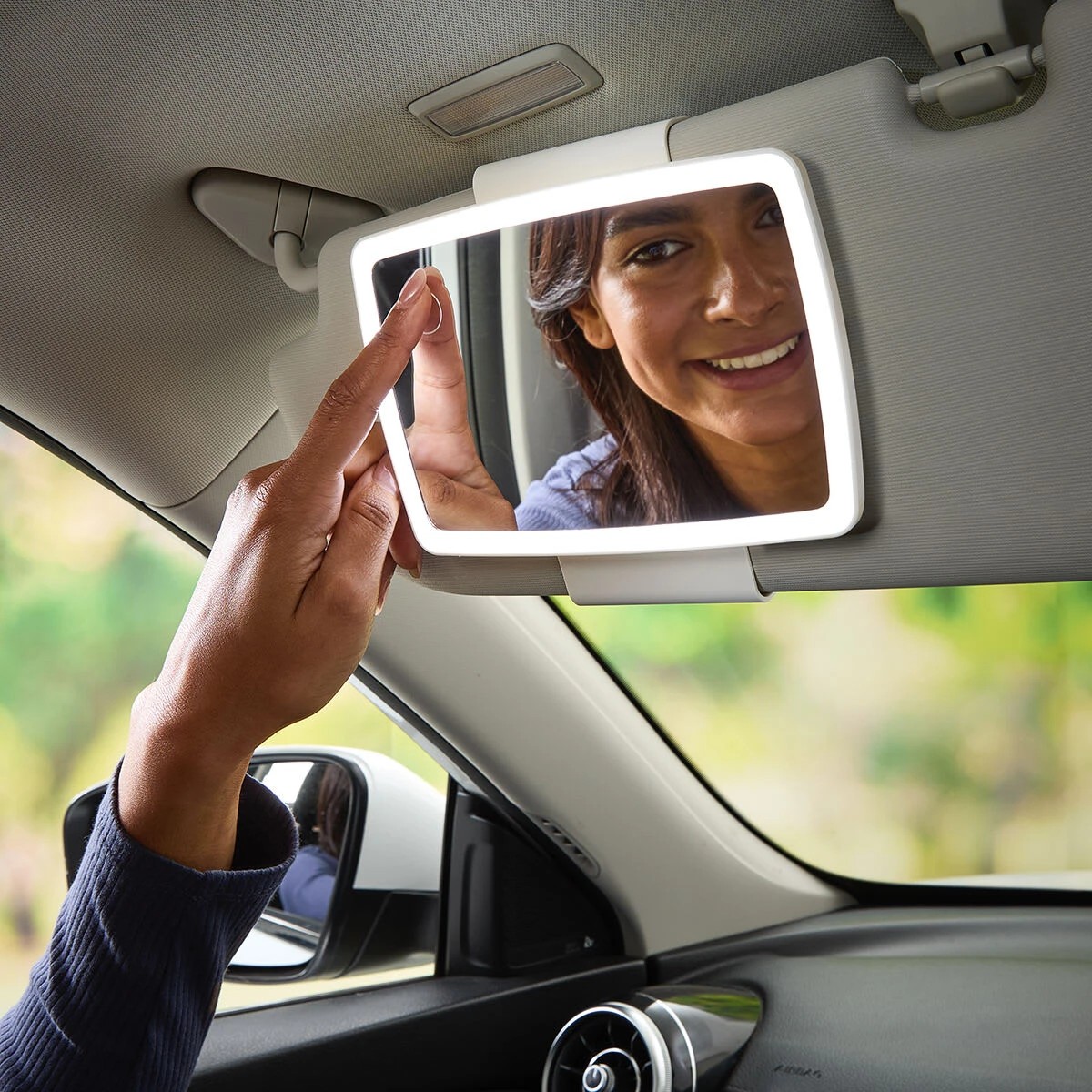
Credit: www.kmart.com.au
Types Of Car Mirrors
Car mirrors help drivers see the areas around their vehicle. They improve safety by showing what is behind and beside the car.
There are different types of mirrors inside and outside a car. Each type serves a special purpose for better driving.
Rearview Mirror
The rearview mirror is inside the car, usually attached to the windshield. It shows the driver the view straight behind the car.
This mirror helps the driver see traffic behind and check when changing lanes or reversing. Many rearview mirrors can be adjusted to reduce glare from headlights at night.
Side Mirrors
Side mirrors are mounted on the outside of the car doors. They show the area beside and a bit behind the vehicle.
- Left side mirror helps see the left lane and curb.
- Right side mirror helps see the right lane and any obstacles.
- Most side mirrors can be adjusted manually or electronically.
- Some side mirrors have heating to clear fog or ice.
Blind Spot Mirrors
Blind spot mirrors are small, extra mirrors attached to side mirrors. They show areas that normal mirrors cannot cover.
| Type | Function |
| Convex Blind Spot Mirror | Curved shape to widen view angle |
| Stick-On Blind Spot Mirror | Small and easy to attach to side mirrors |
| Integrated Blind Spot Mirror | Built into some side mirror designs |
Functions Of Each Mirror
Mirrors inside a car help drivers see areas that are hard to check directly. Each mirror has a special role for safe driving.
Understanding how each mirror works can improve your awareness on the road and avoid accidents.
Rearview Mirror Uses
The rearview mirror is located in the center of the windshield. It shows what is behind the car directly.
- Helps drivers see traffic behind them
- Aids in reversing and parking
- Allows monitoring of emergency vehicles approaching from the rear
- Improves ability to change lanes safely
Side Mirrors Uses
Side mirrors are on the left and right sides of the car. They help drivers see the sides and some parts of the rear.
| Function | Details |
|---|---|
| Check lanes | Shows vehicles in adjacent lanes for safe lane changes |
| Parking aid | Helps judge distance from curbs and obstacles |
| Turn signals | Often include lights to alert other drivers |
| Wide view | Reduces blind spots on sides |
Blind Spot Mirrors Uses
Blind spot mirrors are small mirrors attached to side mirrors. They help see areas not visible in normal mirrors.
These mirrors provide extra views to:
- Spot cars in blind spots
- Prevent accidents during lane changes
- Give a wider field of vision
Adjusting Car Mirrors
Car mirrors help drivers see around the vehicle. Proper mirror adjustment improves safety. It reduces blind spots and helps avoid accidents.
There are three main mirrors inside a car: the rearview mirror and two side mirrors. Each one must be set correctly before driving.
Proper Rearview Mirror Position
The rearview mirror shows the traffic behind your car. Adjust it so you see the entire rear window. Avoid pointing it too high or too low.
Make small adjustments while sitting in the driver’s seat. The mirror should give a clear view straight back without moving your head.
Side Mirror Adjustment Tips
- Lean your head to the left until it touches the driver’s side window. Adjust the left mirror to see the side of your car.
- Lean your head to the center of the car. Adjust the right mirror to see the side of your car there.
- Make sure the mirrors show part of your car and the road next to it.
- Adjust the mirrors to minimize blind spots on each side.
Reducing Blind Spots
| Mirror | How It Reduces Blind Spots |
|---|---|
| Rearview Mirror | Shows vehicles directly behind the car. |
| Left Side Mirror | Shows traffic on the left side and lane next to you. |
| Right Side Mirror | Shows traffic on the right side and lane next to you. |
Check mirrors often while driving. Adjust as needed to keep all angles visible. Use mirror checks along with shoulder checks for full awareness.
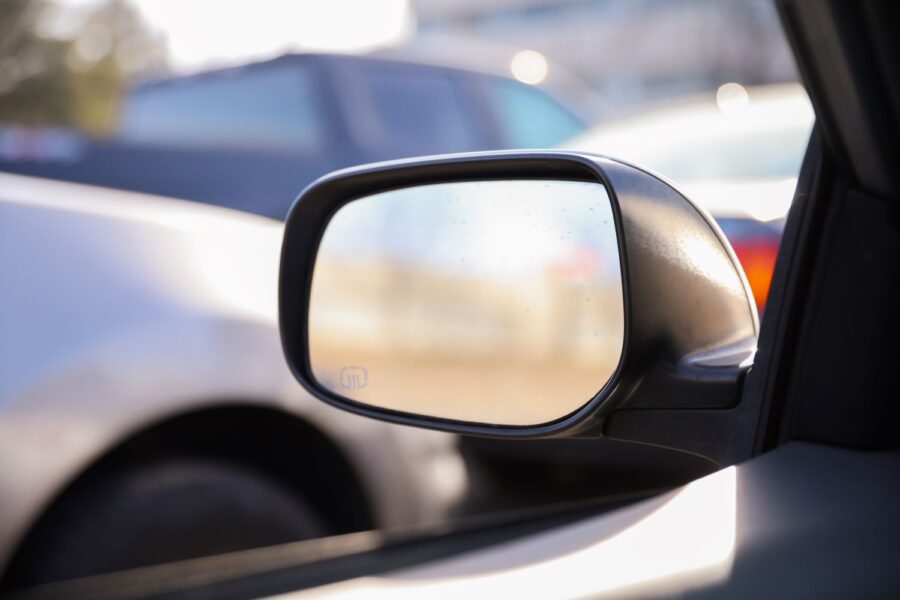
Credit: www.carparts.com
Features Of Modern Car Mirrors
Inside a car, the mirrors are called rearview mirrors. They help drivers see what is behind them. Modern car mirrors have many new features to make driving safer and easier.
These features improve visibility and reduce problems like glare or fog. Let’s look at some popular features in modern car mirrors.
Auto-dimming Mirrors
Auto-dimming mirrors reduce glare from headlights at night. They use sensors to detect bright lights behind the car. Then the mirror glass darkens automatically.
This helps drivers avoid being blinded. It makes night driving more comfortable and safer.
- Detects bright light from other cars
- Automatically adjusts mirror brightness
- Improves night driving visibility
Integrated Displays
Some car mirrors include small screens inside the glass. These screens show images from backup cameras or sensors. Drivers see clearer views when reversing or parking.
Integrated displays help reduce blind spots. They give extra information directly in the mirror for quick checking.
- Shows camera views on the mirror
- Helps with parking and reversing
- Reduces blind spots around the car
Heated Mirrors
Heated mirrors stop fog, frost, or ice from building on the glass. They have small heating wires inside the mirror. When turned on, the mirror warms up and clears itself.
This feature is very useful in cold or wet weather. It keeps the mirror clear so drivers can see safely.
- Prevents fog and frost buildup
- Uses heating wires inside the glass
- Improves visibility in cold weather
Safety Tips For Mirror Use
The mirrors inside a car are called rearview mirrors. They help drivers see behind and beside the vehicle.
Using mirrors correctly can prevent accidents and keep everyone safe on the road.
Regular Mirror Checks
Check your mirrors often while driving. This keeps you aware of traffic around you.
- Look in your rearview mirror every few seconds.
- Use side mirrors before changing lanes or turning.
- Adjust mirrors before starting your trip for a clear view.
Using Mirrors With Turn Signals
Mirrors and turn signals work together to keep driving safe.
| Action | Mirror Use | Turn Signal Use |
| Changing lanes | Check side mirrors and blind spots | Signal early to alert drivers |
| Turning | Use rearview and side mirrors | Signal before the turn |
| Parking | Use side mirrors to check space | Signal if parking on the street |
Avoiding Common Mistakes
Many drivers make simple errors with mirrors. Avoid these to stay safe.
- Do not rely only on mirrors; check blind spots by turning your head.
- Keep mirrors clean for clear visibility.
- Avoid adjusting mirrors while driving.
- Do not ignore the rearview mirror in heavy traffic.

Credit: www.amazon.ca
Replacing And Upgrading Mirrors
The mirrors inside a car are called rearview mirrors. They help drivers see behind the vehicle. Over time, mirrors can get damaged or outdated.
Replacing or upgrading mirrors improves safety and convenience. You can choose from many styles and features today.
When To Replace Mirrors
Replace mirrors if they are cracked, broken, or have poor visibility. Scratches or fogging can also reduce safety. If the mirror does not stay in place or moves too much, it needs a replacement.
Sometimes, upgrading mirrors is a good idea to get better features or clearer views. Old mirrors may not work well with modern car designs.
Choosing Mirror Upgrades
Look for mirrors with anti-glare to reduce headlight glare at night. Some mirrors have built-in lights or temperature displays. Heated mirrors prevent fog and ice in cold weather.
- Auto-dimming mirrors reduce glare from headlights
- Wide-angle mirrors increase the field of view
- Mirrors with built-in cameras offer extra safety
- Heated mirrors clear ice and fog quickly
Pick mirror upgrades that fit your car model and your driving needs. Check compatibility before buying new mirrors.
Installation Basics
Installing a rearview mirror is usually simple. Most mirrors attach with clips, screws, or adhesive pads. Make sure to clean the area before installation.
For electronic mirrors, disconnect the car battery before working. Follow the instructions carefully to avoid damage. If unsure, ask a professional to install the mirror.
- Clean the mounting area well
- Remove the old mirror carefully
- Attach the new mirror firmly
- Test the mirror adjustment and features
- Reconnect the battery if needed
Frequently Asked Questions
What Are The Main Mirrors Inside A Car Called?
The main mirrors inside a car are called the rearview mirror and side mirrors. The rearview mirror is located inside the car’s cabin, while side mirrors are on the exterior. These mirrors help drivers monitor traffic conditions and ensure safe driving by providing a clear view of the surrounding environment.
How Does A Rearview Mirror Work?
A rearview mirror works by reflecting the rear view of the road. It is usually mounted on the windshield. This mirror helps drivers see vehicles approaching from behind. It also allows monitoring of activities inside the car. Proper adjustment of the rearview mirror is essential for optimal visibility.
Why Are Side Mirrors Important For Driving?
Side mirrors are crucial for providing a clear view of the sides and rear of a vehicle. They help in making safe lane changes and turns. Properly adjusted side mirrors minimize blind spots, enhancing overall road safety. Drivers rely on them to make informed decisions during different driving situations.
Can Car Mirrors Be Manually Adjusted?
Yes, car mirrors can be manually adjusted to suit individual driver preferences. Manual adjustment is crucial for optimal visibility and safety. Drivers should ensure their mirrors provide a clear view of the road. Properly adjusted mirrors reduce blind spots and improve driving confidence, especially during lane changes and parking.
Conclusion
Inside a car, the mirrors are called rearview mirrors. They help drivers see behind and to the sides. These mirrors improve safety on the road. Adjusting them properly reduces blind spots. Knowing their names helps you understand car features better.
Always check your rearview mirror before driving. It keeps you aware of traffic and obstacles. Simple tools, but very important for safe driving. Remember, good mirror use can prevent many accidents. Keep them clean and well positioned every time you drive.