Have you ever wondered what keeps your vehicle running smoothly and efficiently? The answer lies deep within your car’s engine—in the fuel system.
But what exactly is fuel system service, and why is it so important for your vehicle’s health? If you want to save money on repairs, boost your car’s performance, and avoid unexpected breakdowns, understanding this simple yet vital maintenance can make all the difference.
Keep reading to discover how fuel system service works and why it should be a key part of your car care routine.

Credit: www.washluberepair.com
Fuel System Components
The fuel system in a vehicle delivers fuel to the engine. It ensures proper fuel flow and efficiency. Understanding the parts helps with maintenance and service.
Each component plays a key role in keeping the engine running smoothly. Regular checks can prevent problems and improve performance.
Fuel Pump
The fuel pump moves fuel from the tank to the engine. It creates pressure to push fuel through the system. Without it, the engine cannot get fuel to run.
Fuel Injectors
Fuel injectors spray fuel into the engine’s cylinders. They control the amount and timing of fuel delivery. Proper injector function helps with fuel efficiency and power.
- Deliver fuel in a fine mist
- Work with engine sensors
- Help reduce emissions
- Can get clogged and need cleaning
Fuel Filter
The fuel filter cleans dirt and rust from the fuel. It protects the fuel injectors and engine parts from damage. A dirty filter can cause poor engine performance.
| Fuel Filter Type | Description | Replacement Time |
|---|---|---|
| Cartridge | Replaceable core inside a housing | Every 20,000 to 40,000 miles |
| Spin-on | Complete unit replaced as one piece | Every 15,000 to 30,000 miles |
Fuel Tank
The fuel tank stores gasoline or diesel. It keeps fuel safe and prevents leaks. Tanks come in different shapes and sizes depending on the vehicle.
Key facts about fuel tanks:
- Made from metal or plastic
- Must be sealed to avoid evaporation
- Includes fuel gauge sending unit
- Needs inspection for rust or damage

Credit: www.commonwealthnissan.com
Signs Of Fuel System Problems
The fuel system helps deliver fuel to the engine. It keeps the engine running smoothly. When the fuel system has problems, the car may not work well.
Knowing the signs of fuel system problems can help you fix issues early. This can save you time and money.
Engine Performance Issues
The engine may run rough or lose power. It can stall or hesitate during driving. These issues often mean the fuel system is not working right.
A clogged fuel filter or bad fuel pump can cause poor engine performance. The engine may also misfire or fail to accelerate properly.
Poor Fuel Efficiency
Your car may use more fuel than usual. This happens when the fuel system does not supply the right fuel amount. It can waste gas and cost more money.
Dirty fuel injectors or leaks in the fuel system can lower fuel efficiency. Fixing these problems helps save fuel.
Starting Difficulties
The engine may take a long time to start or fail to start. This can happen if the fuel system cannot deliver fuel properly. You might hear the engine trying but not catching.
Problems like a weak fuel pump or clogged fuel lines often cause starting issues. Checking the fuel system can find the cause.
Unusual Noises
Strange sounds from the engine area can signal fuel system problems. You may hear whining, buzzing, or loud humming noises. These noises often come from the fuel pump.
Unusual noises can mean the fuel pump is failing or the fuel filter is clogged. These sounds should not be ignored.
Fuel System Service Procedures
Fuel system service keeps your vehicle running smoothly. It helps improve engine performance and fuel efficiency.
Regular service stops problems before they get worse. It includes cleaning, checking, and replacing parts.
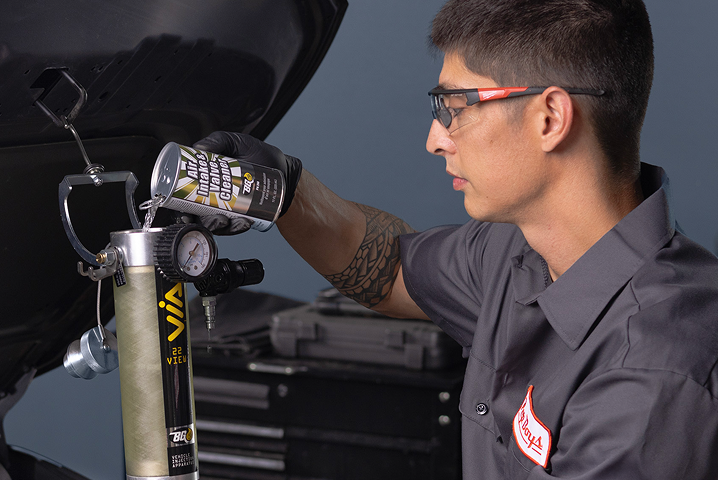
Fuel Injector Cleaning
Fuel injectors spray fuel into the engine. Dirt or buildup can block the spray and reduce power.
Cleaning fuel injectors removes deposits. This helps fuel flow evenly for better engine work.
Fuel Filter Replacement
The fuel filter catches dirt and rust from the gas. A dirty filter blocks fuel flow and harms the engine.
Replacing the filter lets clean fuel reach the engine. This keeps the engine healthy and smooth.
Fuel Pump Inspection
The fuel pump moves fuel from the tank to the engine. If it fails, the engine will not start or run well.
Inspecting the pump checks for wear or damage. Fixing or replacing it prevents engine problems.
Fuel Tank Cleaning
The fuel tank can collect dirt and water over time. This can cause fuel contamination and engine trouble.
Cleaning the tank removes these impurities. It helps keep the fuel clean and the engine safe.
Benefits Of Regular Fuel System Maintenance
Fuel system service keeps your vehicle running smoothly. It removes dirt and deposits from fuel parts.
Regular maintenance helps save money and protects the engine. It ensures the fuel flows well and burns cleanly.
Improved Engine Performance
Cleaning the fuel system stops blockages. This lets the engine get the right fuel amount. The engine runs stronger and starts easily.
Enhanced Fuel Economy
A clean fuel system uses fuel more efficiently. This lowers fuel waste and saves money at the pump.
- Better fuel spray and atomization
- Cleaner injectors and fuel lines
- Reduced fuel consumption
Reduced Emissions
Fuel system service cuts harmful gases from the exhaust. It helps the environment and keeps the car legal for tests.
| Emission Type | Effect of Maintenance |
| Carbon Monoxide | Decreases |
| Hydrocarbons | Decreases |
| Nitrogen Oxides | Reduces |
Extended Vehicle Lifespan
Regular fuel system care protects engine parts from damage. It lowers wear and tear and helps your car last longer.
Diy Fuel System Care Tips
Taking care of your vehicle’s fuel system helps it run smoothly. A clean fuel system improves engine life and fuel efficiency. You can do simple checks and maintenance at home.
This guide covers easy tips for fuel system care. Learn about using fuel additives, checking for leaks, and keeping the tank clean.
Using Fuel Additives
Fuel additives help remove deposits and keep fuel injectors clean. They can improve engine performance and reduce emissions.
- Choose additives that match your vehicle’s fuel type.
- Use additives regularly as per product instructions.
- Add the additive to a nearly full tank for best mixing.
- Do not mix different additives to avoid chemical reactions.
- Store additives in a cool, dry place away from sunlight.
Checking For Leaks
Fuel leaks can be dangerous and waste fuel. Check the fuel system often to catch leaks early.
| Area to Check | What to Look For | Action |
| Fuel lines | Cracks, wet spots, or smell of fuel | Replace damaged lines |
| Fuel tank | Dents, rust, or wet areas | Repair or replace tank |
| Fuel injectors | Leaks or poor engine performance | Have inspected by a mechanic |
| Fuel pump | Fuel odor or noise | Test and replace if faulty |
Keeping The Tank Clean
A dirty fuel tank can cause clogs and poor engine function. Regular cleaning helps avoid these issues.
- Fill your tank from trusted fuel stations to reduce dirt.
- Keep the gas cap tight to prevent dust and water entry.
- Use fuel system cleaner additives to remove deposits inside the tank.
- Drain and clean the fuel tank if you notice rust or heavy sediment.
- Have a professional clean the tank if you are not comfortable doing it yourself.
When To Seek Professional Service
Your fuel system keeps your engine running smoothly. Sometimes, it needs expert care to fix issues.
Knowing when to get professional help can save your vehicle from serious damage and improve performance.
Complex Repairs
Fuel system parts can be hard to fix or replace. Complex repairs need special tools and skills.
Try not to fix big problems yourself. Call a professional if you notice leaks, strange noises, or poor engine power.
Diagnostic Testing
Professional shops use tests to find fuel system problems. These tests check pressure, flow, and fuel quality.
If your car shows warning lights or runs rough, ask for diagnostic testing. It helps find hidden fuel issues early.
Fuel System Upgrades
Upgrading parts like fuel injectors or pumps can improve engine efficiency and power. These changes need expert handling.
Seek professional service for upgrades to ensure parts fit well and work safely with your vehicle’s system.

Credit: www.sydneymazda.ca
Frequently Asked Questions
What Is Included In A Fuel System Service?
A fuel system service cleans fuel injectors, replaces fuel filters, and checks fuel lines. It improves engine performance and fuel efficiency.
How Often Should I Get Fuel System Service?
It’s recommended every 30,000 miles or as per your vehicle’s manual. Regular service prevents clogs and engine issues.
Why Is Fuel System Service Important?
Fuel system service removes deposits that reduce engine power. It ensures smooth fuel flow and helps save fuel.
Can Fuel System Service Fix Rough Idling?
Yes, cleaning fuel injectors and filters can resolve rough idling caused by fuel delivery problems.
Conclusion
Fuel system service keeps your engine running smooth and clean. It removes dirt and clogs that slow your car down. Regular service helps save fuel and prevents costly repairs. Your vehicle stays reliable and lasts longer with proper care. Simple checks and cleaning make a big difference.
A healthy fuel system means better performance every time you drive. Don’t wait for problems—stay ahead with fuel system service. It’s an easy way to protect your car and your wallet.