When was the last time you changed your fishing line? If you’re like many anglers, it’s easy to forget this important step.
But here’s the truth: your fishing line wears out faster than you might think. Using an old or damaged line can mean missed catches and lost fish. So, how often should you replace your fishing line to stay sharp and successful on the water?
Keep reading, because knowing the right timing can make all the difference between a good day fishing and a great one.
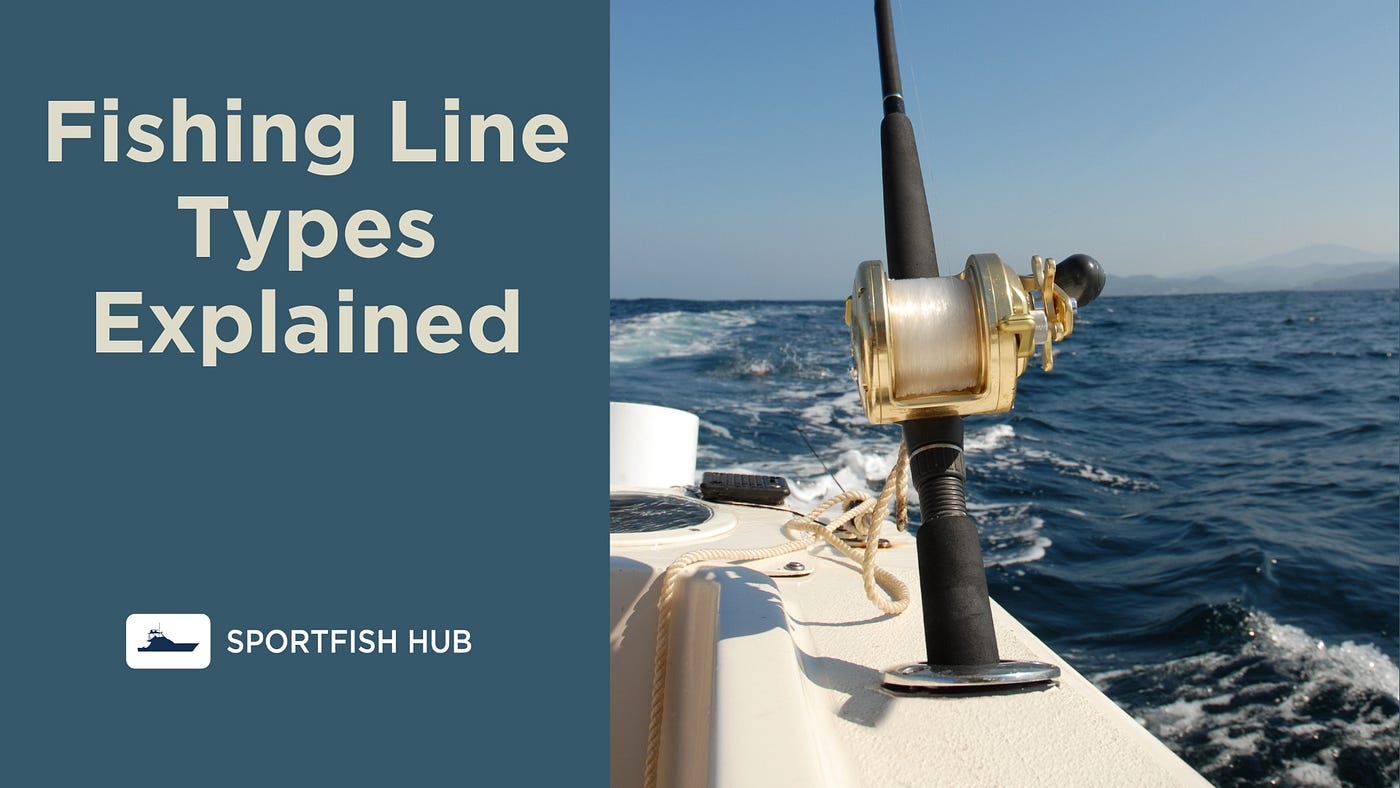
Credit: sportfishinghub.medium.com
Signs Your Line Needs Replacement
Fishing lines wear out over time. Knowing when to replace your line keeps you ready for a catch.
Watch for signs that your fishing line is no longer safe or strong. These signs help you avoid losing fish.
Fraying And Abrasion
Look closely for frayed spots or rough patches on your line. These happen from rubbing against rocks or fish.
Frayed line can break easily. Abrasion weakens the line and lowers its strength.
- Check near the hook and guides for wear
- Feel for rough or fuzzy areas by touch
- Replace the line if you see any damage
Loss Of Strength
Old line loses strength even if it looks fine. This means it can snap under pressure.
Test your line by pulling it hard before fishing. If it breaks easily, replace it immediately.
- Pull the line gently and then harder
- Notice if it stretches or feels weak
- Replace line that breaks or stretches too much
Discoloration And Stiffness
Fishing line can change color from sun and water. It may also become stiff and hard to handle.
Discolored or stiff lines are weaker. They do not perform well and are more likely to break.
- Look for faded or cloudy spots on the line
- Check if the line feels hard or brittle
- Replace if the line does not move smoothly
Factors Affecting Line Longevity
Knowing how often to replace your fishing line depends on many factors. These factors affect how long the line stays strong and reliable.
Understanding these factors helps you avoid line breaks and lost fish. It also improves your fishing experience.
Type Of Fishing Line
Different fishing lines last for different times. Monofilament, fluorocarbon, and braided lines each wear out differently.
Monofilament lines stretch and weaken faster. Fluorocarbon lines resist water better but can get brittle. Braided lines are strong but can fray.
- Monofilament: lasts 3-6 months with regular use
- Fluorocarbon: can last 6 months to a year
- Braided: may last longer but check for frays
Water Conditions
Saltwater and freshwater affect fishing lines in different ways. Saltwater can cause faster wear and corrosion.
Rough water with rocks or debris can damage the line. Clear water may expose the line to more sunlight, which also wears it down.
- Saltwater: clean and rinse line after use
- Freshwater: less corrosive but still needs care
- Rocky or rough water: inspect line often for damage
Exposure To Sunlight
Sunlight breaks down fishing line material over time. UV rays weaken the line and reduce its strength.
Keep your line out of direct sunlight when not fishing. Store your fishing gear in a cool, shaded place.
- UV rays cause line to become brittle
- Store line in dark, cool areas
- Replace line more often if exposed to sun
Recommended Replacement Intervals
Fishing line can weaken over time and lose its strength. Replacing it regularly helps avoid breaks and lost catches. The replacement time depends on water type, usage, and season.
Knowing when to change your fishing line keeps your fishing gear ready and reliable. Here are key factors to consider for replacement intervals.
Freshwater Vs Saltwater
Saltwater fishing line faces harsher conditions than freshwater line. Saltwater can corrode and weaken the line faster. Freshwater line usually lasts longer without damage.
| Water Type | Replacement Interval |
| Freshwater | Every 6-12 months |
| Saltwater | Every 3-6 months |
Frequency Of Use
The more you fish, the faster your line wears out. Frequent use causes abrasions, stretch, and loss of strength. Light or occasional use means the line lasts longer.
- Daily anglers should replace line every 1-3 months.
- Weekly anglers should replace line every 3-6 months.
- Monthly anglers can replace line every 6-12 months.
Seasonal Considerations
Fishing seasons affect line condition. Cold weather can make line brittle. Summer heat and sun can weaken line fibers. Changing line at season start is a good idea.
| Season | Effect on Line | Replacement Tip |
| Winter | Line becomes brittle | Replace before cold season |
| Summer | Sun weakens line | Replace after summer use |
| Spring/Fall | Moderate wear | Inspect and replace if needed |
Tips For Extending Line Life
Fishing line is one of the most important parts of your gear. It wears out over time and can break easily.
Taking care of your fishing line helps it last longer. This saves money and improves your fishing experience.
Proper Storage Techniques
Store your fishing line in a cool, dry place. Avoid sunlight because UV rays weaken the line.
Keep the line away from heat and moisture. Use sealed containers or plastic bags to protect it.
- Use original packaging or a spool case
- Keep line out of direct sunlight
- Store in a temperature-controlled room
- Avoid damp or humid areas
Regular Maintenance
Check your fishing line often for damage. Look for cracks, frays, or weak spots before every trip.
Clean the line after use. Rinse with fresh water to remove dirt, salt, or debris that can cause wear.
- Inspect line for breaks or thin spots
- Remove tangled or twisted sections
- Rinse line with fresh water after saltwater fishing
- Dry line completely before storing
Avoiding Line Damage
Handle your fishing line gently. Avoid sharp edges and rough surfaces that can cut or weaken it.
Use the right line for your fishing style. Stronger lines suit heavy fish and rough water better.
- Do not drag line over rocks or branches
- Replace damaged sections immediately
- Use line conditioner to reduce friction
- Match line strength to fish size and environment
Choosing The Right Line For Durability
Fishing line durability depends on the type of line you select. Knowing the differences helps you pick the best one for your needs.
Each line type wears out differently. This affects how often you should replace it.
Monofilament Vs Braided Vs Fluorocarbon
Monofilament is stretchy and easy to handle. It wears out faster from sunlight and water. Braided line is strong and thin but can fray over time. Fluorocarbon is tough and sinks well but can get damaged by sharp objects.
| Line Type | Durability | Wear Signs |
| Monofilament | Moderate | Discoloration, stretching |
| Braided | High | Fraying, thinning |
| Fluorocarbon | High | Cracks, stiffness |
Matching Line To Fishing Style
Choose a line that fits how you fish. For example, braided line is good for heavy cover. Monofilament works well for beginners and light fishing. Fluorocarbon suits clear water and stealth fishing.
- Heavy cover: braided for strength
- Light fishing: monofilament for stretch
- Clear water: fluorocarbon for invisibility
Budget And Quality Balance
Price affects line quality and lifespan. Cheaper lines wear out faster. Higher quality lines cost more but last longer. Find a balance that fits your budget and fishing needs.
- Set a budget for your fishing line
- Compare durability and price
- Choose the best quality within your budget

Credit: www.youtube.com

Credit: www.youtube.com
Frequently Asked Questions
How Often To Replace Monofilament Fishing Line?
Monofilament fishing lines should generally be replaced every 6 to 12 months. Exposure to sunlight and water weakens them over time. Regularly check for frays or discoloration. If you notice damage, replace it sooner. Proper storage can extend the line’s lifespan.
Always prioritize safety and performance on your fishing trips.
When To Change Braided Fishing Line?
Braided fishing lines are more durable and can last 2 to 3 years. However, frequent use or harsh conditions may require earlier replacement. Regularly inspect for signs of wear or damage. If the line feels rough or looks frayed, it’s time to change it.
Proper maintenance ensures optimal fishing performance.
How To Know If Line Needs Replacement?
Check your fishing line for visible wear, frays, or discoloration. Run your fingers along the line to feel for rough spots. If the line feels brittle or weak, it’s time for a replacement. Regularly inspecting your line ensures it remains strong and reliable for successful fishing trips.
Does Saltwater Affect Fishing Line Lifespan?
Yes, saltwater can significantly reduce fishing line lifespan. Saltwater exposure causes lines to degrade faster. Rinse your line with fresh water after each saltwater trip. This prevents salt buildup and extends the line’s longevity. Regular maintenance and inspection are crucial for ensuring optimal performance and durability.
Conclusion
Replacing your fishing line regularly keeps your gear strong and ready. Old line can break easily and cause lost fish. Check your line for damage or wear before each trip. Changing it every few months helps avoid surprises on the water.
Clean, fresh line casts better and lasts longer. Stay safe and catch more by keeping your line in good shape. Simple care makes fishing more fun and successful. Remember, a strong line means fewer problems and more catches.