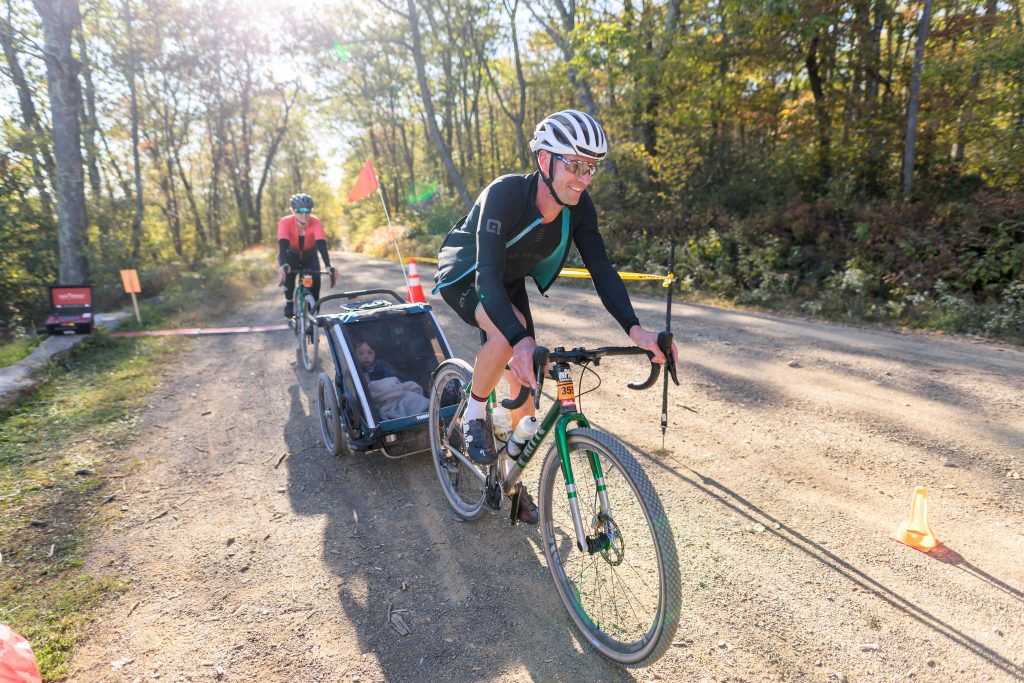
Are you really protected every time you hop on your bike? You might think wearing a helmet is just a personal choice, but is it actually the law where you ride?
Understanding whether helmet use is required can save you from fines, and more importantly, keep your head safe. Keep reading to find out the truth about bike helmet laws and why this simple gear could be your best defense on the road.

Credit: www.mnhinjurylawyers.com
Helmet Laws Worldwide
Wearing a helmet while riding a bike can save lives. Different countries have different rules about helmet use. Some require helmets for all riders, while others do not.
Understanding helmet laws helps riders stay safe and follow local rules. These laws vary widely around the world.
Countries With Mandatory Helmet Laws
Many countries require all bike riders to wear helmets. These laws cover all ages and types of bikes. The goal is to reduce head injuries during accidents.
Helmet laws are strict in these places and often include fines for not wearing one.
- Australia
- New Zealand
- Japan
- United Kingdom
- South Korea
- Brazil
- United States (varies by state)
Regions With Partial Helmet Requirements
Some regions require helmets only for certain riders or under specific conditions. For example, some laws apply only to children or young riders.
Other areas may require helmets on highways or busy roads but not on quiet streets.
- Canada (helmet laws vary by province)
- United States (many states require helmets for minors)
- Germany (helmets recommended but not mandatory)
- France (helmets required for electric bike users under 12 years)
- India (helmet laws for motorcyclists but vary for bicycles)
Places Without Helmet Laws
Some countries do not have any laws requiring helmets for bike riders. Riders wear helmets only if they want to, with no legal pressure.
In these places, helmets are less common, and safety depends more on rider choice.
- Netherlands (focus on safe bike lanes instead)
- Denmark (helmets not required but advised)
- Sweden (helmets not mandatory for adults)
- Belgium (helmet use not enforced)
- Italy (helmets not required for regular bicycles)

Credit: www.bojatlaw.com
Benefits Of Wearing A Helmet
Wearing a helmet while riding a bike is very important for safety. Helmets help protect your head from injuries.
They also make you more visible to others on the road. This can help prevent accidents and save lives.
Protection Against Head Injuries
Helmets absorb the impact during a crash or fall. They reduce the force that reaches your skull and brain.
This protection lowers the chance of serious head injuries. Wearing a helmet can stop a minor accident from becoming very harmful.
Enhancing Visibility And Safety
Many helmets come with bright colors or reflective materials. These features help other drivers see you better on the road.
- Bright helmets stand out in daylight
- Reflective strips help at night
- Some helmets have lights for extra visibility
Reducing Fatality Risks
Wearing a helmet lowers the chance of dying in a bike crash. It protects your most important organ, the brain.
Studies show helmets reduce fatal injuries by almost half. This makes helmets one of the best ways to stay safe while biking.
Common Helmet Safety Standards
Wearing a helmet while riding a bike is often required by law. Helmets protect your head from injury during accidents. Safety standards help ensure helmets work well.
These standards show that a helmet has passed tests for impact and durability. Knowing common safety standards helps you pick a safe helmet.
Certifications To Look For
Look for certification labels on helmets. These labels prove the helmet meets safety tests. Different countries have different certifications.
- CPSC (Consumer Product Safety Commission) for the USA
- CE EN 1078 for Europe
- AS/NZS 2063 for Australia and New Zealand
- Snell certification for high safety standards
Always choose helmets with at least one of these certifications to ensure safety.
Helmet Materials And Design
Helmets use strong materials to protect your head. The outer shell is hard to stop sharp objects. Inside, soft foam absorbs shock.
Good design also includes ventilation for air flow. Straps keep the helmet on your head during a fall. Reflective parts can increase visibility.
- Outer shell: hard plastic or fiberglass
- Inner liner: foam padding
- Ventilation holes for cool air
- Adjustable straps for secure fit
Proper Helmet Fit And Maintenance
A helmet must fit snugly but not be too tight. It should sit level on your head and cover your forehead. Straps must fasten firmly under your chin.
Check your helmet often for cracks or damage. Clean it with mild soap and water. Replace your helmet after a crash or if it shows wear.
- Measure your head size before buying
- Adjust straps and padding for comfort
- Inspect helmet regularly for damage
- Replace helmet after impact or every few years
Consequences Of Not Wearing A Helmet
Wearing a helmet while riding a bike is important for safety. Not wearing one can lead to serious problems.
This section explains what can happen if you do not wear a helmet on a bike.
Legal Penalties And Fines
Many places have laws that require wearing a helmet. If you break these laws, you may face penalties.
Penalties can include fines or other legal actions. The amount of the fine depends on the local law.
- Fines range from small amounts to larger fees
- Some areas may require court appearances
- Repeat offenses can lead to higher penalties
Impact On Insurance Claims
Not wearing a helmet can affect your insurance claims after an accident. Insurers may reduce or deny payments.
Insurance companies expect riders to take safety steps. Helmets help protect your head and lower injury risk.
- Claims may be denied without helmet use
- Medical costs might not be fully covered
- Insurance premiums could increase after accidents
Health Risks And Long-term Effects
Not wearing a helmet increases the risk of head injuries. These injuries can be serious and life-changing.
Long-term effects from head injuries include memory loss and difficulty thinking clearly. Helmets reduce these risks.
- Higher chance of brain injury in crashes
- Possible permanent disability from head trauma
- Long recovery times and costly treatments
Additional Bike Safety Rules
Wearing a helmet is important, but there are other safety rules to follow. These rules help keep you safe while riding your bike. Paying attention to these can prevent many accidents.
Below are key safety tips that every cyclist should know and practice regularly. They cover visibility, obeying laws, and bike upkeep.
Use Of Reflective Gear And Lights
Being seen by others is very important when riding a bike. Reflective gear and lights make you visible, especially at night or in poor weather.
- Wear reflective vests or bands on your arms and legs
- Use a bright front light and a red rear light on your bike
- Install reflectors on pedals and wheels
- Make sure your lights are fully charged or have fresh batteries
Following Traffic Laws
Riders must obey all traffic signs and signals. This helps you ride safely with other vehicles and pedestrians.
| Traffic Rule | What It Means |
| Stop Signs | Come to a full stop before crossing intersections |
| Traffic Lights | Follow red, yellow, and green signals like cars do |
| Bike Lanes | Ride inside marked bike lanes when they are available |
| Hand Signals | Use hand signals to show turns or stops to drivers |
Regular Bike Maintenance
Keeping your bike in good shape stops breakdowns and accidents. Check parts often to make sure they work well.
- Check tire pressure and inflate if needed
- Test brakes before each ride
- Keep the chain clean and lubricated
- Make sure the seat and handlebars are tight
- Inspect lights and reflectors regularly
Credit: billbonebikelaw.com
Promoting Helmet Use
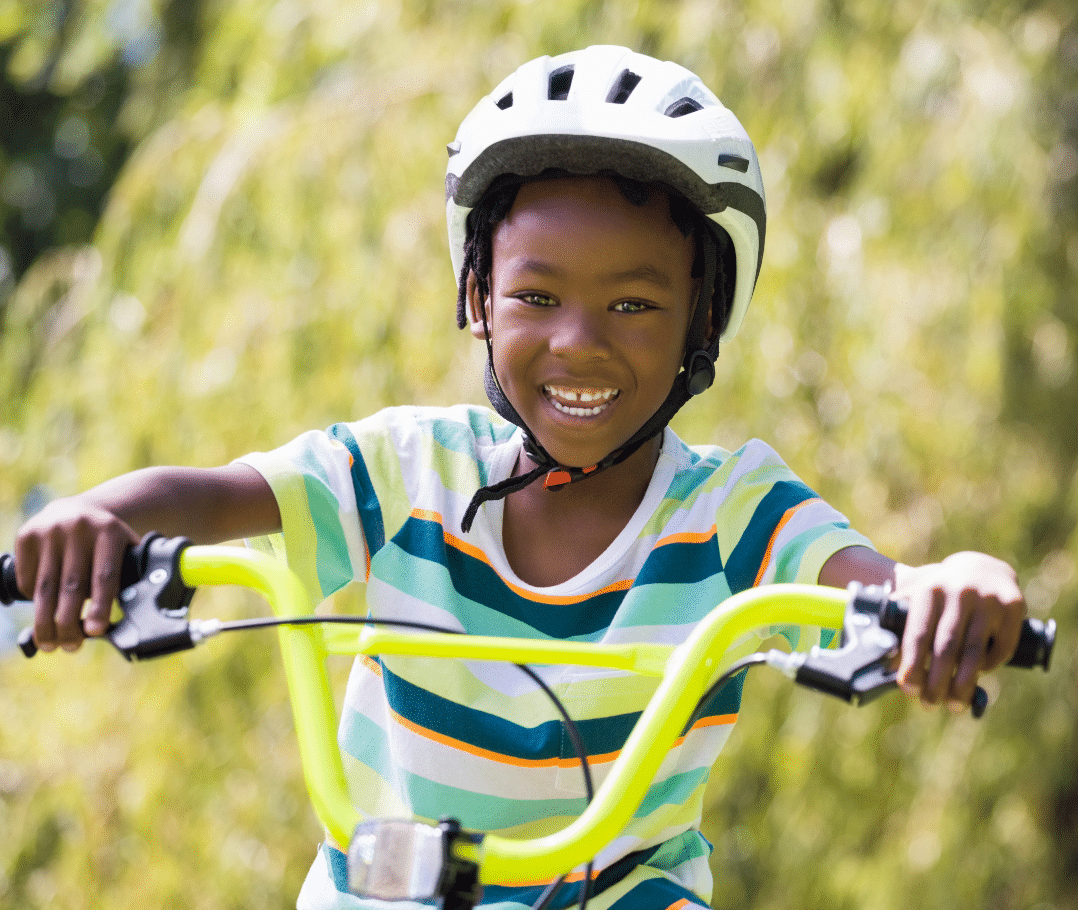
Wearing a helmet while riding a bike can save lives. Many places have laws to make helmet use mandatory. These laws help reduce serious injuries and deaths.
Promoting helmet use is important for safety. Communities, schools, and support programs work together to encourage riders to wear helmets.
Community Awareness Campaigns
Communities organize events to teach people about helmet safety. These campaigns show how helmets protect riders during accidents.
Public posters, social media messages, and local talks help spread the word. These efforts remind everyone to wear helmets every time they ride.
Role Of Schools And Parents
Schools teach children about bike safety and helmet use. Teachers include safety lessons in their classes to build good habits.
Parents can set a good example by wearing helmets themselves. They can also check their children’s helmets to make sure they fit well.
Incentives And Support Programs
Some programs offer free or low-cost helmets to riders. These programs help people who cannot afford to buy helmets.
Incentives like discounts or rewards encourage people to wear helmets more often. These supports make it easier and safer for everyone.
Frequently Asked Questions
Is Helmet Use Mandatory For All Cyclists?
Helmet laws vary by location. In many places, helmets are mandatory for children but optional for adults. Always check local laws before riding. Wearing a helmet is a smart choice for safety. It can reduce the risk of head injuries significantly, whether it’s legally required or not.
What Are The Benefits Of Wearing A Helmet?
Wearing a helmet greatly reduces the risk of head injuries. It provides essential protection during accidents. Helmets are designed to absorb impact and protect the skull. They also offer weather protection and increase visibility. Overall, helmets enhance safety and can save lives.
Are There Any Penalties For Not Wearing A Helmet?
Penalties for not wearing a helmet vary by region. Some places impose fines, while others offer warnings. It’s crucial to understand local regulations to avoid penalties. Besides legal implications, not wearing a helmet increases the risk of severe injuries. Always prioritize safety and comply with helmet laws.
Do Helmet Laws Apply To Electric Bikes?
Helmet laws for electric bikes differ by location. In some areas, they are mandatory, while in others, they aren’t. It’s important to check specific regulations for your area. Regardless of the law, wearing a helmet while riding an electric bike is highly recommended for safety.
Conclusion
Wearing a helmet on a bike is important for safety. Many places have laws requiring helmets. These laws help protect riders from serious injuries. Even where helmets are not required, using one is smart. It can save your life in an accident.
Always choose a helmet that fits well and meets safety standards. Stay safe and follow the rules to enjoy biking. Riding without a helmet is a risk no one should take. Safety first, every time you ride.