Are you wondering how much a new heating and cooling system will cost you? Whether your old unit is failing or you’re simply looking to upgrade, knowing the price upfront can help you make the best choice for your home and budget.
But the total cost isn’t always clear—it depends on several important factors that could surprise you. Keep reading, and you’ll discover what affects the price, how to avoid hidden fees, and tips to get the best value for your money.
By the end, you’ll feel confident about investing in a system that keeps your home comfortable year-round without breaking the bank.
Factors Affecting System Cost
The cost of a new heating and cooling system varies for many reasons. Knowing these factors helps you plan your budget well.
Each home’s needs are different. This makes the price change based on what you choose and need.
Type Of System
Different systems have different prices. Some common types are furnaces, heat pumps, and central air conditioners.
Each system works best in certain climates and home sizes. This affects the cost you will pay.
Size And Capacity
Heating and cooling systems come in different sizes. Bigger homes need bigger systems.
Choosing the right size is important. Too big or too small systems can cost more in the long run.
- Small systems cost less but may not cool or heat well
- Large systems cost more but cover bigger spaces
- Proper sizing saves money and energy
Energy Efficiency
Energy-efficient systems cost more upfront. They use less power and save money later.
Look for systems with high SEER or AFUE ratings. These ratings show how well the system uses energy.
- Higher efficiency means higher price
- Lower energy bills over time
- Better for the environment
Installation Complexity
The difficulty of installation affects total cost. Some systems need simple setups, others need complex work.
Older homes may need extra work to fit new systems. This adds to the installation price.
- Easy installations cost less
- Complex ductwork or wiring costs more
- Extra repairs or upgrades increase price
Brand And Model
Different brands offer different prices. Some brands are known for quality and charge more.
Models within a brand also vary. Advanced features raise the price of the system.
- Trusted brands often cost more
- Basic models are cheaper
- Advanced models have extra features
Credit: www.furnaceprices.ca
Average Price Ranges
Installing a new heating and cooling system can vary widely in cost. Prices depend on the type of system and the size of your home.
Knowing average price ranges helps you budget and plan better for your upgrade or replacement.
Central Air Conditioning
Central air conditioning cools your entire home through ducts. It is common in many houses.
| System Type | Average Cost |
| Basic Central AC | $3,000 – $5,000 |
| High Efficiency Unit | $5,000 – $7,500 |
| Installation and Ductwork | $1,000 – $3,000 |
Heat Pumps
Heat pumps provide both heating and cooling. They work well in mild climates and save energy.
- Air-source heat pumps: $4,000 to $8,000 installed
- Ground-source (geothermal) heat pumps: $10,000 to $30,000
- Maintenance costs are generally low
Furnaces
Furnaces heat your home by blowing warm air through ducts. They run on gas, electricity, or oil.
| Furnace Type | Price Range |
| Gas Furnace | $2,000 – $5,000 |
| Electric Furnace | $1,500 – $3,000 |
| Oil Furnace | $2,500 – $6,000 |
Ductless Mini-splits
Ductless mini-splits cool or heat individual rooms. They do not need ducts and are easy to install.
- Single-zone system: $1,500 to $3,500
- Multi-zone system: $3,000 to $8,000
- Energy efficient and flexible
Hybrid Systems
Hybrid systems combine a furnace and a heat pump. They switch between gas and electric heating for savings.
| System Component | Typical Cost |
|---|---|
| Heat Pump | $4,000 – $8,000 |
| Gas Furnace | $2,000 – $5,000 |
| Installation and Controls | $1,500 – $3,000 |
Installation Costs Explained
Installing a new heating and cooling system involves several costs. These costs include labor, materials, and permits. Understanding each part helps you plan your budget well.
Costs can vary depending on your home’s needs. Let’s look at the main factors that affect the total price.
Labor Charges
Labor charges cover the work done by technicians. This includes removing old units and installing new ones. Skilled labor ensures your system works safely and efficiently.
Labor costs depend on the system’s complexity and your location. On average, expect to pay between $1,000 and $3,000 for installation labor.
Ductwork Modifications
Ductwork moves air through your home. Sometimes, existing ducts need changes to fit a new system. Modifications can include sealing leaks or adding new ducts.
- Sealing leaks improves efficiency
- New ducts may be needed for larger units
- Repairs fix damaged or old ductwork
These changes can add $500 to $2,000 to your project, depending on the work needed.
Permits And Inspections
Permits ensure your installation meets local codes. Inspections check the work for safety and quality. Both are required in many areas.
| Item | Typical Cost |
| Permit Fee | $100 – $300 |
| Inspection Fee | $50 – $150 |
These fees vary by city and the size of your system.
Additional Equipment
Sometimes extra parts are needed. This can include thermostats, air purifiers, or drain pans. These items help your system run better and last longer.
- Programmable thermostats improve control
- Air purifiers clean indoor air
- Drain pans prevent water damage
Adding these items can cost $200 to $1,000 depending on what you choose.

Credit: www.reddit.com
Energy Efficiency And Long-term Savings
Buying a new heating and cooling system is a big choice. Energy efficiency can help you save money over time.
Efficient systems use less energy, which lowers your utility bills. They also reduce your impact on the environment.
Seer And Afue Ratings
SEER stands for Seasonal Energy Efficiency Ratio. It measures how well an air conditioner cools your home.
AFUE means Annual Fuel Utilization Efficiency. It shows how efficiently a furnace turns fuel into heat.
- Higher SEER means better cooling efficiency.
- Higher AFUE means better heating efficiency.
- Look for SEER ratings above 14 and AFUE above 80% for good savings.
Utility Bill Impact
Efficient systems use less electricity or gas. This lowers your monthly utility bills.
Small improvements in efficiency can save hundreds of dollars a year. This adds up over the system’s life.
- Lower energy use means lower bills.
- New systems may reduce repair costs.
- Efficient systems keep your home comfortable with less energy.
Rebates And Incentives
Many states and companies offer rebates to buy energy-efficient systems. These reduce upfront costs.
Incentives can include tax credits, rebates, or discounts. Check local programs before buying.
- Federal tax credits for certain systems.
- Utility company rebates for high SEER or AFUE ratings.
- Local government programs to encourage energy savings.
Financing Options And Budget Tips
Buying a new heating and cooling system can be expensive. Many people look for ways to pay over time. This guide shows financing options and tips to fit your budget.
Understanding your choices helps you make smart decisions. You can save money and still get a good system for your home.
Loans And Credit Plans
Many lenders offer loans and credit plans for heating and cooling systems. These plans let you pay in monthly amounts instead of one large sum.
- Personal loans with fixed interest rates
- Home improvement loans secured by your property
- Credit cards with promotional low rates
- Payment plans through local banks or credit unions
Manufacturer Financing
Some manufacturers offer special financing deals. These often include low or zero interest for a set time. Read the terms carefully before signing.
| Manufacturer | Interest Rate | Payment Period |
| Brand A | 0% APR | 12 months |
| Brand B | 5% APR | 24 months |
| Brand C | 0% APR | 18 months |
Cost-saving Strategies
You can reduce costs with simple strategies. These save money both on purchase and energy bills.
- Compare quotes from several contractors.
- Choose energy-efficient models with good ratings.
- Schedule installation during off-peak seasons for discounts.
- Check for local rebates or tax credits.
- Keep up with regular maintenance to avoid costly repairs.
Credit: www.angi.com
Signs You Need A New System
A heating and cooling system works hard all year. Over time, it may show signs it needs replacement. Knowing these signs helps you avoid big problems.
Look for changes in performance and costs. These clues tell you if your system is ready for an upgrade.
Frequent Repairs
If your system breaks down often, repair costs add up. This can mean your unit is wearing out and not working well.
- Repairs happen every few months
- Fixes cost more than before
- Parts are hard to find
- System stops working during extreme weather
Rising Energy Bills
Your energy bill can rise without changes in use. This often means your system uses more power to do the same job.
| Month | Energy Bill |
| January | $120 |
| February | $135 |
| March | $150 |
| April | $160 |
Inconsistent Temperatures
Some rooms feel too hot or too cold. The system may fail to spread air evenly, causing discomfort.
This happens when parts wear down or the system can no longer handle your home’s size.
System Age
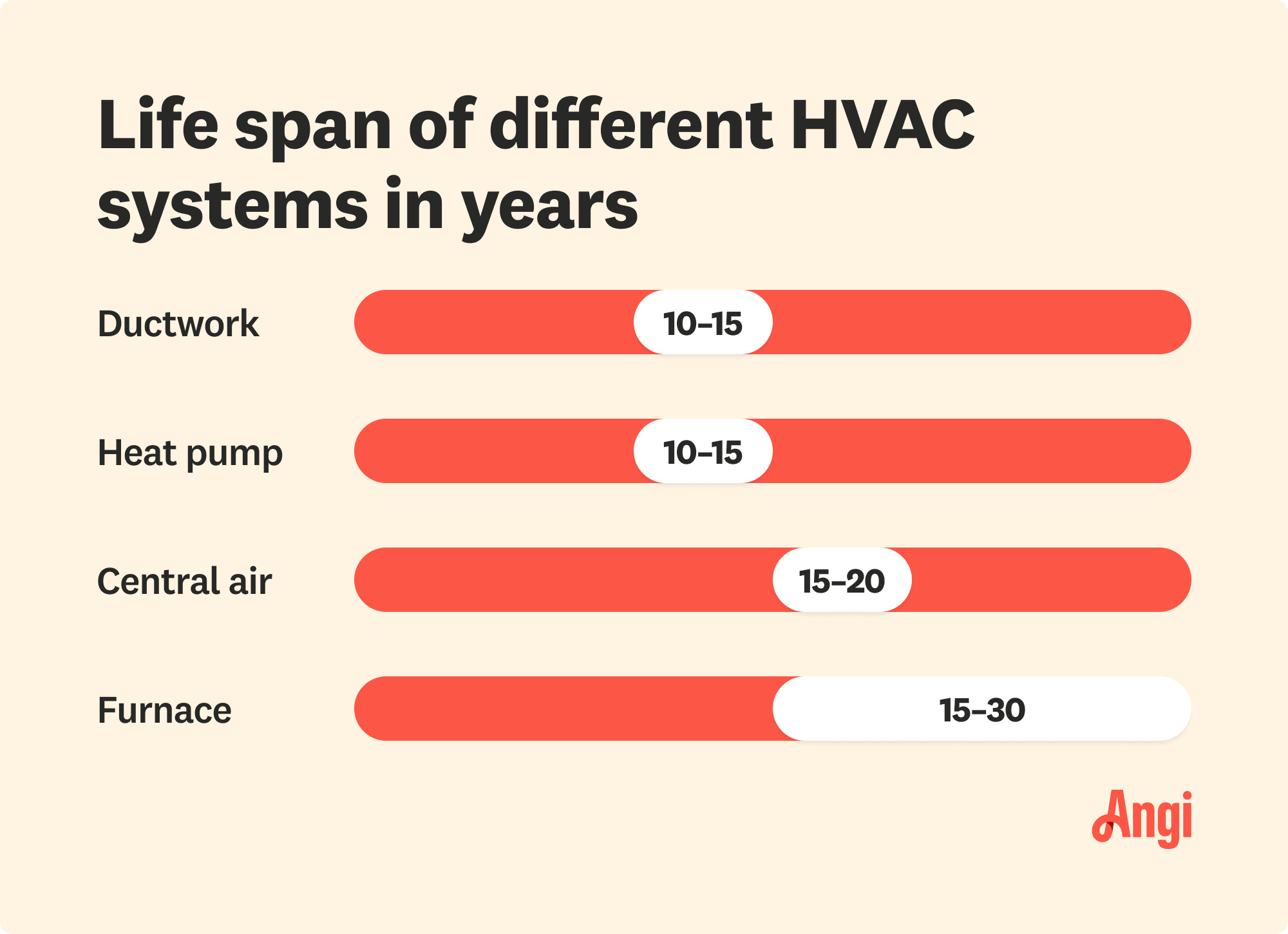
Most systems last 10 to 15 years. Older units lose efficiency and need more repairs.
| System Age | Expected Lifespan | Action |
|---|---|---|
| Less than 10 years | 10–15 years | Maintain regularly |
| 10 to 15 years | 10–15 years | Consider replacement |
| More than 15 years | 10–15 years | Replace soon |
Frequently Asked Questions
How Much Does A New Hvac System Cost?
The cost of a new HVAC system varies widely. It typically ranges from $3,000 to $7,000. The price depends on factors like brand, type, and size. Installation fees can also affect the total cost. Always get multiple quotes from reputable contractors to ensure you’re getting the best deal.
What Factors Affect Hvac System Pricing?
Several factors influence HVAC pricing, including system size, brand, and efficiency rating. Installation complexity and geographical location also play a role. Additional features like smart thermostats may increase costs. It’s important to consider long-term energy savings when evaluating the price of a new system.
Is It Cheaper To Replace Or Repair Hvac?
Replacing an HVAC system can be more cost-effective in the long run. Frequent repairs add up, and older units are less efficient. New systems offer better energy savings and fewer maintenance issues. Evaluate repair costs versus replacement to make the best financial decision for your situation.
How Long Does An Hvac System Last?
An HVAC system typically lasts 15 to 20 years. Regular maintenance can extend its lifespan. However, older systems become less efficient over time. Newer models offer advanced features and better energy efficiency. Consider replacing your system if it’s near the end of its lifespan for improved performance.
Conclusion
Choosing a new heating and cooling system affects comfort and costs. Prices vary based on system type, size, and installation needs. Planning your budget helps avoid surprises later. Quality systems save money on energy and repairs. Think about long-term benefits, not just upfront price.
Ask for quotes from trusted professionals to compare options. A good system keeps your home cozy year-round. Make a smart choice for your comfort and wallet.