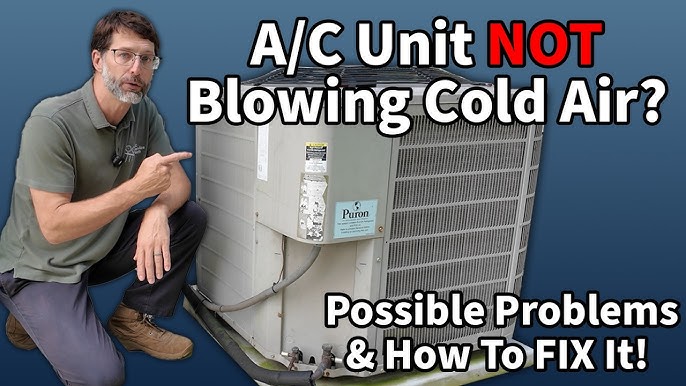
Is your central air conditioner suddenly not working? You rely on it to keep your home cool and comfortable, so when it stops, it can feel frustrating and overwhelming.
You might wonder why this happened and what you can do to fix it quickly. Understanding the common reasons behind a central air conditioner failure can save you time, money, and stress. Keep reading to discover the simple causes you might be overlooking and how you can get your system running smoothly again.
Don’t let a broken AC ruin your comfort—find out what’s going on with your unit right now.
Common Signs Of Ac Failure
Central air conditioners keep your home cool and comfortable. Knowing when your AC stops working is important. It helps you fix problems early.
Many signs show your AC may be failing. Watch for these to avoid bigger issues later.
No Cool Air
When your AC runs but does not blow cold air, it may have a problem. This can happen if the refrigerant is low or the compressor is broken.
Blocked air filters or dirty coils also reduce cooling. Check these parts to see if they need cleaning or replacing.
Unusual Noises
Strange sounds from your AC can mean trouble. Buzzing, rattling, or grinding noises show parts may be loose or damaged.
Ignoring these sounds can cause more damage. Listen carefully for new or louder noises during operation.
Frequent Cycling
Frequent cycling means the AC turns on and off too often. This wastes energy and stresses the system.
Causes include a dirty filter, thermostat issues, or a refrigerant leak. Fixing these helps the AC run smoothly.
Water Leaks
Water pooling near your AC unit is a bad sign. It may be a clogged drain line or frozen coils melting.
Leaks can cause water damage and mold. Check the drain pipes and clean them regularly to prevent leaks.

Credit: www.furnaceprices.ca
Electrical Issues
House central air conditioners often stop working due to electrical problems. These issues can be simple or complex, but they usually stop the unit from running.
Understanding common electrical problems helps you spot them early. This guide covers tripped circuit breakers, blown fuses, and faulty wiring.
Tripped Circuit Breaker
A tripped circuit breaker cuts power to the air conditioner to prevent damage. It happens when the electrical load is too high or there is a short circuit.
- Breaker trips if the unit draws too much power.
- Overloaded circuits cause breakers to trip often.
- Resetting the breaker can restore power temporarily.
- Repeated trips need professional electrical inspection.
Blown Fuses
Blown fuses stop electricity flow to protect the air conditioner. They burn out when electrical surges or faults occur.
| Cause | Effect |
| Power Surge | Fuse blows, AC stops working |
| Short Circuit | Fuse burns out to prevent damage |
| Old or Weak Fuse | Fails under normal load |
Faulty Wiring
Faulty wiring creates unsafe conditions and stops the air conditioner. Wires can break, corrode, or connect improperly.
Signs of faulty wiring include:
- Flickering lights when AC runs
- Burning smells near the unit
- Frequent breaker trips
- Air conditioner won’t turn on
Thermostat Problems
Your house central air conditioner may stop working due to thermostat issues. The thermostat controls the temperature and signals the AC when to turn on or off.
If the thermostat has problems, the AC might not work properly or may stop running completely. Understanding common thermostat problems can help you fix your AC.
Incorrect Settings
The thermostat might have wrong settings that stop the AC from working. If the temperature is set too high, the AC will not turn on.
Also, setting the thermostat to the wrong mode can cause issues. For example, if it is set to heat instead of cool, the air conditioner will not run.
- Temperature set too high or low
- Thermostat mode set to heat instead of cool
- Fan set to “On” instead of “Auto”
Sensor Malfunctions
The thermostat has a sensor to measure the room temperature. If the sensor is faulty, it can send wrong signals to the AC.
A broken or misplaced sensor might think the room is already cool. This stops the AC from turning on, even if the room is hot.
- Sensor not working properly
- Sensor touching the wall or other objects
- Dirty or dusty sensor
Calibration Errors
Calibration means the thermostat’s temperature reading matches the actual room temperature. If it is off, the thermostat will give wrong commands.
Calibration errors can make the AC run too much or not enough. This causes the system to stop working properly or waste energy.
- Thermostat reading too high or low
- Needs recalibration or replacement
- Common in older or cheap thermostats
Credit: www.ars.com
Refrigerant Leaks
Refrigerant leaks are a common reason why house central air conditioners stop working. The refrigerant is a special fluid that cools the air inside your home. If it leaks, the system cannot cool properly.
Leaks can happen in pipes, coils, or connections. Detecting and fixing these leaks is important to keep your air conditioner working well.
Low Refrigerant Levels
When refrigerant levels drop, the air conditioner loses its ability to cool air. This happens because the system does not have enough fluid to absorb heat.
Low refrigerant can cause the system to run longer and use more energy. It also puts extra strain on the compressor, which may lead to damage.
Signs Of Leaks
You can notice leaks by watching for certain signs in your air conditioner. These signs help you catch problems early before damage happens.
- Cooling is weaker than usual
- Air conditioner runs longer than normal
- Ice forms on the evaporator coil
- Hissing or bubbling sounds near the system
- Higher electricity bills without reason
Impact On Cooling
Refrigerant leaks reduce cooling power. The air coming out of vents may feel warm or less cold than before.
Leaks also make the air conditioner work harder. This can cause parts to wear out faster and lead to costly repairs.
Dirty Or Clogged Filters
House central air conditioners can stop working properly due to dirty or clogged filters. These filters catch dust, pollen, and other particles to keep the air clean.
When filters get dirty, they block airflow and cause the system to struggle. This can lead to several problems that affect cooling and efficiency.
Reduced Airflow
Clogged filters reduce the amount of air flowing through the system. This makes rooms cooler more slowly or not at all. The air conditioner has to work harder to push air through the dirt.
Increased Energy Use
When filters are dirty, the air conditioner uses more electricity. It runs longer and works harder to cool your home. This raises your energy bills and wears down the unit faster.
- Dirty filters cause the motor to use more power
- The system runs longer to reach the set temperature
- More frequent repairs might be needed due to strain
Filter Replacement Tips
| Tip | Details |
| Check monthly | Inspect filters every month, especially in heavy use seasons |
| Replace regularly | Change filters every 1-3 months depending on use and filter type |
| Use correct size | Always buy filters that fit your air conditioner properly |
| Keep spare filters | Have extra filters ready to replace dirty ones quickly |
Blocked Condenser Unit
A house central air conditioner can stop working if the condenser unit is blocked. This unit is outside the home and needs clear air to work well.
When the condenser unit is blocked, the air conditioner may lose cooling power or stop running altogether.
Debris Accumulation
Leaves, dirt, and grass can collect around the condenser unit. This debris blocks airflow and covers the fins and coils.
Bird nests and small branches can also cause blockages. These materials stop the unit from working at its best.
Effects On Performance
Blocked airflow makes the air conditioner work harder. This causes the unit to use more energy and cool less efficiently.
The compressor can overheat and fail if the condenser stays blocked for a long time. This can lead to expensive repairs.
- Reduced cooling inside the house
- Higher electricity bills
- Possible breakdown of the system
Cleaning Guidelines
Turn off the power before cleaning the condenser unit. Remove leaves and debris from around the unit by hand or with a brush.
Use a garden hose to gently wash dirt off the fins. Avoid using high pressure, which can damage the fins.
- Clear at least 2 feet of space around the unit
- Clean the unit at least twice a year
- Check for and remove nests or branches
- Call a professional if the unit is very dirty or damaged
Compressor Failures
The compressor is a key part of a house central air conditioner. It helps cool your home by moving refrigerant. When the compressor stops working, the air conditioner cannot cool properly.
Compressor failures are common reasons for a central air conditioner to stop working. Understanding these failures helps in spotting problems early.
Role Of The Compressor
The compressor pumps refrigerant through the air conditioner system. It raises the pressure of the refrigerant to make cooling possible. Without the compressor, the system cannot move heat out of your home.
The compressor works like the heart of the air conditioner. It keeps the refrigerant flowing so the system cools the air inside your house.
Common Causes Of Failure
Several issues can cause a compressor to fail. Overheating, electrical problems, and lack of maintenance are common reasons. Dirt and debris can also damage the compressor over time.
- Overheating due to blocked airflow or low refrigerant
- Electrical failures like burned-out motors or damaged wiring
- Wear and tear from long-term use without proper care
- Refrigerant leaks causing the compressor to work too hard
- Contamination inside the system harming compressor parts
Signs To Watch For
You can notice several signs if the compressor is failing. Strange noises, poor cooling, or the air conditioner not turning on are warning signals. Watching for these signs helps you get repairs fast.
- Loud humming, buzzing, or clicking sounds from the outdoor unit
- Air conditioner blows warm air instead of cool air
- Unit shuts off quickly or does not start at all
- Higher electricity bills without increased use
- Frequent tripping of circuit breakers
Fan Motor Issues
The fan motor is a key part of a central air conditioner. It moves air through the system to cool your home. When the fan motor stops working, the air conditioner stops cooling.
Several problems can cause fan motor issues. These include the fan not spinning, motor burnout, and lubrication needs. Each problem affects how the fan works and how your system cools.
Fan Not Spinning
The fan may stop spinning due to a few reasons. A broken belt or a faulty capacitor can stop the fan blades from turning. Dirt and debris can also block the fan.
- Check if the fan blades are stuck
- Inspect the belt for damage
- Test the capacitor for failure
- Clear any dirt or debris around the fan
Motor Burnout
Motor burnout happens when the motor overheats or runs too long without rest. This can cause the motor to stop working completely. Burnout may result from electrical issues or poor ventilation.
| Cause | Effect |
| Electrical overload | Motor overheats and burns out |
| Poor ventilation | Heat builds up, damaging motor |
| Worn out motor parts | Motor stops working |
Lubrication Needs
The fan motor has moving parts that need lubrication. Without oil, parts can rub and wear out fast. Lack of lubrication can cause noise and reduce motor life.
Signs your fan motor needs lubrication:
- Unusual squeaking or grinding sounds
- Fan runs slower than usual
- Motor gets hot quickly
- Increased energy use
Drainage Problems
Drainage problems are common causes of central air conditioner failure. Water must drain properly to keep the system working. If water backs up, the air conditioner can stop.
Understanding drainage issues helps you avoid costly repairs. Fixing these problems keeps your home safe and your AC running well.
Clogged Drain Lines
Drain lines carry water out of your air conditioner. Dirt and algae can clog these lines. When clogged, water cannot flow out.
Clogged lines make water build up inside the unit. This can cause the air conditioner to stop working to prevent damage.
Water Damage Risks
Water that does not drain can leak into your home. This causes water damage to walls, floors, and furniture. It can also lead to mold growth.
Water damage is expensive to fix and harms your health. Preventing drainage problems protects your home and family.
Maintenance Tips
Regular cleaning of drain lines helps prevent clogs. Check the drain pan for standing water and clean it if needed. Use a wet-dry vacuum to clear blockages.
- Inspect drain lines monthly
- Clean drain pan regularly
- Flush drain lines with vinegar or bleach solution
- Call a professional if water keeps backing up
Preventive Maintenance Tips
Central air conditioners stop working mostly due to lack of care. Regular maintenance keeps your system running well. It also helps avoid costly repairs and improves air quality.
Following simple maintenance tips can extend the life of your air conditioner. Focus on inspections, cleaning, and professional help for best results.
Regular Inspections
Check your air conditioner at least once a month during heavy use. Look for unusual noises, leaks, or weak airflow. Inspect the thermostat settings and electrical connections too.
Early detection of small problems stops bigger failures later. Regular inspections save time and money.
Cleaning Routines
Cleaning your air conditioner is important to keep it efficient. Dirt and debris block airflow and reduce cooling power. Follow this simple cleaning checklist:
- Clean or replace air filters every 1 to 3 months
- Clear leaves and dirt around outdoor units
- Wash condenser coils gently with water
- Check drain lines for clogs and clean if needed
- Remove dust from vents and registers
Professional Servicing
Hire a qualified technician for yearly servicing. A professional can:
| Service Task | Why It Matters |
| Check refrigerant levels | Ensures proper cooling |
| Test electrical components | Prevents shorts and failures |
| Inspect ductwork | Improves airflow and efficiency |
| Lubricate moving parts | Reduces wear and noise |
| Calibrate thermostat | Maintains accurate temperature |

Credit: www.ars.com
Frequently Asked Questions
Why Is My Ac Not Blowing Cold Air?
Your AC might not blow cold air due to a dirty air filter, low refrigerant levels, or a malfunctioning thermostat. Ensure your air filter is clean and consider having a professional check refrigerant levels and thermostat functionality for optimal performance.
What Causes Ac To Stop Working Suddenly?
Sudden AC failure can result from electrical issues, a blown fuse, or a tripped circuit breaker. Check your electrical panel and reset any tripped breakers. If the issue persists, consult an HVAC technician to diagnose the problem.
How Often Should Ac Filters Be Replaced?
AC filters should typically be replaced every 1 to 3 months for optimal performance. Regular replacement helps maintain airflow and energy efficiency. Check your filter monthly and replace it if it’s dirty. This simple maintenance can prevent many common AC issues.
Can A Thermostat Cause Ac To Stop?
Yes, a faulty thermostat can cause your AC to stop working. If your thermostat is not calibrated correctly, it might not signal the AC to cool. Try replacing the batteries or upgrading to a programmable thermostat for better control.
Conclusion
A house central air conditioner can stop working for many reasons. Dirt, power issues, or broken parts often cause problems. Regular checks and cleaning help keep it running well. Fix small issues quickly to avoid bigger repairs later. Call a professional if you cannot find the problem.
Staying aware saves money and keeps your home cool. Don’t wait until it stops completely. Taking care of your AC means comfort all summer long. Simple steps make a big difference in air conditioner health.