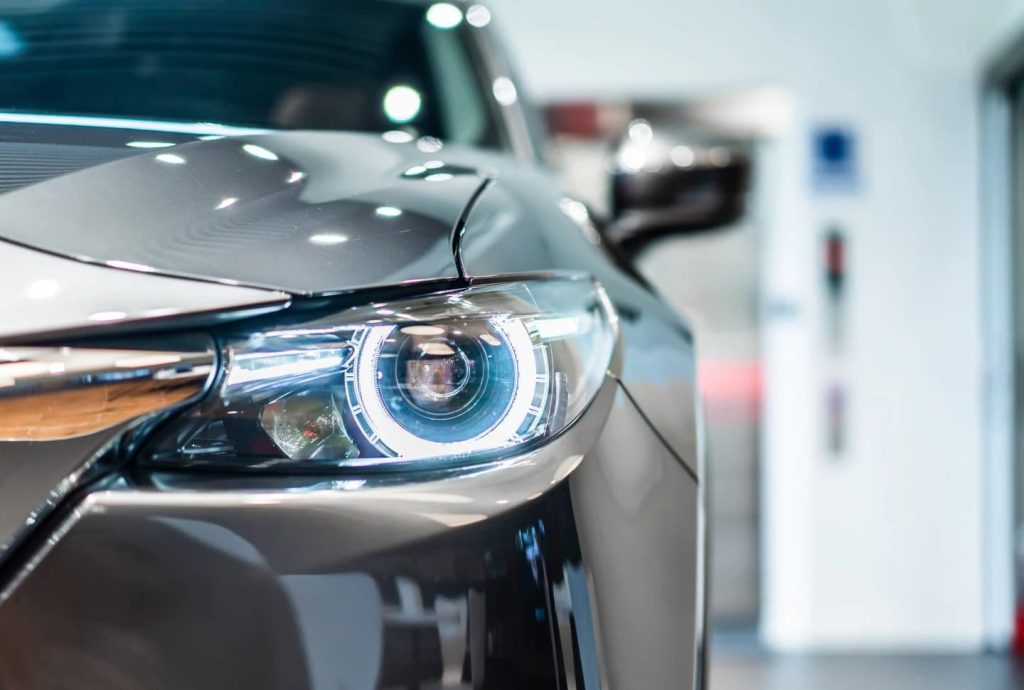
Have you ever wondered how long your car headlights will actually last before they need replacing? Your headlights are more than just lights—they’re your safety on the road, especially when night falls or weather turns bad.
Imagine driving down a dark road and suddenly your headlights dim or go out. That’s a scary moment you want to avoid. Knowing how long your headlights last can save you from unexpected surprises and keep your car running smoothly.
You’ll discover the lifespan of different types of headlights and simple tips to make them last longer. Keep reading to protect your drive and stay safe every time you hit the road.
Credit: www.5diamonddetailing.com
Types Of Car Headlights
Car headlights come in different types. Each type has its own features and lifespan.
Understanding these types helps you choose the right headlights for your vehicle.
Halogen Bulbs
Halogen bulbs are the most common headlights. They use a tungsten filament and halogen gas inside a glass bulb.
These bulbs are affordable but have a shorter lifespan compared to other types.
Led Headlights
LED headlights use light-emitting diodes to produce light. They are energy-efficient and last longer than halogen bulbs.
- Lower power consumption
- Brighter light output
- Long lifespan, often over 20,000 hours
- More expensive upfront cost
Hid Xenon Lamps
HID Xenon lamps create light by an electric arc between two electrodes. They are brighter and use less energy than halogen bulbs.
| Feature | HID Xenon Lamps | Halogen Bulbs | LED Headlights |
| Average Lifespan | 2,000 to 3,000 hours | 450 to 1,000 hours | 15,000 to 30,000 hours |
| Brightness | High | Medium | Very High |
| Energy Use | Moderate | High | Low |
| Cost | Moderate to High | Low | High |
Average Lifespan Of Headlight Types
Car headlights come in different types. Each type lasts a different amount of time. Knowing how long headlights last helps you plan replacements.
This guide covers the average lifespan of halogen, LED, and HID headlights.
Halogen Longevity
Halogen headlights are the most common type. They use a tungsten filament and halogen gas inside the bulb. These lights are simple and cheap.
On average, halogen headlights last about 450 to 1,000 hours. They need more frequent replacement than other types.
- Cost-effective
- Easy to replace
- Shorter lifespan
Led Durability
LED headlights use light-emitting diodes. They are energy-efficient and brighter than halogen bulbs. LEDs have no filaments, so they last longer.
LED headlights can last between 15,000 to 30,000 hours. They are more expensive but need less frequent changes.
- High energy efficiency
- Long lifespan
- Higher upfront cost
Hid Lifespan
HID headlights use xenon gas and produce a bright, white light. They provide better visibility than halogen bulbs. HID bulbs work by creating an electric arc.
HID headlights typically last around 2,000 to 3,000 hours. They last longer than halogen but less than LEDs.
- Bright and clear light
- Moderate lifespan
- Requires special ballasts
Factors Affecting Headlight Lifespan
Car headlights do not last forever. Several factors affect how long they shine bright. Knowing these factors helps you take better care of your headlights.
Different conditions and uses can make headlights wear out fast or last longer. Below, we explore the main factors that impact headlight lifespan.
Driving Conditions
Driving on rough roads or in bad weather can reduce headlight life. Dirt, dust, and moisture can damage the bulb and its cover. Bright sunlight and heat also cause wear.
- Gravel and dirt roads cause vibrations that hurt bulbs
- Rain and snow may cause moisture inside headlights
- Hot climates can weaken bulb filaments faster
- Frequent night driving exposes bulbs to longer use
Quality Of Bulbs
Not all headlight bulbs are the same. Higher quality bulbs last longer and give better light. Cheaper bulbs may burn out quickly or break easily.
| Bulb Type | Average Lifespan | Light Quality |
|---|---|---|
| Halogen | 450 to 1,000 hours | Good |
| LED | 15,000 to 30,000 hours | Excellent |
| HID (Xenon) | 2,000 to 3,000 hours | Very Good |
Electrical System Health
The car’s electrical system affects headlight life. Voltage spikes or weak wiring can burn out bulbs fast. Regular checks keep the system stable and safe for headlights.
Signs of electrical problems include:
- Headlights flickering or dimming
- Burning smell near the headlight area
- Blown fuses related to lighting
Usage Frequency
The more you use your headlights, the sooner they wear out. Drivers who often drive at night or in dark areas use headlights more, reducing bulb life. Short trips with frequent on-off use also stress bulbs.
Signs Your Headlights Need Replacement
Your car headlights are important for safe driving. Over time, headlights can wear out and lose their strength. Knowing when to replace them keeps you safe on the road.
Look for certain signs that show your headlights are failing. These signs help you decide if it’s time for new headlights.
Dimming Light Output
If your headlights seem less bright than before, they might be dimming. Dimming light makes it harder to see at night or in bad weather.
Dimming can happen because the bulb is old or the headlight lens is dirty or cloudy. Check your lights regularly to notice any changes.
Flickering Or Intermittent Lighting
Flickering headlights turn on and off quickly or do not stay lit consistently. This can be dangerous because it reduces visibility suddenly.
Flickering may happen due to loose connections, bad wiring, or a failing bulb. If your headlights flicker, get them checked soon.
Color Changes
Headlights that change color, such as turning yellow, blue, or red, show signs of wear. Color changes mean the bulb or lens is damaged.
Different colors can also reduce how well your headlights light the road. Replace headlights showing unusual colors for better safety.
Tips To Extend Headlight Life
Car headlights help you see clearly at night and in bad weather. Keeping them in good shape is important for safety. You can take simple steps to make your headlights last longer.
These tips focus on cleaning, installing, and protecting your headlights from damage. Follow them to avoid frequent replacements and save money.
Regular Cleaning
Dirt and grime reduce headlight brightness. Clean your headlights often to keep light clear and strong. Use soft cloths and mild soap to avoid scratches.
- Wash headlights every two weeks
- Use a gentle cleaner or car shampoo
- Dry with a soft microfiber cloth
- Apply a protective wax to prevent dirt buildup
Proper Installation
Correct installation helps headlights work well and last long. Make sure bulbs fit tightly and wiring is secure. Loose parts can cause damage or reduce light output.
| Installation Step | Tip |
| Bulb Fit | Check the bulb matches your car model |
| Wiring | Inspect wires for damage before connecting |
| Seal | Ensure headlight covers close tightly to keep dust out |
Avoiding Moisture Buildup
Moisture inside headlights can cause fog and damage bulbs. Keep headlights dry by checking seals and vents regularly. Fix cracks or leaks as soon as you find them.
- Park in covered areas during rain or snow
- Use silica gel packs inside headlight housings for extra moisture control
- Replace damaged seals immediately

Credit: www.reddit.com
Choosing The Right Replacement Bulbs
Car headlights need the right bulbs to work well. Choosing the correct replacement bulbs helps keep your lights bright and safe. This guide covers key points to consider when picking new bulbs for your car.
Use this information to find bulbs that fit your vehicle and meet your needs. Good choices improve night driving and reduce the chance of needing frequent replacements.
Matching Bulb Types
Each car uses specific bulb types for headlights. Check your owner’s manual or the old bulb to find the right type. Using the wrong bulb can cause poor lighting or damage.
- Halogen bulbs are common and affordable.
- LED bulbs last longer and use less energy.
- HID bulbs are very bright but cost more.
- Make sure the bulb fits the socket size in your car.
Considering Brightness And Beam Pattern
Brightness affects how well you see the road at night. The beam pattern controls how light spreads. Both must follow safety rules to avoid blinding other drivers.
| Feature | What to Check | Why It Matters |
| Brightness | Match the bulb’s brightness to your car’s design | Ensures good road visibility without glare |
| Beam Pattern | Check the spread and cutoff of the light | Prevents dazzling other drivers and improves safety |
Budget Vs. Quality
Decide how much to spend on replacement bulbs. Cheap bulbs may save money but wear out faster. Higher quality bulbs often last longer and perform better.
- Low-cost bulbs are easy to find but may dim quickly.
- Mid-range bulbs balance price and lifespan.
- Premium bulbs offer best brightness and durability.
- Consider how often you want to replace bulbs.
Credit: www.ebay.com
Frequently Asked Questions
How Often Should I Replace Car Headlights?
Car headlights typically last between 500 to 1,000 hours. It’s good to check them every 1 to 2 years. If you notice dimming or flickering, it might be time for a replacement. Regular maintenance can help ensure your headlights are in optimal condition.
What Factors Affect Headlight Lifespan?
Several factors influence headlight lifespan, including bulb type, usage frequency, and driving conditions. Halogen bulbs generally have a shorter life compared to LED or HID bulbs. Frequent use and harsh weather conditions can also reduce headlight longevity. Regular inspections can help maintain their performance.
Can I Extend My Headlight’s Lifespan?
Yes, you can extend your headlight’s lifespan by using them only when necessary. Regular cleaning and ensuring proper electrical connections also help. Avoiding rough terrains and extreme weather conditions can further enhance their durability. Proper maintenance is key to maximizing their lifespan.
Are Led Headlights More Durable?
LED headlights are generally more durable than halogen bulbs. They can last up to 30,000 hours. Their efficiency and resistance to vibrations make them a popular choice among drivers. Despite the higher upfront cost, their longevity and performance make them a cost-effective option.
Conclusion
Car headlights usually last between 500 and 1,000 hours. Their life depends on type and usage. Regular checks help spot dim or broken lights early. Replace bulbs promptly to keep driving safe at night. Proper care also saves money in the long run.
Bright, working headlights improve visibility and avoid accidents. Remember, good lighting means safer roads for everyone. Keep an eye on your headlights to drive with confidence.