Have you ever wondered what keeps your air conditioner safe when it needs a quick power cut? That’s where an air conditioner disconnect comes in.
It might sound technical, but understanding this simple device can save you time, money, and stress. Whether you’re thinking about installing one or just want to know how your AC works behind the scenes, this article will break it down for you.
Keep reading to discover what an air conditioner disconnect is and why it matters for your home’s comfort and safety.

Credit: www.instacart.com
Air Conditioner Disconnect Basics
An air conditioner disconnect is a safety device. It allows you to cut power to the air conditioner unit. This helps during maintenance or emergencies.
Knowing about disconnects can keep you safe. It also protects the air conditioner from damage.
Purpose And Function
The main job of an air conditioner disconnect is to stop electricity flow. This makes it safe to work on the unit. It also helps prevent electrical fires and shocks.
- Allows safe maintenance by cutting power
- Prevents electrical shocks to technicians
- Stops power during emergencies
- Protects the air conditioner from damage
Common Types
There are different types of disconnects for air conditioners. They vary by size and how they are installed. Choosing the right type depends on the unit and local codes.
| Type | Description | Installation |
| Fused Disconnect | Includes fuses to protect against overload | Mounted near the air conditioner |
| Non-Fused Disconnect | Simple switch without fuse protection | Used when fuse protection is elsewhere |
| Circuit Breaker Disconnect | Has a built-in breaker for overload safety | Can be part of main electrical panel |
Location And Installation
An air conditioner disconnect is a safety device. It allows you to turn off power to the air conditioner quickly. This helps during repairs or emergencies.
Knowing where to find the disconnect and how to install it properly keeps your system safe. It also follows electrical rules.
Where To Find The Disconnect
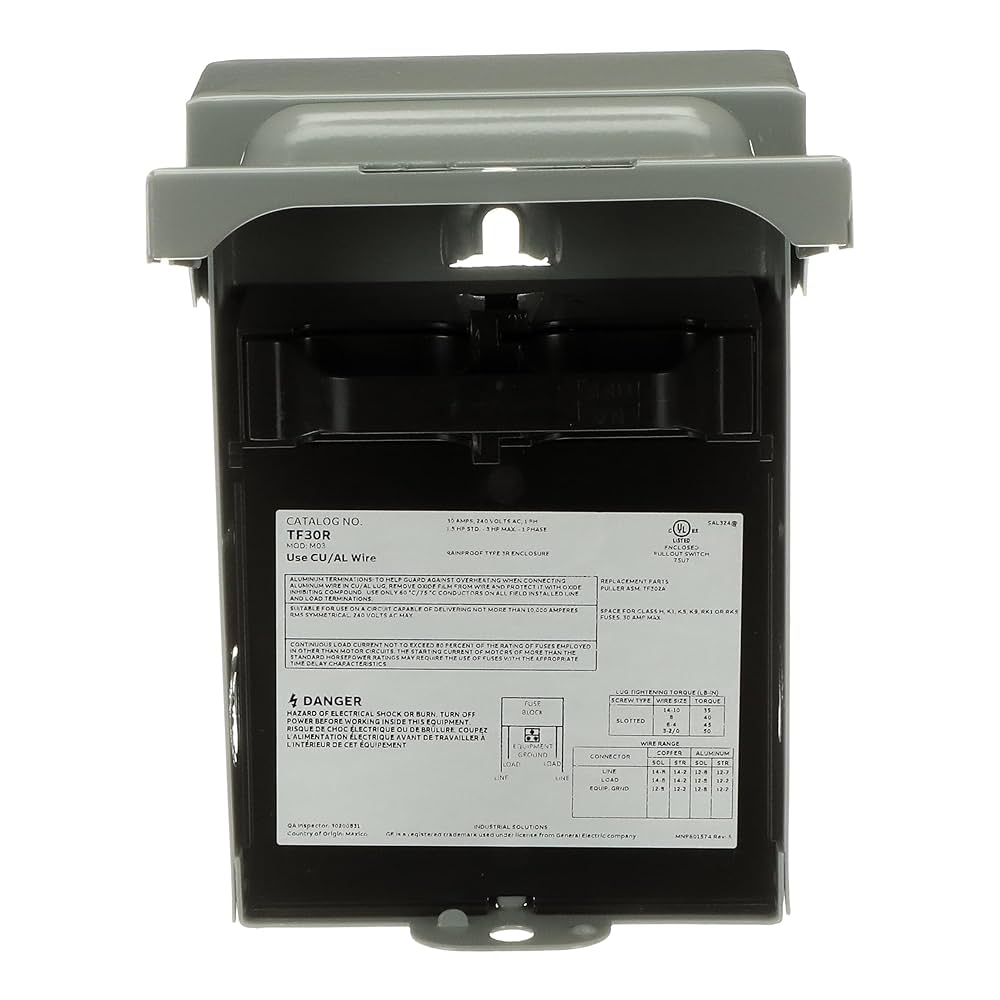
The disconnect is usually near the outdoor air conditioning unit. It can be mounted on the wall or on a post next to the unit.
Sometimes, the disconnect is inside a metal box with a switch or pull-out fuse. This box is easy to open for safety checks.
- Next to the outdoor air conditioner unit
- Mounted on the wall or a nearby post
- Inside a metal box with a switch or fuse
- Close enough to reach in case of emergency
Proper Installation Practices
The disconnect must be installed where it is easy to reach. It should be within sight of the air conditioner.
Electricians must follow local codes and safety rules. The disconnect needs the right size and type for the unit’s power needs.
- Install within sight of the air conditioner
- Mount at a height easy to reach and operate
- Use a disconnect rated for the unit’s electrical load
- Follow local electrical codes and regulations
- Ensure the disconnect is weatherproof for outdoor use
Safety Benefits
An air conditioner disconnect is a switch or breaker near the outdoor unit. It lets you quickly cut power to the air conditioner. This is important for safety during emergencies or repairs.
Using the disconnect helps protect you and your equipment. It stops electrical current safely and prevents accidents.
Emergency Shutoff
The disconnect allows you to turn off the air conditioner fast in an emergency. This can stop electrical shocks or fires. It also helps during storms or power outages.
- Stops power immediately to prevent injury
- Allows firefighters to work safely around the unit
- Prevents damage from electrical shorts
- Can be used if the unit smells like burning or sparks
Maintenance And Repairs
Technicians use the disconnect to safely work on the air conditioner. It ensures no electricity flows while they inspect or fix the unit. This lowers the risk of electric shock.
| Maintenance Task | Safety Role of Disconnect |
| Cleaning coils | Power cut to avoid accidental start |
| Replacing parts | Ensures no electricity during work |
| Checking wiring | Stops electric current for safety |
| Testing system | Allows controlled power use |

Credit: www.amazon.com
How To Use The Disconnect
An air conditioner disconnect is a safety device that cuts power to the unit. It helps protect you and the equipment during maintenance or emergencies.
Knowing how to use the disconnect switch is important. It ensures safe operation and prevents electrical hazards.
Turning Off The Unit
Before working on your air conditioner, turn off the power at the disconnect. This prevents electric shock and damage to the unit.
- Locate the disconnect box near your air conditioner.
- Open the box cover carefully.
- Switch the disconnect handle to the “off” position.
- Confirm the unit has stopped running before starting any work.
Precautions To Take
Follow safety precautions when using the disconnect. These steps help avoid accidents and keep you safe.
| Precaution | Description |
| Wear Protective Gear | Use gloves and safety glasses to protect yourself. |
| Verify Power Off | Use a voltage tester to ensure no electricity flows. |
| Keep Area Dry | Avoid wet conditions around the disconnect to prevent shocks. |
| Use Insulated Tools | Tools with insulated handles reduce risk of electric shock. |
Troubleshooting Disconnect Issues
An air conditioner disconnect is a safety device that cuts power to the AC unit. It allows easy access for maintenance and emergency shutoff.
Sometimes, disconnect problems can stop your AC from working properly. Knowing how to spot and fix these issues can save time and money.
Common Problems
The disconnect switch can face different problems that affect the air conditioner’s function. These include:
- Loose or corroded connections that cause power loss
- Tripped switches that cut off electricity unexpectedly
- Damaged or worn-out fuses inside the disconnect box
- Switch mechanisms that are stuck or hard to move
- Improper installation leading to unsafe wiring
Check these areas to find the cause of disconnect issues. Always turn off power before inspecting the disconnect.
When To Call A Professional
Some disconnect problems need expert help. Use a professional if you see any of the following:
| Issue | Reason to Call a Professional |
| Repeated tripping | Could indicate a wiring or overload problem |
| Burn marks or smell | Signs of electrical damage or fire risk |
| Fuse replacement | Needs correct fuse type and safe handling |
| Switch difficult to operate | May require repair or replacement by a trained technician |
| Unknown wiring setup | Improper wiring can be dangerous |
Licensed electricians have the tools and knowledge to fix disconnect issues safely. Do not try complex repairs yourself.

Credit: www.amazon.com
Upgrading And Replacing Disconnects
An air conditioner disconnect is a safety device that cuts off power to the unit. It helps protect the system during repairs or emergencies.
Over time, disconnects can wear out or become outdated. Upgrading or replacing them keeps your system safe and working well.
Signs You Need A New Disconnect
Knowing when to replace your air conditioner disconnect can prevent damage and hazards. Watch for these signs:
- The disconnect switch feels loose or hard to turn.
- You see rust, corrosion, or water damage on the disconnect.
- The air conditioner does not power off when using the disconnect.
- Wiring looks burnt or melted around the disconnect area.
- The disconnect is outdated or does not meet current electrical codes.
Choosing The Right Replacement
Choosing the correct disconnect is important for safety and performance. Consider these factors before buying:
| Factor | Details |
| Voltage Rating | Match your air conditioner’s voltage (usually 240V or 120V) |
| Amperage Rating | Choose a disconnect rated for your unit’s maximum current |
| Type | Fused or non-fused based on local codes and your needs |
| Weatherproof Rating | Outdoor disconnects should be weather-resistant (NEMA 3R or better) |
| Mounting Style | Wall-mounted or pedestal-mounted depending on your setup |
Frequently Asked Questions
What Is An Air Conditioner Disconnect Switch?
An air conditioner disconnect switch is a safety device. It is used to shut off power to the AC unit. This allows for safe maintenance and emergency repairs. It is usually installed near the outdoor unit. It ensures the system is completely de-energized.
Why Is An Ac Disconnect Necessary?
An AC disconnect is necessary for safety reasons. It ensures that technicians can safely service the air conditioner. It prevents accidental electrical shocks during maintenance. It also allows homeowners to quickly cut power in emergencies. This enhances safety and system reliability.
Where Is The Ac Disconnect Located?
The AC disconnect is typically located near the outdoor unit. It is mounted on an exterior wall of the home. This location provides easy access for maintenance and emergencies. It should be within sight of the air conditioning unit. This ensures safety during service operations.
How Do You Use An Ac Disconnect?
To use an AC disconnect, flip the switch to the “off” position. This cuts off power to the air conditioner. Always ensure the system is off before performing any maintenance. This prevents electrical hazards and ensures safety. Once maintenance is complete, switch it back on.
Conclusion
An air conditioner disconnect keeps your unit safe and easy to fix. It stops electricity during repairs or emergencies. Knowing its role helps you understand your AC better. Always check your disconnect before servicing your system. This small part makes a big difference in safety.
Simple but important. Remember, keeping your AC disconnect in good shape protects your home and family.