Have you ever wondered just how cold your air conditioner can actually get? You want your home to feel refreshingly cool during those hot days, but understanding the limits of your AC can help you set the right expectations.
Knowing how cold an air conditioner can make your space will also help you avoid wasting energy or damaging your unit. You’ll discover what affects your AC’s cooling power and how to get the most comfortable temperature for your home.
Keep reading to learn the secrets behind your air conditioner’s cooling ability and make your space the perfect escape from the heat.
Air Conditioner Cooling Basics
An air conditioner cools air by moving heat from inside to outside. It uses a special liquid called refrigerant. This liquid absorbs heat inside your home and releases it outside. A fan blows the cooled air inside. The process keeps the room temperature lower than outside.
Several factors affect how cold an air conditioner can get:
- Room size:Larger rooms need stronger AC units for better cooling.
- Outdoor temperature:Hotter days make it harder for the AC to cool well.
- Insulation quality:Good insulation keeps cool air inside and warm air out.
- AC unit size:A properly sized AC cools better and saves energy.
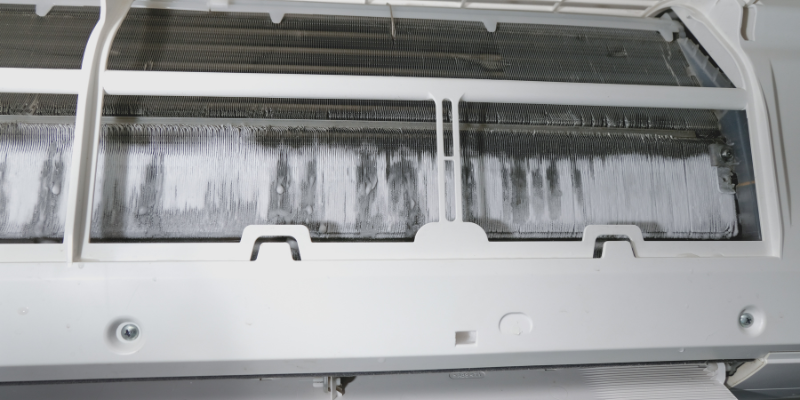
- Maintenance:Clean filters and coils improve cooling performance.
Temperature Limits Of Air Conditioners
An air conditioner can lower room temperature to about 15-20 degrees Fahrenheitbelow the outside heat. This is the minimum achievable temperatureit can reach. The unit cannot make the room colder than this limit.
The outdoor temperaturegreatly affects how cold the air conditioner can get. On very hot days, the AC has to work harder and may not cool the room as much. Cooler outside air helps the unit cool better.
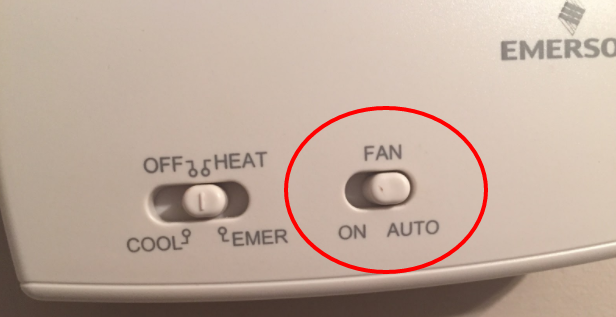
Thermostat settingscontrol the target temperature. Setting it too low can cause the unit to run longer but may not make the room colder beyond its limit. Setting it at a reasonable level helps save energy and keeps the room comfortable.
Types Of Air Conditioners And Cooling Power
Window unitscool small rooms well. They fit in a window and blow cold air inside. These units are easy to install and remove. Their cooling power ranges from 5,000 to 12,000 BTUs.
Split systemshave two parts: one inside and one outside. They are quieter and more energy-efficient. These systems cool larger spaces and offer better temperature control. Cooling power varies from 9,000 to 36,000 BTUs.
Portable air conditionerscan be moved from room to room. They vent hot air through a window hose. Their cooling power is usually 8,000 to 14,000 BTUs. Portable units are less efficient but very flexible.
Central air conditioningcools entire homes. It uses ducts to spread cold air evenly. These systems are the most powerful, with 18,000 to over 60,000 BTUs. Central AC is best for large spaces and whole-house comfort.
Credit: www.aiellohomeservices.com
Environmental And Technical Constraints
Air conditioners cool by moving heat from inside to outside. The heat exchangeprocess limits how cold the air can get. Heat moves through coils filled with refrigerant, which changes from liquid to gas and back. This cycle removes heat from the room.
Refrigerant propertiesaffect cooling power. Some refrigerants absorb heat better, allowing lower temperatures. But safety and environment rules limit which refrigerants are used.
The room sizeand insulationaffect cooling too. Larger rooms need more power to cool. Poor insulation lets warm air in, making it hard to stay cold. Good insulation keeps cool air inside and saves energy.
Optimizing Air Conditioner Efficiency
Regular cleaningof air filters keeps airflow strong and fresh. Dirty filters reduce cooling power and raise energy use. Check filters at least once a month. Clear debris around the outdoor unit to help air flow freely. Schedule a professional checkup each year to find and fix small problems early.
Keep the room setup smart. Close curtains or blinds during the day to block heat from sunlight. Place the air conditioner away from heat sources like lamps or electronics. Avoid covering vents or blocking airflow with furniture. Setting the thermostat to a steady, comfortable temperature helps save energy.
- Use fansto spread cool air faster.
- Ceiling fans can lower the feeling of heat by moving air.
- Open windows at night to bring in cool air if it’s safe.
- Good ventilation helps keep the room fresh and cool.

Credit: www.aljazeera.com
Advanced Cooling Technologies
Inverter technologyhelps air conditioners keep a steady temperature. It adjusts the compressor speed to save energy and cool faster. This leads to quieter operationand less wear on parts.
Smart thermostatslet you control your AC from a phone or tablet. They learn your schedule and adjust cooling to save energy. These devices help maintain a comfortable room temperaturewithout wasting power.
Eco-friendly refrigerantsare used to reduce harm to the environment. They cool the air without damaging the ozone layer. These refrigerants also help the AC run more efficiently.
Common Myths About Ac Cooling
Air conditioners cannot freeze a room. They cool air by removing heat, not by making temperatures below freezing. If the room feels very cold, it is because the AC lowers the temperature to a comfortable level, usually between 68°F and 75°F (20°C to 24°C). Setting the AC to the lowest temperature does not cool the room faster. The compressor runs at a steady rate, and the room cools gradually.
Closing doors and windows helps the AC work better. It stops warm air from entering and cool air from escaping. This keeps the room cooler and saves energy. Leaving doors or windows open makes the AC work harder and cool less effectively.

Credit: www.lifestylewarehouse.co.uk
Frequently Asked Questions
How Cold Can An Air Conditioner Get?
Most air conditioners can cool a room to around 60°F (16°C). However, achieving this temperature depends on various factors. These include the size of the unit, room insulation, and outside temperature. Generally, a well-functioning AC should cool a room by 20°F (11°C) compared to outside.
Why Is My Ac Not Cooling Enough?
Several reasons can cause insufficient cooling. Common issues include dirty filters, low refrigerant levels, or blocked vents. Regular maintenance is crucial to ensure optimal performance. Checking these components can help identify and fix the problem quickly.
Can Acs Cool Below Room Temperature?
Yes, air conditioners can cool below room temperature. They typically lower the temperature by 15-20°F (8-11°C). This cooling capacity depends on the unit’s size, efficiency, and external factors. Ensure your AC is properly sized for your room for effective cooling.
What Factors Affect Ac Cooling Efficiency?
Several factors impact AC cooling efficiency. Key factors include unit size, room insulation, and outdoor temperature. Additionally, regular maintenance and clean filters enhance performance. Ensuring these aspects are optimized will improve your AC’s cooling efficiency.
Conclusion
Air conditioners cool the air to a comfortable level. They do not freeze the room. The temperature depends on the unit’s settings and outside heat. Most units cool between 60 to 75 degrees Fahrenheit. Proper maintenance helps keep the air conditioner working well.
Remember to clean filters and check for leaks. Choose a unit that fits your room size. This ensures better cooling and saves energy. Understanding how cold an air conditioner gets helps you stay comfortable indoors. Stay cool and enjoy your space.