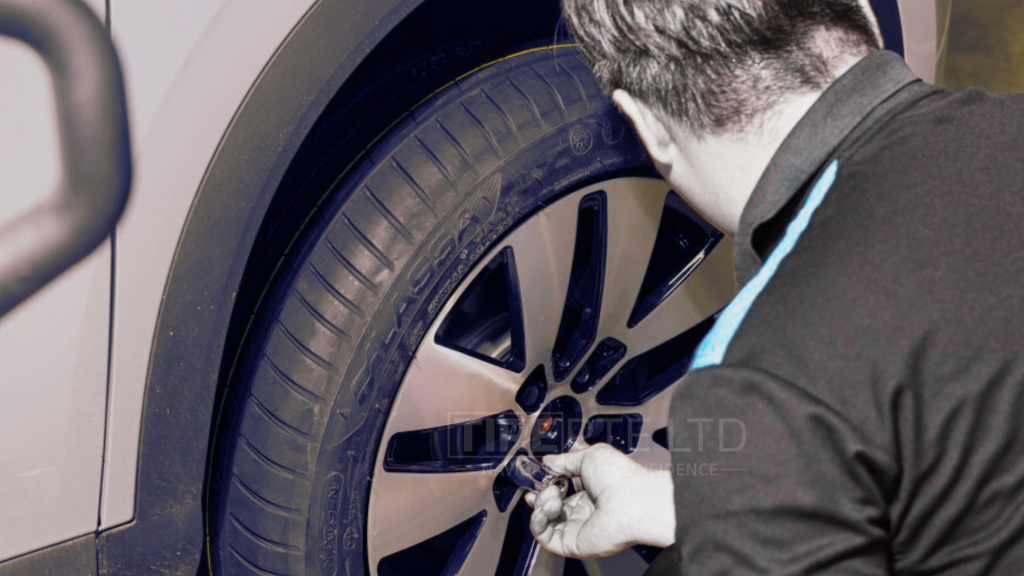
Are you wondering how often to rotate tires on your car? Keeping your tires in good shape is key to your safety and saving money.
If you skip tire rotation, you might face uneven wear, poor handling, and even costly repairs. But how do you know when it’s time to rotate them? You’ll discover the simple steps to keep your tires lasting longer and your ride smoother.
Stick with me, and you’ll never have to guess about tire rotation again.
Why Tire Rotation Matters
Tire rotation means moving tires from one position to another. This helps all tires wear evenly. Even tire wear keeps your car running smoothly.
Rotating tires regularly helps you avoid problems. It saves money and keeps driving safe. Let’s look at why it is important.
Extending Tire Lifespan
Tires wear differently based on their position on the car. Front tires often wear faster due to steering and braking.
- Rotating tires spreads wear evenly across all four tires.
- This helps tires last longer before you need new ones.
- It reduces the chance of having to replace one or two tires early.
Improving Vehicle Performance
Even tire wear keeps your car balanced and stable. Uneven tires can cause pulling or vibrations while driving.
| Benefit | Effect |
| Balanced wear | Smoother ride |
| Even tread depth | Better handling |
| Proper grip | Improved braking |
Enhancing Safety On The Road
Worn tires reduce traction and increase stopping distance. This can be dangerous, especially in wet or icy conditions.
- Regular rotation helps maintain good tire tread.
- Good tread improves grip on the road.
- It lowers the risk of accidents caused by tire failure.
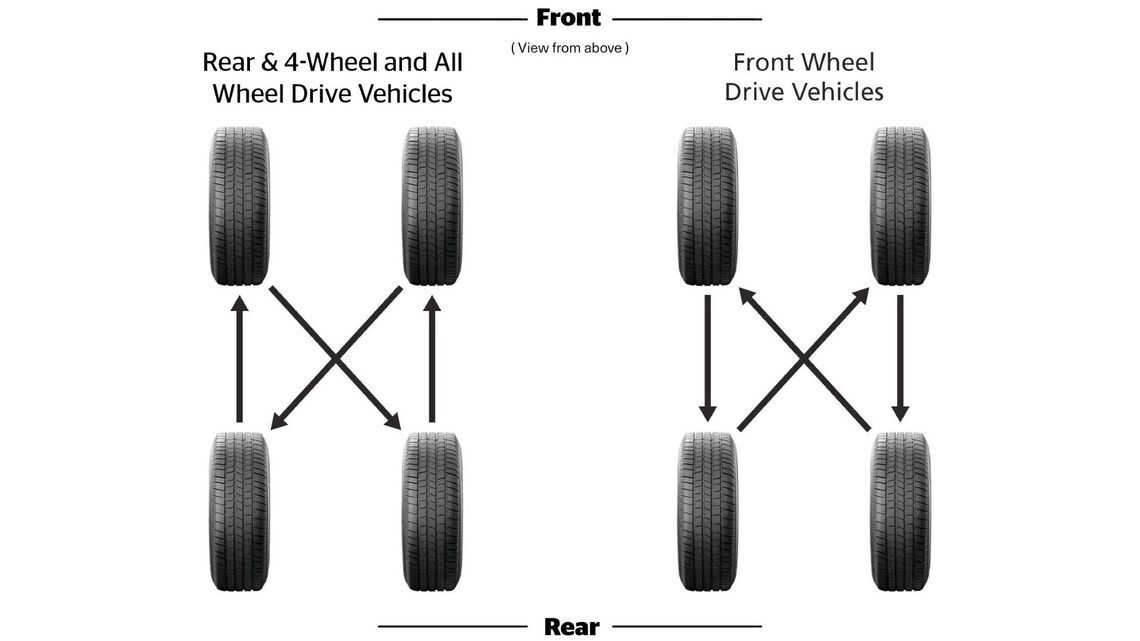
Credit: www.bfgoodrichtires.com
Recommended Rotation Intervals
Rotating tires helps keep your car safe and extends tire life. It means moving tires to different positions on your car. This helps tires wear evenly.
Different methods guide how often you should rotate tires. These methods include manufacturer advice, mileage, and time schedules.
Manufacturer Guidelines
Car makers give specific tire rotation advice. Check your owner’s manual for exact instructions. They know your car’s needs best.
- Follow the pattern suggested by the manufacturer
- Use recommended intervals for rotation
- Consider tire type and driving conditions
- Consult a dealer if unsure
Mileage-based Schedule
Many experts say to rotate tires every 5,000 to 8,000 miles. This depends on your driving style and road types.
| Mileage Interval | Rotation Purpose |
|---|---|
| 5,000 miles | Regular wear balance for city driving |
| 6,000 miles | Optimal for mixed driving conditions |
| 8,000 miles | Longer intervals for highway driving |
Time-based Schedule
Some recommend rotating tires every six months. This works even if you drive fewer miles. Tires age and wear with time too.
- Rotate every 6 months if mileage is low
- Helps prevent uneven tire aging
- Good for cars not driven often
- Matches regular car service visits
Factors Influencing Rotation Frequency
Tire rotation helps keep your car’s tires wearing evenly. It extends the life of your tires and improves safety. How often to rotate tires depends on several factors.
Each factor changes how fast tires wear out. Knowing these can help you decide the best rotation schedule for your car.
Driving Habits
Your driving style affects how quickly your tires wear. Hard braking, fast turns, and quick acceleration cause tires to wear faster. Frequent short trips can also increase wear.
- Driving mostly in city traffic increases wear on front tires.
- Aggressive driving causes uneven tire wear.
- High-speed driving wears tires quicker than normal speeds.
Vehicle Type
The type of vehicle changes how tires wear. Front-wheel drive cars wear front tires faster. Rear-wheel drive cars may wear rear tires more. All-wheel drive cars usually wear tires evenly but need regular checks.
| Vehicle Type | Tire Wear Pattern | Rotation Frequency |
| Front-Wheel Drive | Front tires wear faster | Every 5,000-7,000 miles |
| Rear-Wheel Drive | Rear tires wear faster | Every 6,000-8,000 miles |
| All-Wheel Drive | Even wear | Every 7,000-10,000 miles |
Road Conditions
Road quality and terrain affect tire wear. Rough roads, potholes, and gravel cause tires to wear faster. Driving on smooth highways causes less wear.
Common road conditions and their impact on tire wear:
- Smooth Pavement:Slow, even wear
- Gravel Roads:Faster tread wear and cuts
- Rough or Uneven Roads:Uneven wear and potential damage
- Wet or Icy Roads:Require careful driving to avoid extra wear

Credit: www.worldfordpensacola.com
Common Rotation Patterns
Rotating tires helps them wear evenly and last longer. Different rotation patterns suit different cars and tires.
Choosing the right pattern depends on your tire type and vehicle drive. Here are the common ways to rotate tires.
Front-to-rear Rotation
This pattern moves tires from the front to the rear and rear to the front on the same side. It works well for cars with the same size tires on all wheels.
It helps even out wear because front tires wear faster than rear tires on many cars. This method is simple and often recommended.
- Front left tire moves to rear left
- Rear left tire moves to front left
- Front right tire moves to rear right
- Rear right tire moves to front right
Cross Rotation
Cross rotation moves tires diagonally across the vehicle. This pattern is common for cars with front-wheel drive and non-directional tires.
It balances wear better by changing both position and side. This helps tires last longer and perform well in different conditions.
- Front left tire moves to rear right
- Front right tire moves to rear left
- Rear left tire moves to front right
- Rear right tire moves to front left
Directional Tires Rotation
Directional tires have a tread that points one way. They must rotate front to back on the same side only. Swapping sides can cause damage or poor performance.
This pattern keeps the tread direction correct and safe. It is important for cars with directional tires to follow this rotation style.
- Front left tire moves to rear left
- Rear left tire moves to front left
- Front right tire moves to rear right
- Rear right tire moves to front right
Signs You Need Tire Rotation
Tire rotation helps keep your car safe and running smoothly. It means moving tires to different spots on the car.
Knowing when to rotate tires can save money and improve driving. Look for signs that show tire rotation is needed.
Uneven Tread Wear
Tires wear down in different ways based on their position. Front tires may wear faster on one side.
Uneven tread wear means some tires have less grip. This can cause poor performance and unsafe driving.
- Look for one tire with more worn tread than others
- Check if the edges wear faster than the center
- Inspect for bald spots or thin areas on tires
Vibration While Driving
If you feel shaking or vibration in the steering wheel, tires might be uneven. This often means rotation is needed.
Vibrations can cause discomfort and may harm other car parts. Tire rotation can help balance the wear.
- Notice shaking at certain speeds
- Feel vibrations through the seat or pedals
- Check if vibration gets worse over time
Handling Issues
When tires wear unevenly, the car may pull to one side. This affects steering and control.
Handling problems can make driving unsafe. Rotating tires helps maintain even wear and better control.
- Car pulls left or right while driving straight
- Steering feels loose or less responsive
- Difficulty keeping the car steady on turns
Diy Vs Professional Rotation
Tire rotation helps your car’s tires wear evenly. This keeps your ride smooth and safe. You can do the rotation yourself or hire a professional.
Choosing between DIY and professional rotation depends on your tools, skills, and budget. Let’s look at the key points for both options.
Tools Required For Diy
Rotating tires at home needs some basic tools. You must have the right equipment to do the job safely and correctly.
- Car jack and jack stands to lift the car
- Lug wrench to remove and tighten lug nuts
- Torque wrench to tighten lug nuts to the right pressure
- Wheel chocks to prevent the car from rolling
- Gloves and safety glasses for protection
Benefits Of Professional Service
Professionals have experience and tools that make tire rotation fast and safe. They can spot other tire or brake issues during the service.
- Proper use of equipment and techniques
- Checks for tire wear and damage
- Includes balancing and alignment if needed
- Saves your time and effort
- Usually offers a service warranty
Cost Comparison
| Type | Cost Range | Extras |
| DIY Rotation | $0 – $50 | Only tools and supplies |
| Professional Rotation | $20 – $100 | Inspection and possible balancing |
DIY saves money but needs time and care. Professionals cost more but offer extra checks and safety. Choose what fits your needs best.
Additional Tips For Tire Longevity
Taking care of your tires helps them last longer and keeps you safe on the road. Simple habits can protect your tires from damage and wear.
Below are extra tips on tire care, focusing on pressure checks, alignment, and seasonal changes.
Regular Tire Pressure Checks
Keeping your tires at the right pressure improves fuel efficiency and prevents uneven wear. Check tire pressure at least once a month and before long trips.
- Use a reliable tire pressure gauge
- Check pressure when tires are cold
- Follow the pressure recommended in your car manual
- Adjust pressure for heavy loads or towing
Wheel Alignment And Balancing
Proper wheel alignment and balancing prevent your tires from wearing unevenly. Misaligned wheels can cause pulling to one side and vibration.
| Service | Purpose | Recommended Frequency |
|---|---|---|
| Wheel Alignment | Ensures wheels point in the right direction | Every 12,000 miles or yearly |
| Wheel Balancing | Keeps tires rotating smoothly without vibration | When new tires are installed or every 5,000-6,000 miles |
Seasonal Tire Care
Changing tires for the season helps maintain safety and tire life. Winter tires perform better in cold and snowy conditions. Summer tires offer better grip in warm weather.
- Switch to winter tires before snow starts
- Store off-season tires in a cool, dry place
- Check tire tread depth regularly
- Inspect tires for cracks or damage after each season

Credit: www.daleearnhardtjrbuickgmc.com
Frequently Asked Questions
How Often Should You Rotate Your Car Tires?
It’s recommended to rotate your car tires every 5,000 to 7,500 miles. Regular rotation helps maintain even tread wear, enhances performance, and prolongs tire lifespan. Always consult your vehicle’s manual for specific guidance. This ensures optimal safety and efficiency on the road.
What Are The Benefits Of Rotating Tires?
Rotating tires regularly ensures even wear and extends tire life. It improves fuel efficiency and enhances vehicle handling. By preventing uneven tread wear, it also boosts safety. Regular rotation can save you money by delaying the need for new tires.
Can You Rotate Tires Too Often?
Rotating tires too often isn’t harmful but may be unnecessary. Adhering to the recommended schedule of every 5,000 to 7,500 miles is ideal. Over-rotation doesn’t provide additional benefits and may waste time and effort. Stick to manufacturer guidelines for optimal results.
Do All Cars Require Tire Rotation?
Yes, all cars benefit from regular tire rotation. It ensures even wear and enhances performance. Regardless of vehicle type, rotating tires can prolong their lifespan. Always refer to your car’s manual for specific recommendations. Proper maintenance ensures safety and efficiency.
Conclusion
Tire rotation keeps your car running smoothly and safely. Rotating tires every 5,000 to 7,000 miles helps even out wear. This simple step extends tire life and saves money. Uneven tires can cause poor handling and faster wear. Check your owner’s manual for specific guidance.
Regular tire care improves fuel efficiency too. Small effort, big benefits. Don’t skip this easy maintenance task. Your car and wallet will thank you.