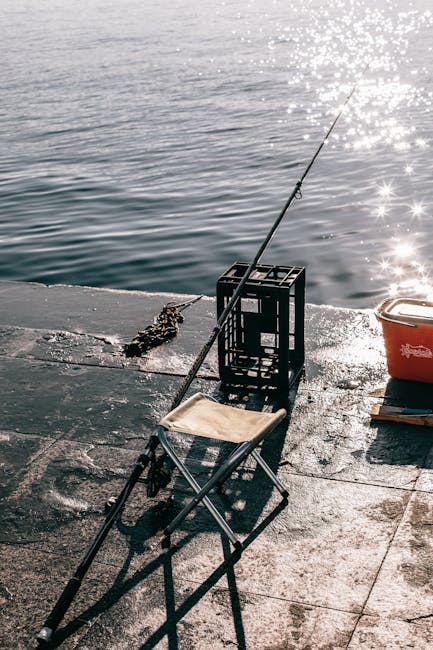
Are you ready to enjoy more successful fishing trips? Knowing how to assemble a fishing rod correctly is the first step toward catching your next big fish.
It might seem tricky at first, but with the right guidance, you can set up your rod quickly and confidently. You’ll discover simple, clear steps that anyone can follow. By the end, you’ll feel ready to tackle the water with your own perfectly assembled fishing rod.
Keep reading, and get ready to make your fishing experience more enjoyable and effective!

Credit: ecoodaoutdoor.en.made-in-china.com
Choosing The Right Rod Components
Assembling a fishing rod starts with choosing the right parts. The rod blank, reel, and line must work well together.
Picking good components helps you catch more fish and enjoy your time on the water.
Selecting The Rod Blank
The rod blank is the main part of the fishing rod. It is the long, thin piece that bends when a fish pulls.
Choose a blank based on the type of fish you want to catch and the fishing style you use.
- Light blanks are best for small fish and gentle casting.
- Medium blanks work well for many types of fish and fishing situations.
- Heavy blanks handle big fish and strong fishing lines.
- Material matters: graphite blanks are light, fiberglass blanks are strong.
Picking The Reel
The reel holds the fishing line and helps you pull in fish. Match the reel to your rod blank size and fishing needs.
Consider the reel type, weight, and drag system for smooth fishing.
- Spinning reels are easy to use and good for beginners.
- Baitcasting reels offer more control for skilled anglers.
- Fly reels are for fly fishing with special rods.
- Check the reel size to fit your rod and line strength.
Choosing The Line
The fishing line connects your rod and reel to the bait or lure. Pick a line that suits your fishing style and target fish.
Consider the line’s strength, thickness, and type for best results.
- Monofilament lines are stretchy and easy to handle.
- Fluorocarbon lines are hard to see underwater and sink fast.
- Braid lines are strong and thin but need careful handling.
- Match the line test weight to your rod and reel capacity.
Preparing The Rod Sections
Assembling a fishing rod starts with preparing the rod sections. Each piece must fit well for good performance.
Careful handling of the rod sections makes the assembly easier and safer for the rod.
Aligning The Guides
Guides are the small rings on the rod that hold the fishing line. Align them straight on each section.
Check that each guide lines up with the others. This helps the line run smoothly when casting or reeling.
- Start from the tip section and look down the rod.
- Turn each section to line the guides in one row.
- Make small adjustments until all guides form a straight line.
- Do not force the guides; gentle turns work best.
Securing The Sections
Fit the rod sections together carefully. Push the smaller end into the larger end firmly but gently.
Keep the sections straight while joining them. This prevents damage and keeps the rod strong.
- Hold the bottom section steady.
- Insert the top section with a slight twist.
- Push until the sections feel snug.
- Do not force the parts to avoid cracks.
Attaching The Reel
Attaching the reel is an important part of setting up your fishing rod. It helps you cast and retrieve the line smoothly.
This guide explains how to position the reel seat and tighten the reel securely.
Positioning The Reel Seat
Place the reel seat where it feels comfortable on the rod handle. Usually, it is near the bottom of the handle.
- Hold the rod with the reel seat facing up.
- Slide the reel foot into the reel seat grooves.
- Adjust the reel so the handle is easy to reach.
- Make sure the reel sits straight and aligned with the rod.
Tightening The Reel
Secure the reel by tightening the reel seat locking rings. This keeps the reel stable during fishing.
| Action | Description |
|---|---|
| Turn locking rings | Rotate the rings clockwise to clamp the reel foot. |
| Check alignment | Ensure the reel stays straight as you tighten. |
| Test stability | Gently wiggle the reel to confirm it is secure. |

Credit: www.youtube.com
Spooling The Line
Spooling the line on your fishing rod is an important step. It helps the reel work smoothly and keeps the line strong.
Careful spooling prevents tangles and line breaks. Let’s look at how to thread the line and wind it properly.
Threading The Line
Start by pulling the fishing line from the spool. Pass it through each guide on the rod, starting at the tip. Make sure the line runs straight and without twists.
- Open the bail arm on the reel.
- Thread the line through the first guide at the rod tip.
- Continue threading through all guides to the reel.
- Attach the line to the reel spool using an arbor knot.
Winding The Line Properly
Keep the line tight as you wind it onto the reel. This prevents loose coils that cause tangles. Use your fingers to add tension while turning the handle.
| Tip | Reason |
| Keep line tight | Prevents tangles and line twists |
| Wind slowly | Ensures even line distribution |
| Check line tension | Stops line from overlapping |
| Fill spool 80% | Allows room for casting |
Setting Up The Guides
Setting up the guides on your fishing rod is an important step. It helps the line flow smoothly and improves casting.
This guide will explain how to feed the line through the guides and check their alignment for best performance.
Feeding The Line Through Guides
Start by passing the fishing line through each guide, beginning at the tip of the rod. Make sure the line runs straight through without twisting or tangling.
- Hold the rod steady with one hand.
- Thread the line through the tip guide first.
- Continue feeding the line through each guide down to the reel.
- Pull enough line so it is free and not tight.
- Check for any snags or catches along the guides.
Checking Guide Alignment
Proper guide alignment keeps the line centered and reduces friction. Misaligned guides can cause line wear or poor casting.
| Guide Position | How to Check | What to Adjust |
| Tip Guide | Look straight down the rod from the handle. | Rotate or shift the guide to center the line path. |
| Middle Guides | Ensure all guides form a straight line to the tip. | Adjust guide rings to align with the tip guide. |
| Reel Seat Guide | Check that the last guide points directly to the reel spool. | Move guide slightly to match reel direction. |
Tying The Hook And Lures
Tying hooks and lures is a key skill in assembling your fishing rod. Good knots keep your tackle secure and ready for action.
Learn simple knots and proper ways to attach hooks and lures. This helps you fish with confidence and avoid losing gear.
Selecting Knots
Choose knots that are strong and easy to tie. Some knots work better for certain lines and lures.
- Improved Clinch Knot: Great for most hooks and lures.
- Palomar Knot: Very strong and simple to tie.
- Loop Knot: Allows the lure to move freely.
Attaching Hooks And Lures
Attach hooks and lures carefully to keep them secure. Tight knots prevent losing fish or gear.
| Hook/Lure Type | Best Knot | Tip |
| Standard Hook | Improved Clinch Knot | Wrap line five times before tightening |
| Spinner Lure | Palomar Knot | Keep loop large to allow spinning |
| Soft Plastic Lure | Loop Knot | Allows natural movement in water |
| Topwater Lure | Palomar Knot | Tie tight for fast action |
Testing The Setup
After assembling your fishing rod, test the setup carefully. This ensures your gear works well before fishing.
Testing helps find any problems with the reel or rod. Fix issues early to avoid trouble on the water.
Checking Reel Function
Start by checking the reel. Make sure it spins smoothly without sticking or rough spots.
Test the drag system by pulling the line. It should resist smoothly and not slip too easily.
- Turn the handle to see if the spool spins freely
- Pull the line to test the drag tension
- Engage and disengage the reel handle to check locking
- Listen for unusual noises during operation
Ensuring Rod Flexibility
Check the rod’s bend by gently flexing it. The rod should curve without feeling too stiff.
Look for any cracks or weak spots while flexing. A good rod bends evenly from base to tip.
- Hold the rod near the handle and tip
- Apply gentle pressure to bend the rod
- Watch for smooth, even bending along the rod
- Stop if you feel resistance or see damage

Credit: anglersresource.net
Frequently Asked Questions
How Do I Attach The Reel To The Rod?
To attach the reel, align it with the reel seat on the rod. Secure it by tightening the seat’s locking mechanism. Ensure the reel is firmly in place before proceeding to the next step in assembling your fishing rod.
What Type Of Line Should I Use?
Choose a fishing line based on your target species and fishing environment. Monofilament is versatile and easy to handle. Braided lines offer strength for larger fish, while fluorocarbon lines are nearly invisible underwater, ideal for clear water conditions.
How Do I Thread The Fishing Line?
Start by threading the line through the rod guides, beginning from the bottom. Ensure the line smoothly passes through each guide without twisting. Once threaded, attach the line to the reel spool and secure it with an arbor knot or similar knot.
How Do I Attach A Hook To The Line?
Tie a hook using a reliable knot like the improved clinch knot. Pass the line through the hook eye, make several turns around the line, then pass it back through the loop. Tighten securely, ensuring the knot is strong and won’t slip during fishing.
Conclusion
Assembling a fishing rod is easier than it seems. Follow each step with care and patience. Check all parts fit tightly and align correctly. Take your time to avoid mistakes. Soon, you will have a strong, ready-to-use fishing rod. Enjoy your fishing trips with confidence.
Keep practicing to improve your skills. Happy fishing!