Are you curious about how your portable air conditioner keeps you cool? You might have heard the term “Freon” and wondered if it’s part of the process.
Understanding whether portable air conditioners use Freon can help you take better care of your unit and ensure it runs efficiently. You’ll discover the truth about Freon, how it works, and what it means for your comfort and safety. Keep reading—you’ll be surprised by what you learn!

Credit: www.youtube.com
How Portable Air Conditioners Work
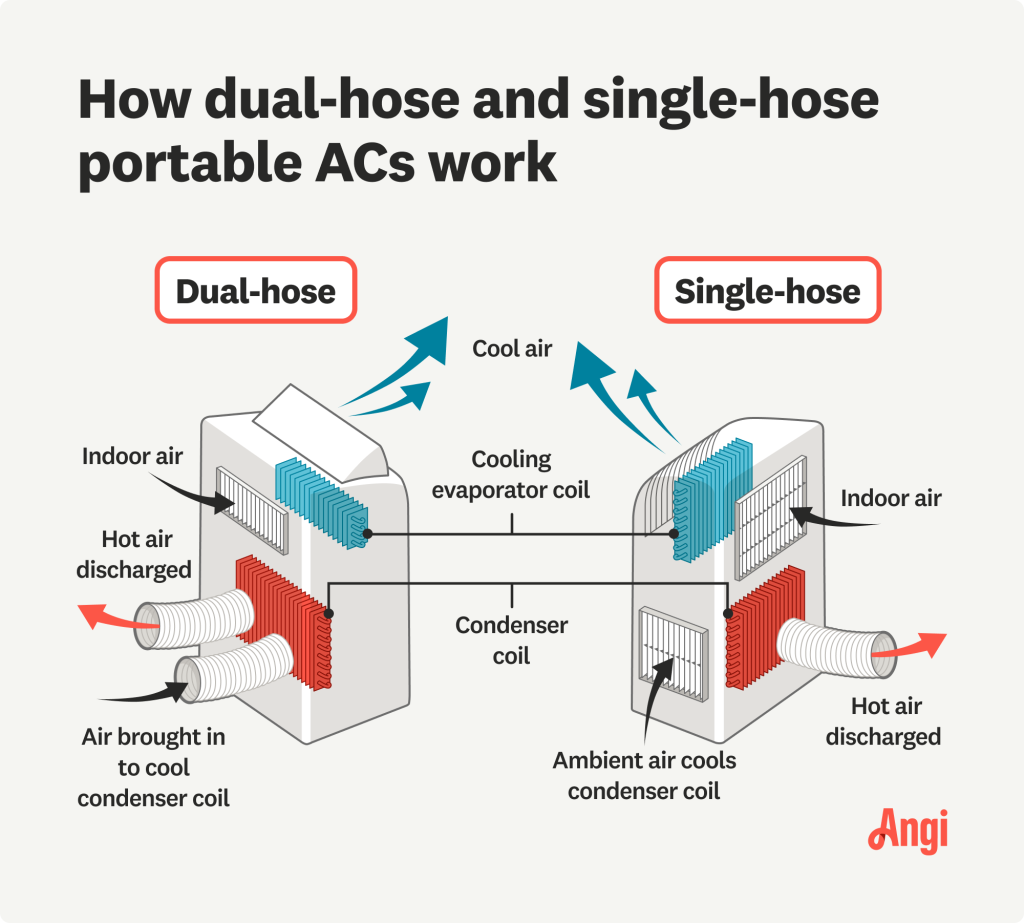
Portable air conditioners use a simple cooling process. They pull warm air from the room inside. This air passes over cold coils. The coils cool the air and remove moisture. The cool air is then blown back into the room. The warm air and moisture are pushed outside through a vent hose.
Refrigerantsplay a key role in this process. These chemicals absorb heat from the air. The refrigerant changes from liquid to gas as it warms up. Then, it moves to another part of the unit where it cools down again. This cycle keeps repeating to cool the room air.
Older units used Freon, a common refrigerant. Many newer models use safer alternatives. These alternatives help protect the environment better. Still, refrigerants are essential for effective cooling in portable air conditioners.

Credit: www.popularmechanics.com
Types Of Refrigerants Used
Portable air conditioners usually use different types of refrigerants. These coolants help remove heat from the air. Common refrigerants include R-410A, R-134a, and R-32. R-410A is popular because it is efficient and safe for the environment. R-134a is less common but still used in some models. R-32 has a lower impact on the environment and is gaining popularity.
Refrigerants can affect the environment. Some types, like older Freon (R-22), can harm the ozone layer. Newer refrigerants have less impact but still contribute to global warming. Using eco-friendly refrigerants helps protect the planet. Proper handling and recycling of refrigerants are very important to reduce harm.
Freon And Its Variants
Freonis a brand name for a group of chemicals called chlorofluorocarbons (CFCs)and hydrochlorofluorocarbons (HCFCs). These chemicals were used in air conditioners and refrigerators as coolants. They help absorb and release heat to cool the air.
Freon is known for being harmful to the ozone layer, which protects the Earth from the sun’s rays. Because of this, many countries have stopped using Freon in new products.
| Type of AC Unit | Common Coolant | Freon Use |
|---|---|---|
| Old Air Conditioners | R-12 (Freon) | Yes |
| Modern AC Units | R-410A, R-32 | No |
| Portable Air Conditioners | R-410A, R-32 | No |
Do Portable Air Conditioners Use Freon?
Many portable air conditionersuse a type of refrigerant called Freon. Freon helps to cool the air by moving heat from inside a room to the outside. It is a common chemical in older and some current portable AC models.
Freon is a brand name, but it often refers to chlorofluorocarbon (CFC)or hydrochlorofluorocarbon (HCFC)refrigerants. These can harm the environment by damaging the ozone layer.
| Type | Common Use | Environmental Impact |
|---|---|---|
| Freon (CFC/HCFC) | Older portable AC units | High ozone depletion potential |
| R-410A | Newer portable AC units | Does not harm ozone layer |
| R-32 | Eco-friendly portable ACs | Lower global warming potential |
- R-410Ais a popular Freon alternative.
- R-32is more eco-friendly and efficient.
- These alternatives cool well without harming the ozone.
Maintenance And Safety Tips
Portable air conditioners often contain refrigerantslike Freon. These chemicals help cool the air inside your home. Handling refrigerants safelyis very important. They can be harmful if leaked or released.
Wear gloves and goggles when working near refrigerants. Avoid breathing in any fumes. Only trained professionals should repair or refill refrigerants. Keep the air conditioner in a well-ventilated area.
Signs of refrigerant leaksinclude:
- Warm air coming from the unit
- Hissing or bubbling noises
- Frost or ice buildup on the coils
- Unpleasant chemical smell near the unit
Spotting leaks early can prevent damage and health risks. Regularly check your unit for these signs.

Credit: www.youtube.com
Choosing The Right Portable Ac
Energy efficiencyis key when selecting a portable air conditioner. Models with higher energy ratings use less power and save money. Most modern portable ACs use environmentally safer refrigerantsinstead of old Freon, which harms the ozone layer.
Portable ACs often use R-410A or R-32 refrigerants. These are better for the environment and work well in cooling.
| Refrigerant Type | Environmental Impact | Energy Efficiency |
|---|---|---|
| R-22 (Freon) | High ozone depletion potential | Lower efficiency |
| R-410A | Low ozone depletion | Better efficiency |
| R-32 | Very low environmental impact | High efficiency |
Choosing a portable AC with a safe refrigerant helps protect the planet. Also, check the Energy Star rating for better power use.
Frequently Asked Questions
Do Portable Air Conditioners Use Freon?
Yes, many portable air conditioners use freon as a refrigerant to cool the air. Freon, known as R-22 or R-410A, is essential for the cooling process. However, some newer models may use alternative, eco-friendly refrigerants due to environmental concerns and regulations.
What Type Of Refrigerant Is Used In Portable Acs?
Portable air conditioners commonly use R-410A refrigerant, which replaced R-22 due to environmental concerns. R-410A is ozone-friendly and more efficient. Always check the unit’s specifications for the exact type of refrigerant used, as some models may differ.
Is Freon Harmful To The Environment?
Yes, freon can be harmful to the environment. Older freon types, like R-22, damage the ozone layer. Newer alternatives, such as R-410A, are more eco-friendly and don’t harm the ozone. However, proper disposal is crucial to prevent environmental damage.
Can I Replace Freon In A Portable Ac Myself?
No, replacing freon in a portable AC should be done by professionals. Handling refrigerants requires specialized tools and knowledge. Incorrect handling can cause leaks or system damage. Always consult a certified HVAC technician for refrigerant-related issues.
Conclusion
Portable air conditioners often use refrigerants like Freon to cool the air. This helps them work quickly and keep rooms comfortable. Knowing about Freon helps you understand how these units function. Always check the model details to see which refrigerant it uses.
Proper care and maintenance keep the air conditioner running well. Small steps, like cleaning filters, make a big difference. Cooling your space doesn’t have to be complicated or confusing. Simple knowledge can help you choose the right portable air conditioner for your needs.