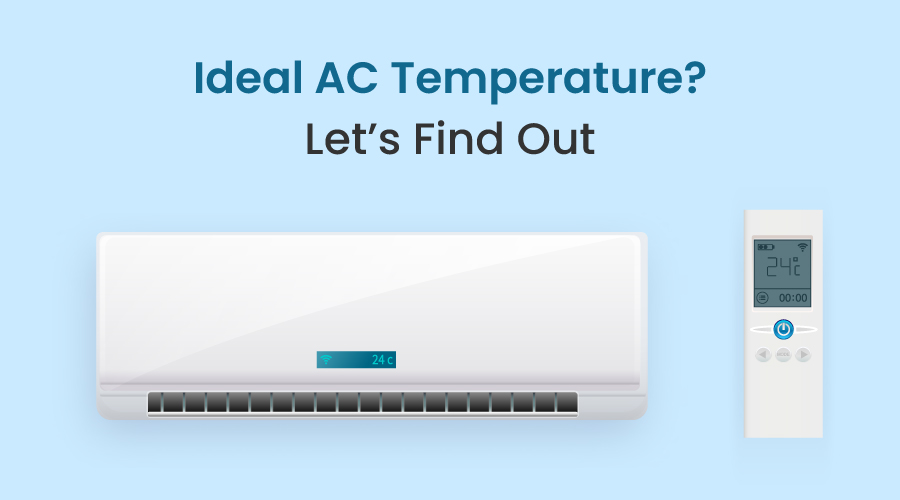
Are you wondering what the perfect air conditioner temperature is for your home or office? Setting your AC just right can make a huge difference—not only in how comfortable you feel but also in how much you spend on energy bills.
Too cold, and you might be wasting money and feeling chilly. Too warm, and you won’t get the relief you need from the heat. You’ll discover the ideal temperature settings that keep your space cozy while saving energy. Keep reading to find out how to create the perfect balance for your comfort and your wallet.

Credit: www.thespruce.com
Ideal Temperature Range
Setting the right air conditioner temperature helps save energy. It also keeps your home comfortable all day.
The ideal temperature depends on the time of day and the season. Adjusting it can improve your comfort.
Daytime Settings
During the day, keep your AC temperature higher to save energy. It should still feel cool enough.
Setting the temperature between 24°C and 26°C (75°F to 78°F) is usually best for daytime.
- Use 24°C (75°F) on hotter days
- Use 26°C (78°F) when it’s cooler outside
- Adjust if you have many people inside
Nighttime Settings
At night, lower the temperature for better sleep. Cooler air helps the body rest well.
Set your air conditioner between 22°C and 24°C (72°F to 75°F) at night for comfort.
- Choose 22°C (72°F) for a cooler room
- Choose 24°C (75°F) if you feel cold easily
- Use a fan to help air circulate
Seasonal Adjustments
Adjust your AC settings as seasons change to stay comfortable. Different weather needs different temperatures.
In summer, keep the temperature lower. In spring and fall, set it a bit higher to save energy.
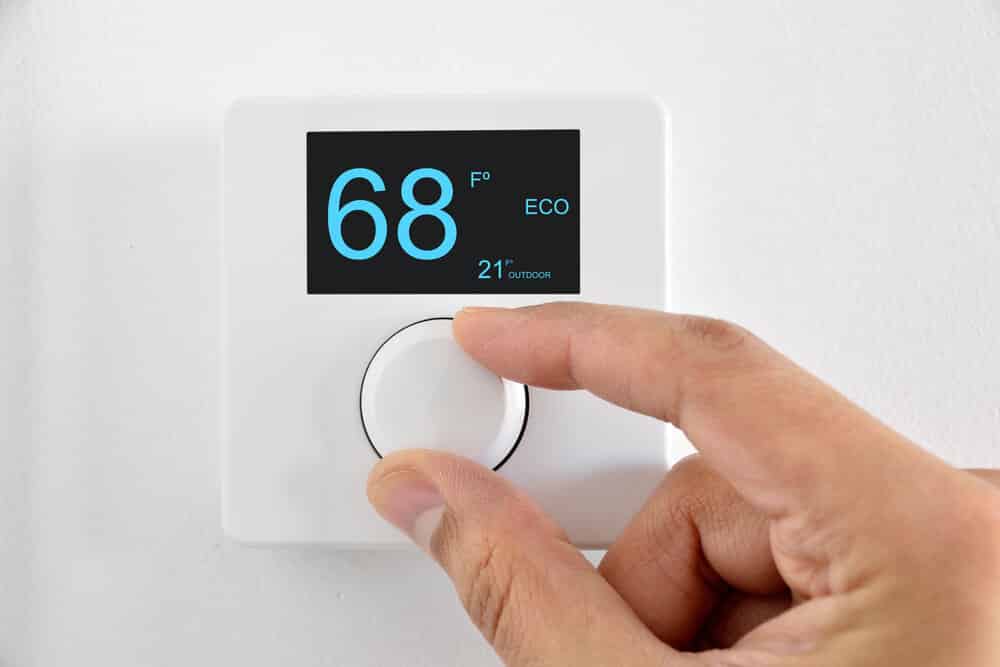
- Summer: 24°C to 26°C (75°F to 78°F)
- Spring/Fall: 26°C to 28°C (78°F to 82°F)
- Winter: Use heating or keep AC off
Credit: fischerheating.com
Factors Influencing Temperature Choice
Choosing the right air conditioner temperature depends on several factors. These factors help make the room comfortable and save energy.
Understanding these factors helps set a temperature that suits your needs and environment.
Room Size And Insulation
The size of your room affects how cold it feels. Larger rooms need cooler temperatures or more powerful air conditioners. Good insulation keeps cool air inside and warm air outside. Poor insulation means the air conditioner works harder.
| Room Size | Recommended Temperature Range (°F) |
| Small (up to 150 sq ft) | 74 – 78 |
| Medium (150 – 300 sq ft) | 72 – 76 |
| Large (300+ sq ft) | 70 – 74 |
| Well Insulated | Higher end of range |
| Poorly Insulated | Lower end of range |
Number Of Occupants
More people in a room produce more body heat. This heat raises the room temperature. You may need to set your air conditioner cooler with more occupants.
- One or two people: Normal temperature settings work well.
- Three to five people: Lower temperature by 1-2 degrees.
- More than five people: Lower temperature by 3 degrees or more.
Humidity Levels
Humidity changes how cold the air feels. High humidity makes it feel hotter. Low humidity makes it feel cooler. Your air conditioner helps reduce humidity.
Tips for temperature setting based on humidity:
- High Humidity (above 60%): Set temperature lower to remove moisture.
- Moderate Humidity (40%-60%): Use moderate temperature settings.
- Low Humidity (below 40%): Higher temperature settings may feel comfortable.
Energy Efficiency Tips
Setting the right temperature on your air conditioner saves energy. It also lowers your electricity bill.
Using fans and keeping your AC well maintained helps cool your home better. These tips keep your AC running efficiently.
Optimal Thermostat Settings
Keep your thermostat at 78°F (26°C) when you are home. This temperature balances comfort and energy use.
Raise the thermostat by 7-10 degrees when no one is home. This saves energy without making the house too hot.
- Set AC to 78°F for cooling
- Increase 7-10°F when away
- Use programmable thermostats for easy control
Using Fans To Enhance Cooling
Fans move air around and make you feel cooler. This lets you raise the thermostat without losing comfort.
Use ceiling fans or portable fans with your AC. Turn off fans in empty rooms to save energy.
- Use fans to improve air circulation
- Turn off fans in unused rooms
- Combine fans with AC to raise thermostat setting
Regular Maintenance Benefits
Clean or replace AC filters every 1-3 months. Dirty filters reduce airflow and waste energy.
Check and clean AC coils and vents yearly. Proper maintenance keeps your system efficient and lasting longer.
- Clean or replace filters regularly
- Inspect coils and vents yearly
- Fix leaks and seal ducts
Health And Comfort Considerations
Setting the right air conditioner temperature helps keep you healthy and comfortable. It affects your body and the air quality inside.
Choosing a good temperature balances cooling with your well-being. It can reduce risks like colds and dry skin.
Avoiding Overcooling
Too cold air can cause discomfort and health issues. Overcooling may lead to chills or dry skin.
Set your air conditioner to a moderate temperature. This keeps you cool without making the air too cold.
- Keep temperature around 75°F (24°C) in summer
- Avoid sudden temperature changes
- Use fans to help circulate air
Managing Allergies And Air Quality
Air conditioners can improve air quality by filtering dust and pollen. Clean filters often to reduce allergens.
Proper temperature helps stop mold growth. Mold can cause allergies and breathing problems.
- Change or clean filters every 1-3 months
- Keep temperature above 68°F (20°C) to prevent mold
- Use air purifiers if allergies are severe
Balancing Humidity And Temperature
Humidity affects how hot or cold you feel. Too much humidity feels sticky; too little causes dry skin.
Air conditioners help reduce humidity. Aim for a balance to keep comfort and health steady.
- Keep indoor humidity between 30% and 50%
- Use a humidifier if air is too dry
- Use a dehumidifier if air feels damp
Smart Thermostat Features
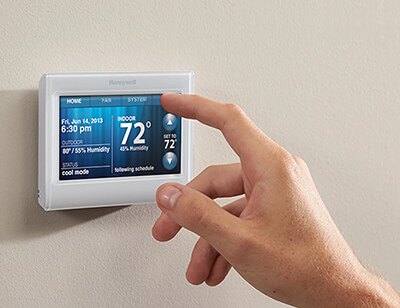
Smart thermostats help control your air conditioner temperature. They make it easy to keep your home comfortable.
These devices have features that save energy and improve convenience. You can adjust settings without being at home.
Programmable Schedules
Smart thermostats allow you to set temperature schedules. You can choose different settings for day and night.
Schedules help save energy by lowering cooling when you do not need it. You can set the AC to start before you arrive.
- Set cooler temperatures during hot hours
- Raise temperature when no one is home
- Adjust settings for weekdays and weekends
Remote Control Options
You can control your smart thermostat from your phone. This lets you change the temperature anytime and anywhere.
Remote control helps when you forget to adjust the AC or want to cool your home before you arrive.
- Use mobile apps for easy control
- Adjust temperature while away
- Turn AC on or off remotely
Learning User Preferences
Smart thermostats learn your temperature preferences over time. They adjust settings automatically based on your habits.
This feature keeps your home comfortable without manual changes. It can save energy by avoiding unnecessary cooling.
- Remembers preferred temperatures
- Adapts to daily routines
- Improves comfort with less effort
Credit: gulfshorecooling.com
Common Mistakes To Avoid
Choosing the right air conditioner temperature is important for comfort and energy use. Many people make simple mistakes that reduce efficiency.
Understanding these mistakes helps you save money and keep your home cool without problems.
Setting Too Low Temperatures
Setting your air conditioner too low does not cool your home faster. It uses more energy and can make your system work too hard.
- Lowering temperature below 72°F wastes energy.
- It can cause uneven cooling in rooms.
- It may lead to higher electricity bills.
- Too low settings can damage the air conditioner.
Ignoring Maintenance
Skipping regular air conditioner care reduces its efficiency. Dirt and dust build up, blocking airflow and cooling power.
| Maintenance Task | Why It Matters |
| Clean or replace filters | Ensures good airflow and clean air |
| Check refrigerant levels | Keeps cooling strong and steady |
| Clear debris around unit | Prevents overheating and damage |
| Schedule professional checkups | Detects issues early and saves money |
Overlooking External Heat Sources
Heat from outside sources makes your air conditioner work harder. Closing blinds and shading windows helps keep heat out.
Common external heat sources to watch:
- Direct sunlight through windows
- Heat from kitchen appliances
- Warm air from doors opening
- Electronics that generate heat
Frequently Asked Questions
What Is The Ideal Ac Temperature For Summer?
The ideal temperature for summer is typically between 24°C and 26°C (75°F to 78°F). This range balances comfort and energy efficiency. Setting your air conditioner within this range can help maintain a pleasant indoor environment while reducing energy consumption and keeping your electricity bills in check.
How Does Humidity Affect Ac Temperature Settings?
Humidity can make the air feel warmer, prompting you to lower the AC temperature. However, setting a temperature between 24°C and 26°C (75°F to 78°F) can still be effective. This range allows the AC to remove excess moisture, making the room feel cooler and more comfortable without excessively lowering the temperature.
Why Is 25°c A Good Ac Setting?
Setting the AC to 25°C (77°F) provides a balance of comfort and efficiency. This temperature is generally comfortable for most people and helps reduce energy usage. By maintaining this setting, you can enjoy a pleasant indoor climate and potentially lower your electricity bills, contributing to a more sustainable environment.
Does Ac Temperature Affect Electricity Bills?
Yes, lower AC temperatures can increase electricity bills significantly. Each degree set below 24°C (75°F) can increase energy usage by 3-5%. Keeping the temperature between 24°C and 26°C (75°F to 78°F) can help manage costs. This range ensures comfort while optimizing energy efficiency, reducing the financial impact.
Conclusion
Choosing the right air conditioner temperature saves energy and money. Setting it around 78°F keeps you cool and comfortable. Avoid very low settings; they waste power and strain your AC. Adjust based on your room and outside heat. Remember, small changes can make a big difference.
Stay mindful of your comfort and the environment. A good temperature helps your AC last longer. Enjoy cool air without high electricity bills. Simple steps lead to better home comfort every day.