Have you ever wondered what the small mirrors inside and outside your car are officially called? You use them every day without giving much thought, but knowing their proper names can actually help you understand your vehicle better.
These mirrors are more than just simple glass—they play a crucial role in your safety and driving experience. Keep reading, and you’ll discover exactly what these car rear mirrors are called, why each one matters, and how they work together to keep you safe on the road.
This knowledge could change the way you see your car—and your driving.

Credit: www.noon.com
Types Of Rearview Mirrors
Car rearview mirrors help drivers see behind their vehicles. They improve safety by showing traffic and obstacles.
There are different types of rearview mirrors. Each type has a special use and design.
Interior Rearview Mirrors
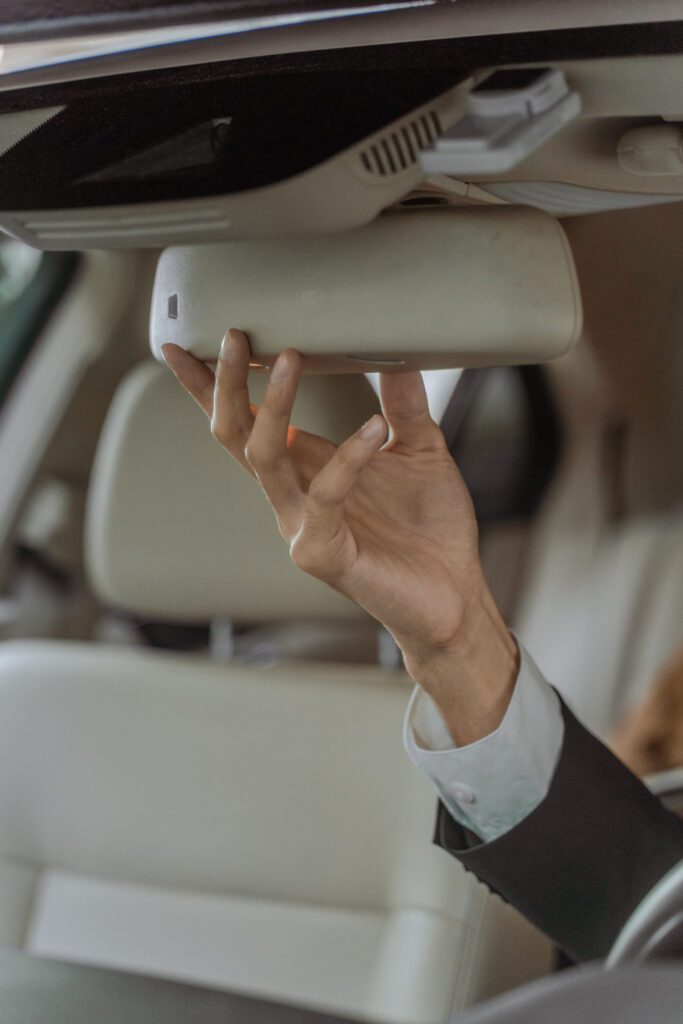
Interior rearview mirrors are inside the car, usually at the top center of the windshield. They let drivers see the road behind through the back window.
These mirrors are simple but very important for safe driving. Drivers can adjust them to reduce blind spots.
Exterior Side Mirrors
Exterior side mirrors are mounted on the doors or fenders outside the car. They show the areas beside and behind the vehicle.
- Left side mirror for the driver’s side view
- Right side mirror for the passenger’s side view
- Help with lane changes and parking
Convex And Flat Mirrors
Convex mirrors curve outward and show a wider view. They help drivers see more area but make objects look smaller.
Flat mirrors show a true image but with a smaller field of view. They are often used inside cars.
| Mirror Type | View Area | Image Size |
| Convex | Wide | Smaller |
| Flat | Narrow | True size |
Auto-dimming Mirrors
Auto-dimming mirrors reduce glare from bright lights. They darken automatically at night or in bright conditions.
Benefits of auto-dimming mirrors:
- Reduce eye strain
- Improve night driving comfort
- Increase safety

Credit: www.reddit.com
Functions Of Rearview Mirrors
Car rearview mirrors help drivers see what is behind and beside the vehicle. They are essential parts of a car’s safety system.
These mirrors improve the driver’s awareness of their surroundings. They reduce risks and make driving safer.
Improving Driver Visibility
Rearview mirrors give drivers a clear view of the road behind them. They help drivers watch traffic and objects that are not in their direct line of sight.
The central rearview mirror shows what is directly behind the car. Side mirrors show the lanes next to the vehicle.
Reducing Blind Spots
Blind spots are areas around the car that the driver cannot see. Rearview mirrors help reduce these blind spots by expanding the field of view.
Adjusting side mirrors outward lets drivers see more of the road beside them. This helps avoid accidents during lane changes or turns.
- Central mirror shows rear traffic
- Side mirrors cover side lanes
- Proper mirror adjustment reduces blind spots
Enhancing Safety
Rearview mirrors help drivers react quickly to road conditions. They allow drivers to see emergency vehicles, other cars, and obstacles early.
By using mirrors, drivers can make safer decisions when changing lanes, backing up, or stopping. This lowers the chance of crashes.
Materials And Design
Car rearview mirrors serve an important role in driving safety. Their materials and design affect how well drivers see behind them.
These mirrors consist of glass surfaces, frames, mounting parts, and adjustability options. Each element has unique features.
Glass And Coatings
The mirror glass is usually made from high-quality reflective glass. It offers a clear and accurate rear view.
Special coatings protect the glass. Anti-glare coatings reduce bright light from headlights. Some mirrors have heating layers to clear fog and ice.
Frame And Mounting Styles
| Frame Type | Description | Common Use |
|---|---|---|
| Plastic Frame | Lightweight and weather-resistant | Most passenger vehicles |
| Metal Frame | Durable and sturdy | Heavy-duty trucks and luxury cars |
| Frameless | Modern look, minimal edges | Sports cars and some sedans |
| Mount Types | Includes adhesive, stem, or bracket mounts | Varies by vehicle model |
Adjustability Features
Rearview mirrors can adjust to fit the driver’s needs. Adjustability improves comfort and safety.
- Manual adjustment with a lever or ball joint
- Electric adjustment controlled from inside the car
- Auto-dimming to reduce glare at night
- Memory settings for multiple drivers
Technological Advancements
Car rear mirrors have changed a lot with new technology. These changes help drivers see better and stay safer on the road.
Today, rear mirrors are not just glass. They include cameras, screens, and sensors that give more information to drivers.
Integrated Cameras
Some car rear mirrors have built-in cameras. These cameras show a wider view than regular mirrors. They can work well in low light or bad weather.
- Provide clear rear views
- Reduce blind spots
- Work in dark or foggy conditions
- Help when parking or reversing
Smart Mirrors With Displays
Smart mirrors have screens that show camera feeds or other data. Drivers can see real-time images right on the mirror. Some models also show navigation or alerts.
| Feature | Benefit |
| Camera Feed | Clearer view behind the car |
| Navigation Display | Easy to follow directions |
| Alert Notifications | Quick warnings about hazards |
Blind Spot Detection Systems
Blind spot detection uses sensors near the rear mirrors. They alert drivers if a car is in the blind spot. This helps avoid accidents during lane changes.
- Sensors monitor side areas
- Visual or sound alerts warn the driver
- Works well at night and in traffic
- Improves driver awareness
Legal Requirements And Regulations
Car rear mirrors are important for safe driving. Laws require specific types and placements of these mirrors. These rules help drivers see behind and beside their vehicles clearly.
Different countries have their own laws about car rear mirrors. These laws cover where to place the mirrors, their size, and how much area they must show.
Mirror Placement Rules
Rear mirrors must be placed so drivers can see behind the car easily. Most cars have a central rearview mirror inside the vehicle. Side mirrors are usually fixed on the left and right doors.
Placement rules ensure mirrors do not block the driver’s view or distract them. Mirrors must be within the driver’s easy reach for adjustment.
Size And Visibility Standards
Mirrors must be large enough to show a wide view behind the vehicle. They need to cover blind spots as much as possible. The glass must be clear without distortion.
Visibility standards define how much area the mirror should cover. Some countries set minimum sizes and angles for mirrors. This helps reduce accidents by improving what the driver can see.
Country-specific Laws
Each country has its own rules about rear mirrors. These can differ in mirror number, size, and location requirements. It is important to know local laws when driving abroad.
- In the United States, cars must have one inside rearview mirror and two side mirrors.
- In the European Union, cars need one interior mirror and two side mirrors or an extra mirror to cover blind spots.
- In Australia, vehicles must have mirrors that give a clear view 200 meters behind.

Credit: www.amazon.ca
Maintenance And Replacement Tips
Car rear mirrors help drivers see the area behind the vehicle. Keeping them clean and functional is important for safety. This guide offers tips on caring for and replacing these mirrors.
Follow the advice below to maintain your mirrors and know when to fix or change them.
Cleaning Best Practices
Clean rear mirrors regularly to keep the view clear. Use gentle cleaning methods to avoid scratches and damage.
- Use a soft microfiber cloth to wipe the mirror surface.
- Spray a mild glass cleaner on the cloth, not directly on the mirror.
- Remove dirt and dust gently without pressing too hard.
- Dry the mirror with a clean, dry cloth to prevent streaks.
- Check the mirror housing for dirt and clean with a damp cloth.
When To Replace Mirrors
Replace your rear mirror if it is cracked, broken, or the view is distorted. Damaged mirrors reduce safety and can cause accidents.
| Condition | Reason to Replace |
| Cracked or broken glass | Obstructs clear view |
| Loose or unstable mirror | May fall off while driving |
| Foggy or scratched surface | Reduces visibility |
| Electrical issues in powered mirrors | Mirror adjustment fails |
Diy Vs Professional Repair
Decide if you want to fix the mirror yourself or hire a professional. Simple fixes can be done at home, but complex problems may need expert help.
- DIY repair is good for small cracks or loose mirrors.
- Use proper tools and follow instructions carefully.
- Professional repair is best for powered or heated mirrors.
- Experts ensure correct installation and safety.
- Check warranty coverage before attempting repairs.
Frequently Asked Questions
What Is The Car Rear Mirror Called?
The car rear mirror is commonly referred to as the “rearview mirror. ” It allows drivers to see the area behind their vehicle. This is essential for safe driving, especially when reversing or changing lanes. Rearview mirrors are typically located inside the car, above the dashboard.
Why Are Rearview Mirrors Important?
Rearview mirrors are crucial for safe driving. They provide a clear view of the traffic behind. This helps in making informed decisions, like changing lanes or reversing. Without them, drivers would lack vital information about their surroundings, increasing the risk of accidents.
How Do Rearview Mirrors Function?
Rearview mirrors work by reflecting light, allowing drivers to see behind. They are adjustable to reduce glare from headlights. Some modern mirrors have anti-glare technology and automatic dimming features. This enhances visibility and ensures a safer driving experience during night-time.
Do Rearview Mirrors Have Special Features?
Yes, many rearview mirrors come with special features. Some include automatic dimming to reduce headlight glare. Others have integrated displays for rearview cameras. These features improve visibility and safety. Advanced models even offer digital displays and connectivity options, enhancing the driving experience.
Conclusion
Car rear mirrors help drivers see behind and stay safe. They come in different types, like side mirrors and the rearview mirror inside. Each mirror has a clear job to do on the road. Knowing their names and uses makes driving easier and safer.
Always check your mirrors before moving your car. Simple tools, big help. Keep your mirrors clean and adjusted well. This small effort improves your view and confidence while driving. Understanding car mirrors is a smart step for every driver.