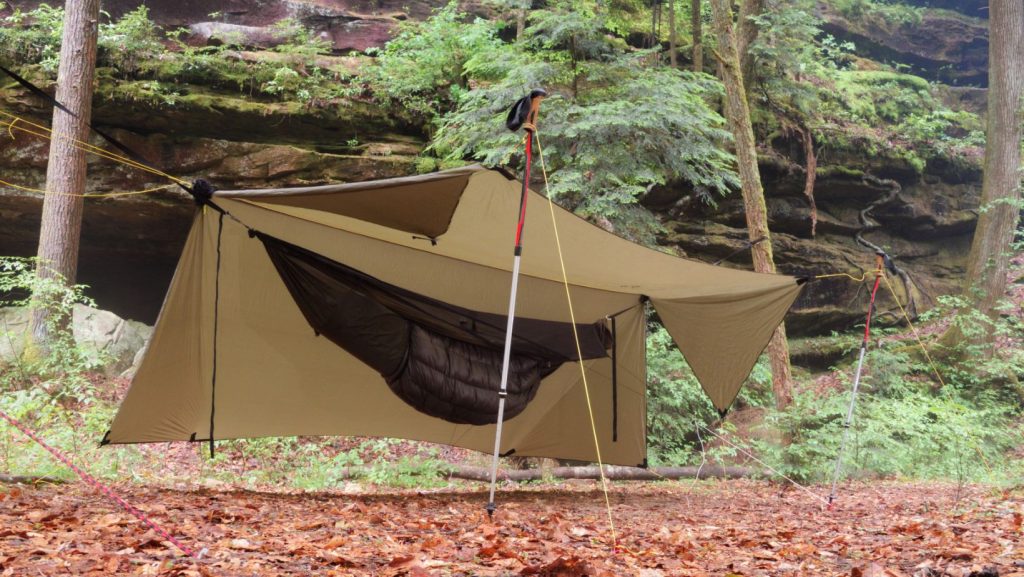
Setting up your tent is only half the battle. To keep it standing strong against wind and weather, you need to know how to use guy lines properly.
If you’re unsure about where to attach them or how tight they should be, you’re not alone. Getting this right can make a huge difference in your camping experience, keeping your shelter stable and safe all night long. Stick with me, and you’ll learn simple, practical tips that make using guy lines easy and effective every time you camp.
Choosing The Right Guy Lines
Guy lines keep your tent stable and safe in wind and rain. Picking the right lines helps your tent stay strong.
Different guy lines work better for different tents and weather. Learn about materials, length, and visibility.
Material Options
Guy lines come in many materials. Each has different strength and stretch levels.
Nylon is strong and stretches a little. Polyester stretches less and is very tough. Polypropylene is light but can wear out faster.
- Nylon: strong, some stretch, good for windy weather
- Polyester: strong, low stretch, durable in sun
- Polypropylene: light, less durable, budget option
Length Considerations
Choose guy lines long enough to secure your tent well. Too short lines won’t hold tension properly.
Leave extra length to adjust the tightness. Lines about 6 to 10 feet work for most tents. Longer lines suit bigger tents or soft ground.
- Short lines: less than 6 feet, less stable
- Medium lines: 6 to 10 feet, good for most tents
- Long lines: over 10 feet, best for large tents or loose soil
Reflective Vs Non-reflective
Reflective guy lines shine in the dark. They help you see the lines and avoid tripping.
Non-reflective lines are less visible but often cheaper. Pick reflective lines for night camping or busy campsites.
- Reflective: safer at night, visible in low light
- Non-reflective: less visible, usually lower cost
Essential Guy Line Accessories
Guy lines keep your tent stable in windy weather. Using the right accessories helps you set them up easily and securely.
This guide covers the key accessories that make guy lines effective and simple to use.
Tensioners And Adjusters
Tensioners help you tighten guy lines quickly. They keep the lines firm and stop the tent from sagging.
Adjusters let you change the line length without retying knots. This saves time and improves stability.
- Plastic or metal tensioners are common
- Easy to slide for quick adjustments
- Helps keep even tension on all lines
Anchors And Stakes
Anchors secure guy lines to the ground. Stakes are pushed into the soil to hold the lines tight.
Choose stakes based on the ground type. Stronger stakes are needed for rocky or sandy soil.
- Metal stakes work well in hard soil
- Plastic stakes are lighter for soft ground
- Use anchors for extra hold in loose soil
Line Locks
Line locks hold the guy line in place after tightening. They prevent slipping and keep tension steady.
These small devices make it easier to set up and take down your tent fast.
- Simple clip or cam designs
- Secure lines without knots
- Allow quick release when needed
Proper Placement Of Guy Lines
Guy lines keep your tent steady during wind and bad weather. Placing them correctly helps your tent stay safe and strong. Learn how to position guy lines for the best support.
Focus on where to anchor the lines, the angle to use, and how far apart to space them. Each part is important for good tent stability.
Identifying Anchor Points
Anchor points hold the guy lines firmly. Choose solid spots that will not move or break under pressure. Trees, rocks, or stakes in firm soil work best.
Check the ground for soft soil or loose rocks. Avoid these spots as they can cause the line to slip or pull out.
Optimal Angles For Stability
Guy lines should form the right angle with the tent for strong support. The ideal angle is about 45 degrees from the ground.
- Too steep an angle makes lines less tight and less stable.
- Too shallow an angle pulls the tent sideways and can cause damage.
- A 45-degree angle offers the best balance of tension and support.
Spacing Between Lines
Space guy lines evenly around the tent for equal support. This stops one side from bearing too much load.
| Distance from Tent Corner | Purpose |
|---|---|
| 3 to 4 feet (1 to 1.2 meters) | Provides good tension without tripping hazards |
| More than 5 feet (1.5 meters) | May cause slack and less stability |
| Less than 2 feet (0.6 meters) | Can crowd the area and increase risk of accidents |

Credit: www.reddit.com
Techniques For Securing Guy Lines
Guy lines help keep your tent stable during wind and rain. They add extra support by anchoring the tent to the ground.
Using the right techniques ensures your tent stays secure and safe. Learn how to tie knots, use tensioners, and handle uneven ground.
Tying Effective Knots
Strong knots keep guy lines tight and prevent slipping. Use knots that are easy to adjust and secure.
The bowline knot and taut-line hitch are good choices. They hold well under tension and are simple to tie.
- Bowline knot:Creates a fixed loop that won’t slip.
- Taut-line hitch:Adjustable knot that slides but holds tight.
- Figure-eight knot:Stops the rope from fraying or slipping.
Using Tensioners Correctly
Tensioners help you tighten guy lines easily. They prevent the lines from loosening during wind or rain.
Slide the tensioner along the line to adjust tightness. Make sure the line runs smoothly through it to avoid damage.
- Place tensioners close to tent stakes for better control.
- Check tension often and adjust as needed.
- Avoid over-tightening to protect tent fabric and poles.
Securing To Uneven Ground
Uneven ground can make staking guy lines tricky. Choose the best spots to keep lines tight and stable.
Use rocks or logs to anchor lines if you cannot use stakes. Angle stakes away from the tent for stronger hold.
- Drive stakes at a 45-degree angle for better grip.
- Use natural anchors like large rocks if ground is too hard.
- Adjust guy line length to keep tension steady on slopes.
Adjusting Guy Lines In Different Conditions
Guy lines keep your tent steady in many weather types. Adjusting them right helps protect your tent.
Each weather condition needs a different way to tighten or loosen guy lines. This keeps your tent safe.
Windy Weather Tips
Strong winds can pull your tent hard. Tighten guy lines more to keep the tent firm.
Check guy lines often in wind. Loose lines let the tent shake and may cause damage.
- Use strong stakes that hold well in the ground
- Tighten lines so the tent fabric stays smooth
- Angle stakes away from the tent for better grip
- Reduce slack to stop the tent from moving
Rain And Moisture Considerations
Rain makes the ground soft. Stakes may loosen, so check guy lines often.
Loosen guy lines slightly if water pools on the tent. This helps water run off fast.
- Secure stakes deeper in wet soil
- Adjust lines to keep tent fabric taut but not too tight
- Clear water channels by tightening or loosening lines as needed
Snow And Ice Adjustments
Snow adds weight to your tent. Tighten guy lines to hold the tent shape under the load.
Ice may freeze guy lines or stakes. Check lines for stiffness and adjust carefully.
- Use longer guy lines to spread out tension
- Clear snow off the tent regularly
- Check that stakes are secure in frozen ground
- Loosen lines a bit if ice pulls too hard

Credit: www.reddit.com
Common Mistakes To Avoid
Guy lines help keep your tent steady in wind and rain. Using them correctly makes your camping safer and more comfortable.
Many campers make simple mistakes with guy lines. These errors can cause damage or reduce tent stability.
Overtightening Lines
Tightening guy lines too much can harm your tent fabric and poles. It also puts extra stress on the stakes and ground.
Check the tension often and loosen lines slightly if the fabric feels too tight. This prevents tears and breaks.
- Do not pull lines so tight that fabric wrinkles or stretches.
- Leave some slack to allow fabric movement in the wind.
- Use tensioners to adjust lines easily without overdoing it.
Ignoring Line Wear
Guy lines can wear out over time from rubbing or sun exposure. Ignoring this can cause lines to snap unexpectedly.
Check your lines for frays, cuts, or weak spots before each trip. Replace damaged lines to keep your tent secure.
- Look for shiny or thin areas on the rope.
- Feel for rough or stiff spots that show wear.
- Store lines away from sunlight to reduce damage.
Incorrect Anchor Placement
Placing stakes in the wrong spot makes guy lines less effective. Stakes should hold lines tight and resist pulling.
Always angle stakes away from the tent at about 45 degrees. Place them in firm ground to prevent slipping.
- Do not put stakes in loose or sandy soil without extra support.
- Anchor lines where they pull straight, not at odd angles.
- Check stakes regularly and reset if they move or loosen.
Maintenance And Storage Tips
Guy lines help keep your tent stable in wind and bad weather. Taking care of them makes sure they last long.
Good maintenance and storage keep your guy lines strong and ready for your next trip.
Cleaning Guy Lines
Clean your guy lines after each use to remove dirt and debris. This stops wear and tear from grime or mud.
Use mild soap and warm water to gently wash the lines. Avoid harsh chemicals that can damage the fibers.
- Fill a bucket with warm water and mild soap
- Soak the guy lines for a few minutes
- Rub gently with a soft cloth or sponge
- Rinse thoroughly with clean water
- Hang to dry in shade before storage
Inspecting For Damage
Check your guy lines often for signs of damage. Look for frays, cuts, or weak spots.
Damaged lines can break easily and make your tent unsafe. Replace any parts that show wear.
- Look along the entire length of each line
- Feel for thin or rough spots
- Check knots and attachment points
- Test elasticity and strength gently
- Replace if you see any damage
Proper Storage Practices
Store your guy lines in a dry and cool place. Avoid direct sunlight and moisture to stop damage.
Keep the lines loose and untangled. Use a storage bag or wrap them neatly to prevent knots.
- Dry guy lines fully before storing
- Keep away from heat and sunlight
- Store in a breathable bag or container
- Avoid tight knots or tangles
- Check lines before each trip

Credit: www.reddit.com
Frequently Asked Questions
What Are Guy Lines On A Tent?
Guy lines are ropes used to stabilize a tent. They attach to the tent’s fabric and are anchored to the ground. This provides additional support and protection against wind. Properly using guy lines ensures your tent remains secure and prevents damage in adverse weather conditions.
Always check their tension for optimal performance.
How Do You Attach Guy Lines?
To attach guy lines, first, locate the guy points on your tent. These are usually reinforced loops or fabric tabs. Tie one end of the guy line to the guy point using a secure knot. Extend the line outward and anchor it with a stake.
Adjust the tension with the line adjuster.
Why Are Guy Lines Important For Tents?
Guy lines enhance tent stability and resistance to wind. They prevent the tent fabric from sagging and help maintain its shape. Properly tensioned guy lines can also reduce wear on tent poles. This ensures a longer lifespan for your tent and a safer camping experience.
How Many Guy Lines Should A Tent Have?
The number of guy lines depends on the tent’s size and design. Most tents have at least four to six guy lines. Larger tents might require more. Refer to your tent’s manual for the recommended number of guy lines and their placement for optimal stability.
Conclusion
Using guy lines makes your tent more stable in wind and rain. Tie them tightly and place stakes firmly in the ground. Check the lines often to keep your tent secure. Proper use helps prevent damage and keeps you dry.
Practice setting them up before your trip. This small step improves your camping experience a lot. Stay safe and enjoy your outdoor adventure with confidence.