Packing up your sleeping bag might seem simple, but doing it the right way can save you space and keep your gear in great shape. Have you ever struggled to fit your sleeping bag back into its stuff sack, or ended up with a bulky, messy bundle?
You’re not alone. Learning how to roll up your sleeping bag properly makes your next trip smoother and your backpack lighter. Keep reading, and you’ll discover easy steps that anyone can follow to roll up your sleeping bag quickly and neatly every time.
Choosing The Right Sleeping Bag
Selecting the right sleeping bag is important for a good night’s rest outdoors. A proper bag keeps you warm and comfortable.
Consider the type, material, size, and shape before buying. These factors affect how well the bag performs.
Types Of Sleeping Bags
Sleeping bags come in different types to suit various activities and weather conditions.
- Mummy bags: Tight fit, good for cold weather
- Rectangular bags: More room, better for mild climates
- Semi-rectangular bags: Mix of comfort and warmth
- Double bags: Designed for two people
Material Matters
The material inside the sleeping bag affects warmth and weight. Outer fabrics protect against water and wind.
| Material | Warmth | Weight | Durability |
| Down | High | Light | Moderate |
| Synthetic | Moderate | Heavier | High |
| Wool | Good | Heavy | High |
| Fleece | Moderate | Moderate | Moderate |
Size And Shape Considerations
Choose a sleeping bag size and shape that fits your body well. It helps keep warmth and comfort.
- Length: Should be about 6 inches longer than your height
- Width: Enough to move but not too loose
- Shape: Mummy for warmth, rectangular for space
- Weight: Lighter bags are easier to carry

Credit: trendtents.com
Preparing Your Sleeping Bag
Rolling up your sleeping bag the right way keeps it in good shape. Proper preparation helps it last longer and stay clean.
Before you roll, take some time to clean, dry, and lay it flat. This makes rolling easier and protects the material.
Cleaning Before Rolling
Check your sleeping bag for dirt or stains before you roll it up. Clean it to avoid damage and smells.
Use a gentle cleaner made for sleeping bags or mild soap. Avoid harsh chemicals that can harm the fabric.
- Spot clean small stains with a damp cloth
- Use a front-loading washing machine for full cleaning
- Rinse thoroughly to remove soap residue
- Do not wring or twist the bag
Drying Tips
Dry your sleeping bag completely before rolling. Moisture can cause mold and bad smells.
Hang it in a shaded, well-ventilated area. Avoid direct sunlight to protect the fabric and insulation.
- Use a drying rack or clothesline
- Turn the bag inside out to dry both sides
- Pat the bag with a towel to remove extra water
- Allow enough time for full drying
Laying It Out Flat
Lay your sleeping bag flat before rolling to avoid wrinkles and lumps. This helps it roll tightly and evenly.
Smooth out any folds and align the edges. Rolling from the foot end usually works best to push out air.
- Find a clean, flat surface
- Spread the sleeping bag fully open
- Smooth wrinkles with your hands
- Start rolling from the foot side tightly
Step-by-step Rolling Techniques
Rolling up a sleeping bag properly helps save space and keeps it clean. Different rolling techniques suit different types of sleeping bags and storage options.
Below are three easy ways to roll up your sleeping bag. Each method has clear steps you can follow.
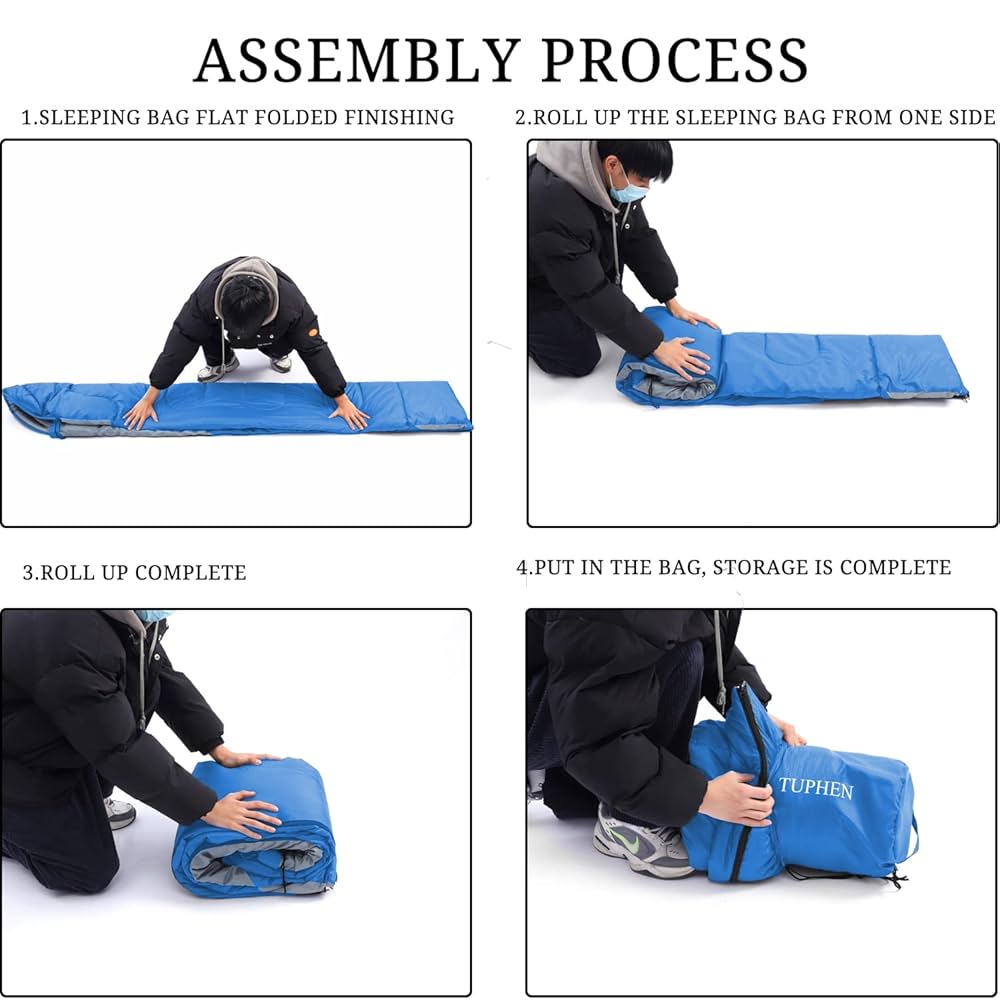
Traditional Roll Method
The traditional roll is simple and works well for most sleeping bags. It keeps the bag compact and easy to carry.
Start by laying the sleeping bag flat and smoothing out wrinkles. Fold the bag in half lengthwise if it is wide.
- Begin rolling from the foot end tightly towards the head.
- Keep the roll even and firm to remove air pockets.
- Secure the roll with straps or cords if available.
- Store the sleeping bag in its stuff sack or carry bag.
Bundle Roll Method
The bundle roll method is good for long or bulky sleeping bags. It reduces the size by compressing the bag more.
Lay the sleeping bag flat and fold the sides toward the center. Then fold it in half lengthwise.
- Start rolling from the bottom tightly upward.
- Stop halfway and fold the roll over itself.
- Continue rolling until fully wrapped.
- Use straps or a rope to hold the bundle tight.
Compression Sack Rolling
Compression sacks reduce the sleeping bag size the most. They use straps to press air out and keep the bag tight.
First, stuff the sleeping bag loosely into the compression sack. Avoid folding or rolling beforehand.
- Place the sleeping bag inside the sack evenly.
- Close the sack opening securely.
- Tighten the compression straps slowly.
- Press out air as you tighten straps.
- Check the bag is firm and compact for easy packing.

Credit: trendtents.com
Common Mistakes To Avoid
Rolling up a sleeping bag may seem easy, but many make mistakes. These errors can damage the bag or make it hard to carry.
Learn the common mistakes to avoid so your sleeping bag stays safe and ready for the next trip.
Rolling Too Loosely
Rolling your sleeping bag too loosely makes it bulky. It takes up more space in your backpack.
A loose roll can also cause the bag to unfold or lose shape during transport.
- Start by laying the bag flat and smoothing wrinkles.
- Roll tightly from the foot end to the top.
- Press the air out as you roll to keep it compact.
Ignoring Moisture
Rolling up a damp sleeping bag can cause mold and bad smells. It damages the insulation inside.
Always dry your sleeping bag completely before rolling it up for storage or travel.
- Air dry your bag after use, especially if it got wet.
- If you pack it wet, dry it as soon as possible.
- Store the bag loosely when not in use to keep it fresh.
Forgetting To Secure
After rolling, many forget to secure the sleeping bag. This causes it to unroll easily.
Use straps or ties to keep the roll tight and neat for easy carrying.
- Use built-in straps if your bag has them.
- Use a cord or bungee tie if no straps are available.
- Secure both ends to prevent loosening during travel.
Storing And Transporting Tips
Rolling up a sleeping bag correctly helps keep it clean and saves space. It also protects the bag’s insulation and makes it easier to carry.
Good storage and transport habits increase the sleeping bag’s lifespan and comfort during use. Here are simple tips to follow.
Long-term Storage Advice
Store your sleeping bag in a loose, breathable sack or hang it up. Avoid tight compression bags for long storage.
Keep it in a cool, dry place away from sunlight and moisture. This prevents mold and damage to the filling.
- Do not store in a stuff sack for months
- Use a large cotton or mesh storage bag
- Hang the bag or lay it flat when possible
- Keep away from damp or hot areas
Packing For Hiking
Roll your sleeping bag tightly to save space in your backpack. Start by zipping it fully and laying it flat.
Fold the bag neatly to remove air. Roll from the foot end to the head end, pressing out air as you go.
- Zip the sleeping bag completely
- Lay it flat and fold if needed
- Roll tightly from the bottom up
- Push air out as you roll
- Use compression straps or sack
Maintaining Shape And Warmth
Keep your sleeping bag fluffy by avoiding tight rolls when not hiking. Fluff helps the insulation trap heat.
After use, air out your sleeping bag to dry it fully. This stops smells and keeps the insulation healthy.
- Avoid long-term compression
- Fluff the bag before storing
- Dry completely before packing
- Use a roomy storage sack for resting

Credit: www.amazon.ie
Expert Hacks For Easy Rolling
Rolling up a sleeping bag can feel tricky, especially after a long day outdoors. Using the right methods makes it faster and keeps your bag neat.
Learn how straps, teamwork, and quick techniques help you roll your sleeping bag with ease and save space.
Using Straps And Clips
Straps and clips keep your sleeping bag tightly rolled and secure. They prevent it from unrolling during travel or storage.
- Lay the bag flat and smooth out wrinkles.
- Fold or roll the bag tightly from the foot end.
- Wrap the straps around the rolled bag evenly.
- Secure clips or buckles to lock the straps in place.
- Adjust the tension to compress the bag for smaller size.
Rolling With A Partner
Rolling with someone else is faster and easier. One person helps hold the bag while the other rolls.
| Role | Task |
| Person 1 | Hold the sleeping bag ends tightly |
| Person 2 | Roll the bag smoothly and firmly |
| Both | Secure straps or clips once rolled |
Quick Roll Techniques
Using quick roll methods saves time and effort. These techniques work well when you need to pack fast.
- Spread the bag flat on the ground.
- Fold the sleeping bag in half lengthwise.
- Start rolling tightly from the bottom end.
- Push out air as you roll to reduce bulk.
- Clip or tie the rolled bag to keep it secure.
Frequently Asked Questions
How Do You Properly Roll Up A Sleeping Bag?
Start by laying the sleeping bag flat and zipped up. Fold it lengthwise if needed. Begin rolling tightly from the foot end, pushing out air as you go. Secure with straps or stuff sack to keep it compact and easy to carry.
Why Should You Roll Instead Of Fold A Sleeping Bag?
Rolling prevents creases that damage insulation and reduce warmth. It also saves space in your backpack. Folding can create pressure points that degrade the bag’s loft and comfort over time. Rolling keeps the sleeping bag fluffy and extends its lifespan.
How Can I Make Rolling A Sleeping Bag Easier?
Make sure the sleeping bag is dry and clean before rolling. Lay it on a flat surface and smooth out wrinkles. Roll tightly and evenly from one end to the other. Use compression straps or a stuff sack to hold it firm.
What Is The Best Technique To Save Space When Rolling?
Roll the sleeping bag as tightly as possible while pushing out air. Use a compression sack with adjustable straps to compact the bag further. This reduces bulk and allows more efficient packing in your backpack or storage space.
Conclusion
Rolling up a sleeping bag is easier than it seems. Start by laying it flat and folding it tightly. Roll from the foot end to keep air out. Use straps or cords to hold it firm. Practice makes packing quick and neat every time.
A well-rolled sleeping bag saves space and stays dry. Keep your gear organized for better camping trips. Now, you can pack up fast and enjoy your adventure. Simple steps lead to great camping comfort.