Are you wondering, “What size is my air conditioner?” Choosing the right size matters more than you think. An air conditioner that’s too small won’t cool your space properly, leaving you uncomfortable and frustrated.
On the other hand, one that’s too big wastes energy and drives up your bills. You might feel overwhelmed with all the numbers and terms, but don’t worry – this guide will break it down step by step. By the end, you’ll know exactly how to find the perfect fit for your home or office.
Keep reading to make sure your air conditioner works efficiently and keeps you cool without costing you a fortune.
Why Ac Size Matters
Oversized air conditionerscool rooms too fast. This causes the unit to turn off quickly without removing enough moisture. The room feels cold but damp. It also wastes energy and raises bills. The frequent on-off cycles can wear out the system fast.
Undersized AC unitsrun constantly to cool the space. This leads to higher energy use and more wear. The room may never reach a comfortable temperature. It can cause the unit to break down sooner. Noise may increase due to constant running.
Measuring Your Space
To find the right air conditioner size, start by measuring your room. Measure the length and width in feet. Multiply these two numbers to get the square footage.
Ceiling height matters too. Standard ceilings are about 8 feet. If ceilings are higher, more cooling power is needed. Multiply square footage by ceiling height to find the volume.
Sunlight affects cooling needs. Rooms with lots of sunget hotter. South and west-facing rooms may need larger units. Shady rooms need less cooling power.
Cooling Capacity Basics
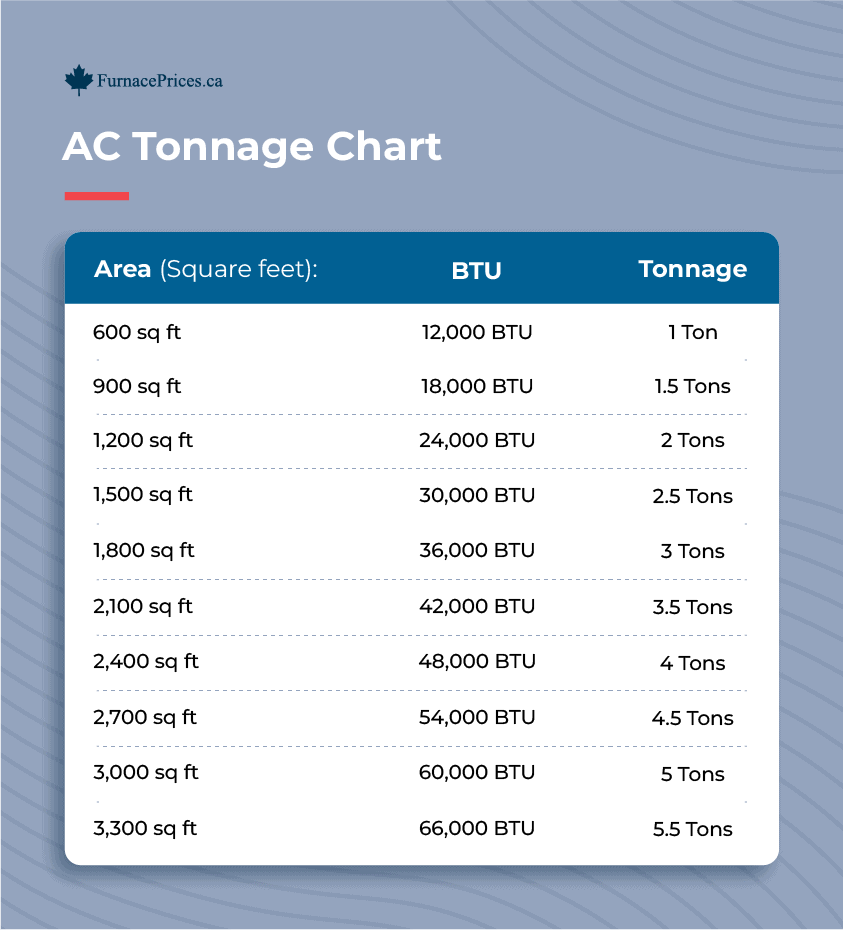
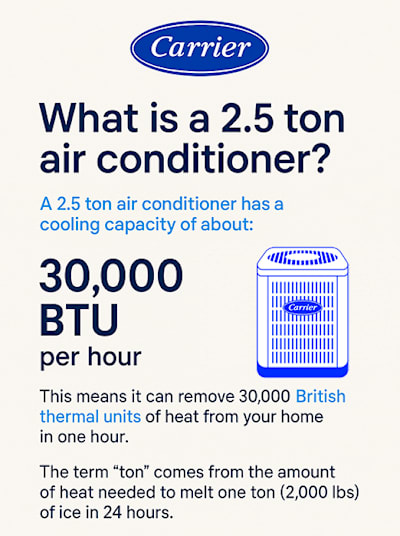
BTUstands for British Thermal Unit. It measures how much heat an air conditioner can remove. The higher the BTU, the more cooling power the unit has. Choosing the right BTU size helps the room cool quickly and saves energy.
| Room Size (sq ft) | Recommended BTU |
|---|---|
| 100 – 300 | 5,000 – 6,000 |
| 300 – 500 | 7,000 – 8,000 |
| 500 – 800 | 10,000 – 12,000 |
| 800 – 1,200 | 14,000 – 18,000 |
| 1,200 – 1,500 | 19,000 – 21,000 |
- Too small BTU means poor cooling.
- Too large BTU wastes energy and money.
- Match BTU to room size for best comfort.
Credit: www.furnaceprices.ca
Factors Affecting Ac Size
Insulation qualityaffects how much cold air stays inside. Good insulation keeps rooms cooler longer. Poor insulation lets heat enter, so a bigger AC might be needed.
The number of occupantsmatters. More people produce more heat. A room with many people may need a stronger AC to keep it cool and comfortable.
Appliance heat outputalso plays a role. Devices like computers and ovens release heat. More appliances in a room mean the AC must work harder to cool the space.
Types Of Air Conditioners
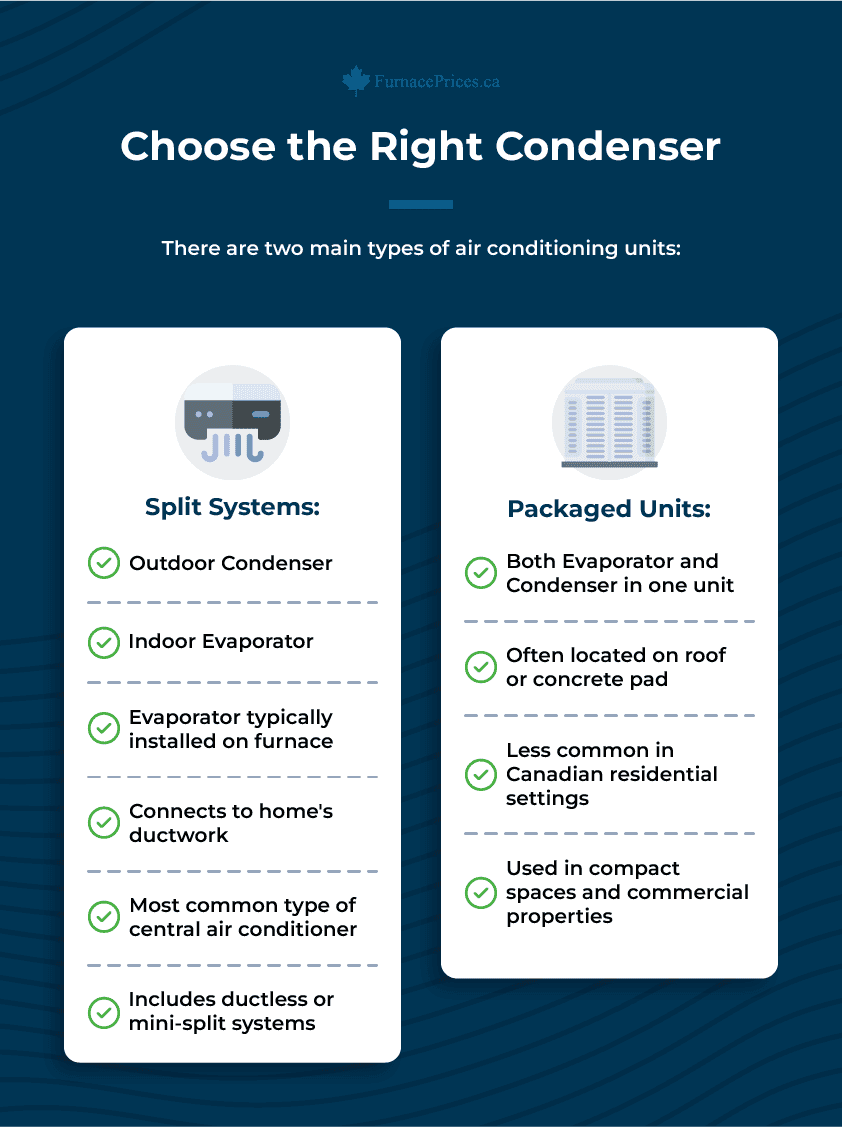
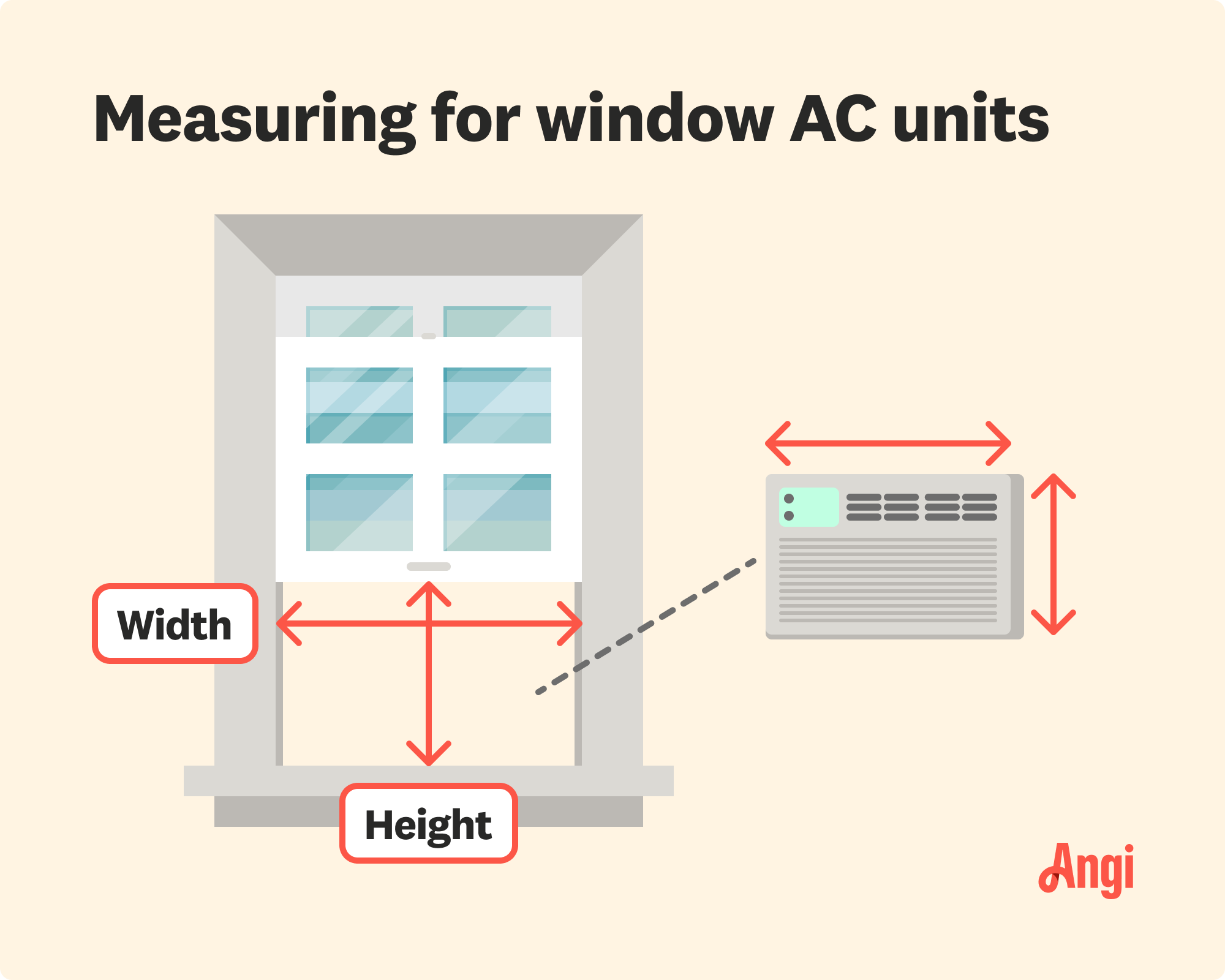
Window unitsare small and fit into a window space. They cool one room at a time. These units are easy to install and cost less. They work well for small spaces.
Split systemshave two parts: one inside and one outside. The outside unit cools the air and the inside unit blows cold air. These systems are quiet and good for cooling multiple rooms.
Central aircools the whole house. It uses ducts to send cold air to every room. It is more expensive but keeps the house cool evenly. It works best for big homes.
Choosing The Right Ac Size
Finding the right AC sizeis key for comfort and savings. Too small means the unit works hard but can’t cool properly. Too big wastes energy and causes humidity issues.
Online calculators help estimate needed cooling power. They use room size, sunlight, and other details. These tools give a quick idea but may miss some factors.
Talking to HVAC professionalsadds safety. They check your home’s insulation, windows, and climate. Experts can recommend the best size and type of AC for your needs.
- Measure your room’s square footage.
- Use an online calculator for a rough estimate.
- Consult a professional for precise sizing.
- Remember: bigger is not always better.
Energy Efficiency Considerations
SEER ratingsshow how well an air conditioner saves energy. The higher the SEER, the less energy it uses. This means lower electric bills and less harm to the environment.
Choosing the right air conditioner size affects your energy bills. A unit too big cools the room too fast and wastes energy. A unit too small runs too long and wears out quickly.
Proper sizing keeps your home cool and saves money. It also helps the air conditioner last longer and work better.
Credit: www.carrier.com
Installation Tips
Place your air conditionerwhere air flows freely. Avoid spots near direct sunlight or heat sources. Keep it away from curtains or furniture that block air. This helps cool the room evenlyand saves energy.
Regular maintenancekeeps your air conditioner working well. Clean or replace filters every month. Check for dust on coils and clear debris around the unit. This prevents breakdownsand extends its life.
Run the unit for a few minutes monthly during off-season. This keeps parts moving smoothly. Also, schedule a professional check-up once a year for best performance.
Credit: www.angi.com
Frequently Asked Questions
How Do I Determine My Ac Size?
To determine your AC size, calculate the square footage of your space. Use this to find the appropriate BTU (British Thermal Unit) rating. Typically, 20 BTUs per square foot is required. Consult an HVAC professional for precise calculations and recommendations based on your home’s specific needs and climate.
What Is The Ideal Ac Size For My Home?
The ideal AC size depends on your home’s square footage and insulation. For a rough estimate, use 20 BTUs per square foot. Consider factors like ceiling height, windows, and insulation. Consulting an HVAC expert can provide a more accurate assessment tailored to your specific requirements.
Can An Oversized Ac Affect Performance?
Yes, an oversized AC can negatively impact performance. It may cool your home quickly but won’t remove humidity effectively. This can lead to a clammy, uncomfortable environment. Additionally, frequent cycling can increase wear and tear, reducing the system’s lifespan and efficiency.
Why Is Ac Size Important For Energy Efficiency?
Proper AC size ensures efficient operation and energy savings. An appropriately sized unit cools effectively and maintains comfort without overworking. Oversized units waste energy and increase utility bills, while undersized units strain to meet cooling demands, reducing efficiency and lifespan.
Conclusion
Choosing the right air conditioner size matters a lot. A unit too big wastes energy and money. One too small won’t cool your space well. Measure your room carefully before buying. Check the cooling power in BTUs. Think about sunlight, windows, and room use.
A good fit keeps you comfortable and saves bills. Don’t rush the decision. Take time to find the best size for your home. You will enjoy cool air and lower costs. Simple steps lead to smart choices.