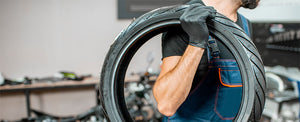
Your motorcycle’s tires are the only part connecting you to the road. But how often should you replace them to stay safe and enjoy a smooth ride?
If you’re unsure whether your tires are still good or need changing, you’re not alone. Making the right decision can protect you from accidents and save you money in the long run. Keep reading to discover the signs to watch for, the best replacement timeline, and expert tips to keep your ride safe and smooth every time.
Signs Of Worn Motorcycle Tires
Motorcycle tires wear out over time and need replacement. Watching for wear signs helps keep you safe on the road.
Check your tires regularly to spot problems early. This guide covers key signs to look for.
Tread Depth And Wear Indicators
Tread depth shows how much rubber is left on your tire. Low tread means less grip and more danger.
- Use a tread depth gauge to measure the depth.
- Look for wear indicators molded into the tread grooves.
- Replace tires if tread is below the recommended limit, usually 1-2 mm.
Visible Cracks And Dry Rot
Cracks on the tire sidewall or tread show dry rot. This happens when tires age or face harsh weather.
Dry rot weakens tires and can cause blowouts. Replace tires if you see many cracks or deep splits.
Uneven Tire Wear Patterns
| Wear Pattern | Possible Cause |
| Center wear | Over-inflation |
| Edge wear | Under-inflation or aggressive cornering |
| One side wear | Misalignment or suspension issues |
| Patchy wear | Brake problems or uneven road surfaces |
Check tire pressure often and inspect tires for uneven wear. Fix bike issues to avoid faster tire damage.
Credit: www.600rr.net
Recommended Replacement Intervals
Motorcycle tires wear out over time and need regular replacement. Knowing when to replace them helps keep you safe on the road.
Many factors affect tire life. Follow expert advice to decide the right time to change your tires.
Manufacturer Guidelines
Tire makers give clear advice on when to replace tires. They often suggest a time or mileage limit to ensure safety.
Most manufacturers say to change tires after five to six years. Even if tires look fine, old rubber can become unsafe.
- Check the tire’s date code on the sidewall
- Replace tires older than 5 years, regardless of wear
- Follow mileage recommendations, usually 10,000 to 15,000 miles
Impact Of Riding Style
Your riding habits change how fast tires wear out. Aggressive riding shortens tire life quickly.
Speeding, hard braking, and fast cornering cause more tire wear. Smooth riding helps tires last longer.
- Hard acceleration wears rear tires faster
- Frequent sharp turns increase sidewall wear
- Calm, steady riding extends tire life
Influence Of Road Conditions
Road surfaces affect tire durability. Rough or uneven roads cause faster tire damage.
Gravel, potholes, and debris can cause cuts or punctures. Smooth roads reduce tire wear and risk.
- Gravel roads increase chance of tire damage
- Potholes can cause tire sidewall bulges
- Clean, paved roads help tires last longer
Factors Affecting Tire Lifespan
Motorcycle tires do not last forever. Several factors affect how long they stay safe and usable. Knowing these factors helps you replace tires at the right time.
Tire lifespan depends on what kind of tire you have, how you care for it, and the weather where you ride and store your bike.
Tire Type And Quality
Different tires last different amounts of time. Sport tires wear faster than touring tires. High-quality tires often use better materials that last longer.
- Sport tires: softer, wear out quickly
- Touring tires: harder, last longer
- Off-road tires: designed for rough terrain, wear varies
- High-quality brands: better rubber and construction
Storage And Maintenance
How you store and care for your tires changes their lifespan. Tires kept in cool, dry places last longer. Regular checks keep tires safe.
| Storage Condition | Effect on Tire Lifespan |
| Cool and dry | Extends tire life |
| Hot and humid | Speeds up aging |
| Exposed to sunlight | Causes rubber to crack |
| Proper inflation | Prevents uneven wear |
| Regular cleaning | Removes harmful debris |
Climate And Temperature Effects
Weather conditions affect tire rubber. Hot temperatures can soften tires and cause faster wear. Cold can make tires hard and brittle.
- Hot climates: tires wear faster and can crack
- Cold climates: tires may lose grip and crack
- Wet conditions: require tires with good tread
- Seasonal changes: may need different tires

Credit: www.dunlopmotorcycletires.com
Safety Risks Of Old Tires
Old motorcycle tires can cause serious safety problems. Tires wear out over time and lose their ability to keep you safe on the road.
Knowing the risks of old tires helps you decide when to replace them. This keeps your ride safe and smooth.
Reduced Traction And Control
Worn tires have less grip on the road. This reduces traction, especially on wet or slippery surfaces.
Less traction means harder control of the motorcycle. It can cause slipping or sliding during turns or braking.
- Longer stopping distances
- Difficulty in cornering
- Higher chance of skidding
Increased Puncture Risk
Old tires have thinner rubber and cracks. This makes them more likely to get punctured by sharp objects.
Punctures can cause sudden air loss. This puts you at risk of losing control while riding.
- Cracks and dry rot weaken tire walls
- Small nails or glass can cause flats
- Older tires do not seal punctures well
Potential For Tire Blowouts
Blowouts happen when a tire suddenly bursts. Old tires are more likely to blow out due to weak spots.
A blowout at high speed can cause crashes. Replacing tires before they get too old lowers this danger.
- Weakened sidewalls increase blowout risk
- Heat and pressure build up more easily
- Older tires fail under stress faster
Tips For Extending Tire Life
Motorcycle tires wear out over time and need replacement. Taking care of your tires helps them last longer.
Here are some useful tips to keep your tires in good condition and extend their life.
Proper Tire Pressure
Check your tire pressure often. Proper pressure makes tires wear evenly and improves safety.
Use a reliable gauge to measure pressure when tires are cold. Adjust it to the recommended level in your motorcycle manual.
- Underinflated tires wear on the edges faster
- Overinflated tires wear in the center
- Correct pressure improves fuel efficiency and grip
Regular Inspections
Look at your tires closely before each ride. Check for cracks, cuts, or uneven wear.
Remove any stones or debris stuck in the tread. Replace tires if the tread depth is too low or damage is visible.
- Inspect tread depth with a gauge or coin
- Check sidewalls for bulges or cracks
- Replace tires if damage affects safety
Balancing And Alignment
Have your tires balanced and wheels aligned regularly. This prevents uneven tire wear and vibration.
Proper balancing and alignment improve handling and comfort. Visit a professional mechanic to perform these checks.
- Unbalanced tires cause wobbling and fast wear
- Misaligned wheels wear tires unevenly
- Regular service extends tire life and safety
When To Replace Tires Immediately
Motorcycle tires wear out over time and use. Some situations need you to replace tires right away. Ignoring these signs can cause accidents or tire failure.
Knowing when to replace your tires helps keep you safe on the road. Look for clear signs that show your tires are no longer safe.
After Accidents Or Damage
If your motorcycle has an accident, check the tires carefully. Even small impacts can cause hidden damage. Replace the tire if you see cracks, cuts, or bulges.
Damaged tires can fail while riding. It is safer to replace them immediately after any collision or sharp impact.
Signs Of Sidewall Damage
The sidewall is the tire’s outer edge. Damage here is very risky. Look for cracks, cuts, or bubbles on the sidewall.
Sidewall damage can cause air leaks or tire blowouts. Replace tires right away if you see any of these signs.
- Cracks on the sidewall
- Deep cuts or punctures
- Bulges or bubbles
- Loose rubber pieces
Tire Age Limitations
Tires get weaker as they get older, even if they look fine. Most manufacturers say to replace tires after 5 to 7 years.
Check the tire’s manufacture date on the sidewall. Replace tires if they are past the age limit to avoid accidents caused by old rubber.
- Look for the DOT code on tire sidewall
- First two numbers show week of manufacture
- Last two numbers show year of manufacture
- Replace tires after 5-7 years regardless of use

Credit: shop.apollotyres.com
Frequently Asked Questions
How Often Should You Change Motorcycle Tires?
Motorcycle tires should be replaced every 3,000 to 5,000 miles or every 5 years. Frequent inspections are crucial. If you notice uneven tread wear, cracks, or punctures, consider immediate replacement. Riding style, tire quality, and road conditions also influence replacement frequency.
What Are Signs Of Worn Motorcycle Tires?
Look for uneven tread wear, cracks, or visible cords. These are signs of worn tires. If the tread depth is less than 1/32 inch or the tire shows signs of dry rot, it’s time to replace them. Reduced grip and increased stopping distance are other indicators.
Can Weather Affect Motorcycle Tire Lifespan?
Yes, weather can significantly affect tire lifespan. Extreme temperatures and UV exposure can cause tire deterioration. Cold weather can make tires brittle, while heat can cause cracks. It’s essential to store your motorcycle in a cool, dry place to prolong tire life.
How Do Riding Habits Impact Tire Wear?
Aggressive riding, frequent braking, and high-speed riding can accelerate tire wear. Consistent overloading and improper inflation also contribute to faster deterioration. Adopting smoother riding habits and regularly checking tire pressure can extend tire lifespan.
Conclusion
Regularly check your motorcycle tires for wear and damage. Replace them every 3 to 5 years, or sooner if needed. Worn tires reduce grip and increase the risk of accidents. Keep an eye on tread depth and tire pressure. Proper tire care keeps you safe on the road.
Don’t wait for signs of failure to act. Your safety depends on good tires. Ride smart, ride safe.