Have you ever noticed water pooling around your air conditioner and wondered why it’s leaking? When your AC starts to drip, it’s more than just a minor annoyance—it could be a sign of a problem that affects your comfort and wallet.
Understanding what causes your air conditioner to leak water can help you fix the issue quickly and prevent bigger headaches down the line. Keep reading to discover the common reasons behind AC leaks and what you can do to stop the drip before it turns into a flood.

Credit: honorservices.com
Common Causes Of Ac Water Leaks
Water leaking from an air conditioner is a common issue. It can cause damage if not fixed quickly.
Understanding why your AC leaks water helps you find the right solution fast.
Clogged Drain Line
The drain line moves water out of the AC system. Dirt and debris can block it over time.
A clogged drain line causes water to back up and leak inside your home.
- Leaves, dust, and mold often block the drain line
- Regular cleaning can prevent clogs
- Use a wet-dry vacuum to clear the line
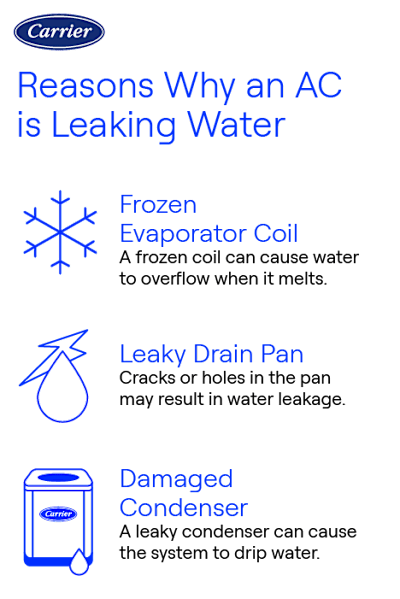
Frozen Evaporator Coil
The evaporator coil cools the air inside your AC unit. It can freeze if airflow is poor.
When the ice melts, it creates extra water that may leak from the unit.
- Dirty air filters reduce airflow and cause freezing
- Low refrigerant levels can also freeze the coil
- Check and replace filters regularly
Damaged Drain Pan
The drain pan collects water from the AC before it drains out. It can crack or rust.
If the pan is damaged, water leaks directly from the unit into your home.
- Old or worn pans are common leak points
- Inspect the pan for holes or rust
- Replace damaged pans to stop leaks
Improper Installation
Incorrect setup of your AC can cause water leaks. Drain lines may not slope properly.
Wrong installation can block water flow or cause pooling inside the unit.
- Drain lines must slope downward for water flow
- Check that pipes and pan are level
- Hire experts to install or inspect your AC
Low Refrigerant Levels
Refrigerant cools the air in your AC. Low levels make coils freeze and water leak.
Leaks in refrigerant lines cause low pressure and poor cooling performance.
- Signs include weak cooling and ice on coils
- Only professionals should handle refrigerant
- Fix leaks and refill refrigerant to solve the issue
Credit: fischerheating.com
Signs Of A Leaking Air Conditioner
A leaking air conditioner can cause several problems in your home. It is important to spot the signs early to avoid bigger issues.
Water leaks from your AC may seem small but can lead to damage and discomfort. Look for these common signs to know if your unit is leaking.
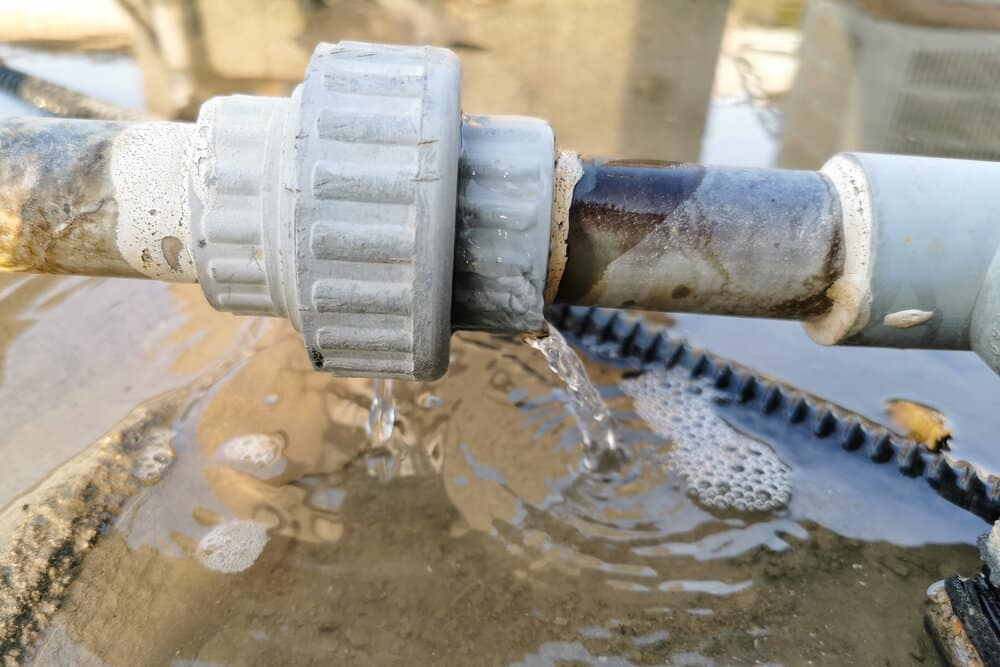
Water Pooling Around Unit
Water around the base of your air conditioner often means a leak. This can happen if the drain line is blocked or damaged.
- Look for puddles near the indoor or outdoor unit
- Check for damp spots on the floor or ground
- Notice if water stains appear on walls or ceilings
Reduced Cooling Efficiency
Your air conditioner may not cool your home well if it leaks water. This happens because the system cannot work correctly with low refrigerant or blocked drainage.
| Symptom | Cause |
| Warm air from vents | Low refrigerant due to leaks |
| Longer cooling cycles | Blocked drain causing system strain |
| High energy bills | Inefficient operation from leaks |
Unusual Musty Odors
A musty smell from your AC means mold or mildew growth. Water leaks provide the moisture needed for these to grow inside your unit.
Signs of mold inside your air conditioner:
- Persistent damp smell
- Visible black or green spots near vents
- Allergy-like symptoms when AC runs
Increased Humidity Indoors
If your home feels more humid than usual, your AC might be leaking water. The unit removes moisture from the air, but leaks reduce this ability.
- Notice sticky or clammy air inside rooms
- Check for condensation on windows
- Look for damp spots on walls or furniture
Diy Fixes For Ac Water Leaks
Air conditioners can leak water for different reasons. Fixing leaks yourself can save time and money.
Here are some simple DIY fixes to stop your AC from leaking water.
Clearing The Drain Line
The drain line can get clogged with dirt and algae. This stops water from draining and causes leaks.
Use a wet/dry vacuum or a plumber’s snake to clear the clog. Cleaning the line regularly helps prevent leaks.
- Turn off the AC and find the drain line outside.
- Use a vacuum to suck out the clog.
- Flush the line with a mixture of water and vinegar.
Replacing The Drain Pan
The drain pan catches water from the AC. Over time, it may rust or crack and cause leaks.
Replacing the drain pan is a simple fix. Make sure to buy the right size for your unit.
- Turn off the power to the AC unit.
- Remove the old drain pan carefully.
- Install the new pan and check for proper drainage.
Thawing Frozen Coils
Frozen coils cause water to drip when they thaw. This happens due to poor airflow or low refrigerant.
Turn off the AC and let the coils thaw naturally. Clean or replace air filters to improve airflow.
- Switch off the AC and wait for ice to melt.
- Check and clean the air filter.
- Ensure vents are open and unobstructed.
Checking Refrigerant Levels
Low refrigerant makes the coils freeze and water leak. This often means a leak in the system.
You can check refrigerant levels with a gauge. If low, call a professional to refill and fix leaks.
- Use a refrigerant gauge to check levels.
- Look for oily spots indicating leaks.
- Contact a technician for refilling and repairs.
When To Call A Professional
Water leaking from an air conditioner can be a sign of many issues. Some leaks are minor and easy to fix. Others need a professional’s help to avoid damage.
Knowing when to call an expert saves time and money. It also protects your home from water damage and mold growth.
Persistent Leaks
If your air conditioner leaks water regularly, it is a problem. A clogged drain line or a broken pump might cause this. These issues need a professional to clean or repair parts.
Electrical Component Issues
Leaks near electrical parts are dangerous. Water can cause short circuits or fires. Call a technician immediately if you see water near wiring or controls.
Severe Refrigerant Leaks
Refrigerant leaks can cause water to drip inside your home. These leaks affect cooling and can harm the environment. A trained professional must fix refrigerant leaks safely.
- Reduced cooling performance
- Frost buildup on coils
- Unusual sounds from the unit
- Visible oily residue near pipes
Complex Installation Problems
Incorrect air conditioner installation can cause leaks. A technician will check:
| Issue | Possible Cause |
|---|---|
| Drain slope | Improper unit angle blocks water flow |
| Drain pan size | Too small to hold condensation |
| Sealing | Gaps letting water escape |
Preventing Future Water Leaks
Water leaks from an air conditioner can cause damage and reduce efficiency. Taking steps to prevent leaks helps keep your system working well.
Simple care and smart choices stop water from dripping where it should not.
Regular Maintenance Tips
Clean your air conditioner often to avoid clogs that cause leaks. Check and replace dirty filters to keep airflow strong.
- Clear the drain line of dirt and mold
- Inspect the condensate pan for cracks
- Keep coils clean to prevent ice build-up
- Schedule professional tune-ups yearly
Proper Installation Practices
Install your air conditioner with care. Poor installation often leads to water leaks later.
| Installation Step | Reason |
| Level Mounting | Ensures proper drainage of water |
| Seal Connections | Prevents condensation leaks |
| Use Correct Drain Pipe Size | Avoids water backup |
| Check Insulation | Stops moisture buildup |
Seasonal System Checks
Check your air conditioner at the start of each season. Look for signs of leaks or damage early.
- Inspect drain lines and pans for blockages
- Test system for unusual noises or water spots
- Clean coils and check refrigerant levels
- Clear debris around outdoor unit
Upgrading Old Units
Old air conditioners may leak more water. Upgrade to newer models with better drainage features.
- Improved efficiency lowers water condensation
- Modern designs reduce leaks
- Better insulation prevents moisture buildup
- Enhanced warranty covers repairs

Credit: honorservices.com
Frequently Asked Questions
Why Is My Air Conditioner Leaking Water?
An air conditioner leaking water could be due to several reasons. Common causes include a clogged condensate drain line, dirty air filters, low refrigerant levels, or improper installation. Addressing these issues promptly can prevent further damage and ensure your air conditioner operates efficiently.
How Can I Fix A Leaking Air Conditioner?
To fix a leaking air conditioner, start by checking and cleaning the air filters. Next, clear any blockages in the condensate drain line. Ensure the unit is properly installed and refrigerant levels are adequate. If the problem persists, contact a professional for thorough inspection and repair.
Is A Leaking Air Conditioner Dangerous?
A leaking air conditioner can lead to water damage and mold growth, which are potential hazards. It may also signal underlying mechanical issues that could worsen over time. Addressing the leak quickly helps prevent further complications and maintains a safe environment.
Can A Dirty Filter Cause Ac Leaks?
Yes, a dirty filter can restrict airflow, causing the evaporator coil to freeze. When the coil melts, it can result in water leakage. Regularly cleaning or replacing air filters helps maintain optimal airflow and prevents leaks.
Conclusion
A leaking air conditioner is a sign of a problem. It may need cleaning or a part replaced. Ignoring the leak can cause bigger damage. Water can harm walls and floors around the unit. Checking your AC regularly helps catch issues early.
Fix small leaks quickly to avoid costly repairs. Stay alert to unusual signs like water or noise. Your AC will work better and last longer. Keep your home safe and comfortable all year. Simple care can prevent most leaks and problems.