Have you ever wondered how long your vehicle’s exhaust system regeneration actually takes? If you’ve noticed your car running a bit differently or seen warning lights pop up, understanding this process can save you time and stress.
Knowing what to expect helps you avoid unnecessary stops and keeps your engine running smoothly. You’ll discover exactly how long exhaust system regeneration takes and what signs to watch for. Keep reading to stay in control of your car’s performance and avoid surprises on the road.
Credit: www.ram1500diesel.com
Exhaust System Regeneration Basics
Exhaust system regeneration is a process that cleans harmful soot from a vehicle’s diesel engine. This helps the engine run better and reduces pollution.
The process happens automatically and can take different amounts of time. Understanding how it works helps drivers know when and why it happens.
Purpose Of Regeneration
Regeneration cleans the diesel particulate filter (DPF). The DPF traps soot and smoke from the exhaust gases.
If the soot builds up too much, it can block the exhaust flow. This can cause engine problems and more pollution.
- Burn off soot to clear the filter
- Improve engine performance
- Reduce harmful emissions
- Prevent damage to the exhaust system
Types Of Regeneration
There are three main types of regeneration. Each type happens under different conditions and takes different time lengths.
- Passive Regeneration:Happens during normal driving when the exhaust is hot enough to burn off soot. This takes no extra time.
- Active Regeneration:The engine raises exhaust temperature using extra fuel. This can take 10 to 30 minutes.
- Forced Regeneration:Performed by a mechanic using special tools. It happens if other types fail and can take 30 to 60 minutes.

Credit: www.fuellogic.net
Factors Affecting Regeneration Time
Exhaust system regeneration helps clean harmful particles from your vehicle. It happens automatically but time varies. Many factors can change how long regeneration takes.
Understanding these factors helps you know why regeneration might be quick or slow. Let’s look at the main things that affect the process.
Vehicle Make And Model
Different vehicle brands and types have various exhaust systems. Some models regenerate faster due to better technology or design. Newer vehicles often have quicker regeneration times.
Heavy-duty trucks might take longer than smaller cars. The system size and engine type matter a lot.
Driving Conditions
Regeneration needs certain driving conditions to start and finish. City driving with many stops may slow the process. Highway driving at steady speeds helps regeneration happen faster.
- Stop-and-go traffic can delay regeneration
- Long, steady drives support faster regeneration
- Cold weather may slow the system
- Mountains and hills can affect engine load
Engine Load And Speed
Engines under high load or speed burn more fuel and generate more soot. This may require longer regeneration times. Light engine use can shorten the time needed to clean the exhaust.
Steady speeds and moderate engine load create ideal conditions for quick regeneration.
Fuel Quality
Good fuel helps the engine run clean and reduces soot buildup. Poor fuel quality can cause more particles, increasing regeneration time. Using the right fuel type is important for system efficiency.
- High-quality fuel lowers soot production
- Low-quality fuel can extend regeneration time
- Fuel additives may improve combustion
Typical Regeneration Duration
Exhaust system regeneration is a process that cleans the diesel particulate filter. It removes soot and helps the system work well. The time it takes depends on the type of regeneration.
Knowing how long each regeneration lasts can help you understand your vehicle better. The three common types are passive, active, and forced regeneration.
Passive Regeneration Timeframe
Passive regeneration happens when the exhaust temperature is high enough during normal driving. It burns off soot automatically without extra fuel use. This process usually takes place over long trips or highway driving.
Passive regeneration can take from 30 minutes to several hours. It depends on how much soot is in the filter and how long the engine runs at high temperature.
Active Regeneration Timeframe
Active regeneration occurs when the soot level gets too high. The engine control unit injects extra fuel to raise exhaust temperature. This helps burn off soot faster.
Active regeneration usually lasts between 10 and 20 minutes. It needs enough fuel and engine load to complete the process safely.
- Lasts 10 to 20 minutes
- Requires engine running at moderate load
- Injects extra fuel to increase heat
Forced Regeneration Timeframe
Forced regeneration is done by a mechanic using special tools. It is needed if soot builds up too much and other methods fail. This process cleans the filter fully and quickly.
Forced regeneration can take 30 to 60 minutes. The vehicle must be stationary and connected to a diagnostic device during this time.
- Requires mechanic intervention
- Takes 30 to 60 minutes
- Vehicle stays still during process

Credit: www.whocanfixmycar.com
Signs Regeneration Is In Progress
Exhaust system regeneration helps clean harmful particles from your vehicle. It happens automatically during driving. Knowing the signs helps you avoid issues.
This process usually takes 10 to 30 minutes. During regeneration, you may notice some changes in your car’s behavior.
Changes In Engine Sound
The engine sound may change during regeneration. You might hear a higher pitch or a slight rumble. This happens because the engine works harder to burn off soot.
Increased Exhaust Temperature
The exhaust temperature rises to burn away soot in the diesel particulate filter. This higher heat is normal and needed for cleaning.
- The exhaust pipe feels hotter than usual.
- You may see heat waves near the tailpipe.
- The engine temperature gauge may rise slightly.
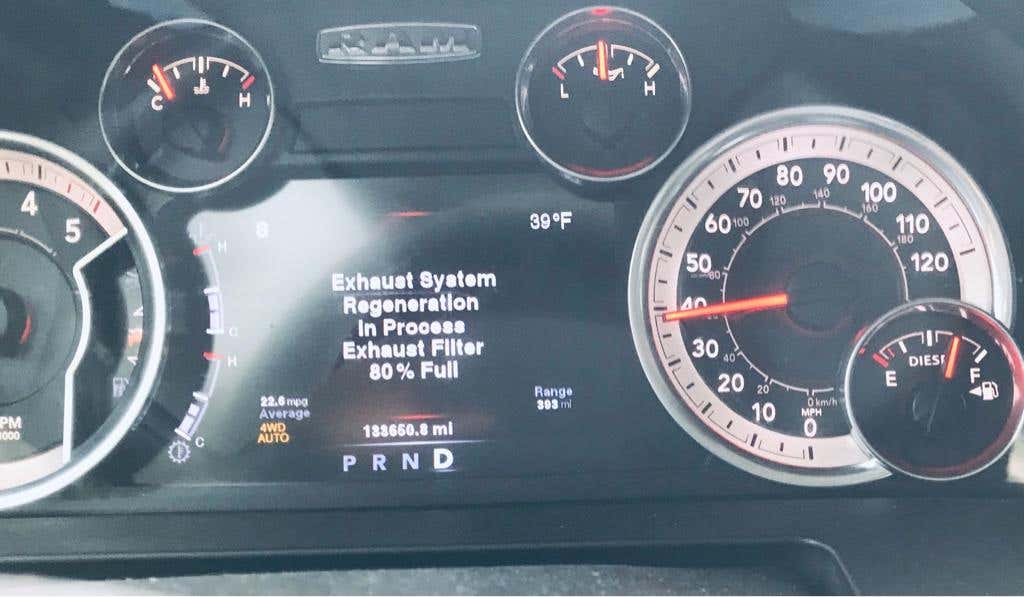
Dashboard Indicators
| Indicator | Meaning |
|---|---|
| Check Engine Light | May blink during regeneration process. |
| DPF Light | Lights up or flashes to show regeneration is active. |
| Warning Messages | Display on dashboard to inform about regeneration. |
Common Issues Affecting Regeneration
Exhaust system regeneration is important for cleaning harmful particles. Sometimes, this process takes longer than expected. Certain issues can slow down or stop regeneration.
Knowing the common problems helps you fix them faster. This keeps your vehicle running well and reduces pollution.
Clogged Filters
Filters catch soot and ash from the exhaust gases. Over time, they can get clogged with too much material. A clogged filter blocks the flow and stops proper regeneration.
If the filter is too dirty, the system may need extra time or forced regeneration. Ignoring clogged filters can cause engine problems and higher emissions.
Faulty Sensors
Sensors monitor exhaust temperature and pressure. They tell the system when to start or stop regeneration. Faulty sensors give wrong data and confuse the system.
This can delay regeneration or stop it from happening. Fixing or replacing bad sensors helps keep the process smooth and timely.
Incomplete Regeneration Cycles
Regeneration needs time to fully clean the filter. If the vehicle stops or the engine turns off early, the cycle may not finish. This is called an incomplete regeneration cycle.
Incomplete cycles cause soot to build up, making later regenerations harder. Driving longer or keeping the engine on during regeneration helps complete the cycle.
Tips To Help Regeneration Process
Exhaust system regeneration helps clean the diesel particulate filter. This process can take several minutes to complete. Some tips can help speed up the regeneration and keep your vehicle running well.
Following good habits and care routines supports the regeneration process. These tips help avoid damage and keep your exhaust system working properly.
Maintaining Proper Driving Habits
Driving at steady speeds helps the regeneration process. Frequent short trips can stop the filter from fully cleaning. Try to drive on highways or open roads when possible.
Avoid turning off the engine during regeneration. The process needs time to finish for best results. Sudden stops can cause more soot buildup in the filter.
- Drive at speeds above 40 mph for 15-20 minutes
- Avoid stop-and-go traffic during regeneration
- Keep engine running until regeneration completes
Using Recommended Fuels
Use the fuel type your vehicle’s manual recommends. Poor quality fuel can cause extra soot and block the filter faster. Diesel with low sulfur content is best for diesel engines.
Adding fuel additives only if the manufacturer approves them. Some additives can harm the exhaust system and slow regeneration.
- Choose fuel with low sulfur content
- Follow vehicle manufacturer’s fuel guidelines
- Avoid unapproved fuel additives
Regular Vehicle Maintenance
Keep your vehicle in good shape by following scheduled maintenance. Regular oil changes and air filter replacements help the engine run clean. This reduces soot and helps the exhaust system.
Check the exhaust system and sensors often. Faulty sensors can stop regeneration or cause errors. Fix problems quickly to keep the system working well.
- Change engine oil on time
- Replace air filters regularly
- Inspect exhaust sensors and parts
- Repair faults immediately
When To Seek Professional Help
Exhaust system regeneration is a process that cleans the diesel particulate filter. It can take from 10 minutes to over an hour. Some signs mean you should get expert help soon.
Ignoring these signs can cause more damage and costly repairs. Watch for warning lights, strange smells, and poor engine performance.
Persistent Warning Lights
The check engine light or the diesel particulate filter warning light may stay on. This shows the system is not regenerating properly. If the light stays on after a long drive, see a mechanic.
Unusual Exhaust Smells
Strange smells from the exhaust can mean problems. A strong fuel or sulfur smell is a warning sign. It may mean the regeneration is failing or the filter is clogged.
- Strong fuel odor
- Sulfur or rotten egg smell
- Excessive smoke from the exhaust
Performance Problems
Engine power may drop if the exhaust system is not working well. Your vehicle might use more fuel or run roughly. These problems often mean the filter needs cleaning or repair.
| Symptom | Possible Cause |
| Low engine power | Clogged diesel particulate filter |
| High fuel consumption | Failed regeneration process |
| Rough idling | Exhaust system blockage |
Frequently Asked Questions
How Long Does A Typical Exhaust System Regeneration Take?
Exhaust system regeneration usually takes 20 to 40 minutes. The process burns off soot buildup in the diesel particulate filter. Time varies by vehicle type and driving conditions. Regular driving helps complete regeneration efficiently.
What Factors Affect Exhaust System Regeneration Duration?
Factors include engine load, driving speed, and temperature. Short trips or low speeds may extend regeneration time. Heavy loads and highway driving speed up the process. Environmental conditions and fuel quality also play roles.
How Can I Tell If Regeneration Is In Progress?
You might notice increased engine noise or higher RPMs. The exhaust temperature rises as soot burns off. Some vehicles display a dashboard light or message. Avoid stopping the engine during active regeneration.
Can I Manually Start Exhaust System Regeneration?
Yes, many modern vehicles allow manual regeneration via onboard controls or diagnostic tools. This helps clear the filter if automatic regeneration fails. Consult your vehicle’s manual for specific instructions. Manual regeneration ensures optimal engine performance and emissions control.
Conclusion
Exhaust system regeneration usually takes about 10 to 30 minutes. The time depends on the vehicle and driving conditions. Short trips may delay the process. Long drives at steady speeds help complete regeneration faster. Keeping the engine warm also supports the system.
Regular maintenance keeps your exhaust working well. Understanding this helps you avoid surprises. Watch for warning lights and unusual smells. This simple knowledge keeps your car running clean and smooth.