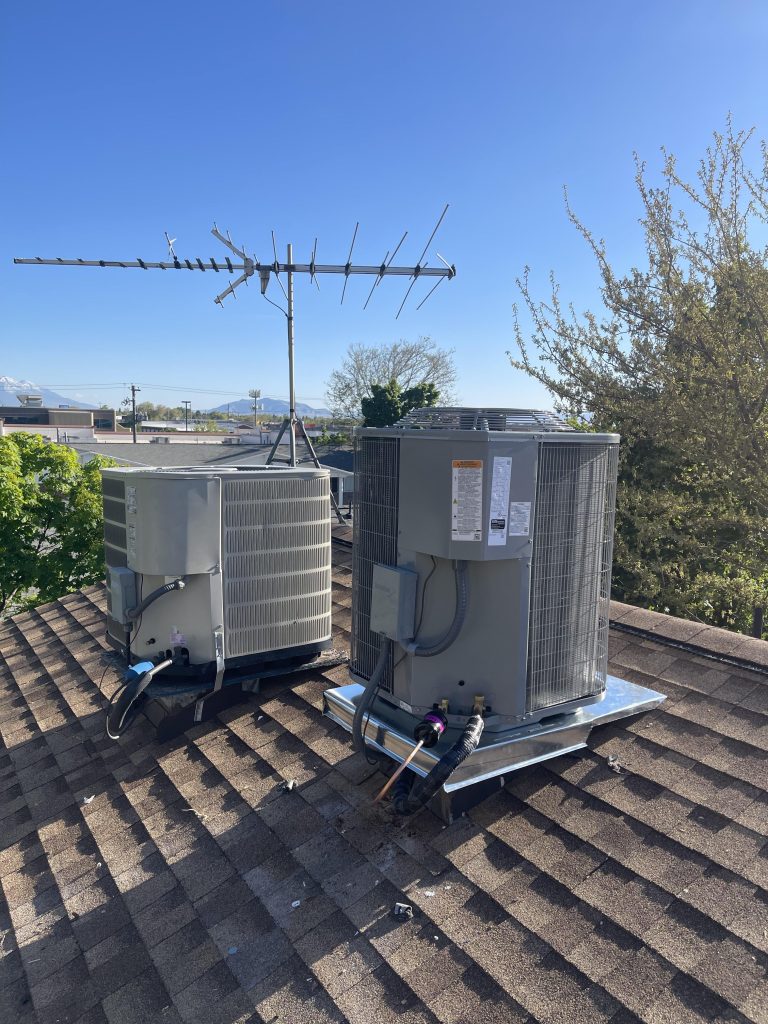
Have you ever wondered why air conditioners are often placed on the roof instead of inside or on the ground? It might seem strange at first, but there’s a smart reason behind this choice.
Understanding why your AC unit sits up high can help you appreciate how it keeps your home cool and saves you money. Keep reading, and you’ll discover the surprising benefits of rooftop air conditioners and how this simple design choice impacts your comfort every day.
Space Saving Benefits
Placing air conditioners on the roof helps save valuable indoor space. This setup frees up rooms for other uses, like living areas or offices.
Urban buildings often have limited floor space. Roof placement keeps the units out of sight and avoids cluttering hallways or balconies.
Keeping air conditioners on the roof also reduces noise inside the building. It helps maintain a cleaner and more comfortableindoor environment.
- Frees up indoor living or working space
- Reduces noise inside rooms
- Keeps outdoor areas neat and tidy
- Ideal for buildings with small footprints
Improved Efficiency
Placing air conditioners on the roof allows for better airflow. This helps the unit cool air more efficiently by avoiding obstacles like walls or furniture. Clear airflow means the system works faster and uses less energy.
Roof placement also keeps the outdoor unit away from dust and debris, which can block vents. This reduces the chance of clogs and improves cooling performance. The air conditioner stays cleaner and lasts longer.
Having the unit on the roof means it does not block windows or pathways. This reduces obstructionand keeps the area around the building neat and safe. It also lowers noise levels for people nearby.
Noise Reduction
Air conditioners on the roofhelp keep the noise outside the house. This makes the indoor space quieter and more comfortable. People inside can enjoy peace without the loud hum of the unit.
Placing units on the roof also stops noise from disturbing neighbors. This is very important in residential areaswhere houses are close together. It reduces complaintsand improves community living.
- Less noise inside the home
- Neighbors stay undisturbed
- Better for family rest and work
- Keeps outdoor spaces peaceful

Credit: airgreen.ca
Enhanced Safety
Placing air conditioners on the roof keeps them safe from vandalism. It is hard for people to reach and damage units up high. This helps reduce repair costsand keeps the system working well.
Roof installation also lowers the chance of accidental damage. Ground-level units can get hit by cars, bikes, or lawn tools. On the roof, air conditioners are away from daily activities. This keeps them safe and extends their lifespan.
Maintenance Advantages
Technicians can reach rooftop air conditioners easily.This saves time during repairs or checks. No need to move furniture or climb stairs inside the building.
Rooftop units face less dust and dirt from ground level. This keeps the air conditioner cleaner for longer. It also means fewer clogs in filters and parts.
- Quick access for repairs and inspections
- Less dust and debris build-up
- Reduced risk of damage from foot traffic
- Better airflow and cooling efficiency

Credit: www.harmonyheating.ca
Aesthetic Considerations
Placing air conditioners on the roof helps keep the building’s appearance clean. It hides bulky units from street view, keeping the design neat and attractive. Roof placement prevents machines from cluttering the ground, which can look messy and unorganized.
Ground-level units can block walkways or parking spaces. They may also collect dust and debris more easily. On the roof, air conditioners stay out of sightand out of the way, making the space below more usable and visually pleasing.
- Preserves the building’s visual appeal
- Keeps sidewalks and entrances clear
- Reduces noise at ground level
- Protects units from accidental damage
Climate Adaptation
Air conditioners on roofssave space inside buildings. Roofs get more sunlight and air. This helps cooling units work betterin hot places. Hot air rises, so rooftop ACs release heat away from rooms.
Roofs are usually open and clear. This means good airflowaround the AC. It stops machines from overheating. Also, rooftops keep ACs safe from damage inside busy areas.
| Weather Factor | How Rooftop ACs Handle It |
|---|---|
| Sun | Direct exposure helps machines cool air efficiently |
| Rain | AC units are built to resist water damage |
| Wind | Strong winds cool the AC and keep it clean |
| Dust | Filters and covers protect the system |
Credit: www.diychatroom.com
Frequently Asked Questions
Why Are Air Conditioners Placed On The Roof?
Air conditioners are often placed on roofs to save space and reduce noise. This location also allows for better airflow and efficiency. Roof placement protects units from ground-level damage and tampering. It can also facilitate easier maintenance and installation, especially in commercial buildings.
Do Rooftop Ac Units Work Better?
Rooftop AC units often work better due to improved airflow. Elevated positions allow for efficient heat dispersion. This can enhance cooling performance. They can also be quieter indoors since noise is further away. Maintenance access is often more convenient, making them an ideal choice for many buildings.
Are Roof Ac Units More Efficient?
Roof AC units can be more efficient due to better heat exchange. Elevated placements help in dispersing heat effectively. This can result in improved energy consumption. Additionally, their centralized location can simplify ductwork, further enhancing efficiency. Proper installation and maintenance are key to maximizing their efficiency.
How Do Rooftop Ac Units Save Space?
Rooftop AC units save valuable ground space by utilizing unused roof areas. This can be especially beneficial in urban or commercial settings. Placing units on the roof can free up space for other uses. This strategic placement minimizes the visual impact and potential for ground-level obstructions.
Conclusion
Placing air conditioners on the roof saves space inside buildings. It keeps the units away from people and noise. Roof placement helps machines work better with more airflow. It also makes maintenance easier and safer for workers. This setup prevents damage from floods or accidents on the ground.
Overall, roof installation balances efficiency, safety, and convenience well. Now you know why many buildings choose this smart option.