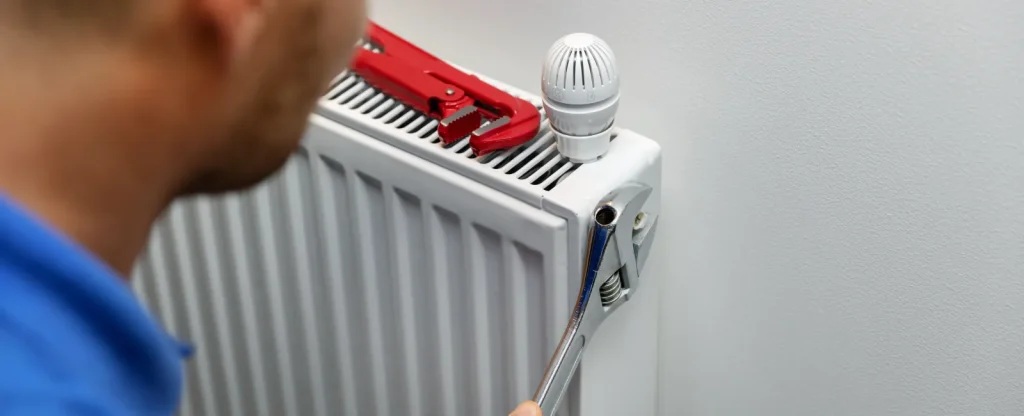
Is your radiator heating system not working as well as it should? One common reason might be low water levels inside the system.
Knowing how to add water to your radiator heating system is a simple skill that can save you time, money, and discomfort during cold days. In this guide, you will learn exactly what to do, step by step, to keep your heating running smoothly.
Keep reading, and you’ll soon have your home warm and cozy again without any hassle.
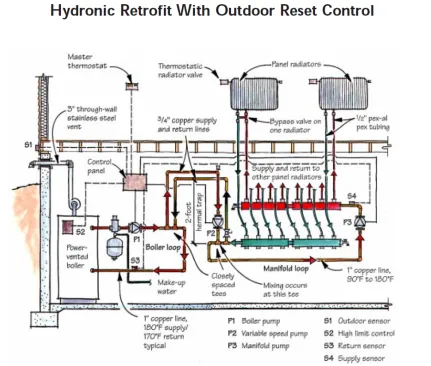
Credit: www.jlconline.com
Signs Your Radiator Needs Water
Your radiator heating system may lose water over time. This causes it to work less efficiently. It is important to notice signs that your radiator needs water.
Adding water to the system keeps your home warm and saves energy. Look for these common signs that your radiator needs water.
Cold Spots On Radiators
Cold spots happen when parts of the radiator are not heating up. This means water or steam is not flowing properly. Low water levels can cause this issue.
If you feel cold areas on your radiator, it is time to check the water level. Adding water can fix cold spots and restore heat evenly.
Unusual Noises
Strange noises from your radiator can mean low water pressure. Banging, gurgling, or hissing sounds are common signs. These noises occur because air enters the system when water is low.
- Banging sounds suggest trapped air pockets
- Gurgling noise means water flow is uneven
- Hissing can indicate steam escaping
Refilling the radiator with water helps stop these noises and improves heating.
Pressure Gauge Readings
Your boiler has a pressure gauge that shows water pressure inside the system. Check this gauge to know if your radiator needs water.
| Pressure Level | Meaning | Action |
| Below 1 bar | Low pressure | Add water to radiator |
| 1 to 2 bars | Normal pressure | No action needed |
| Above 2 bars | High pressure | Release pressure if needed |
Keep the pressure in the normal range to avoid damage and keep your heating system working well.
Credit: www.angi.com
Safety Tips Before Adding Water
Adding water to your radiator heating system can keep it working well. It is important to follow safety steps before starting. These steps prevent accidents and damage.
Read each safety tip carefully. Use the right tools and take your time to avoid problems.
Turn Off The Heating System
Always switch off the heating system before adding water. This stops the system from working while you handle the radiator.
- Locate the main power switch of your heating system.
- Turn off the power to stop the heater.
- Wait a few minutes to ensure the system is fully off.
Allow Radiator To Cool
Let the radiator cool down before opening it. Hot water or steam can cause burns if you open a hot radiator.
| Cooling Time | Reason |
| At least 30 minutes | To avoid burns from hot water or steam |
| Room temperature | Safe to touch and open radiator valves |
Use Protective Gear
Wear protective gear to keep safe while adding water. This protects your skin and eyes from hot water or splashes.
- Wear gloves to protect your hands.
- Use safety goggles to protect your eyes.
- Wear old clothes or a protective apron.
Gathering Necessary Tools
Adding water to a radiator heating system needs the right tools. You must prepare before starting the process.
This guide covers the main tools you will need to do the job safely and correctly.
Filling Key Or Radiator Valve Key
A filling key or radiator valve key helps you open and close the radiator valve. It fits the small square or round valve on the radiator.
- Check the valve size before buying a key.
- Use the correct key to avoid damaging the valve.
- Keep the key nearby while filling water.
Container For Water
You need a container to carry water to the radiator system. The container should be easy to handle and clean.
| Type | Recommended Size | Material |
| Bucket | 5 to 10 liters | Plastic or metal |
| Jug | 2 to 5 liters | Plastic with handle |
| Watering Can | 3 to 7 liters | Plastic or metal |
Cloth Or Towel
A cloth or towel protects the floor and catches any water drips. It also helps clean spills quickly.
- Use an old towel that can get wet.
- Place it under the radiator valve.
- Have extra towels ready to dry spills.
Step-by-step Water Addition Process
Adding water to a radiator heating system is important to keep it working well. You need to do it carefully to avoid damage. This guide shows you the steps to add water safely and correctly.
Follow these steps to add water to your radiator heating system without problems. Each step helps keep the system balanced and working efficiently.
Locate The Radiator Valve
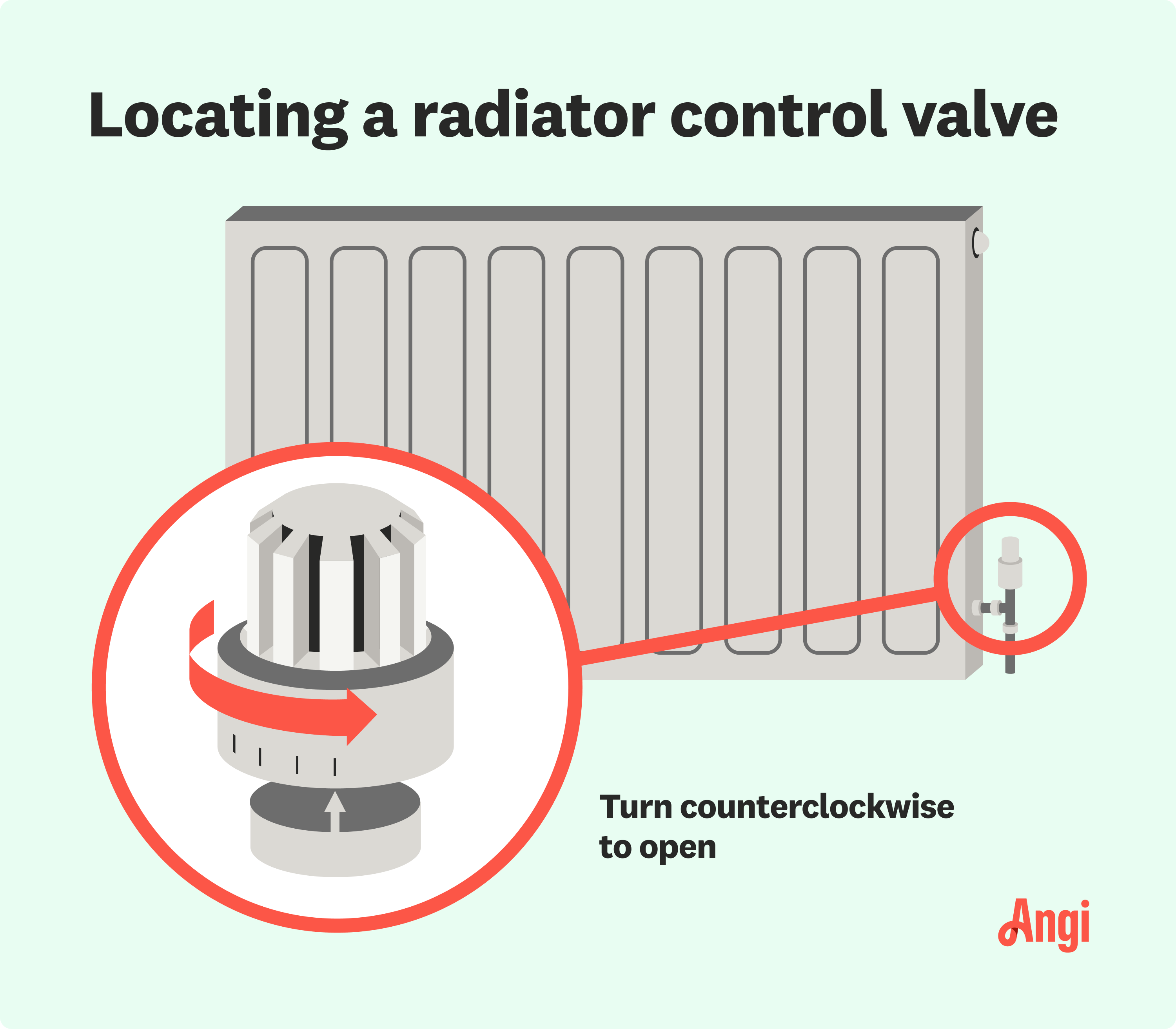
First, find the valve on your radiator. This valve controls the flow of water in and out of the radiator. It is usually near the bottom or side of the unit.
Check for a small knob or lever. If you are not sure, consult the radiator manual or look for labels near the valve.
Open The Valve Slowly
Turn the valve slowly to open it. Opening it too fast can cause air to enter the system or water to spill out. Slow opening helps the water flow smoothly.
Use a radiator key or wrench if needed. Turn the valve just a little bit at a time until you feel resistance reduce.
Monitor Pressure Levels
Keep an eye on the pressure gauge on your heating system. Water addition increases pressure. The ideal pressure is usually between 1 and 2 bar.
- Check the gauge often while adding water
- Stop adding water if pressure goes above 2 bar
- Allow pressure to settle before adding more water
Close The Valve Properly
Once the pressure is correct, close the valve carefully. Turn it slowly until it is fully shut. This stops water from leaking out.
Double-check the valve is tight. Look for any drips or leaks around the valve area. Tighten if needed with a wrench.
Bleeding The Radiator
Radiator heating systems can trap air inside. This air stops hot water from flowing well. Bleeding the radiator removes this air. It helps the radiator heat your room evenly.
Knowing how to bleed your radiator saves money and keeps your home warm. It is a simple task you can do yourself with a few tools.
Why Bleeding Is Important
Trapped air in radiators causes cold spots and noisy pipes. It also makes your heating system work harder. This wastes energy and raises bills. Bleeding removes the air and improves heat flow.
- Removes air pockets blocking hot water
- Improves heating efficiency
- Reduces strange noises in pipes
- Prevents damage to the heating system
How To Bleed Air Out
First, turn off the heating and wait for radiators to cool. Then find the bleed valve at the top side of the radiator. Place a bowl or cloth under the valve to catch water.
- Insert a radiator key or flat screwdriver into the bleed valve.
- Turn the valve slowly counterclockwise until you hear a hissing sound.
- Wait for air to escape and water to start dripping.
- Close the valve by turning clockwise when only water comes out.
- Check the boiler pressure and add water if needed.
Tools For Bleeding
| Tool | Purpose | Notes |
| Radiator key | Opens bleed valve | Fits most valves |
| Flat screwdriver | Alternative for bleed valve | Use if key is unavailable |
| Cloth or small bowl | Catches water drips | Protects floor and hands |
Checking System Pressure
Checking the pressure in your radiator heating system is important. It helps the system work well and keeps your home warm. Low pressure can cause the radiator to stop heating properly.
Regularly checking pressure prevents damage and costly repairs. Use the pressure gauge on your boiler to see the current level.
Ideal Pressure Range
The ideal pressure for most radiator heating systems is between 1 and 2 bars. This range allows water to flow correctly and heat your home evenly.
| Pressure Level (bar) | System Status |
| Below 1.0 | Too low, system may not work well |
| 1.0 – 2.0 | Ideal pressure range |
| Above 2.0 | Too high, risk of leaks or damage |
Adjusting Pressure If Needed
If the pressure is too low, you can add water to the system using the filling loop. Be sure to check the pressure gauge as you add water.
- Turn off the boiler and let it cool.
- Open the filling loop valves slowly.
- Watch the pressure gauge and stop at 1.5 bars.
- Close the valves tightly to prevent leaks.
- Turn the boiler back on and check the system works.
When To Call A Professional
Call a professional if the pressure drops often or does not stay stable. Also, if the pressure is too high and you cannot adjust it, seek help.
- If you see leaks around the radiator or boiler.
- If the boiler pressure gauge does not move.
- If you are unsure how to use the filling loop.
- If the system makes strange noises after adjusting pressure.
Maintaining Your Radiator System
Keeping your radiator heating system in good shape helps it work well. Adding water is an important part of maintenance. This guide shows how to check and add water safely.
Regular care can stop problems before they start. It also makes your home warm and comfortable all winter long.
Regular Water Level Checks
Check the water level in your radiator system often. Low water can cause the system to stop working. Look at the pressure gauge on the boiler to see the level.
If the pressure is below the recommended level, add water slowly. Use the filling loop valve to let water in. Do not add too much at once.
- Turn off the boiler before adding water
- Open the filling loop valve carefully
- Watch the pressure gauge while adding water
- Close the valve when pressure is right
Seasonal Maintenance Tips
Check your radiator system before cold weather starts. Clean any dust or dirt on radiators and pipes. This helps heat flow better.
Bleed the radiators to remove trapped air. This improves heating and reduces noise. Also, inspect the boiler and pipes for signs of wear.
- Clean radiator surfaces
- Bleed radiators to release air
- Check boiler pressure and settings
- Inspect pipes for rust or damage
Signs Of Leaks Or Damage
Look for water puddles or stains near radiators and pipes. These can show leaks. Also, listen for unusual noises or cold spots on radiators.
Early detection of leaks helps avoid costly repairs. Fix small leaks quickly to keep the system safe and efficient.
- Wet spots on the floor or walls
- Rust or corrosion on pipes
- Cold areas on radiators
- Hissing or banging noises

Credit: www.pmmag.com
Frequently Asked Questions
How Do I Know If My Radiator Needs Water?
Check the radiator gauge regularly for low water levels. If you hear gurgling noises or notice uneven heating, these could be signs. A cold spot on the radiator might also indicate a water shortage. Regularly maintaining the system ensures optimal performance.
Can I Use Tap Water In My Radiator?
Using tap water in your radiator is generally not recommended. Tap water contains minerals that can cause corrosion and scaling. It’s better to use distilled or demineralized water for longevity. Always consult your system’s manual or a professional for the best advice.
What Tools Do I Need To Add Water?
You will need a wrench or radiator key, a funnel, and a clean container of water. Ensure the system is turned off and cool before starting. Having a towel handy can help with any spills. Proper tools ensure a safe and efficient process.
How Often Should I Check Radiator Water Levels?
Check your radiator water levels at least twice a year. Regular checks help maintain system efficiency and prevent issues. Seasonal changes can affect water levels, so monitor more frequently in extreme weather. Consistent maintenance prolongs the life of your system.
Conclusion
Adding water to your radiator heating system keeps it working well. Check the water level often to avoid problems. Always use clean water and follow safety steps. A well-filled radiator heats your home better and saves energy. Take care of your heating system to stay warm and comfortable.
Simple steps can prevent costly repairs later. Keep your home cozy all winter long.