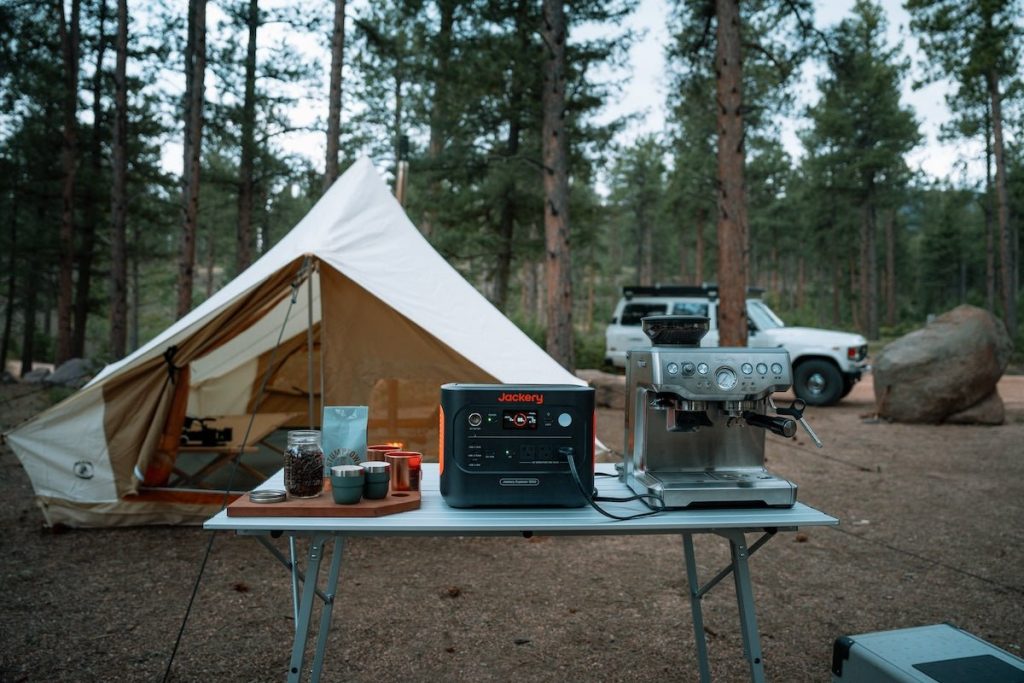
When the sun is blazing and the heat feels unstoppable, staying cool inside your tent can seem impossible. But what if you could turn your tent into a refreshing retreat, even on the hottest days?
You deserve a camping experience that’s comfortable and relaxing, not sweaty and restless. You’ll discover simple, effective ways to keep your tent cool, so you can enjoy your outdoor adventure without breaking a sweat. Keep reading to learn the secrets that make a real difference in beating the heat—your next camping trip will thank you.
Credit: www.battlbox.com
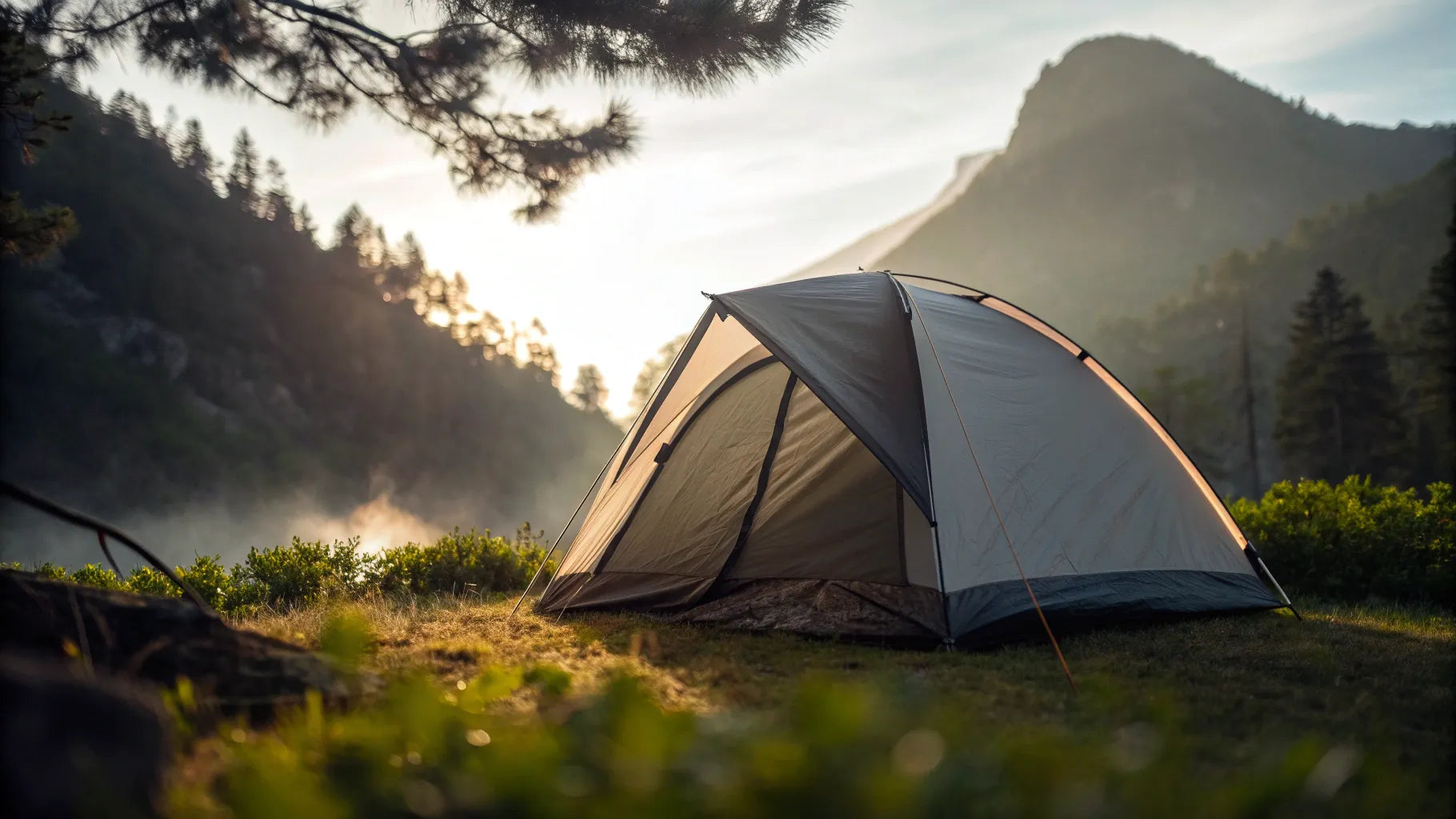
Choose A Shady Spot
Keeping your tent cool helps you stay comfortable during hot days. Picking the right spot can make a big difference.
Shade blocks the sun and lowers the tent temperature. Learn how to find the best shady place for your tent.
Look For Natural Shade
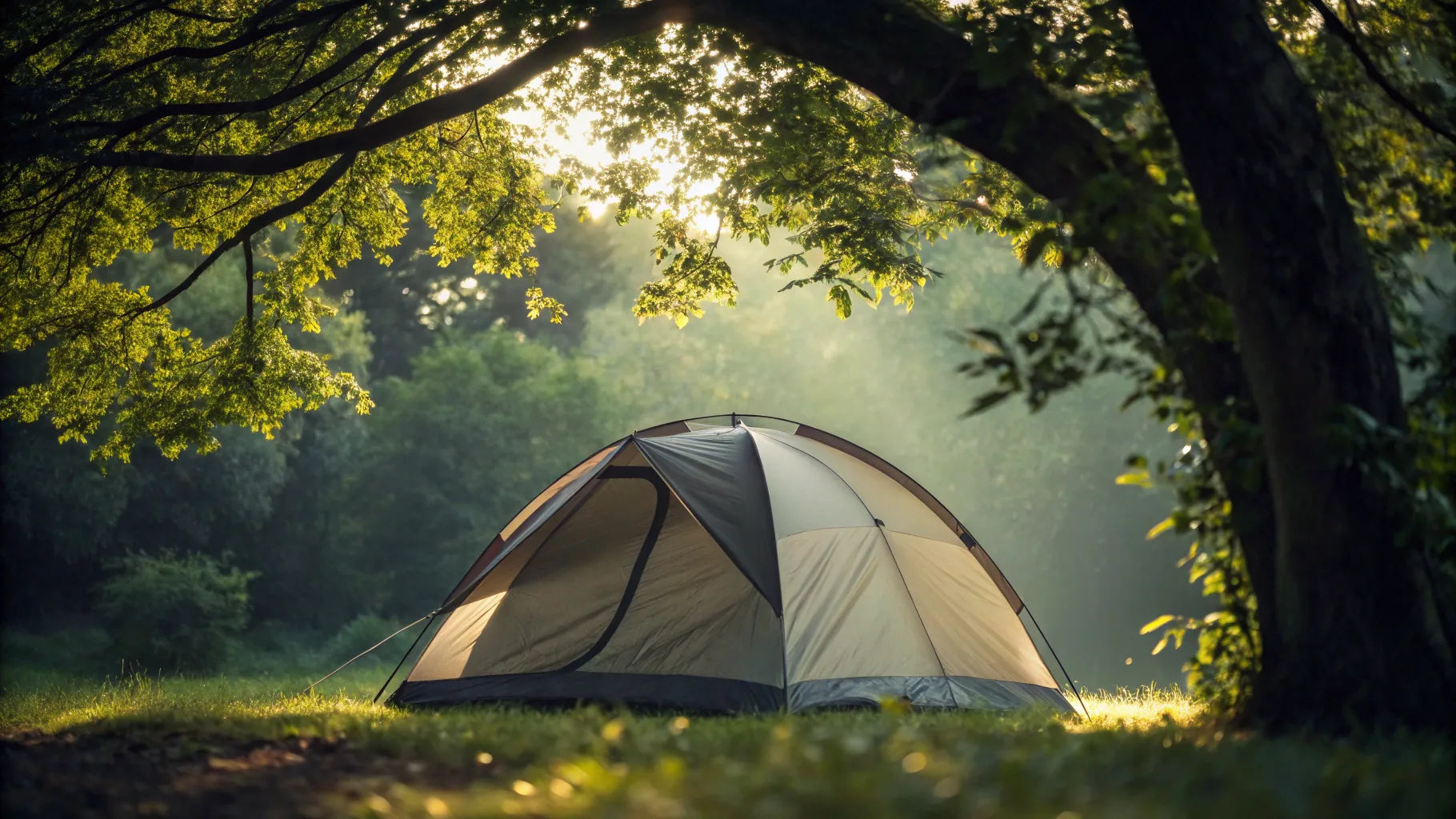
Trees and bushes provide natural shade. Setting your tent near them can keep it cooler.
Natural shade also helps protect the tent from wind and dust. Look for spots with thick tree cover or tall plants.
- Choose areas with large trees
- Find spots with dense leaves
- Avoid places with thin or sparse shade
Avoid Direct Sunlight
Direct sunlight heats the tent quickly. Avoid open spaces where the sun shines all day.
Check the sun’s path before setting up. Pick a spot that stays in shade during the hottest hours.
- Set the tent away from open fields
- Use natural features to block sun rays
- Move the tent if the sun shifts during the day
Use Reflective Covers
Keeping a tent cool is important for comfort during hot days. Reflective covers can help reduce heat inside your tent.
These covers reflect sunlight away, lowering the temperature inside. Using them properly can make camping more enjoyable.
Apply Tent Rainfly
The tent rainfly provides shade and protects from rain. Using a rainfly with reflective material improves heat reflection.
- Choose a rainfly with a light color or reflective coating.
- Make sure it covers the entire tent roof.
- Keep it taut to avoid sagging and water pooling.
- Ventilate under the rainfly to reduce trapped heat.
Add Reflective Blankets
Reflective blankets help block sunlight from heating the tent walls. Place them outside or inside the tent for better cooling.
| Placement | Effect |
|---|---|
| Outside tent walls | Blocks direct sunlight |
| Under tent floor | Reflects heat from ground |
| Inside tent roof | Reduces heat buildup |
Ventilate The Tent
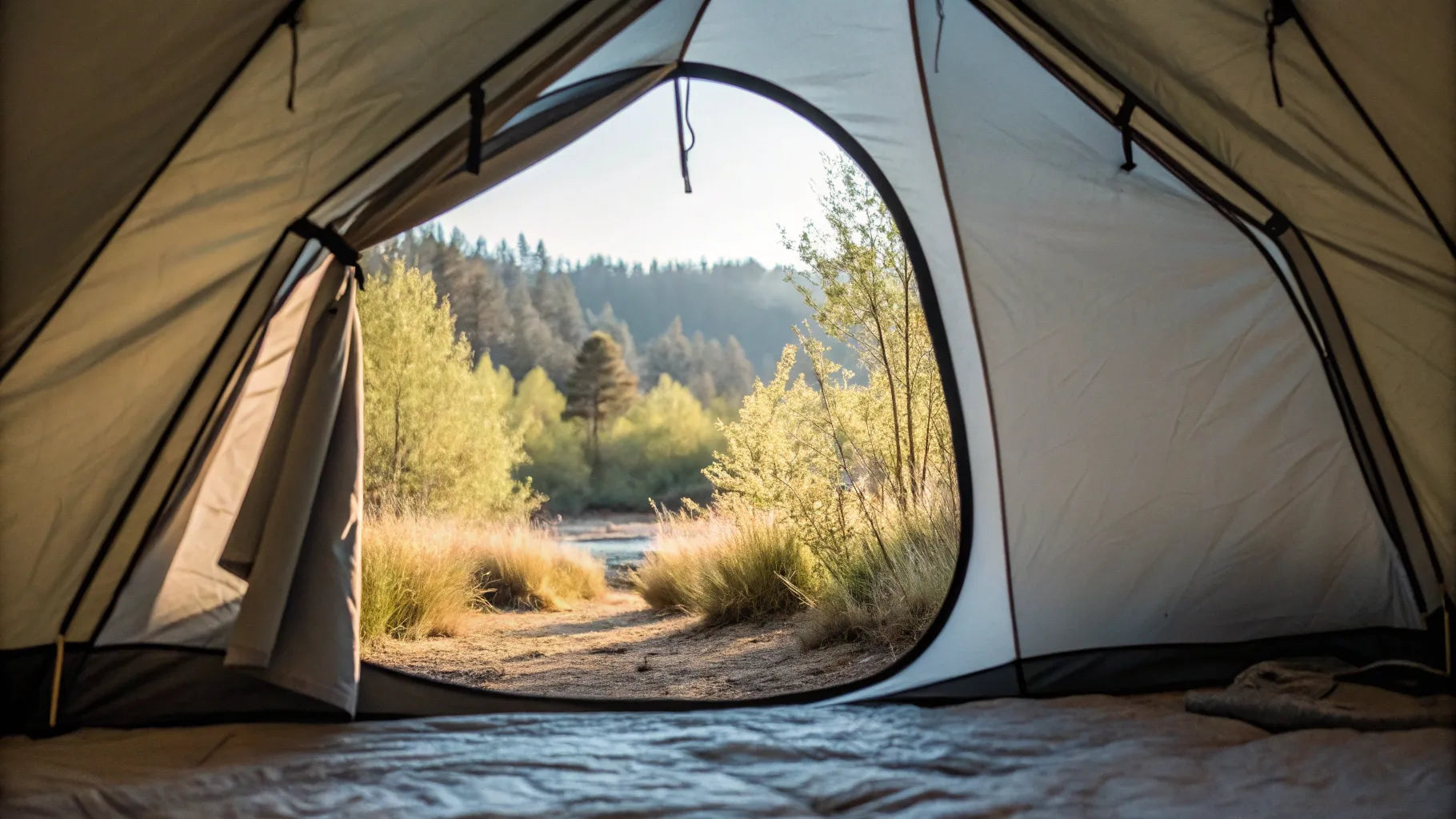
Keeping your tent cool is important for comfort during warm weather. Proper ventilation helps air flow inside the tent. This reduces heat and moisture buildup.
Use simple methods like opening doors and windows or using mesh panels. These allow fresh air to enter and hot air to leave the tent.
Open Doors And Windows
Open the tent’s doors and windows to let air move freely. This creates a breeze that cools the inside. Avoid closing all openings at once.
- Keep at least two openings on opposite sides for cross ventilation.
- Use rain flaps to cover openings without blocking airflow.
- Open windows with mesh to keep bugs out.
- Close openings at night to keep warmth inside if it gets cold.
Use Mesh Panels
Mesh panels block insects but let air flow easily. Most tents have mesh windows or sections to improve ventilation. Use these panels instead of closing the tent walls.
| Benefit | How Mesh Panels Help |
| Air Circulation | Allow fresh air while keeping bugs out |
| Heat Reduction | Prevent heat buildup by letting hot air escape |
| Humidity Control | Reduce moisture inside the tent |
| Comfort | Keep the tent cooler and more pleasant |
Credit: www.battlbox.com
Set Up A Fan
Keeping a tent cool is important on hot days. Using a fan can help move air and reduce heat inside.
Fans improve airflow and make the space more comfortable. Choose the right fan type for your needs.
Battery-powered Fans
Battery-powered fans are easy to use inside tents. They do not need an outlet or cables.
These fans are portable and work well for camping trips. You can move them anywhere inside your tent.
- Use fresh batteries for longer fan run time
- Choose fans with adjustable speeds for comfort
- Look for compact designs to save space
- Some models come with clips to attach to tent poles
Solar-powered Options
Solar-powered fans use sunlight to charge during the day. They help keep tents cool without batteries.
These fans are eco-friendly and save money on power. They work best in sunny conditions outside your tent.
- Place solar panels in direct sunlight
- Solar fans can run all day with enough sun
- Some models have built-in rechargeable batteries
- Check fan size and airflow before buying
Keep Airflow Around The Tent
Keeping your tent cool is important for a comfortable camping experience. Airflow helps reduce heat inside the tent.
Good airflow moves hot air out and brings cooler air in. This stops the tent from feeling stuffy.
Clear Surrounding Area
Remove bushes, tall grass, and debris near your tent. These can block the wind and stop air from flowing.
A clear space lets wind move freely around your tent. This keeps the air fresh and lowers the temperature inside.
- Cut back plants around the tent spot
- Pick a flat, open area for pitching
- Keep the tent away from walls or fences
- Clear rocks or sticks that block airflow
Elevate The Tent Floor
Raising the tent floor lets air flow underneath. This reduces heat buildup from the ground.
You can use a camping mat, wooden pallets, or a tarp to lift the tent slightly off the ground.
- Place a tarp under the tent for protection
- Use flat wooden pallets if available
- Try a camping mat to add height and comfort
- Make sure the floor stays stable and safe
Credit: www.battlbox.com
Use Cooling Accessories
Keeping a tent cool can make camping more comfortable. Cooling accessories help lower the temperature inside your tent.
These tools are easy to use and can make a big difference during hot days outdoors.
Cooling Towels And Pads
Cooling towels and pads stay cool for hours. You can place towels on your neck or shoulders to cool your body.
- Soak towels in cold water and wring out excess.
- Use cooling pads inside the tent for a cooler surface.
- Keep them shaded to maintain their coolness longer.
Frozen Water Bottles
Frozen water bottles act like ice packs to cool the tent air. Place them near the tent entrance or under your sleeping bag.
| Use | Tips |
| Cooling the air | Place frozen bottles near tent vents |
| Chilling drinks | Keep bottles frozen and drink when warm |
| Cooling your body | Hold or place bottles on wrists or neck |
Manage Tent Materials
Keeping a tent cool starts with choosing the right materials. The fabric and color of your tent affect how much heat it absorbs.
Using materials that reflect sunlight and allow air to flow can lower the inside temperature. This makes your camping more comfortable.
Choose Light-colored Tents
Light-colored tents reflect more sunlight than dark ones. This helps keep the tent cooler during the day.
Colors like white, beige, or light gray reduce heat buildup inside the tent. Dark colors absorb heat and make it hotter.
- White tents reflect most sunlight
- Light colors reduce heat absorption
- Dark tents trap heat inside
Consider Breathable Fabrics
Breathable fabrics allow air to pass through the tent walls. This helps to reduce heat and moisture inside.
Look for tents made with mesh panels or vents. These features improve airflow and keep the tent cooler.
- Mesh panels increase ventilation
- Vents release hot air
- Breathable fabrics reduce condensation
Plan Your Camping Schedule
Keeping your tent cool is important for a good camping experience. Planning your schedule helps avoid the hottest parts of the day.
Choose times to set up and rest that keep you out of the sun. This keeps your tent cooler and more comfortable.
Set Up Early In The Day
Start setting up your tent early in the morning. The sun is low and the temperature is cooler then.
Putting your tent up before the heat builds helps keep it cool later. You can also find a good spot in shade.
- Arrive at the campsite early
- Choose a shaded area for your tent
- Set up before the sun gets strong
Rest During Peak Heat
Take breaks inside your tent or in the shade during midday. The sun is strongest then, so it heats the tent quickly.
Resting during the hottest hours keeps you cool and saves energy. Use this time to relax and drink water.
- Plan quiet time between 12 PM and 4 PM
- Stay inside or under shade during this time
- Drink plenty of water to stay hydrated
Frequently Asked Questions
How Can I Keep My Tent Cool In Summer?
To keep your tent cool in summer, choose a shaded campsite. Use a reflective tarp to block direct sunlight. Ventilate your tent by opening windows and doors. Opt for a tent with mesh panels. Place a portable fan inside for better airflow.
What Materials Help Keep A Tent Cool?
Materials like reflective tarps and light-colored fabrics help keep a tent cool. Reflective tarps deflect sunlight, reducing heat buildup. Light-colored fabrics absorb less heat compared to darker ones. Choosing a tent with mesh panels also aids in ventilation, maintaining a cooler interior environment.
Does Tent Location Affect Its Temperature?
Yes, tent location significantly affects its temperature. Pitching a tent under shade reduces direct sunlight exposure. Avoid placing your tent on bare ground or asphalt, which can radiate heat. Opt for grassy or wooded areas for better natural cooling. Proper location ensures a cooler and more comfortable camping experience.
Can A Fan Cool Down A Tent Effectively?
Yes, a fan can help cool down a tent effectively. Portable battery-operated fans improve air circulation inside the tent. They help disperse heat and bring in fresh air. While not a substitute for air conditioning, fans are a convenient way to enhance comfort during hot camping days.
Conclusion
Keeping your tent cool makes camping more comfortable and fun. Use shade and good ventilation to lower heat inside. Choose light-colored tents to reflect sunlight better. Setting up near water or trees helps keep air fresh. Small fans or wet cloths can add extra coolness.
Remember, staying cool means enjoying your outdoor time more. Try these easy tips on your next trip. You will notice a big difference in how you feel inside your tent. Stay cool, stay happy!