
Have you ever wondered if running the air conditioner in your car is secretly draining your gas? You’re not alone.
Many drivers ask this question because it affects both comfort and fuel costs. Understanding how your car’s air conditioning impacts gas mileage can help you make smarter choices every time you hit the road. Keep reading to discover the surprising truth behind your AC’s effect on fuel and how you can stay cool without emptying your tank.
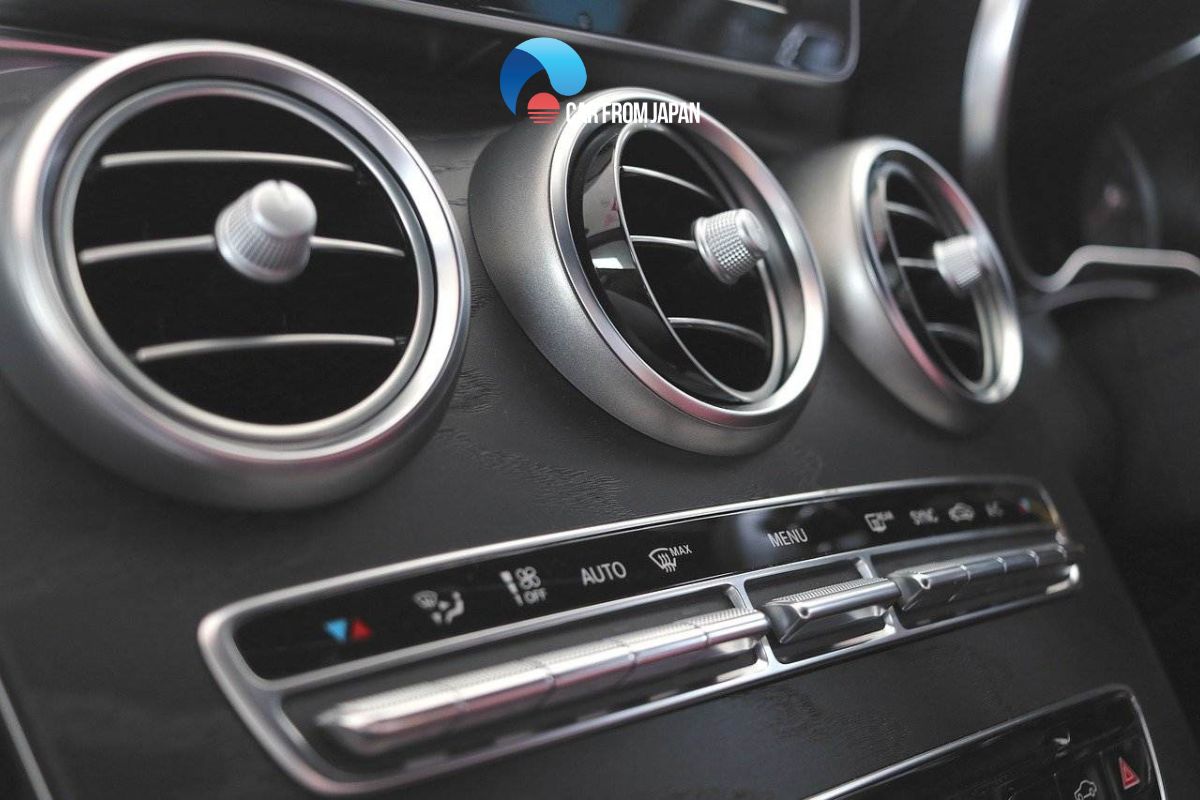
Credit: carfromjapan.com
How Car Air Conditioners Work
The car air conditionercools the inside air by moving heat outside. It works with a compressor, refrigerant, and condenser. The compressor squeezes the refrigerant gas, making it hot and high-pressure. The hot gas then moves to the condenser. The condenser cools it down into a liquid. This liquid goes through an expansion valve, dropping pressure and temperature. Cool refrigerant absorbs heat from inside the car, making the air feel cold.
The system runs using energy from the car’s engine. The compressor is powered by a belt connected to the engine. This means the air conditioner uses fuelindirectly because the engine must work harder. When the air conditioner is on, the engine burns more gasto keep everything running smoothly.

Credit: www.youtube.com
Impact Of Air Conditioning On Fuel
Running the air conditioner in a car adds extra load to the engine. This load makes the engine work harder than usual. The harder the engine works, the more fuel it uses. This means that the air conditioner increases fuel consumption. The increase depends on the car type and air conditioner use.
Fuel consumption changes with different conditions:
- Higher engine load uses more fuel.
- Stopping and starting with AC uses fuel differently.
- Driving fast with AC can increase fuel use more.
- Using AC at low speeds uses less extra fuel.
Comparing Ac Use And Open Windows
Running the air conditioner in a car uses some extra fuel. This happens because the engine works harder to power the AC. On the other hand, opening windows can change the car’s aerodynamics.
When windows are open, air hits the car and creates drag. This drag makes the car work harder to move, which can also use more fuel.
| Factor | AC On | Windows Open |
|---|---|---|
| Aerodynamics | Better, less drag | More drag, air resistance |
| Fuel Use | Uses more fuel to run AC | May increase fuel use due to drag |
| Comfort | Cooler inside the car | Wind noise, less cool |
- At low speeds, open windows may not affect fuel much.
- At high speeds, open windows increase drag a lot.
- AC use increases fuel slightly but keeps you cool.
Factors Influencing Fuel Usage
The type of vehicleand engine sizeaffect fuel use when running the air conditioner. Bigger engines use more gas to power the AC. Small cars with efficient engines use less fuel. Trucks and SUVs usually consume more fuel with the AC on.
Driving speedand road conditionsalso matter. At high speeds, the AC uses more power, increasing fuel consumption. Stop-and-go traffic can make the engine work harder, using more fuel with the AC running. On smooth highways, the impact on fuel is less.
Tips To Save Fuel While Using Ac
Setting the AC temperature around 78°F (25-26°C)helps save fuel. Cooler settings make the engine work harder, using more gas. Avoid turning the AC too low; it can waste fuel quickly.
Regular maintenance keeps the AC system working well and saves gas. Clean or replace the cabin air filter often. Check for leaks and recharge refrigerant if needed. Proper maintenance means the AC uses less energy.

Credit: carfromjapan.com
Alternative Cooling Options
Opening windows helps air flow through the car. This simple way cools the inside without using gas. Using fans inside the car also moves air around. It feels cooler even if the air is warm.
New cars have advanced cooling technologieslike electric compressors. These systems cool the car without using the engine’s gas. Some models use solar panels to power the air conditioner. This saves fuel and keeps the car cool.
Frequently Asked Questions
Does Running Ac In Car Consume More Gas?
Yes, running the air conditioner in a car uses gas. The AC compressor relies on the engine, increasing fuel consumption. However, the impact on gas mileage varies depending on the car model and driving conditions.
How Does Car Ac Affect Fuel Efficiency?
Using the car’s air conditioner can decrease fuel efficiency. The engine works harder to power the AC compressor. This results in increased fuel consumption, especially during city driving or in heavy traffic.
Is It Better To Open Windows Or Use Ac?
Using AC at high speeds is more fuel-efficient than open windows. Open windows increase aerodynamic drag, reducing fuel efficiency. At lower speeds, opening windows might save more gas compared to running the AC.
Can Ac Usage Impact Car Engine Performance?
Yes, running the AC can impact engine performance. The engine must work harder to power the AC compressor. This can lead to a slight reduction in engine power, especially in smaller engines or older cars.
Conclusion
Running the car’s air conditioner does use more gas. The engine works harder to power the AC. This means your fuel efficiency drops a bit. Still, staying cool and safe is important. You can save gas by using the AC wisely.
For example, use it only when needed or lower the fan speed. Remember, a little extra gas use is normal. Balancing comfort and fuel saves money and energy. Keep your car cool without wasting too much gas.