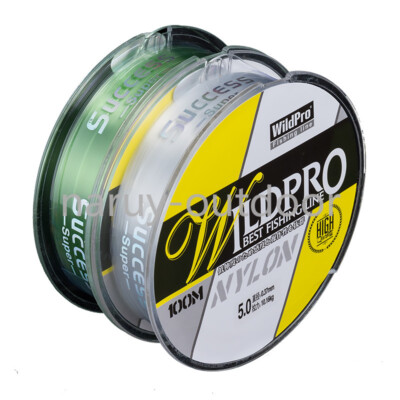
Are you tired of losing big catches because your fishing line snaps at the worst moment? Choosing the strongest fishing line can make all the difference between reeling in a trophy fish or watching it slip away.
But with so many options out there, how do you know which one will hold up under pressure? You’ll discover exactly what makes a fishing line strong and which types can handle the toughest battles. Keep reading, and you’ll never have to worry about your line breaking again.

Credit: mysterytacklebox.com
Types Of Fishing Lines
Fishing lines come in different types for different needs. Each type has its own strengths and weaknesses.
Choosing the right fishing line helps catch more fish and avoid breaks.
Monofilament Lines
Monofilament lines are made from a single strand of nylon. They are flexible and easy to handle. These lines float well and stretch under pressure.
- Good for beginners
- Affordable and widely available
- Stretches to absorb shock
- Can weaken with sunlight exposure
Braided Lines
Braided lines are made by weaving several fibers together. They are very strong and thin. These lines do not stretch much, giving better control.
| Feature | Braided Line |
| Strength | Very High |
| Diameter | Thin |
| Stretch | Very Low |
| Visibility | High |
| Durability | Resistant to abrasion |
Fluorocarbon Lines
Fluorocarbon lines are made from a special plastic. They are nearly invisible underwater. These lines sink faster and resist wear well.
Advantages of Fluorocarbon Lines:
- Low visibility in water
- High abrasion resistance
- Sinks quickly for deep water fishing
- Less stretch than monofilament
Factors Affecting Line Strength
Fishing line strength depends on several key factors. These factors help anglers choose the best line for their needs.
Understanding these factors will improve your fishing experience and help you catch bigger fish.
Tensile Strength
Tensile strength is the maximum force a fishing line can handle before breaking. It shows how strong the line is under tension.
Lines with higher tensile strength can hold bigger fish without snapping. This is important for heavy catches.
Diameter And Thickness
The diameter of the fishing line affects its strength and visibility. Thicker lines are usually stronger but more visible in water.
Thin lines are less visible and can be stronger if made from advanced materials. Anglers balance thickness and strength.
- Thicker lines resist breaking but are easier for fish to see
- Thinner lines are less visible but may be weaker
- Material type also affects strength despite diameter
Knot Strength
Knot strength is how well a fishing line holds together at a knot. A weak knot can cause the line to break easily.
Some lines lose strength when knotted. Using proper knots and techniques improves overall line strength.
- Choose knots that keep line strength high
- Practice tying knots correctly
- Test knots before fishing to avoid breakage
Abrasion Resistance
Abrasion resistance is how well the line stands up to rubbing and scraping. Rough surfaces can wear down the line quickly.
Lines with good abrasion resistance last longer and are less likely to break on rocks or debris.
- High abrasion resistance helps in rocky or rough water
- Protects line from sharp objects and fish teeth
- Increases line durability and reliability
Top Strongest Fishing Lines
Choosing the strongest fishing line helps catch big fish without breaking. Different types of lines have different strengths and uses.
Understanding which line is best for your fishing style improves your success on the water.
Best Monofilament Lines
Monofilament lines are made from one strand of nylon. They stretch well and are easy to handle.
These lines work best for beginners and general fishing. They also float on water, which helps with topwater fishing.
- Strong and flexible
- Good knot strength
- More stretch than other lines
- Affordable and widely available
Best Braided Lines
Braided lines are made from several fibers woven together. They have very high strength and low stretch.
These lines are thin but strong, allowing you to use more line on your reel. They are perfect for fishing in heavy cover or deep water.
- High strength with small diameter
- Little to no stretch
- Very durable and abrasion-resistant
- Good for long casts and deep fishing
Best Fluorocarbon Lines
Fluorocarbon lines are made from a special plastic that is dense and sinks fast. They are nearly invisible underwater.
These lines are good for clear water and when fish are easily spooked. They also resist damage from sunlight and water better than monofilament.
- Low visibility in water
- Strong and resistant to abrasion
- Sinks faster than other lines
- Less stretch than monofilament
Choosing The Right Line For Your Needs
Choosing the strongest fishing line depends on many factors. Picking the right line helps you catch fish more easily.
Consider where you fish, what fish you want, and how far you cast. Also, think about your budget to find the best option.
Fishing Environment
Different waters need different fishing lines. Saltwater can wear out some lines fast. Freshwater is usually less harsh on the line.
- Saltwater: Use strong, abrasion-resistant lines.
- Freshwater: You can use lighter lines that are more flexible.
- Rocky or weedy areas: Choose lines that resist cuts and snags.
Target Species
Different fish need different line strengths. Small fish need light lines. Big fish need very strong lines to avoid breaking.
| Fish Type | Line Strength (lbs) |
| Small fish (trout, panfish) | 4-8 |
| Medium fish (bass, walleye) | 8-15 |
| Large fish (pike, catfish) | 15-30 |
| Very large fish (salmon, saltwater species) | 30+ |
Casting Distance
Long casts need lines that are thin and smooth. Thick lines can slow your cast and reduce distance.
- Thin lines reduce air resistance.
- Strong lines can be thin with modern materials.
- Match your rod and reel for the best casting performance.
Budget Considerations
Fishing lines come in many prices. Choose one that fits your budget but still meets your needs.
| Line Type | Price Range | Durability |
|---|---|---|
| Monofilament | Low | Good for beginners |
| Fluorocarbon | Medium | More abrasion resistant |
| Braid | High | Very strong and thin |
Tips To Maximize Line Strength
Strong fishing line helps catch bigger fish and lasts longer. Using the right tips can keep your line tough and reliable.
Taking care of your fishing line is key. Simple habits improve its strength and prevent breaks during fishing.
Proper Knot Tying
Tying knots correctly keeps the line strong where it matters most. Bad knots can cause weak spots and breakage.
- Use knots designed for fishing, like the Palomar or Improved Clinch knot.
- Moisten the line before tightening to avoid friction damage.
- Tighten knots slowly and evenly for a secure hold.
- Trim excess tag ends close to the knot to prevent snagging.
Line Maintenance
Keep your line clean and dry. Dirt and water can weaken the material and cause early wear.
| Maintenance Tip | Reason |
|---|---|
| Rinse line with fresh water | Removes salt and dirt |
| Dry line after use | Prevents mold and damage |
| Use line conditioner | Restores flexibility and strength |
Regular Inspection
Check your line often for cuts, frays, and weak spots. Damaged line breaks easily during a catch.
- Look closely at the entire length before fishing.
- Replace sections with visible damage.
- Test line strength by gently pulling and watching for weak points.
Storage Practices
Store your fishing line in a cool, dry place. Heat and sunlight can weaken the material over time.
- Keep line away from direct sunlight.
- Use a spool holder or case to avoid tangles.
- Do not store line under heavy objects that can cause pressure damage.

Credit: www.ebay.com

Credit: mysterytacklebox.com
Frequently Asked Questions
What Makes A Fishing Line Strong?
A strong fishing line is determined by its material, tensile strength, and thickness. Materials like braided lines offer high durability and resistance. They also have minimal stretch, providing better control and sensitivity. These characteristics make them ideal for catching larger fish.
Which Fishing Line Is Best For Saltwater?
Braided fishing lines are best for saltwater environments. Their high tensile strength and resistance to abrasion make them durable. They withstand the harsh conditions of saltwater fishing. Additionally, their thin diameter allows for more line on the reel, ideal for deep-sea fishing.
How Do I Choose The Right Fishing Line?
Choosing the right fishing line depends on your fishing environment and target species. Consider the water type, fish size, and fishing technique. Monofilament is versatile and good for beginners. Braided lines are strong and durable, while fluorocarbon is nearly invisible underwater.
Is Braided Line Better Than Monofilament?
Braided lines are stronger and more durable than monofilament. They offer less stretch and higher sensitivity, making them ideal for heavy cover fishing. Monofilament is more versatile and easier to handle for beginners. It also has better knot strength and is more forgiving during casting.
Conclusion
Choosing the strongest fishing line depends on your needs and fish size. Different materials offer various strengths and flexibility. Consider the fishing environment and the type of fish you want to catch. Remember, a strong line helps avoid breaks and lost fish.
Test your line before heading out to fish. A good fishing line makes your trip more enjoyable and successful. Keep these tips in mind for your next fishing adventure.