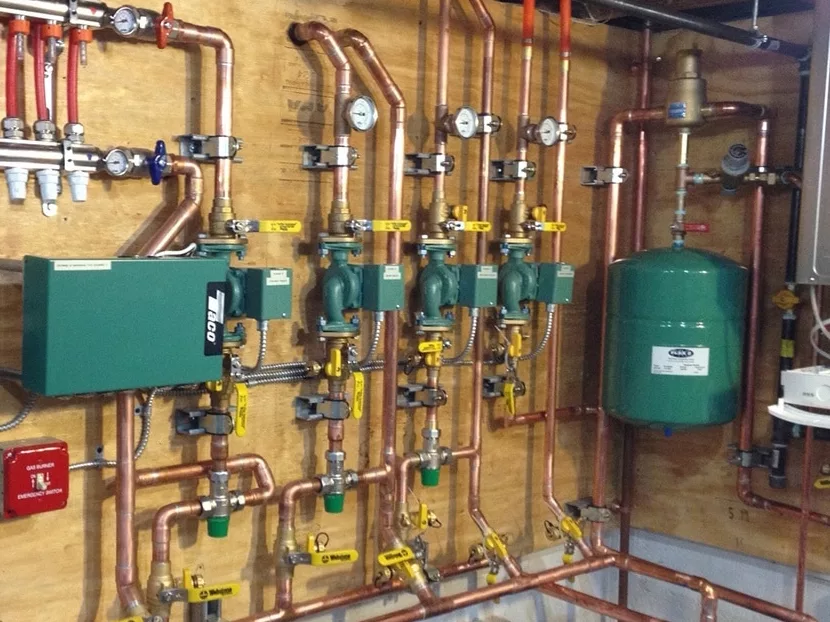
Have you ever noticed strange noises coming from your radiators or uneven heating in your home? This could be a sign that there’s air trapped in your hot water heating system.
Removing this air is crucial to keep your system running smoothly and efficiently. You’ll learn simple and effective steps to get rid of that unwanted air, save energy, and enjoy consistent warmth throughout your space. Keep reading—you’ll be surprised how easy it is to fix this common problem yourself!

Credit: www.wikihow.com
Signs Of Air In Heating System
Air trapped in a hot water heating system can cause problems. It stops the water from flowing properly inside the pipes and radiators.
Knowing the signs of air in the system helps you fix the problem quickly. It keeps your home warm and comfortable.
Noisy Radiators
When air is in the heating system, radiators may make strange noises. You might hear banging, gurgling, or hissing sounds.
These noises happen because air blocks the normal flow of hot water. The water and air move around, causing the sounds.
Uneven Heat Distribution
Air in the system stops some radiators from heating well. Some rooms may feel warm while others stay cold.
This uneven heat means the hot water is not reaching all parts of your home. Air bubbles block the flow inside the pipes.
Cold Spots On Radiators
Cold spots on radiators show where air is trapped inside. These spots stay cool even when the rest of the radiator is hot.
The air stops the hot water from touching parts of the radiator. This reduces the heat output and makes the room colder.
Tools Needed For Bleeding
Air trapped in a hot water heating system causes noises and uneven heating. Removing this air is called bleeding the system. You need a few simple tools to do this safely and easily.
These tools help you open the radiator valves and catch any water that may leak out. Make sure you have everything ready before you start.
Radiator Key
A radiator key is a small tool used to open the bleed valve on your radiator. It fits perfectly into the valve to turn it without damaging it.
If you do not have a radiator key, some flathead screwdrivers can work, but a key is safer and easier to use. You can buy one at hardware stores.
Cloth Or Towel
A cloth or towel is needed to protect your hands from hot water. It also helps to clean up any spills during bleeding.
Wrap the cloth around the bleed valve before opening it. This stops water from splashing and prevents burns.
Container For Water
When you open the bleed valve, some water will come out with the air. Use a container to catch this water and avoid mess.
A small bowl or cup works well. Make sure it is clean and large enough to hold the water until the air stops escaping.
Preparing The System
Removing air from a hot water heating system helps it work better. Air in the system causes noise and reduces heat.
Preparing the system is important for safe and effective air removal. Follow simple steps to get ready.
Turn Off The Boiler
First, switch off the boiler to stop heating the water. This prevents accidents and protects the equipment.
Turning off the boiler also stops the water from circulating. This makes it easier to remove air from the radiators.
Allow System To Cool
Let the heating system cool down before you start bleeding the radiators. Hot water can cause burns.
Wait at least 30 minutes to let the water cool. This makes the process safer and easier.
Locate Radiators To Bleed
Find all the radiators in your home that need bleeding. Air usually collects at the highest points.
- Start with radiators farthest from the boiler
- Check both upstairs and downstairs radiators
- Look for radiators that feel cold at the top
Credit: www.sunheating.com
Bleeding Radiators Step-by-step
Air trapped in hot water heating systems can cause cold spots in radiators. Removing this air helps the system heat evenly.
Bleeding radiators is a simple process that releases trapped air. This guide shows how to do it safely and effectively.
Insert Radiator Key
Find the bleed valve on the radiator. It is usually at the top corner.
Take your radiator key and fit it onto the valve. Make sure it is secure before turning.
Turn Key To Release Air
Slowly turn the key anti-clockwise. You will hear a hissing sound as air escapes.
Keep turning until water starts to drip out. This means the air is gone.
Close Valve After Water Appears
Turn the key clockwise to close the valve. Make sure it is tight to stop leaks.
Check the radiator for any water drops outside the valve. Wipe them to avoid damage.
Checking And Refilling Water Pressure
Air in hot water heating systems can cause uneven heating and noise. Checking and refilling water pressure helps keep the system running smoothly.
Low water pressure can let air enter the system. Follow these steps to check and fix the pressure properly.
Locate Pressure Gauge
Find the pressure gauge on your boiler or heating unit. It usually looks like a small round dial with numbers.
The gauge shows the current water pressure. Most systems need pressure between 1 and 2 bars for proper operation.
Adjust Water Pressure
If the pressure is too low, you need to add water to the system using the filling loop valve.
- Turn off the boiler and let it cool.
- Open the filling loop valve slowly.
- Watch the pressure gauge as water enters.
- Close the valve when pressure reaches 1.5 bars.
- Check for leaks around valves and pipes.
Recheck System After Bleeding
After bleeding air from radiators, check the pressure again. Air removal can lower water pressure.
| Pressure Reading | Action Needed |
| Below 1 bar | Refill water using filling loop |
| 1 to 2 bars | Pressure is normal, no action |
| Above 2 bars | Release some pressure from system |
Preventing Future Air Build-up
Air in a hot water heating system can cause noise and reduce heating efficiency. It is important to take steps to stop air from building up again.
Regular care and the right tools help keep your system running smoothly and quietly.
Regular System Maintenance
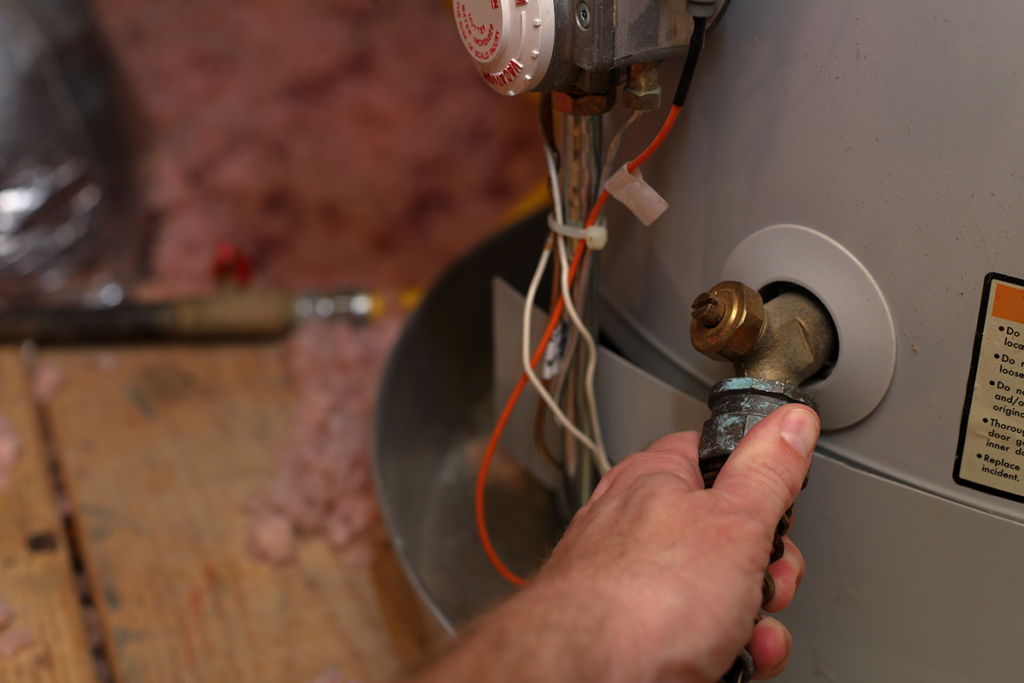
Check your heating system often to catch problems early. Flush the system yearly to remove trapped air and debris. Keep water pressure at the recommended level to avoid air entering the pipes.
- Flush the system annually to clear air and sludge.
- Check and adjust water pressure regularly.
- Bleed radiators to release trapped air.
- Inspect and replace worn parts promptly.
Use Automatic Air Vents
Automatic air vents remove air without manual effort. These vents open to release air and close to keep water in. Installing them in key points helps prevent air build-up.
| Location | Purpose | Benefit |
|---|---|---|
| Boiler top | Release air near heat source | Improves boiler efficiency |
| Radiators | Remove trapped air in radiators | Ensures even heating |
| Piping high points | Let air escape from pipe bends | Prevents noise and corrosion |
Inspect For Leaks
Leaks let air enter the heating system. Check all joints, valves, and pipes for drips or moisture. Fix leaks quickly to keep the system sealed and air-free.
- Look for wet spots around pipes and fittings.
- Listen for hissing sounds that signal escaping air.
- Replace damaged seals or worn parts.
- Test system pressure after repairs.
Credit: www.formicaplumbing.com
Frequently Asked Questions
How Do I Know If My Heating System Needs Air Removal?
If your heating system makes gurgling noises or doesn’t heat efficiently, it might have air trapped. Reduced efficiency and uneven heating can also indicate air presence. Regular maintenance checks can help identify these issues early. Removing air ensures optimal system performance and extends its lifespan.
What Tools Do I Need To Remove Air?
To remove air from your hot water heating system, you’ll need a radiator key or a screwdriver. Additionally, a small container to catch any water drips is useful. These simple tools help in effectively bleeding the radiators and ensuring efficient system operation.
How Often Should I Bleed My Heating System?
Bleeding your heating system once or twice a year is generally recommended. It’s best to do this before the heating season begins and when you notice inefficiencies. Regular bleeding ensures the system operates efficiently and reduces the risk of system malfunctions.
Can I Remove Air From The System Myself?
Yes, you can remove air from your heating system yourself. It’s a straightforward process with the right tools. Always ensure the system is off and cooled down before you start. Follow step-by-step guides for safety and efficiency during the process.
Conclusion
Removing air from your hot water heating system keeps it running smoothly. Air pockets cause noise and reduce heat efficiency. Bleeding the radiators and checking the system regularly helps avoid problems. Small steps can save you from costly repairs later.
Stay patient and follow the instructions carefully. Clean, quiet heat feels better in your home. Keep your system maintained for warmth and comfort all winter long. Easy to do, worth the effort.