Have you ever noticed water pooling around your air conditioner and wondered, “Why does my air conditioner have water in it?” This isn’t just a random drip—water inside your AC could be a sign of a bigger issue. Ignoring it might lead to costly repairs or even damage your home.
But don’t worry—you’re about to learn exactly why this happens and what you can do to fix it quickly. Keep reading to protect your AC and stay cool without any surprises.

Credit: northnjhvac.com
Common Causes Of Water In Air Conditioner
Water in your air conditioner can cause damage and reduce efficiency. It is important to know why water appears inside your AC unit.
Several common problems cause water to build up. Knowing these helps you fix the issue or get professional help.
Clogged Drain Line
The drain line removes water from the air conditioner. Dirt and debris can block this line and stop water flow.
When the drain line is clogged, water backs up and leaks inside the unit or your home.
- Dirt and dust build up inside the drain line
- Mold or algae growth can block water flow
- Leaves or small debris can clog the drain
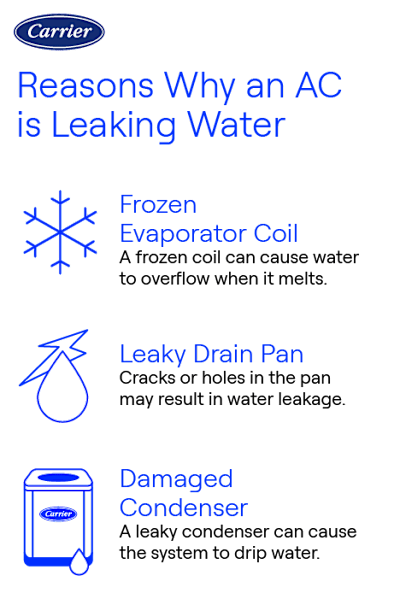
Frozen Evaporator Coil
The evaporator coil cools the air and removes moisture. If it freezes, water can drip when it melts.
Freezing happens when airflow is poor or refrigerant is low. Melted ice causes water to pool inside the unit.
- Dirty air filters reduce airflow
- Low refrigerant makes coils too cold
- Blocked vents limit air circulation
Damaged Or Rusted Drain Pan
The drain pan catches water from the evaporator coil. If it is damaged or rusted, water can leak out.
Over time, the pan can crack or rust. This lets water drip where it should not, causing problems.
- Rust weakens the metal pan
- Cracks or holes form in the pan
- Water spills outside the drain pan area
Low Refrigerant Levels
Refrigerant cools the air inside the AC. Low refrigerant makes the evaporator coil too cold and freeze.
Frozen coils melt water inside the unit. This water can leak if the drain system is not working well.
- Leaks cause refrigerant to drop
- Low refrigerant lowers cooling ability
- Frozen coils increase water buildup
Improper Installation
If the air conditioner is not installed right, water can collect inside. Poor setup affects drainage and airflow.
Wrong slope or poor sealing causes water to stay inside the unit. This leads to leaks and damage over time.
- Drain lines not angled correctly
- Loose or missing seals around the unit
- Improper airflow causing coil freezing

Credit: fischerheating.com
Signs Of Water Issues In Air Conditioners
Water inside or around your air conditioner is not normal. It means there is a problem that needs attention. Knowing the signs helps you fix the issue early.
Check your air conditioner for water leaks, strange sounds, weak cooling, or bad smells. These signs show water issues that can damage your unit.
Water Leakage Around Unit
If you see water pooling or dripping near your air conditioner, it means the unit is leaking. This can happen from a clogged drain line or a broken pan.
Water leaks can damage floors and walls. Check the area around the unit often to catch leaks early.
- Wet spots around the indoor or outdoor unit
- Water dripping from vents or pipes
- Pooling water on the floor near the AC
Unusual Noises
Water inside the air conditioner can cause strange noises. You might hear gurgling or hissing sounds when the unit runs.
These noises often mean water is trapped where it should not be. This can harm the parts inside your AC.
- Gurgling sounds like water moving inside
- Hissing noises from blocked drain lines
- Dripping sounds from leaks
Reduced Cooling Efficiency
Water problems can make your air conditioner cool less. When water blocks parts, the AC works harder and cools poorly.
You might notice the room stays warm or the unit runs longer than usual.
- Room temperature stays higher than set
- AC runs longer but cools less
- Increased energy bills from overworking unit
Musty Odors
Water inside the AC can cause mold or mildew growth. This creates a musty or damp smell from the vents.
Bad odors mean water is not draining well and mold is growing inside the unit or ducts.
- Smell like wet socks or damp basement
- Foul odors coming from air vents
- Smell worsens when AC runs
Step-by-step Fixes For Water Problems
If your air conditioner has water inside or around it, you need to fix it fast. Water can damage parts and reduce cooling.
This guide shows simple steps to solve common water problems in air conditioners. Follow each to keep your AC dry and working well.
Clearing The Drain Line
The drain line can get clogged with dirt or algae. This stops water from draining out, causing leaks.
Use a wet-dry vacuum to suck out blockages. You can also flush the line with a mix of water and vinegar.
- Turn off the AC power
- Locate the drain line outside
- Attach the vacuum to the drain opening
- Run the vacuum for a few minutes
- Flush with vinegar and water to clear algae
Thawing The Frozen Coil
A frozen coil can cause water to drip inside your AC. Ice builds up when air flow is low or refrigerant is low.
Turn off the AC and let the ice melt. You can speed this up by placing a fan near the unit.
- Switch off the AC unit
- Allow ice to melt naturally
- Use a fan to warm the coil gently
- Check air filters and clean them
- Restart the AC after thawing
Replacing The Drain Pan
The drain pan collects water that drips from the coil. If it cracks or rusts, water leaks out.
Inspect the pan for damage. Replace it if you see cracks or holes to stop water from spilling.
- Turn off the AC power
- Locate the drain pan under the coil
- Remove the damaged pan carefully
- Install a new drain pan of correct size
- Check for leaks after installation
Checking Refrigerant Levels
Low refrigerant causes coils to freeze and water to build up. This lowers cooling and causes leaks.
Have a professional check refrigerant levels. They can add more safely if needed.
- Watch for weak cooling
- Check for ice on coils
- Call a certified HVAC technician
- Have refrigerant levels tested and adjusted
- Prevent leaks by fixing refrigerant issues
Ensuring Proper Installation
Water problems happen if the AC is not installed right. Drain lines must slope downward for water flow.
Check that the unit is level and drain lines are angled. Fix any installation mistakes to avoid water leaks.
- Confirm the AC is level
- Ensure drain line slopes downwards
- Check for secure and sealed connections
- Fix any loose or tilted parts
- Test water flow after adjustments
Credit: honorservices.com
Preventive Measures To Avoid Water Buildup
Water buildup in your air conditioner can cause damage and reduce its efficiency. Taking steps to prevent this issue helps your unit work well and last longer.
Simple care and checks can stop water from collecting inside the system. Use these tips to keep your air conditioner dry and running smoothly.
Regular Maintenance Schedule
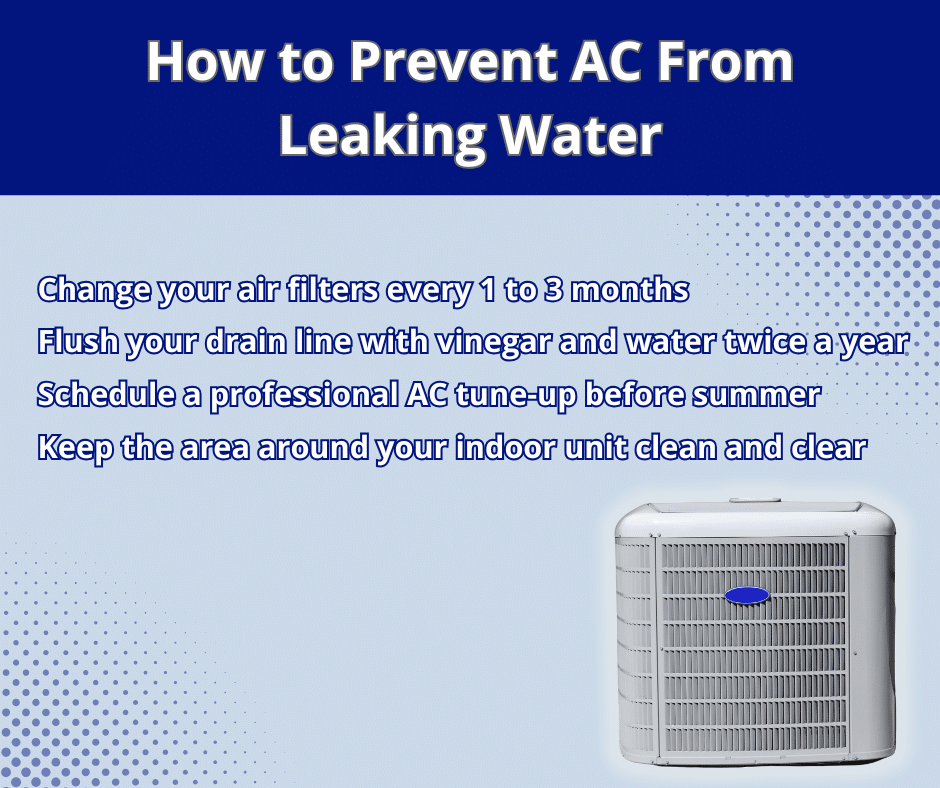
Set a regular time to check your air conditioner. This keeps small problems from growing bigger. Look at the parts that handle water flow.
Follow the manufacturer’s guide for how often to clean and check your AC. This helps avoid water leaks and buildup inside the unit.
Cleaning Air Filters
Dirty air filters block airflow. This causes the AC to freeze and drip water. Clean filters help the system run well and stop water problems.
Check your filters every month. Wash or replace them if they look dirty. Clean filters improve air quality and prevent water buildup.
Inspecting Drainage System
Water leaves the AC through a drainage pipe. If this pipe is blocked, water will build up inside. Check the pipe often to keep it clear.
Look for dirt, mold, or clogs in the drain line. Clear any blockages to let water flow outside freely. This stops leaks and water damage.
- Locate the drain pipe
- Use a wet-dry vacuum to clear clogs
- Flush the drain line with a mix of water and vinegar
- Ensure the drain pan is not cracked or damaged
Professional Inspections
Hire an expert to inspect your air conditioner once a year. They can spot hidden issues that cause water buildup. Professionals have tools to fix problems safely.
Regular inspections keep your AC in good shape. This service helps avoid costly repairs and keeps your home comfortable and dry.
Frequently Asked Questions
Why Is There Water In My Air Conditioner?
Water in an air conditioner is often due to condensation. As warm air passes over the cooling coils, moisture condenses. This process is normal. However, excess water may indicate a drainage issue or clogged condensate line. Regular maintenance helps prevent water buildup and ensures efficient operation of your AC unit.
Is Water Leakage From Ac Normal?
A small amount of water leakage is normal, especially in humid conditions. However, significant leakage might indicate problems. Check for clogged drain lines or a damaged drain pan. Ensure your unit is properly installed and leveled. Regularly inspect and maintain your AC to avoid serious water leakage issues.
How Do I Fix Ac Water Leakage?
To fix AC water leakage, first check the condensate drain line. Clear any clogs using a wet/dry vacuum. Inspect the drain pan for cracks and repair if needed. Ensure the AC is properly leveled. Regular maintenance can prevent future leaks and ensure efficient functioning.
Can Clogged Filters Cause Ac Water Issues?
Yes, clogged filters can cause water issues in your AC. Dirty filters restrict airflow, causing coils to freeze. When they thaw, excess water can overflow the drain pan. Regularly clean or replace filters to maintain proper airflow and prevent water-related problems in your air conditioning system.
Conclusion
Water inside your air conditioner signals a problem needing quick action. Clogged drains or frozen coils often cause this issue. Regular cleaning and proper maintenance help prevent water buildup. Ignoring the problem can lead to damage and higher repair costs.
Stay alert to unusual leaks or moisture around your unit. Fixing small issues early keeps your air conditioner running smoothly. Protect your home and enjoy cool, dry air all summer long. Simple care makes a big difference in your system’s health.