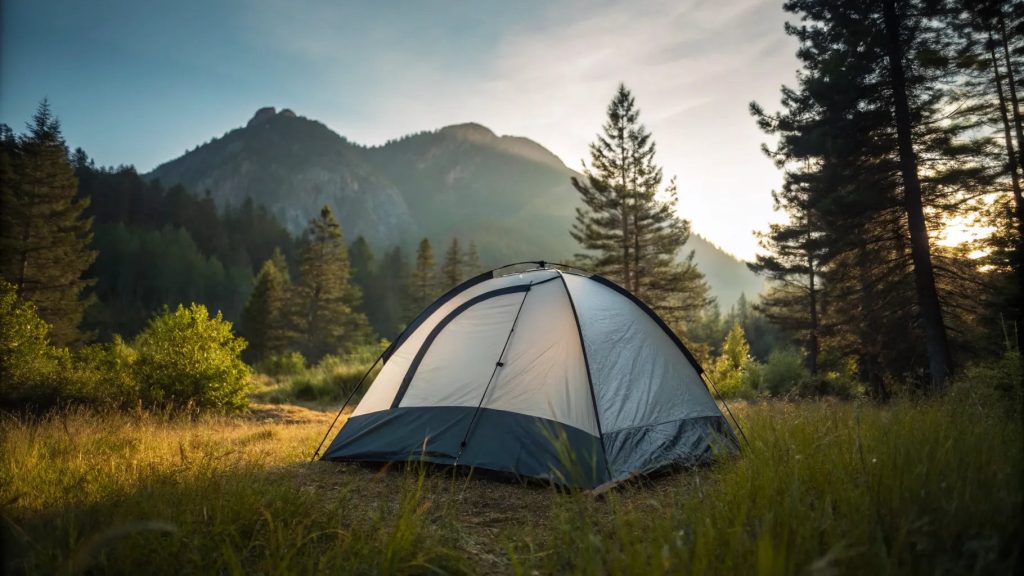
Imagine waking up in your tent to find everything inside soaked and uncomfortable. You packed all your gear carefully, but a sudden rainstorm caught you off guard.
If you want to avoid this nightmare, learning how to waterproof your tent is essential. You’ll discover simple, effective steps that protect your shelter from rain and moisture. By following these tips, you’ll stay dry and enjoy your outdoor adventures with peace of mind.
Keep reading to find out how to make your tent weather-ready, no matter where you go.
Choosing Waterproof Tents
Picking a tent that keeps you dry is key for camping in wet weather. Not all tents block water well.
Look for tents made with materials and features designed to resist rain and moisture.
Materials That Resist Water
Tents use special fabrics to keep water out. Common waterproof materials include polyester and nylon with coatings.
- Polyester: Strong and resists water well.
- Nylon: Lightweight and can be coated for water resistance.
- Polyurethane Coating: Adds water protection to fabric.
- Silicone Coating: Makes fabric very water-resistant and durable.
Seam Sealing Techniques
Water can enter through tent seams if not sealed. Seam sealing blocks these entry points.
Manufacturers seal seams using tape or liquid sealants to stop leaks in rainy weather.
- Tape Sealing: Sticky tape covers the inside seams to block water.
- Liquid Sealants: Paint-like liquids that soak into seams for water resistance.
- DIY Seam Sealing: You can apply sealant yourself to older tents.
Waterproof Ratings Explained
Tent fabrics have waterproof ratings shown in millimeters (mm). Higher numbers mean better protection.
| Rating (mm) | Water Resistance Level |
| 1000 – 1500 | Light rain protection |
| 1500 – 3000 | Moderate rain protection |
| 3000 – 5000 | Heavy rain protection |
| 5000+ | Very heavy rain and storms |

Credit: www.popularmechanics.com
Preparing Your Tent For Waterproofing
Waterproofing your tent keeps you dry during wet weather. Proper preparation makes the waterproofing last longer and work better.
Start by getting your tent ready. Clean it well, check for any damage, and remove old sealants before applying new ones.
Cleaning The Fabric
Cleaning your tent fabric removes dirt and oils that block waterproof sprays. Use a soft brush or sponge with mild soap and water.
- Set up the tent or lay it flat outside
- Mix warm water with a small amount of soap
- Gently scrub the fabric using a sponge or soft brush
- Rinse thoroughly with clean water
- Let the tent dry completely before moving on
Checking For Damages
Look closely at your tent for holes, tears, or worn spots. These can cause leaks even after waterproofing.
- Check seams for loose stitches or gaps
- Inspect fabric for small holes or tears
- Look over zippers and flaps for damage
- Mark any problem areas for repair
Removing Old Sealants
Old sealants can stop new waterproof coatings from sticking. Remove them carefully before applying fresh waterproofing.
| Method | How to Do It |
|---|---|
| Use a Brush | Scrub old sealant gently with a stiff brush and warm water. |
| Apply Sealant Remover | Use a tent-safe remover following product instructions. |
| Rinse Well | Wash the fabric thoroughly to remove all residue. |
| Dry Completely | Air dry the tent fully before waterproofing. |
Applying Waterproof Treatments
Waterproofing your tent helps keep you dry in wet weather. Applying the right treatment protects the fabric from rain and moisture.
Using waterproof sprays and coatings is an easy way to make your tent water-resistant. This guide explains how to choose and apply them.
Types Of Waterproof Sprays
Waterproof sprays come in different types. Each type offers unique protection for your tent fabric.
- Silicone-based sprays add a strong water barrier.
- DWR (Durable Water Repellent) sprays help water bead off.
- Fluoropolymer sprays provide long-lasting resistance.
- Wax-based sprays add a natural water shield but may affect breathability.
Using Silicone And Dwr Coatings
Silicone coatings create a flexible, waterproof layer on your tent fabric. They work well on nylon and polyester tents.
DWR coatings make water form droplets that roll off the surface. They keep your tent dry without changing its feel.
- Use silicone for strong, durable waterproofing.
- Choose DWR for lightweight, breathable protection.
- Both coatings need reapplication over time.
Proper Application Methods
Apply waterproof treatments on a clean, dry tent. This ensures the coating sticks well to the fabric.
Spray evenly from about 6 to 8 inches away. Cover all surfaces, including seams and corners.
- Set up your tent outside or in a well-ventilated area.
- Clean the tent fabric before applying any treatment.
- Spray in light, even coats to avoid buildup.
- Let each coat dry completely before adding another.
- Test waterproofing by sprinkling water on the tent.
Sealing Tent Seams
Sealing tent seams helps keep water out during rain. This process protects the inside and keeps you dry.
Proper seam sealing extends the life of your tent and improves comfort when camping outdoors.
Choosing Seam Sealers
Pick a sealer that fits your tent fabric type. Most tents need silicone or polyurethane-based sealers.
Check the product label for compatibility with nylon, polyester, or canvas tents. Some sealers are made for specific materials.
- Silicone sealers work well on silicone-coated fabrics
- Polyurethane sealers suit polyurethane-coated tents
- Choose waterproof and flexible sealers for durability
- Avoid sealers that may damage your tent fabric
Step-by-step Seam Sealing
Start by cleaning the seams with a soft brush and mild soap. Let the fabric dry completely before sealing.
Apply the seam sealer inside the tent along each seam. Use a small brush or applicator for even coverage.
- Clean seams and dry tent
- Open the tent fully and locate all seams
- Apply sealer evenly on stitching and fabric edges
- Press seams flat to help sealant soak in
- Wipe off extra sealer to avoid sticky surfaces
Drying And Curing Times
Let your tent dry in a well-ventilated place. Drying times vary by sealer type and weather conditions.
Most sealers need at least 24 hours to cure fully. Avoid packing the tent before the sealant dries to keep seams sealed well.
- Dry indoors or in shade, not direct sunlight
- Avoid humid or rainy days for sealing
- Check manufacturer instructions for specific cure times
- Reapply sealer yearly or after heavy use
Waterproofing Tent Accessories
Keeping your tent dry is more than just the tent fabric. Accessories also need waterproofing. They help protect you from rain and moisture.
Waterproofing tent accessories extends their life and keeps your camping comfortable. Focus on rainfly, groundsheet, and zippers to prevent leaks.
Rainfly Protection
The rainfly is your first shield against rain. Check it for holes or tears before camping. Use a waterproof spray to add a strong barrier.
Make sure to apply the spray evenly on both sides. Let it dry fully before use. This helps keep water from soaking through the fabric.
- Clean rainfly with mild soap and water first
- Apply waterproof spray in a well-ventilated area
- Dry rainfly flat to avoid creases
- Reapply spray every camping season
Groundsheet Waterproofing
The groundsheet stops moisture from the ground entering your tent. Use a waterproof groundsheet or tarp under your tent floor. This adds an extra layer of protection.
Check the groundsheet for holes or cracks. Patch any damage with waterproof tape. Make sure it is large enough to cover the tent base fully.
- Choose a groundsheet made of strong, waterproof material
- Keep the groundsheet clean and dry before packing
- Inspect for damage after every trip
- Store the groundsheet separately to prevent mold
Zipper Care And Maintenance
Zippers let water inside if they do not close well. Keep zippers clean and dry to stop rust and dirt buildup. This helps them work smoothly.
Use zipper lubricant to keep them sliding easily. Avoid forcing stuck zippers to prevent damage. Regular care extends their waterproof function.
- Brush off dirt and sand after use
- Apply zipper lubricant or wax regularly
- Open and close zippers gently
- Store tent dry to avoid zipper rust

Credit: www.reddit.com
Tips For Setting Up A Dry Campsite
Keeping your tent dry is key for a good camping trip. Wet gear and floors make camping uncomfortable. Using smart techniques helps you stay dry and enjoy nature.
This guide covers how to pick the best spot, use tarps, and handle water flow around your tent.
Selecting The Right Location
Look for a flat, high spot to pitch your tent. Avoid low areas where water can collect. Check the ground for rocks and roots that might damage your tent floor.
- Choose ground with good drainage
- Avoid spots near rivers or lakes
- Find natural windbreaks like trees or bushes
- Stay away from dry riverbeds and hollows
Using Tarps For Extra Protection
Tarps add a layer between your tent and the ground. They keep moisture out and protect the tent floor from damage. Use a tarp that is slightly smaller than your tent base to avoid water pooling under the tent.
| Tip | Reason |
| Use waterproof tarp | Stops ground moisture |
| Keep tarp edges inside tent footprint | Prevents rainwater from collecting |
| Tie tarp above tent | Creates extra rain shield |
Managing Water Runoff
Water can flow downhill and pool near your tent. Dig small trenches around your site to divert water. Clear leaves and debris that might block water paths. Use natural slopes to guide water away.
- Dig shallow drainage ditches around the tent
- Clear channels for water to flow freely
- Place rocks or logs to redirect water paths
- Check for water flow after rain starts
Maintaining Waterproof Integrity
Keeping your tent waterproof is key to staying dry outdoors. Regular care helps protect the fabric and seams from water damage.
Follow simple steps to check and restore your tent’s waterproof layer. Proper storage also keeps it safe between trips.
Regular Inspections
Look over your tent before and after each trip. Check for holes, tears, and worn spots in the fabric. Don’t forget to inspect seams and zippers.
- Feel for soft or thin areas in the fabric
- Look for broken or loose stitches on seams
- Test zippers to ensure they close tightly
- Examine the rainfly for cracks or peeling
Reapplying Treatments
Over time, waterproof coatings wear off. Use a water repellent spray or wash-in treatment to restore protection. Choose products made for your tent’s material.
| Type of Treatment | When to Apply | Application Method |
| Spray-On Repellent | Every 3-6 months | Spray on clean, dry fabric |
| Wash-In Repellent | Once a year | Follow product instructions in washing machine |
| Seam Sealer | After repairs or yearly | Apply with brush on seams |
Storage Best Practices
Store your tent dry and loose. Avoid tight packs or damp places that cause mold and damage. Proper storage keeps waterproofing strong.
- Clean and dry the tent completely before storing
- Fold or roll tent loosely to avoid creases
- Keep it in a cool, dry area away from sunlight
- Use a breathable storage bag, not plastic
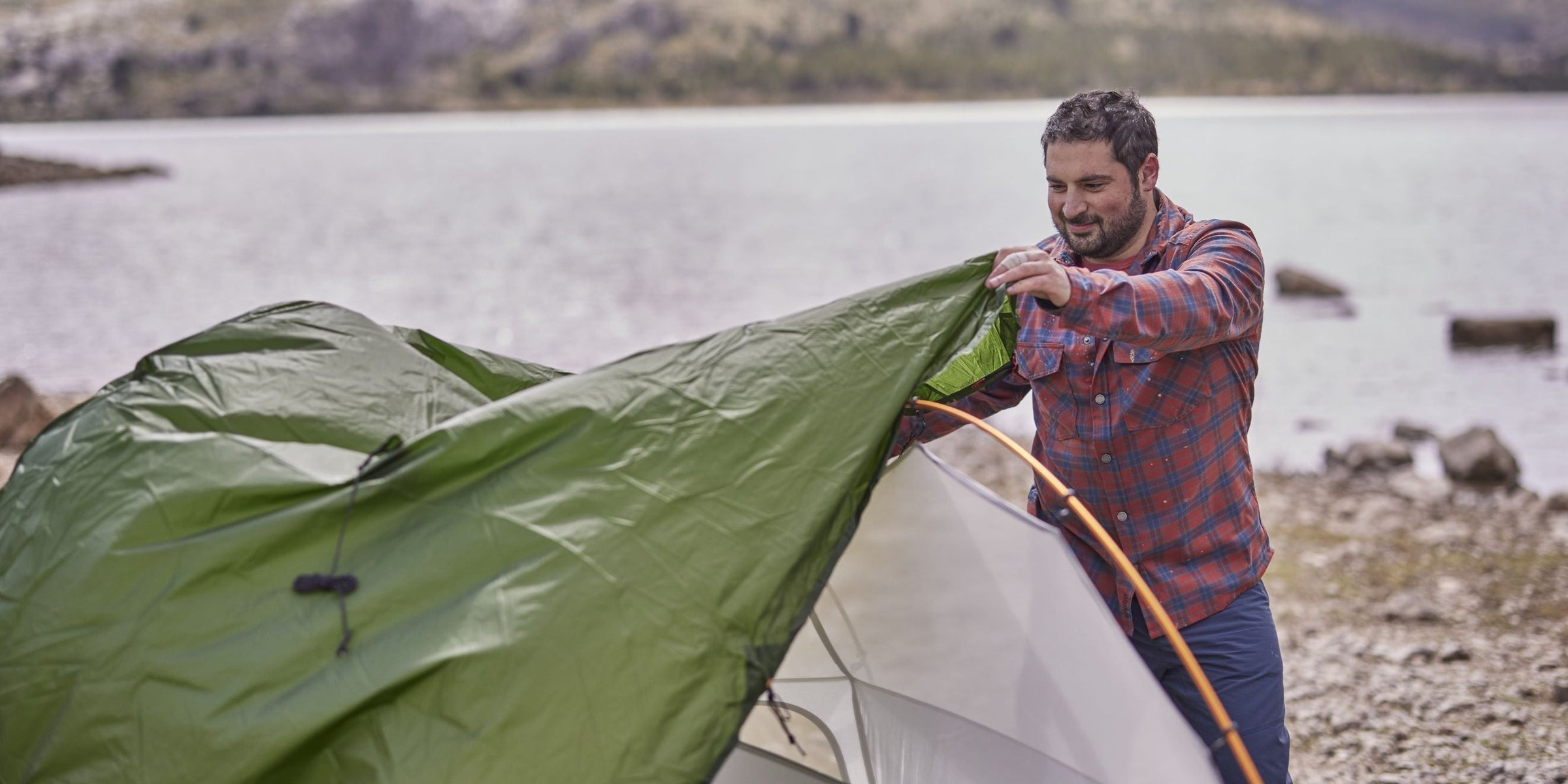
Credit: alpkit.com
Frequently Asked Questions
How Can I Tell If My Tent Needs Waterproofing?
To check if your tent needs waterproofing, look for signs of wear like leaks or damp spots after rain. Additionally, if the fabric feels less water-resistant or the seams appear frayed, it’s time to reapply waterproofing treatments to ensure protection against the elements.
What Materials Do I Need For Waterproofing?
To waterproof your tent, you’ll need a waterproofing spray, seam sealer, and a clean cloth. Ensure the tent is clean and dry before starting. These tools help in restoring the water-resistant capabilities of your tent, making it ready for various weather conditions.
How Often Should I Waterproof My Tent?
Waterproof your tent once a year or after heavy use. If you camp frequently in wet conditions, inspect it more often. Regular maintenance ensures the tent fabric and seams remain effective against moisture, enhancing the tent’s longevity and performance.
Can I Waterproof A Tent In Any Weather?
It’s best to waterproof your tent in dry, warm weather. This ensures the product dries properly and adheres well to the fabric. Avoid rainy or humid days for the best results, as moisture can interfere with the effectiveness of the waterproofing treatment.
Conclusion
Waterproofing your tent keeps you dry and comfortable outdoors. Use waterproof sprays or sealant tape on seams. Check your tent regularly for wear or damage. Proper care extends your tent’s life and performance. Dry your tent fully before packing it away.
A well-protected tent makes camping safer and more fun. Simple steps make a big difference in bad weather. Stay prepared and enjoy your outdoor adventures confidently.