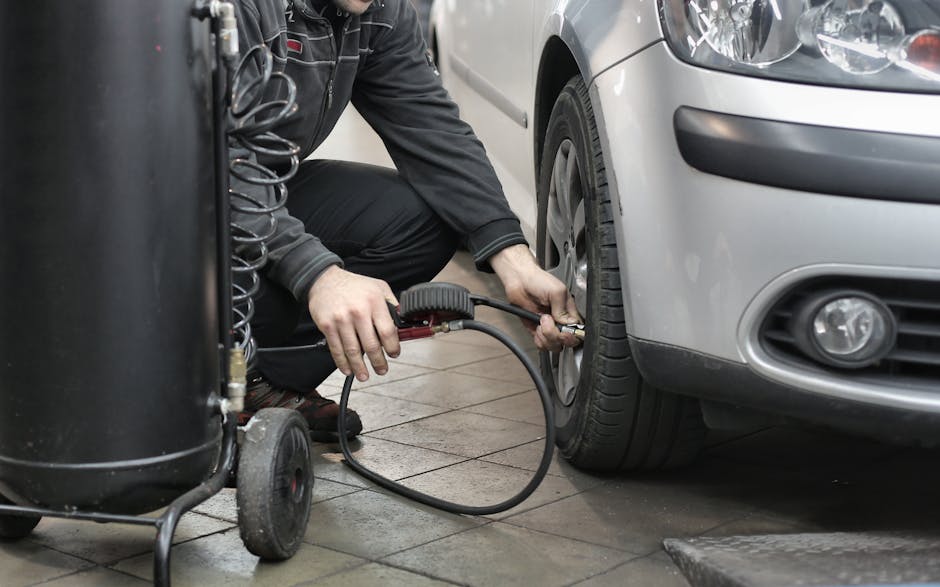
Have you ever looked down at your dashboard and suddenly seen the message, “Service Tire Monitor System”? It can be confusing and a little worrying.
Your car is trying to tell you something important about your tires, but what exactly? Understanding this warning is key to keeping your drive safe and smooth. You’ll discover why this message appears, what it means for your car, and the simple steps you can take to fix it.
Keep reading to stay in control and avoid unexpected problems on the road.
Tire Pressure Monitoring Basics
Your car’s tire pressure monitoring system (TPMS) helps keep your tires safe. It alerts you if the pressure is too low or too high. This system helps prevent tire damage and accidents.
Understanding how this system works can help you respond quickly to warnings. It also helps you maintain good tire health and better fuel efficiency.
How The System Works
The TPMS uses sensors to check the air pressure in each tire. These sensors send information to your car’s computer. If the pressure falls outside the safe range, the system triggers a warning light.
- Sensors inside each tire measure pressure constantly.
- Data is sent wirelessly to the car’s dashboard.
- The system compares pressure to set limits.
- If pressure is low or high, the warning light turns on.
Common Warning Indicators
The TPMS warning light is the most common sign your tires need attention. Other alerts may tell you which tire has low pressure. It is important to check your tires as soon as you see these warnings.
| Warning Indicator | Meaning |
| TPMS Light On | One or more tires have low pressure |
| Flashing TPMS Light | System malfunction or sensor problem |
| Specific Tire Alert | Shows which tire needs air |

Credit: www.stevejenkins.com
Causes For Service Tire Monitor Alert
Your car’s tire pressure monitor system alerts you to problems. This warning helps keep you safe on the road. It shows when the system detects issues with your tires or sensors.
Several reasons can cause the “Service Tire Monitor System” message. Knowing these helps you fix the problem quickly.
Low Tire Pressure
Low tire pressure is a common cause of the alert. Tires lose air over time or after hitting rough roads. Driving with low pressure can be unsafe and damage tires.
- Check tire pressure regularly with a gauge.
- Inflate tires to the recommended pressure in your car manual.
- Look for punctures or leaks that cause air loss.
- Remember to check the spare tire too.
Faulty Sensors
Tire pressure sensors can fail or get damaged. Dirt, water, or impact can harm the sensor. When sensors do not send correct data, the system shows an alert.
Replacing or repairing faulty sensors fixes this problem. A mechanic can test sensor signals using special tools.
Battery Issues
Each tire sensor has a small battery. If the battery is weak or dead, the sensor stops working. This can cause the alert message to appear.
| Battery Condition | Effect on Sensor |
| Good | Sensor works properly |
| Low Power | Intermittent signal, alert may show |
| Dead | No signal, system shows error |
Tire Changes And Rotations
Changing or rotating tires can cause the system to read sensors incorrectly. New tires or moved sensors may not sync with the monitor system.
To avoid alerts, follow these tips:
- Reset the tire pressure monitoring system after tire changes.
- Make sure sensors are installed correctly on new tires.
- Use a scan tool or visit a mechanic to reprogram sensors if needed.
Quick Fix Steps
If your car says “Service Tire Monitor System,” it means the tire pressure sensors have a problem. This alert can happen for many reasons.
Try these quick steps to fix the issue before visiting a mechanic. These steps are easy and may solve the problem fast.
Check And Adjust Tire Pressure
Low tire pressure is the most common cause of the tire monitor warning. Check the pressure in all tires, including the spare.
Use a tire pressure gauge and compare the reading with the recommended pressure in your car’s manual or on the driver’s door sticker.
- Remove the valve cap from each tire
- Press the gauge onto the valve stem
- Read the pressure and add air if needed
- Replace the valve caps securely
Resetting The System
After fixing tire pressure, the system may need a reset. Some cars reset automatically after driving a few miles.
If your car has a reset button, press and hold it until the light blinks or turns off. Check your owner’s manual for reset instructions.
- Turn on the ignition without starting the engine
- Press and hold the reset button for 3-5 seconds
- Wait for the tire monitor light to blink or turn off
- Drive the car to let the system recalibrate
Replacing Sensor Batteries
Some tire sensors have small batteries that can die over time. Dead batteries cause the system to show a warning.
Replacing sensor batteries usually needs special tools and sensors removal. Check if your sensors use batteries and their type.
- Contact a tire shop for battery replacement
- Use original parts to avoid sensor damage
- Replace batteries every few years as needed
When To Visit A Mechanic
If the warning stays on after checking tires and resetting, see a mechanic. The system may have a sensor or wiring problem.
A mechanic can scan the system for error codes and repair or replace faulty sensors. Do not ignore the warning for safety.
- Warning light stays on after fixes
- Frequent or false tire pressure alerts
- Visible damage to tires or sensors
- Unusual tire wear or air loss
Credit: www.terrainforum.net
Preventive Tips
The tire monitor system helps keep your car safe by checking tire pressure. It alerts you if pressure is low or if there is a problem. Following preventive tips can stop this warning from appearing often.
Regular care of your tires and sensors keeps the system working well. Here are some key tips to prevent the “Service Tire Monitor System” message.
Regular Tire Maintenance
Check your tire pressure at least once a month. Use a good pressure gauge and fill tires to the recommended level. Also, look for damage like cuts or bulges. Rotate tires every 5,000 to 7,000 miles to wear them evenly.
- Check tire pressure monthly
- Fill tires to recommended PSI
- Inspect tires for damage
- Rotate tires regularly
- Replace worn-out tires promptly
Sensor Care And Replacement
Tire pressure sensors need care to work right. Avoid hitting curbs or potholes hard. Clean the sensors gently during tire changes. If a sensor battery dies, replace the sensor to keep the system active.
| Sensor Issue | Action |
| Low battery | Replace sensor |
| Physical damage | Inspect and repair or replace |
| Sensor dirt or debris | Clean carefully |
| Sensor reset needed | Consult vehicle manual |
Seasonal Tire Checks
Change tires with the seasons if needed. Winter tires help in cold and snow. Summer tires work best in warm weather. Check tire pressure more often during temperature changes. Cold air lowers tire pressure quickly.
- Switch between winter and summer tires
- Check pressure more in cold months
- Store off-season tires in a cool, dry place
- Inspect tires for cracks or stiffness after storage
Credit: www.cruzetalk.com
Frequently Asked Questions
What Is A Tire Monitor System?
A Tire Monitor System, or TPMS, alerts drivers of under-inflated tires. It uses sensors to monitor tire pressure. Keeping tires properly inflated improves safety and fuel efficiency. If the system detects an issue, it sends a warning to the dashboard.
Why Does My Car Say Service Tire Monitor?
Your car says service tire monitor when there’s a system issue. It might be due to a malfunctioning sensor or low battery. Ignoring it can lead to inaccurate tire pressure readings. It’s important to address this promptly to ensure safety.
How Do I Reset My Tire Monitor System?
To reset your tire monitor system, consult your vehicle’s manual. Typically, you need to drive at a set speed for a few minutes. Some vehicles have a reset button. If unsure, visit a professional mechanic for assistance.
Can I Drive With A Faulty Tire Monitor?
Driving with a faulty tire monitor system is not recommended. You may miss crucial alerts about tire pressure. This can lead to unsafe driving conditions. It’s best to fix the issue promptly for safety and performance.
Conclusion
The “Service Tire Monitor System” message means your car needs attention. It often shows when tire pressure is low or sensors have issues. Ignoring this warning can lead to unsafe driving conditions. Regularly check your tires and keep them properly inflated.
Visit a mechanic to fix sensor problems quickly. Staying alert helps keep you safe on the road. Simple care prevents bigger, costly repairs later. Don’t wait. Take action as soon as the message appears. Your car and your safety will thank you.