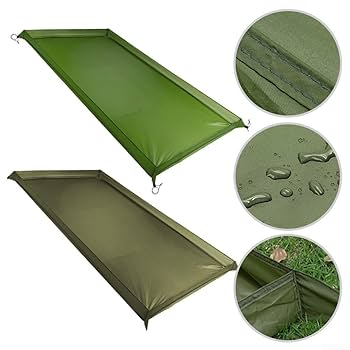
When you set up your tent, have you ever wondered what protects the bottom from sharp rocks, dirt, or moisture? That’s where a tent footprint comes in.
A footprint is a simple, often lightweight groundsheet that goes under your tent. It keeps your tent floor clean and dry, extending its life and making your camping experience more comfortable. If you want to get the most out of your gear and avoid nasty surprises on your next trip, understanding what a footprint is and why it matters can make all the difference.
Let’s dive into what a footprint does and how it can protect your tent—and your adventure.
Purpose Of A Tent Footprint
A tent footprint is a protective layer placed under a tent. It acts as a groundsheet to shield the tent floor.
This simple accessory helps keep the tent clean and dry during camping trips.
Shielding Tent Floor
The footprint protects the tent floor from rough ground, rocks, and sticks. It stops sharp objects from tearing the floor fabric.
It also helps keep moisture from seeping in. This keeps the inside of the tent dry and comfortable.
Enhancing Durability
A tent footprint adds an extra layer of material under the tent. This reduces wear and tear on the tent floor.
Using a footprint can extend the life of your tent by preventing damage from rough surfaces.
Improving Comfort
The footprint creates a smooth surface under the tent floor. This helps reduce bumps and lumps from rocks and roots.
It also adds a slight cushion, making it more comfortable to sleep inside the tent.
Materials Used For Footprints
A footprint is a groundsheet placed under a tent. It protects the tent floor from damage and dirt. Choosing the right material for a footprint is important for durability and weight.
Different materials offer various benefits like lightness, water resistance, and toughness. Here are common material types used for footprints.
Lightweight Fabrics
Lightweight fabrics keep your backpack light during trips. These fabrics often include nylon and polyester. They are easy to carry but may not last as long on rough surfaces.
- Ripstop nylon: Thin and resistant to tearing
- Polyester: Light and dries quickly
- Silnylon: Nylon coated with silicone for strength and water resistance
Water-resistant Options
Water-resistant materials stop moisture from reaching your tent floor. They keep your tent dry on wet ground. Many footprints use coatings to improve water resistance.
| Material | Water Resistance | Weight |
| Polyurethane-coated nylon | High | Light |
| Silicone-coated fabric | Very high | Medium |
| Polyethylene tarp | Moderate | Heavy |
Durable And Tear-resistant Choices
Durable footprints last through rough terrain and sharp rocks. These materials resist rips and holes. They are heavier but protect your tent well.
- Heavy-duty ripstop nylon
- Polyethylene tarps
- Canvas (less common due to weight)
Choosing The Right Footprint
A footprint is a ground cloth that goes under your tent. It protects the tent floor from dirt, moisture, and damage.
Choosing the right footprint can improve your camping experience by making your tent last longer and stay dry.
Matching Tent Size
Your footprint should match the size of your tent floor. A footprint that is too big can collect water. One that is too small will not protect the whole tent bottom.
- Measure your tent floor before buying a footprint.
- Look for footprints made for your tent model.
- If unsure, choose a footprint slightly smaller than the tent floor.
Considering Terrain Types
Think about the ground where you will camp. Different terrains need different footprints to protect your tent well.
| Terrain Type | Recommended Footprint Material | Benefits |
|---|---|---|
| Rocky | Durable nylon or polyester | Prevents tears from sharp rocks |
| Wet or muddy | Waterproof polyethylene | Keeps moisture out |
| Soft soil or sand | Lightweight nylon | Easy to clean and carry |
Balancing Weight And Protection
Backpackers often want a light footprint. But weight should not reduce protection. Find a good balance for your trip.
Consider these points:
- Light footprints are easy to carry but may wear out faster.
- Heavier footprints protect better but add weight.
- Choose a footprint material that fits your trip length and terrain.

Credit: www.coreequipment.com
Setting Up A Tent Footprint
A tent footprint is a protective layer placed under your tent. It helps keep the bottom clean and prevents damage from rocks and moisture.
Setting up a tent footprint correctly improves your camping experience. It adds extra comfort and extends your tent’s life.
Placement Tips
Place the footprint on flat and clear ground. Remove sticks, rocks, and sharp objects first. This prevents tears and holes in the footprint and tent floor.
Make sure the footprint matches your tent size. It should be slightly smaller or the same size as the tent floor to avoid water collection.
- Clear the ground of debris
- Choose flat and dry spots
- Use a footprint size that fits your tent
Securing The Footprint
Secure the footprint by staking it down or using tent stakes through its loops. This keeps it from moving during wind or when you enter the tent.
Attach the tent to the footprint using the tent’s built-in clips or fasteners. This prevents the footprint from slipping out from under the tent floor.
- Stake the footprint corners firmly
- Connect tent clips to footprint loops
- Check for movement before setting up tent poles
Avoiding Common Mistakes
Do not use a footprint larger than your tent floor. Water can collect between the footprint and tent, causing leaks.
Avoid placing the footprint on wet or uneven ground. This can damage the footprint and reduce comfort inside the tent.
- Never use an oversized footprint
- Do not place on sharp or wet surfaces
- Check for proper fit before pitching the tent
Benefits Of Using A Footprint
A footprint is a protective layer placed under your tent. It shields the tent floor from rough ground and dirt. Using a footprint helps keep your tent in good shape for longer.
This simple addition offers several benefits that improve your camping experience. It helps protect your gear and adds comfort during your outdoor stay.
Extending Tent Life
A footprint prevents damage from sharp rocks and sticks. It reduces wear and tear on the tent floor fabric. This means your tent lasts through many camping trips.
- Protects from punctures and tears
- Reduces abrasion from rough ground
- Preserves waterproof coating on tent floor
- Prevents dirt buildup that can cause damage
Keeping Tent Clean
The footprint creates a barrier between the ground and your tent. It stops dirt and mud from sticking to the tent floor. This keeps the inside cleaner and easier to maintain.
| Benefit | How It Helps |
| Less dirt inside | Cleaner tent floor |
| Easy to clean | Footprint can be washed separately |
| Protects tent zippers | Stops dirt from jamming them |
| Comfort | Cleaner space to sit or sleep |
Adding An Extra Barrier Against Moisture
A footprint adds a layer that keeps wet ground from reaching your tent floor. It helps reduce water seepage during rain or dew. This keeps you drier and more comfortable inside.
Key moisture protection features:
- Blocks water from soaking through
- Improves tent floor drying time
- Helps maintain warmth inside tent
- Prevents mold and mildew buildup
Footprint Alternatives
A footprint is a groundsheet that protects your tent’s floor. It helps keep the tent clean and dry. You can use different options as footprints.
Choosing the right footprint depends on your needs and budget. There are do-it-yourself options, tarps, and commercial products.
Diy Footprints
You can make a footprint using strong fabric or old tent material. This saves money and lets you customize the size.
Cut the fabric to fit your tent’s floor. Use waterproof or water-resistant material to protect against moisture.
- Use durable nylon or polyester fabric
- Cut the shape to match your tent floor
- Seal edges with waterproof tape or sewing
- Add grommets for staking if needed
Using Tarps
Tarps are easy and cheap footprints. They protect the tent floor from rocks and dirt. You can find tarps in many sizes.
Place the tarp under the tent. Make sure it does not stick out too much to avoid water pooling under the tent.
- Choose a tarp slightly smaller than the tent floor
- Use waterproof and tear-resistant tarps
- Lightweight tarps are good for backpacking
- Heavy tarps offer extra durability
Commercial Vs Custom Options
Commercial footprints come ready to use. They match tent models and offer good protection. They are often lightweight and strong.
Custom footprints fit your tent perfectly. You can choose your material and features. Custom options may cost more but fit better.
- Commercial footprints are easy and quick to buy
- Custom footprints offer exact size and shape
- Commercial options use special fabrics for durability
- Custom options allow for extra features like pockets
Care And Maintenance
A footprint protects your tent floor from damage and dirt. Taking good care of it helps it last longer.
Proper cleaning, storage, and repair keep the footprint in good shape for many camping trips.
Cleaning Tips
Clean your footprint after every trip. Dirt and mud can wear down the fabric over time.
Use a soft brush or cloth to remove loose dirt. Mild soap and water work well for stains.
- Shake off loose dirt before cleaning
- Use cold or lukewarm water
- Do not use harsh chemicals or bleach
- Air dry completely before storage
Storage Guidelines
Store your footprint in a dry, cool place away from sunlight. Moisture and heat can damage the material.
Fold it loosely or roll it to avoid creases. Keep it separate from sharp objects that can cause tears.
- Dry the footprint fully before storing
- Keep it in a breathable storage bag
- Avoid tight folding or heavy compression
- Check the footprint for damage before each use
Repairing Small Tears
Small tears can grow if not fixed quickly. Repair them to keep the footprint waterproof and strong.
Use a patch kit made for tent fabrics. Clean the area, apply the patch, and press it firmly.
- Trim loose threads around the tear
- Clean and dry the area before patching
- Apply adhesive patch smoothly to avoid bubbles
- Let the patch cure for the recommended time

Credit: www.reddit.com
Credit: www.cleverhiker.com
Frequently Asked Questions
What Is The Purpose Of A Tent Footprint?
A tent footprint is a protective layer placed under your tent. It safeguards the tent floor from abrasions, moisture, and wear. Footprints extend the life of your tent by preventing damage from rough ground surfaces. They also improve insulation and keep your tent cleaner.
How Does A Tent Footprint Work?
A tent footprint acts as a barrier between the tent and ground. It prevents moisture from seeping into your tent. The footprint absorbs friction and damage that would otherwise wear out the tent floor. It enhances durability and longevity.
Are Tent Footprints Waterproof?
Yes, tent footprints are typically made from waterproof materials. They prevent ground moisture from seeping into your tent. This keeps you dry during wet conditions. Always check the material specifications to ensure waterproof quality.
Do I Need A Footprint For My Tent?
A footprint is not mandatory, but highly recommended. It protects your tent from ground damage. This extends the tent’s lifespan and improves performance. For optimal protection and comfort, use a footprint.
Conclusion
A tent footprint protects your tent’s floor from damage. It keeps dirt and moisture away. This helps your tent last longer and stay clean. Footprints also add extra comfort under your feet. Choosing the right footprint depends on your tent size and camping style.
Using one makes your camping experience easier and more enjoyable. Try adding a footprint on your next trip. You will see the difference it makes. Simple but very useful.