
Have you ever wondered what makes your air conditioner cool the air so efficiently? The secret often lies in a key component called the condenser.
Understanding what a condenser air conditioner is can help you make smarter choices for your home’s comfort and energy savings. If you want to know how this part works and why it matters for your cooling system, keep reading. By the end, you’ll have clear insights that can help you keep your space cool and your energy bills low.
Condenser Air Conditioner Basics
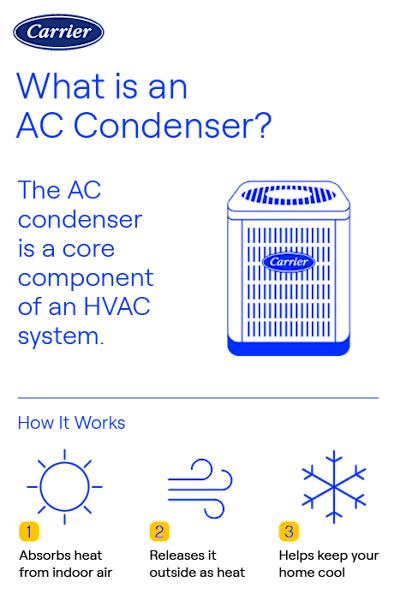
A condenser air conditioner cools indoor spaces by moving heat outside. It uses a special system that changes air temperature efficiently.
This type of air conditioner is common in homes and offices. It helps keep rooms comfortable during hot weather.
Key Components
The main parts of a condenser air conditioner work together to cool air. Each part has a specific role in the process.
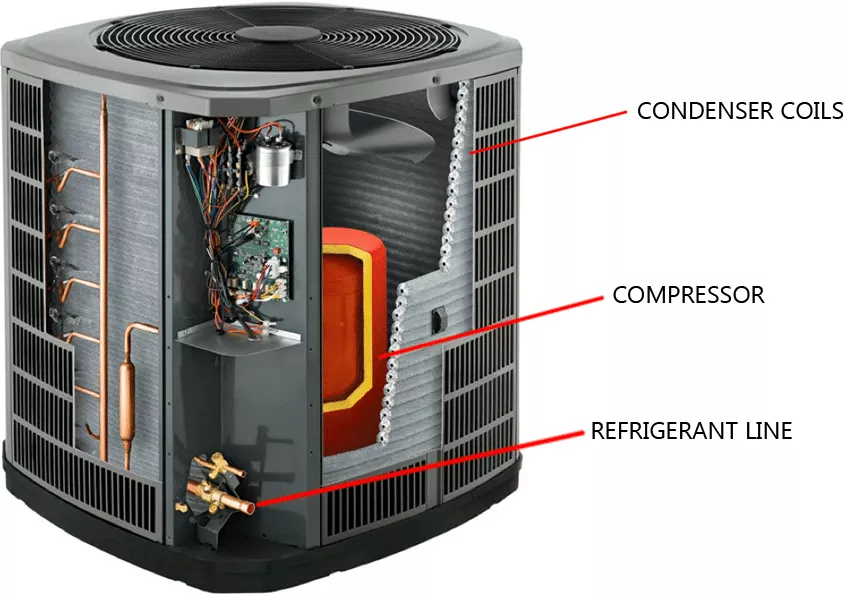
- Compressor:Pressurizes the refrigerant gas and moves it through the system.
- Condenser Coil:Releases heat from the refrigerant to the outside air.
- Evaporator Coil:Absorbs heat from the indoor air to cool it.
- Expansion Valve:Controls the flow of refrigerant into the evaporator coil.
- Fan:Moves air over the coils to aid heat transfer.
How It Works
The condenser air conditioner moves heat from inside to outside. It uses a cycle of compressing and expanding refrigerant to cool air.
| Stage | Process |
| Compression | The compressor squeezes refrigerant gas. |
| Condensation | The hot gas cools in the condenser coil and becomes liquid. |
| Expansion | The liquid refrigerant passes through the expansion valve and cools down. |
| Evaporation | The refrigerant absorbs heat inside the evaporator coil and turns back into gas. |

Credit: www.ussupply.com
Types Of Condenser Units
A condenser air conditioner uses a condenser unit to cool the air. The condenser removes heat from the refrigerant and releases it outside.
There are different types of condenser units. Each type uses a different method to release heat.
Air-cooled Condensers
Air-cooled condensers use air to cool the refrigerant. A fan blows air over the condenser coils.
This type is common in homes and small buildings. It is simple and easy to install.
- Uses outside air to cool
- Fan moves air over coils
- Easy to maintain
- Best for moderate climates
Water-cooled Condensers
Water-cooled condensers use water to cool the refrigerant. Water flows through tubes inside the condenser.
These condensers are more efficient in hot climates. They need a water source and a cooling tower.
- Uses water to cool refrigerant
- Water circulates in tubes
- Requires cooling tower
- Good for large buildings
Evaporative Condensers
Evaporative condensers cool the refrigerant by combining air and water. Water sprays on the coils while air moves over them.
This process helps remove heat by evaporation. It uses less water than water-cooled condensers.
- Sprays water on coils
- Air blows over wet coils
- Uses evaporation to cool
- Energy efficient and water-saving
Benefits Of Condenser Air Conditioners
Condenser air conditioners are a key part of many cooling systems. They help cool indoor spaces by releasing heat outside. Understanding their benefits can help you choose the right air conditioner.
This article explains benefits in three areas: energy efficiency, durability and maintenance, and cooling performance.
Energy Efficiency
Condenser air conditioners use less electricity than older models. They convert energy into cooling power more effectively. This saves money on energy bills and reduces environmental impact.
- Consumes less power for the same cooling effect
- Reduces greenhouse gas emissions
- Operates quietly with less energy waste
- Supports energy-saving modes in modern units
Durability And Maintenance
These air conditioners are built to last with strong materials. They handle outdoor conditions like rain and dust well. Regular maintenance keeps them running smoothly for years.
| Feature | Benefit |
| Corrosion-resistant parts | Longer lifespan in outdoor environments |
| Easy access panels | Simplifies cleaning and repairs |
| Durable fans and coils | Improves reliability and performance |
Cooling Performance
Condenser air conditioners cool rooms quickly and evenly. They maintain a comfortable temperature without big swings. Efficient heat exchange helps keep indoor air fresh and cool.
- Fast heat removal from indoor air
- Consistent temperature control
- Works well in various climates
- Supports better air circulation
Common Applications
Condenser air conditioners are widely used in many places. They help cool the air and keep spaces comfortable.
This type of air conditioner suits different needs from homes to big factories.
Residential Use
In homes, condenser air conditioners provide cool air during hot days. They help improve indoor comfort for families.
- Cooling living rooms and bedrooms
- Maintaining a steady temperature year-round
- Reducing humidity inside the house
- Supporting other HVAC systems
Commercial Settings
Businesses use condenser air conditioners to keep workers and customers comfortable. They help maintain good air quality in busy spaces.
| Type of Business | Use of Condenser AC |
| Offices | Keep work areas cool and quiet |
| Stores | Maintain product freshness and comfort |
| Restaurants | Control kitchen and dining area temperature |
| Hotels | Offer guest room cooling and lobby comfort |
Industrial Environments
Factories and plants use condenser air conditioners to cool large spaces and machines. This helps protect equipment and workers.
Industrial benefits include:
- Reducing heat from heavy machinery
- Improving air circulation in large areas
- Protecting sensitive equipment from overheating
- Supporting worker safety and comfort
Installation Tips
Installing a condenser air conditioner needs careful planning. Good installation helps the unit work well and last longer.
This guide covers important tips for choosing the right place, size, and whether to hire a pro or do it yourself.
Location Considerations
Pick a spot with enough air flow. Avoid places near heat sources or direct sunlight. This keeps the unit cool and efficient.
Make sure the area is easy to reach for maintenance. Also, avoid noisy spots near bedrooms or neighbors.
- Place on flat, stable ground
- Keep at least 2 feet of clearance around it
- Avoid tight corners or enclosed spaces
- Protect from rain but allow airflow
Sizing And Capacity
Choose a condenser that fits your room size. A unit that is too small won’t cool well. One too big wastes energy.
Check the cooling capacity in BTUs. Match it to the square footage and insulation of your space for best results.
- Small rooms need 5,000 to 8,000 BTUs
- Medium rooms need 8,000 to 12,000 BTUs
- Large rooms need 12,000 to 18,000 BTUs
- Consider ceiling height and sun exposure
Professional Vs Diy
Professional installation ensures safety and correct setup. Experts handle electrical and refrigerant work properly.
DIY can save money but needs skill and tools. Mistakes can cause leaks, poor performance, or damage.
- Hire pros for electrical and refrigerant connections
- DIY is okay for simple placement and mounting
- Check local codes and warranty rules
- Use correct tools and safety gear
Credit: www.carrier.com
Troubleshooting And Maintenance
A condenser air conditioner needs regular care to work well. Troubleshooting helps find problems early. Proper maintenance keeps the system efficient and lasts longer.
Learn common issues, simple routine care tips, and when to get professional help. This guide helps you keep your air conditioner running smoothly.
Common Issues
Condenser air conditioners may face problems like poor cooling or strange noises. These issues often have simple causes that you can check yourself.
- Dirty condenser coils reduce cooling power.
- Blocked air filters lower airflow.
- Refrigerant leaks cause weak cooling.
- Fan problems lead to overheating.
- Electrical faults can stop the unit.
Routine Care
Regular care helps avoid many common problems. Clean and inspect parts often to keep your unit working well.
| Task | Frequency | Notes |
| Clean air filters | Every 1-2 months | Wash or replace if needed |
| Clear debris from coils | Every 3 months | Use soft brush or cloth |
| Check fan operation | Every 3 months | Listen for unusual sounds |
| Inspect electrical connections | Annually | Look for loose or damaged wires |
| Check refrigerant levels | Annually | Requires a professional |
When To Call A Technician
Some problems need expert help. Call a technician if you see signs of serious issues or cannot fix the problem safely.
- The unit does not cool at all.
- There is a refrigerant leak or strong chemical smell.
- Electrical parts spark or smell burnt.
- Fans do not spin or make loud noises.
- The system frequently turns off or trips breakers.
Credit: kayplumbing.com
Frequently Asked Questions
What Is A Condenser Air Conditioner?
A condenser air conditioner cools air by removing heat from inside and releasing it outside. It uses a compressor, condenser coil, and fan to cool spaces efficiently.
How Does A Condenser Air Conditioner Work?
It circulates refrigerant through coils, absorbing heat indoors and releasing it outdoors. The compressor compresses the refrigerant, enabling continuous cooling.
Where Is The Condenser Unit Located?
The condenser unit is typically placed outside the building. It expels heat absorbed from inside to the outdoor air.
What Are The Benefits Of A Condenser Air Conditioner?
It offers efficient cooling, lower energy consumption, and quieter operation. It also improves indoor air quality by removing heat effectively.
Conclusion
A condenser air conditioner helps cool your home by removing heat. It works quietly and uses less energy. Knowing how it functions can help you choose the right unit. Regular care keeps it running well for many years. This system offers comfort during hot days.
Understanding its role makes cooling easier to grasp. A good condenser unit means better air and lower bills. Simple, effective, and reliable.