
Have you ever wondered why your car alarm suddenly goes off, even when there’s no obvious reason? It’s frustrating, isn’t it?
Understanding what triggers a car alarm can save you from these unexpected blares and help protect your vehicle better. You’ll discover the common causes behind those loud alerts and learn how to prevent false alarms. Keep reading to take control of your car’s security and enjoy peace of mind every time you park.

Credit: www.whocanfixmycar.com
Common Triggers
Car alarms help protect vehicles from theft and damage. They use sensors to detect unusual activities.
Different sensors trigger the alarm when they sense a threat. Knowing these triggers can help you avoid false alarms.
Door And Window Sensors
These sensors monitor if a door or window opens without permission. They are the most common car alarm triggers.
If someone tries to open a door or window, the sensor sends a signal. The alarm sounds to warn the owner and scare the thief.
- Opening a locked door
- Breaking a window
- Removing a window seal
Shock And Impact Sensors
These sensors detect strong impacts or vibrations. They protect against vandalism and forced entry.
If the car is hit or shaken hard, the sensor triggers the alarm. This helps stop damage before it gets worse.
- Hitting the car door
- Tapping or shaking the vehicle
- Breaking a side mirror
Motion Detectors
Motion sensors detect movement inside or near the car. They work well for cars with alarm systems inside the cabin.
If someone moves inside the car or gets too close, the alarm sounds. This prevents unauthorized access to the vehicle.
- Opening the door without disarming
- Movement inside the car
- Someone leaning into the car
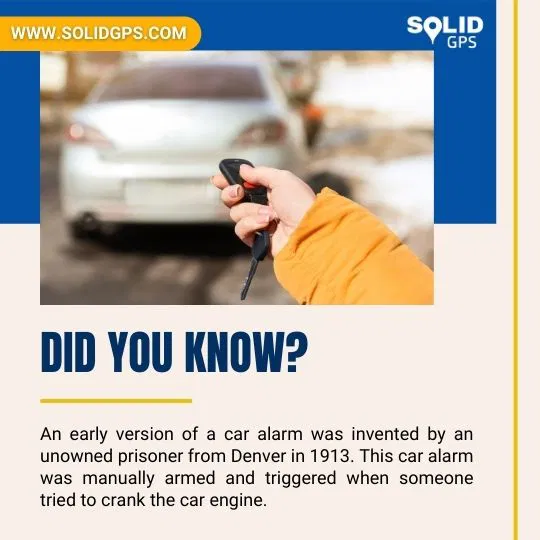
Credit: www.solidgps.com
Environmental Factors
Car alarms can be triggered by many outside forces. These forces are often related to the environment around the vehicle. Understanding these triggers helps in reducing false alarms.
Some common environmental factors include weather, loud sounds, and nearby traffic. Each of these can cause a car alarm to go off without any real threat.
Strong Winds And Weather
Strong winds can shake a parked car enough to set off its alarm. Heavy rain, hail, or snow may also cause sensors to react. These weather conditions create vibrations or pressure changes.
- Wind can move loose objects on or near the car
- Rain droplets hitting the vehicle might trigger motion sensors
- Ice or snow buildup can press on doors and windows
- Thunder and lightning cause loud sounds and vibrations
Loud Noises Nearby
Loud noises near a car can activate sound-sensitive alarms. Construction work, sirens, or shouting can confuse the alarm system. The alarm may mistake these sounds for a break-in attempt.
| Noise Source | Possible Alarm Trigger |
| Construction tools | Vibration sensors |
| Emergency sirens | Sound sensors |
| Loud music from nearby vehicles | Acoustic sensors |
| Shouting or loud voices | Microphone sensors |
Passing Heavy Vehicles
Heavy trucks or buses passing close by can cause strong vibrations. These vibrations can trigger motion or shock sensors in the car alarm. The alarm may react as if the vehicle is being hit or moved.
Ways heavy vehicles trigger alarms:
- Road vibrations shake the car body
- Air pressure changes near the vehicle
- Noise from engines and exhaust systems
Mechanical Issues
Car alarms can go off without a real threat. Many times, mechanical problems cause false alarms. These issues make your car’s security system sensitive.
Understanding these mechanical triggers helps you fix or avoid them. This keeps your alarm working properly and stops annoying sounds.
Faulty Wiring
Faulty wiring often causes car alarms to trigger unexpectedly. Damaged or loose wires send wrong signals to the alarm system.
Common problems with wiring include:
- Corroded connections from moisture
- Broken wires from wear and tear
- Poor installation of alarm components
- Short circuits caused by damaged insulation
- Interference from other electrical devices
Weak Battery
A weak or dying battery can trigger false alarms. When the battery voltage drops, the alarm system may think there is a break-in.
| Battery Issue | Effect on Car Alarm |
| Low voltage | Alarm may sound randomly |
| Loose battery terminals | Intermittent alarm triggers |
| Old battery | System may not reset properly |
Sensor Misalignment
Sensors detect movement or impact to trigger alarms. If sensors are not aligned correctly, they can send false alerts.
Signs of sensor misalignment include:
- Alarm sounds when the car is parked
- Alarm activates during bad weather
- Door or window sensors trigger without opening
- Shock sensors react to small vibrations
Human Errors
Car alarms often go off because of human mistakes. These errors can cause false alarms. Understanding these common triggers helps avoid unnecessary noise and worry.
Many triggers come from how people handle the alarm system or the vehicle itself. Simple actions can start the alarm without any real threat.
Improper Alarm Setting
Setting the alarm incorrectly can cause it to activate unexpectedly. Some users forget to arm the system fully or press the wrong button.
- Not locking all doors before setting the alarm
- Pressing the panic button by mistake
- Forgetting to disarm the alarm before opening the car
- Using the alarm system without reading the instructions
Unintentional Door Or Hood Movement
Opening or moving doors and the hood without disarming the alarm triggers it. Sometimes a loose latch or bump can cause movement that sets off the alarm.
| Cause | Effect |
| Door not fully closed | Alarm triggers when car is locked |
| Hood slightly open | Alarm activates if touched or moved |
| Car bumped in parking lot | Alarm goes off due to motion sensors |
Leaving Keys Inside
Leaving keys inside the car can cause confusion with the alarm system. The car may think someone is trying to break in or start it without permission.
Common issues from leaving keys inside:
- The alarm may not arm properly.
- Someone opening the door with the key inside triggers the alarm.
- Remote start functions can malfunction.
Unusual Causes
Car alarms are designed to protect vehicles from theft. Sometimes, they trigger for odd reasons. These unusual causes can confuse car owners.
Understanding strange triggers helps you avoid false alarms. Below are some unusual causes that might set off your car alarm.
Animals Triggering Sensors
Small animals like cats or squirrels can set off car alarms. They may touch door handles or bump into the vehicle. Birds landing on the car roof also cause vibrations that trigger sensors.
- Animals climbing on the car
- Pets brushing against doors
- Birds pecking or landing
- Rodents nesting near sensors
Vibrations From Construction
Nearby construction work creates strong vibrations. These shakes can trigger the shock sensors in your car alarm. Even distant hammering or drilling may cause false alarms.
| Type of Construction | Common Vibrations | Effect on Alarm |
| Roadwork | Heavy machinery and jackhammers | Triggers shock sensors |
| Building demolition | Explosions and falling debris | Sets off alarms |
| Nearby renovations | Drilling and hammering | False alarms possible |
Electrical Interference
Electric signals can interfere with your car alarm system. Sources include radio towers, power lines, and even other car alarms nearby. This interference may cause the alarm to activate unexpectedly.
Common Electrical Interference Sources:
- Radio frequency signals
- High-voltage power lines
- Nearby security systems
- Wireless devices
Preventive Tips
Car alarms can go off for many reasons. Some triggers are false alarms. Preventing these helps avoid unnecessary noise and stress.
Simple actions can reduce false alarms. Learn easy tips to keep your car alarm working well and only sound when needed.
Regular Maintenance
Keep your car and alarm system clean and checked. Dirt and damage can cause the alarm to trigger wrongly.
Check wires, sensors, and battery often. Fix any loose or broken parts quickly to avoid false alarms.
- Clean sensors regularly to remove dust
- Inspect wiring for damage or wear
- Replace car battery when weak
- Test alarm system monthly
Proper Alarm Calibration
Set your alarm sensitivity to the right level. Too high or low sensitivity causes false triggers or no alerts.
Adjust settings based on your car’s environment. Areas with many vibrations or loud noise need different calibration.
- Lower sensitivity in busy or windy places
- Test alarm response after changes
- Use professional help if unsure how to calibrate
Choosing The Right Alarm System
Pick an alarm system that fits your car and needs. Some alarms are better for certain cars and areas.
Look for alarms with adjustable settings and reliable sensors. Good quality systems reduce false alarms.
- Choose alarms with shock and motion sensors
- Pick systems with easy sensitivity control
- Consider alarms with remote alerts

Credit: www.whocanfixmycar.com
Frequently Asked Questions
What Causes Car Alarms To Go Off?
Car alarms can be triggered by various factors. Common causes include vibrations from nearby vehicles, loud noises, or even passing pedestrians. Faulty sensors or wiring issues can also cause false alarms. Environmental factors like strong winds or storms might also activate the alarm unexpectedly.
How Does A Car Alarm Sensor Work?
Car alarm sensors detect unauthorized access or movement. They use technologies like ultrasonic, microwave, or vibration detection. These sensors monitor changes in the vehicle’s environment. When a change is detected, the alarm system is activated, alerting the owner of potential threats.
Can Weather Affect Car Alarms?
Yes, weather can impact car alarms. Strong winds, heavy rain, or thunderstorms can trigger the sensors. These environmental factors can create vibrations or noises that are mistaken for threats. Keeping your car in a garage during extreme weather can reduce false alarms.
Why Does My Car Alarm Keep Going Off Randomly?
Random activations can be due to faulty sensors or wiring. Issues with the battery or alarm system settings can also cause problems. Environmental factors or nearby electronic devices might interfere. Consulting a professional can help diagnose and fix the issue effectively.
Conclusion
Car alarms can go off for many reasons. Loud noises, shaking, or opening doors often trigger them. Sometimes, a weak battery causes false alarms. Knowing these triggers helps you avoid unnecessary noise. It also keeps your car safe and your neighbors happy.
Pay attention to your car alarm’s signals. This way, you can respond quickly and correctly. Stay aware, and keep your car secure every day.