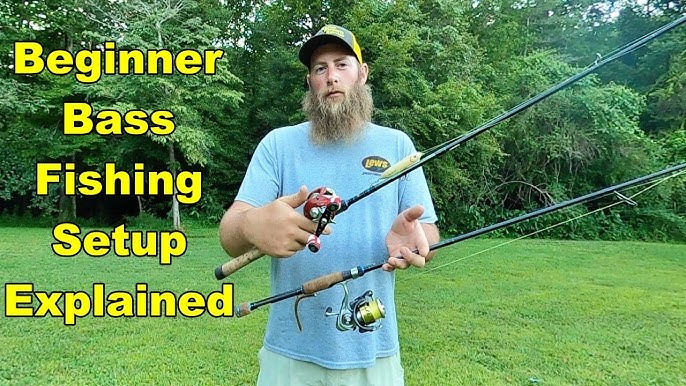
Setting up your fishing rod the right way can make all the difference between a frustrating day and a successful catch. If you’ve ever felt overwhelmed by the tangled lines or unsure about what gear to use, you’re not alone.
But don’t worry—this guide will walk you through every step, using simple language and clear instructions. By the end, you’ll feel confident and ready to cast your line like a pro. Ready to turn your fishing trips into memorable experiences?
Let’s get started!

Credit: www.youtube.com
Choose The Right Rod And Reel
Setting up a fishing rod starts with picking the right rod and reel. These tools affect your fishing success and comfort.
Choosing the right gear depends on the type of fishing you plan to do. Matching the rod and reel makes casting easier.
Select Rod Based On Fishing Style
Different fishing styles need different rods. A rod for lake fishing is not the same as one for river fishing.
Consider the fish size and water type. Use a light rod for small fish and a strong rod for big fish.
- Spinning rods are good for beginners and light fishing
- Baitcasting rods work well for heavy lures and big fish
- Fly rods are designed for fly fishing in rivers and streams
Match Reel To Rod
The reel must fit the rod type and size. Using the wrong reel can make fishing hard and less fun.
Check the reel weight and line capacity. A heavy reel on a light rod causes imbalance and fatigue.
- Spinning reels pair with spinning rods for smooth casting
- Baitcasting reels fit baitcasting rods for control and power
- Fly reels match fly rods and hold special fly line
Attach The Reel To The Rod
Attaching the reel to the rod is an important step in setting up your fishing gear. It helps balance the rod and makes casting easier.
Follow these simple steps to secure your reel correctly and check its alignment.
Secure Reel Seat
The reel seat is where you attach the reel to the rod. First, open the reel seat by twisting the locking ring.
- Place the reel foot into the reel seat grooves.
- Slide the reel foot all the way in to avoid wobbling.
- Twist the locking ring to tighten the seat firmly around the reel foot.
- Make sure the reel is held tight and does not move.
Check Alignment
After securing the reel, check that it lines up with the rod guides. Proper alignment improves casting and reduces line friction.
| Check Point | What to Look For |
| Reel Foot Placement | Centered in the reel seat with no gaps |
| Reel Handle Position | Comfortable to hold and easy to turn |
| Line Guides | Line should pass straight through all guides |
| Tightness | Reel should not move or wiggle |
Spool The Line Onto The Reel
Spooling the line onto your fishing reel is a key task before fishing. It helps your line run smoothly and prevents tangles. This guide shows simple steps for spooling your line correctly.
Take your time to choose the right fishing line and thread it properly through the rod guides. This ensures better casting and control while fishing.
Choose Appropriate Fishing Line
Selecting the right fishing line depends on the type of fish and water conditions. Different lines offer various strengths and stretch levels. Here are common types of fishing lines:
- Monofilament: Good for beginners, flexible and easy to handle.
- Fluorocarbon: Less visible in water, ideal for clear water fishing.
- Braid: Very strong and thin, perfect for heavy cover fishing.
| Line Type | Strength | Best Use |
| Monofilament | 6-12 lbs | General purpose, easy casting |
| Fluorocarbon | 8-15 lbs | Clear water, low visibility |
| Braid | 20-50 lbs | Heavy cover, strong fish |
Thread Line Through Guides
After choosing your line, thread it through the rod guides. Guides keep your line in place and help with casting accuracy. Follow these steps to thread the line:
- Open the bail arm of the reel.
- Attach the line to the spool with a secure knot.
- Close the bail arm and start turning the reel handle slowly.
- Pass the line through each guide, starting from the bottom near the reel.
- Keep tension on the line to avoid loose loops on the spool.
Tip:Keep the line tight as you spool it. Use your fingers to hold the line against the spool to prevent tangles.
Tie The Line To The Reel Spool
Tying the line to the reel spool is a key step in setting up your fishing rod. It ensures your line stays secure and does not slip during casting or reeling.
Using the right knot and keeping the right tension helps prevent line damage and improves your fishing experience.
Use Reliable Knots
Choose knots known for strength and security. The Arbor knot is popular for tying lines to reel spools. It is simple and holds well under pressure.
- Pass the line around the spool.
- Tie an overhand knot around the standing line.
- Tie a second overhand knot at the tag end.
- Pull both knots tight against the spool.
- Trim the excess tag end.
Maintain Proper Tension
Keep the line tight while tying and winding it onto the spool. Loose lines can cause tangles and reduce casting distance.
| Tension Level | Effect |
|---|---|
| Too Loose | Line may slip or tangle |
| Proper Tension | Line stays secure and smooth |
| Too Tight | Line can weaken or break |
Thread The Line Through The Rod Guides
Threading the fishing line through the rod guides is an important step. It helps your line move smoothly when casting and reeling.
Doing this right can prevent tangles and improve your fishing experience.
Start From The Bottom
Begin threading the line from the bottom of the rod. This means starting at the guide closest to the reel.
Feed the line through each guide one by one, moving toward the rod tip.
- Hold the rod steady with one hand.
- Pull the line through the first guide near the reel.
- Continue feeding the line through each guide upward.
- Make sure the line goes inside each ring properly.
Ensure Smooth Line Flow
Check that the line moves freely through the guides. This helps avoid snags and tangles while fishing.
Make sure the line is straight and not twisted as you thread it.
- Inspect each guide for dirt or damage before threading.
- Pull the line gently to test smooth movement.
- Adjust the line if it catches or rubs on any guide.
- Keep the line tight but not too tight during threading.

Credit: fishingbooker.com
Attach The Hook And Tackle
Setting up your fishing rod starts with attaching the hook and tackle correctly. Proper setup helps catch fish more easily and keeps your gear secure.
Learn how to choose the right hooks and baits. Then, use strong knots to attach your tackle safely.
Select Suitable Hooks And Baits
Pick hooks that fit the fish you want to catch. Small hooks work for small fish, large hooks for big fish. Choose bait that attracts your target fish.
- Use live bait like worms for freshwater fish
- Try artificial lures for larger or saltwater fish
- Match hook size to the bait size
- Consider fish habits and feeding times
Secure Knots For Tackle
Tie your hook and tackle with strong knots. A secure knot keeps your line from slipping or breaking. Practice a few easy knot types for better results.
- Use the Improved Clinch Knot for general use
- The Palomar Knot works well for braided lines
- Try the Loop Knot to allow natural bait movement
- Always wet the line before tightening the knot
Adjust The Drag System
The drag system on a fishing rod controls how much resistance a fish feels when it pulls the line. Adjusting it properly helps prevent the line from breaking. It also tires the fish out for easier catching.
Knowing how to set the drag system lets you fish more successfully. You can match the drag to different fish sizes and strength.
Set Drag For Target Fish
Set the drag to fit the type of fish you want to catch. Stronger fish need more drag. Smaller fish need less drag to avoid snapping the line.
- Check the recommended drag range for your fishing line.
- Turn the drag knob to increase or decrease resistance.
- Start with a low drag setting for small fish.
- Increase drag for bigger or stronger fish.
- Adjust drag so the line pulls out smoothly without jerking.
Test Drag Functionality
Test the drag system before fishing. This ensures it works well and protects the line.
| Test Action | What to Look For |
| Pull the line by hand | Line should slide out smoothly |
| Increase drag slightly | Line resists more but still moves |
| Set drag tight | Line does not slip unless strong pull |
| Release drag | Line moves freely without sticking |
Practice Casting Techniques
Practicing casting helps you control the fishing rod better. It makes fishing more fun and successful.
Try different methods often. This will build your skill and confidence on the water.
Master Basic Cast
Hold the rod firmly but not too tight. Keep your wrist steady for a smooth cast.
- Place your index finger above the reel to control the line.
- Pull the rod back slowly to shoulder height.
- Cast forward in one smooth motion.
- Release the line at the right moment for distance.
- Practice this motion until it feels natural.
Improve Accuracy And Distance
Focus on where you want the lure to land. Adjust your cast to hit that spot every time.
| Tip | How It Helps |
| Check wind direction | Use wind to carry your cast farther |
| Use smooth rod motion | Prevents jerky casts and improves accuracy |
| Practice different angles | Reach difficult spots with better aim |
| Adjust line tension | Controls lure speed and placement |
Maintain Your Fishing Rod
Taking care of your fishing rod helps it last longer. Good maintenance keeps it working well every time.
Simple steps after fishing can protect your rod from damage. Regular care saves you money on repairs.
Clean After Use
Always clean your fishing rod after each use. Dirt, salt, and water can harm the rod parts.
Use fresh water and a soft cloth to wipe down the rod and reel. Remove all sand and salt to stop rust.
- Rinse rod with fresh water
- Wipe with a soft cloth
- Check guides and reel for dirt
- Dry completely before storing
Store Properly
Store your fishing rod in a dry place away from sunlight. Heat and moisture can weaken the rod material.
Use a rod rack or hang it vertically to avoid bending. Do not lean the rod against walls for long periods.
- Keep rod in a cool, dry area
- Use a rod holder or rack
- Avoid bending or leaning the rod
- Cover the rod tip to protect guides

Credit: fishgenix.com
Frequently Asked Questions
What Do I Need To Set Up A Fishing Rod?
To set up a fishing rod, you’ll need a rod, reel, fishing line, hooks, sinkers, and bait. Ensure your equipment is compatible with the type of fishing you plan to do. Proper setup enhances performance and increases your chances of a successful catch.
How Do I Attach A Reel To The Rod?
Start by aligning the reel seat with the rod handle. Insert the reel foot into the seat and tighten the screw clamp. Ensure the reel is securely attached. A properly attached reel ensures smooth casting and retrieval, improving your overall fishing experience.
What Type Of Fishing Line Should I Use?
Choose a line based on your target fish species and fishing environment. Monofilament is versatile, while braided line offers strength. Fluorocarbon is nearly invisible underwater. Each type has its advantages, so select one that suits your needs for optimal results.
How Do I Tie A Fishing Hook To The Line?
Use a reliable knot, like the improved clinch knot. Thread the line through the hook eye, twist, and secure. Ensure the knot is tight and secure before casting. A properly tied hook ensures better bait presentation and increases your chances of catching fish.
Conclusion
Setting up a fishing rod is easier than it seems. Follow each step carefully for the best results. Choose the right rod, reel, line, and hook. Attach the reel firmly and thread the line through guides. Tie a strong knot to secure your hook.
Check everything before you start fishing. This simple process helps you enjoy your time on the water. Practice a few times to feel confident. Soon, casting and catching fish will feel natural. Remember, patience and care make fishing more fun.
Try it out and enjoy your fishing trips!