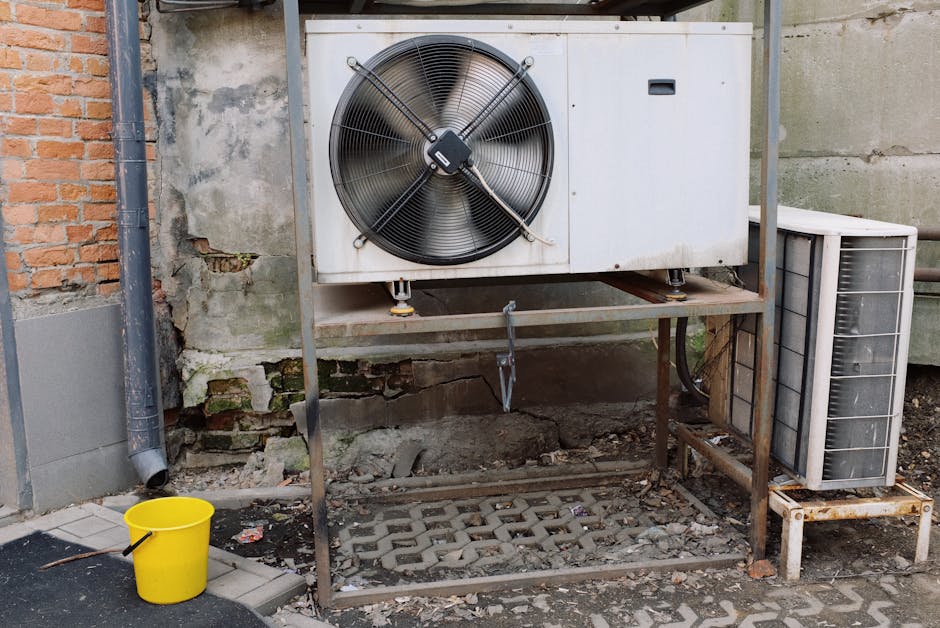
Have you ever wondered how much electricity your air conditioner actually uses? Understanding the watts your AC consumes can help you save money on your energy bills and make smarter choices for your home.
If you want to know exactly what affects your air conditioner’s power use and how to control it, keep reading. This simple guide will give you clear answers and practical tips to keep your cool without shocking your wallet.
Air Conditioner Power Basics
An air conditioner’s power use depends on its wattageand cooling capacity. Wattage tells how much electricitythe unit needs to run. Cooling capacity is measured in BTUs(British Thermal Units), showing how much heat it can remove.
Higher BTUs mean more power use. Small rooms need less BTU; big rooms need more. Typical home AC units use between 500 to 1500 watts. Larger units can use over 2000 watts.
| Type of Air Conditioner | Typical Wattage | Cooling Capacity (BTU) |
|---|---|---|
| Window AC | 500 – 1500 W | 5000 – 15000 BTU |
| Portable AC | 900 – 1400 W | 8000 – 14000 BTU |
| Split AC | 1000 – 2000 W | 9000 – 24000 BTU |
| Central AC | 3000 – 5000+ W | 24000 – 60000+ BTU |
- Window ACs are common for single rooms.
- Portable ACs can move from room to room.
- Split ACs are quiet and good for homes.
- Central ACs cool whole houses but use more power.

Credit: udpwr.com
Factors Affecting Power Usage
Air conditioner power usedepends largely on its sizeand efficiency. Bigger units use more watts but cool faster. Efficient models use less electricity for the same cooling.
Usage patternsalso affect power consumption. Running the AC continuously uses more power than short, frequent bursts. Setting the temperature lower uses more energy.
Environmental conditionsplay a role too. Hotter, more humid weather makes the AC work harder. Rooms with poor insulation cause the AC to use more power to keep cool.
Typical Wattage For Different Models
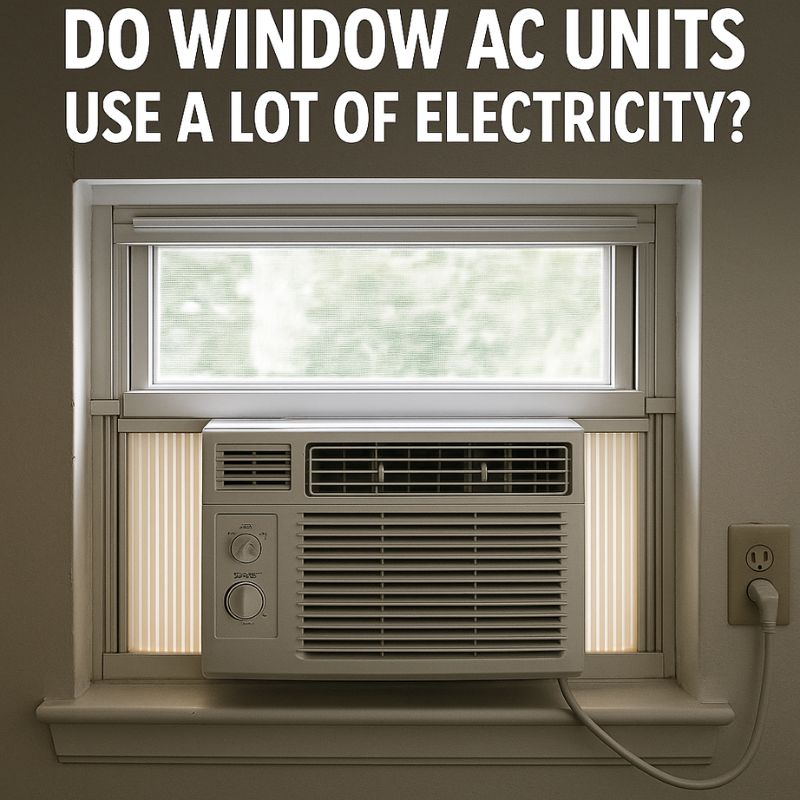
Air conditioners use different watts based on their type and size. Window unitsusually use between 500 to 1500 watts. These are good for cooling one room.
Split systemshave two parts and use about 1000 to 3000 watts. They cool larger spaces and are quieter than window units.
Central air conditionersuse the most power. They typically use 2000 to 5000 wattsor more. These cool whole houses or big buildings.
| Type | Typical Wattage Range | Best For |
|---|---|---|
| Window Units | 500 – 1500 watts | Single rooms |
| Split Systems | 1000 – 3000 watts | Multiple rooms, quieter cooling |
| Central Air Conditioners | 2000 – 5000+ watts | Whole house or large spaces |
Credit: www.theelectriciansco.com
Calculating Your Air Conditioner’s Energy Use
The energy labelon an air conditioner shows its power use in watts. It helps compare models and find the best for your home. The label also shows the energy efficiency ratio (EER), which tells how much cooling you get per watt used.
Power meters plug into the outlet and track the exact electricity your AC uses. They give real-time data and total consumption over days or weeks. This helps see how much energy your AC consumes during different times.
Estimating monthly consumption is simple. Multiply the AC’s wattage by hours used daily, then by days in a month. For example, a 1000-watt unit running 8 hours daily uses 8 kWh per day. Over 30 days, that’s 240 kWh. This helps plan your electricity bill.
Energy Saving Tips
Setting the thermostatto a comfortable but not too cold temperature saves energy. Keep it around 24°C (75°F) to reduce power use. Avoid lowering the temperature too much; it makes the air conditioner work harder and use more watts.
Maintenance and cleaningkeep the air conditioner running well. Clean or replace filters regularly to improve airflow. Dust and dirt build-up makes the unit less efficient and increases electricity use.
- Using fanshelps spread cool air, so the air conditioner does not work as hard.
- Timerscan turn off the unit when not needed, saving energy.
- Set timers to switch the unit off before leaving rooms or at night.
Impact On Electricity Bills
The electricity costfor running an air conditioner depends on its wattage and usage time. A typical AC uses between 500 to 2000 watts. The higher the wattage, the higher the bill.
| AC Unit Size | Power Usage (Watts) | Estimated Cost per Hour ($) |
|---|---|---|
| Small (5,000 BTU) | 500 | 0.06 |
| Medium (12,000 BTU) | 1,200 | 0.14 |
| Large (24,000 BTU) | 2,000 | 0.24 |
Electricity prices vary by location and time. Running AC during peak hourscosts more. Try to use it in off-peak hoursfor savings.
Choosing An Energy Efficient Air Conditioner
SEER(Seasonal Energy Efficiency Ratio) and EER(Energy Efficiency Ratio) show how well an air conditioner uses electricity. Higher SEER or EER means less power use. Choose an AC with a good rating to save energy and money.
Inverter technologyadjusts the compressor speed. This helps the AC use only the power needed to keep the room cool. It stops the unit from turning on and off too much. This saves energy and keeps the temperature steady.
Smart controlslet you set the AC from your phone or remote. You can program cooling times and temperatures. This avoids wasting power when no one is home. Smart controls help make your air conditioner more energy efficient.

Credit: www.greenwashingindex.com
Frequently Asked Questions
How Many Watts Does A Typical Ac Use?
A typical air conditioner uses between 500 to 3,500 watts. The exact wattage depends on the AC’s size, type, and efficiency. Central air conditioners generally use more watts compared to window or portable units. Always check the product’s specifications for accurate wattage details.
Does Ac Wattage Affect Electricity Bills?
Yes, AC wattage directly impacts your electricity bills. Higher wattage means more energy consumption, leading to higher costs. Efficient air conditioners use less power and can reduce your bills. Choosing an energy-efficient model is essential for cost savings and environmental benefits.
How Can I Reduce My Ac’s Energy Consumption?
You can reduce energy consumption by maintaining your AC regularly, using a programmable thermostat, and ensuring proper insulation. Keeping filters clean and using energy-efficient settings also help. Additionally, using fans alongside your AC can distribute cool air more effectively and reduce energy usage.
What Is The Difference Between Watts And Btus?
Watts measure electrical power, while BTUs measure thermal energy. In air conditioners, watts indicate energy consumption, and BTUs measure cooling capacity. A higher BTU rating means more cooling power. Understanding both metrics can help you choose the right air conditioner for your needs.
Conclusion
Understanding how many watts an air conditioner uses helps manage energy better. Different models and sizes use different amounts of power. Smaller units use less electricity, while larger ones need more. Running the AC efficiently saves money on bills. Simple steps like setting the temperature right can reduce power use.
Knowing your AC’s wattage also helps choose the best energy plan. Stay cool without wasting energy or spending too much. Keep these points in mind for smart and easy energy use.