Your car’s tires are the only part touching the road, yet many drivers overlook when to replace them. Ignoring worn-out tires puts your safety at risk and can lead to costly repairs.
How do you know when it’s time to get new ones? You’ll discover simple signs to watch for and expert tips to keep your rides safe and smooth. Don’t wait until it’s too late—read on to protect yourself and your vehicle today.
Tread Depth And Wear
Car tires need enough tread to keep you safe on the road. Tread depth affects grip and stopping power.
Worn tread can cause accidents, especially in wet or slippery conditions. It is important to know when to replace your tires.
Measuring Tread Depth
You can measure tread depth with a simple tool called a tread depth gauge. It shows how much tread is left on your tires.
- Insert the gauge into the tread grooves.
- Read the measurement on the gauge scale.
- Replace tires if tread is below 2/32 inch (1.6 mm).
Tread Wear Indicators
Tires have built-in tread wear indicators. These small bars appear when tread gets too low.
| Tread Depth | Indicator Status | Action Needed |
| Above 4/32 inch | Not visible | Safe to use |
| 2/32 inch to 4/32 inch | Starting to show | Consider replacement soon |
| 2/32 inch or less | Fully visible | Replace tire immediately |
Effects Of Worn Tread
Worn tread reduces traction and increases stopping distances. It also raises the risk of hydroplaning in rain.
- Less grip on wet or icy roads
- Longer braking distances
- Higher chance of tire blowouts
- Reduced vehicle control and safety
Visible Damage
Checking your car tires for visible damage is important for safety. Visible signs can show when tires need replacement.
Look closely at your tires regularly to spot cracks, bulges, cuts, or sidewall problems. These signs affect tire performance.
Cracks And Bulges
Cracks often appear on the tire surface as small lines. Bulges look like bubbles on the tire side. Both are warning signs.
- Cracks can cause air leaks or tire failure.
- Bulges show weak tire spots that may burst.
- Replace tires if cracks or bulges are visible.
Punctures And Cuts
Sharp objects can cause punctures or cuts on your tires. Some punctures can be repaired, but cuts are often serious.
| Damage Type | Repairable | Risk Level |
| Small Puncture | Yes | Low if fixed quickly |
| Large Puncture | No | High |
| Deep Cut | No | High |
Sidewall Damage
The sidewall is the tire’s outer edge. Damage here can be dangerous because it weakens the tire’s structure.
Signs of sidewall damage include:
- Cracks or cuts on the sidewall
- Blisters or bubbles
- Scrapes or gouges
Do not drive on tires with sidewall damage. Replace them immediately.
Tire Age
Tire age is an important factor to consider for safety. Old tires can lose their strength and grip on the road.
Even if tires look fine, their rubber can degrade over time. This makes checking the tire age critical.
Manufacture Date Importance
Every tire has a code showing its manufacture date. This code helps you know how old the tire is.
- The date code is on the tire sidewall, in the DOT number.
- It usually shows the week and year the tire was made.
- Knowing the tire’s age helps avoid using old, unsafe tires.
- Tires can degrade even if unused or stored properly.
Recommended Replacement Timeline
Most experts suggest replacing tires after a certain age. This helps keep your driving safe.
| Age of Tire | Recommended Action |
| Less than 6 years | Check tread and condition regularly |
| 6 to 10 years | Consider replacing even if tread is good |
| Over 10 years | Replace immediately regardless of condition |
Performance Changes
Car tires wear out over time and affect how your vehicle performs. Watching for performance changes helps you know when to replace them. These changes often affect safety and driving comfort.
This guide looks at common performance changes to check for. They include decreased traction, handling issues, and increased road noise.
Decreased Traction
Tires lose grip on the road as they wear down. This can cause slipping on wet or icy roads. Worn tread makes it harder to stop quickly and safely.
- Longer braking distances
- Skidding on wet surfaces
- Difficulty controlling the car in rain or snow
- Less grip on sharp turns
Handling Issues
Old or damaged tires can make your car feel unstable. You might notice pulling to one side or vibrations in the steering wheel. These problems affect your control on the road.
| Handling Problem | What It Feels Like |
| Pulling | Car moves left or right without steering input |
| Vibrations | Steering wheel shakes at certain speeds |
| Loose Steering | Car feels slow to respond to turns |
Increased Road Noise
Tires that are worn or damaged often make more noise. This noise can be a sign of uneven wear or internal tire damage. It can make driving less comfortable and warn you of tire problems.
Signs of increased road noise include:
- Loud humming sounds
- Buzzing or rattling noises
- Noise changes with speed
Uneven Wear Patterns
Uneven wear on car tires can cause safety problems. It also shortens tire life and affects driving comfort.
Checking your tires for uneven wear helps you know when to replace them. This keeps your car safe on the road.
Causes Of Uneven Wear
Uneven tire wear happens for many reasons. Some common causes include poor alignment, wrong tire pressure, and suspension issues.
- Misaligned wheels make tires wear on one side
- Over or under-inflated tires wear unevenly
- Worn suspension parts cause irregular tire contact
- Driving habits like hard braking can increase wear
- Rotating tires irregularly leads to uneven tread wear
When To Replace Based On Wear
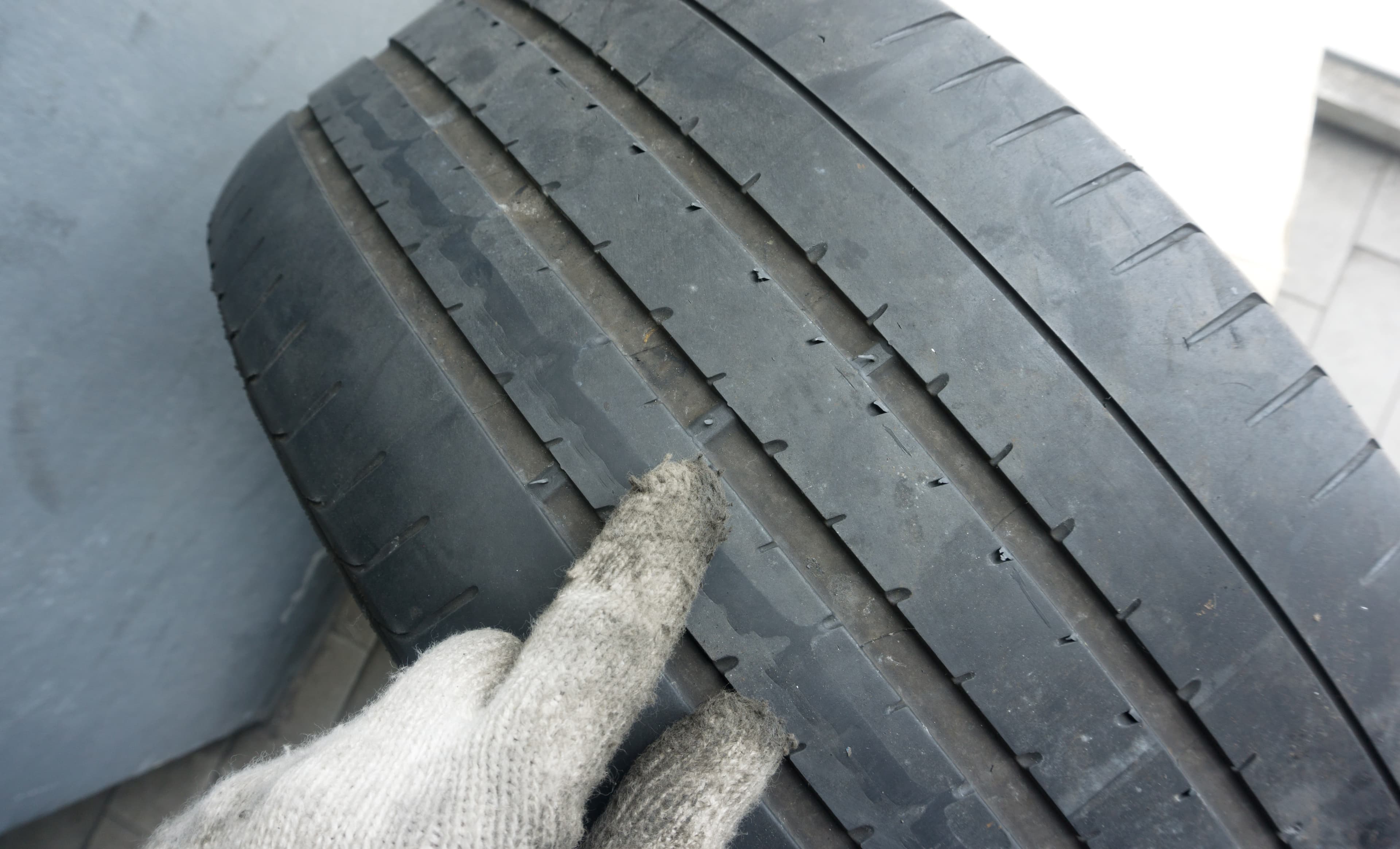
Replace tires when uneven wear reduces tread depth below safe limits. Also, change tires if wear causes rough driving or noise.
Look for visible signs like bald spots, cupping, or cracks. These signs mean your tires are unsafe and need replacement.
- Check tread depth with a gauge or coin test
- Replace tires if tread is below 2/32 inch depth
- Change tires if you feel vibration or pulling while driving
- Inspect tires regularly for uneven patterns or damage
Credit: simpletire.com
Fuel Efficiency Impact
Car tires affect how far your vehicle can go on a gallon of fuel. Good tires help save fuel and reduce costs.
Old or worn tires can make your car use more fuel. This happens because they increase rolling resistance and reduce traction.
How Tires Affect Mileage
Tires influence fuel efficiency by the way they roll and grip the road. Properly inflated and well-maintained tires reduce fuel use.
- Low tire pressure increases rolling resistance.
- Worn tread reduces grip and causes slippage.
- Incorrect tire size can affect fuel economy.
- High rolling resistance tires consume more fuel.
Signs Of Efficiency Loss
Watch for signs that your tires are hurting fuel efficiency. These signs show when it might be time to replace them.
| Sign | Effect on Fuel |
| Low Tread Depth | More slippage, higher fuel use |
| Uneven Wear | Increases rolling resistance |
| Frequent Air Pressure Loss | Causes poor mileage |
| Visible Damage | Reduces tire performance and efficiency |
Maintenance Tips
Proper tire maintenance helps keep your car safe and extends tire life. Regular care prevents unexpected problems on the road.
Check your tires often and follow simple steps to know when to replace them. This guide covers key tips for tire care.
Regular Inspections
Look over your tires every month for signs of damage or wear. Check for cracks, bulges, or objects stuck in the tread.
- Examine tread depth using a coin or tread gauge
- Look for uneven wear patterns
- Check sidewalls for cuts or blisters
- Remove stones or debris lodged in the tread
Proper Tire Inflation
Keep tires inflated to the pressure recommended by your car’s manufacturer. Under- or over-inflation causes faster wear and poor handling.
| Pressure Level | Effect on Tires |
| Too Low | Increased wear on edges, poor fuel efficiency |
| Too High | Wear in the center, rough ride |
| Correct Pressure | Even wear, better safety and mileage |
Wheel Alignment Checks
Misaligned wheels cause uneven tire wear and affect car control. Have your alignment checked if the car pulls to one side or after hitting a curb.
Signs you need a wheel alignment:
- Steering wheel is off-center while driving straight
- Tires wear unevenly or quickly
- Vehicle pulls left or right on flat roads
- Vibrations in the steering wheel
Credit: motorist.org

Credit: caronphone.com
Frequently Asked Questions
How Often Should Car Tires Be Replaced?
Car tires should typically be replaced every six years. However, this can vary based on driving conditions and usage. Regularly inspect your tires for tread wear and damage. If you notice cracks or bulges, it’s time to replace them. Always consult your vehicle’s manual for specific guidance.
What Are Signs Of Worn-out Tires?
Worn-out tires often show tread wear indicators, which are small bars of rubber running across the tread. Other signs include cracks, bulges, or unusual vibrations while driving. If your tires are older than six years, consider replacing them. Regular checks can prevent accidents and ensure safe driving.
Can I Replace Just One Tire?
It’s recommended to replace all tires at once for balanced performance. However, if only one tire is damaged, ensure its replacement matches the others in size, type, and tread. Mismatched tires can affect handling and safety. Always consult a professional for the best advice.
What Affects Tire Lifespan?
Tire lifespan is influenced by driving habits, road conditions, and maintenance. Aggressive driving and poor road conditions can reduce tire longevity. Regular rotation, alignment, and maintaining proper tire pressure can extend their life. Always follow the manufacturer’s guidelines for maintenance to ensure your tires last longer.
Conclusion
Tires wear out with time and use. Watch for signs like low tread and cracks. Replace tires to keep driving safe and smooth. Old or damaged tires can cause accidents. Regular checks help spot problems early. Don’t wait until a tire blows out.
Changing tires on time saves money and stress. Stay alert and keep your car ready for the road. Safe tires mean safer journeys for everyone.